The Rolling-Door Reveal
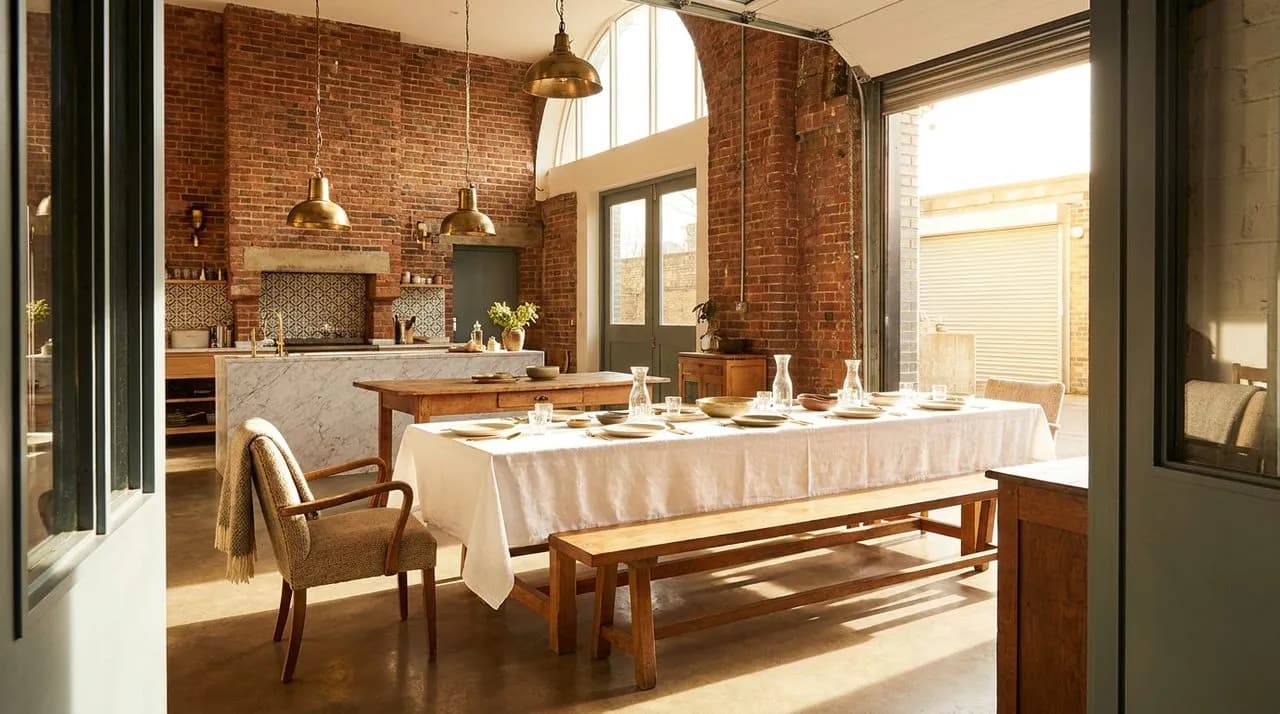
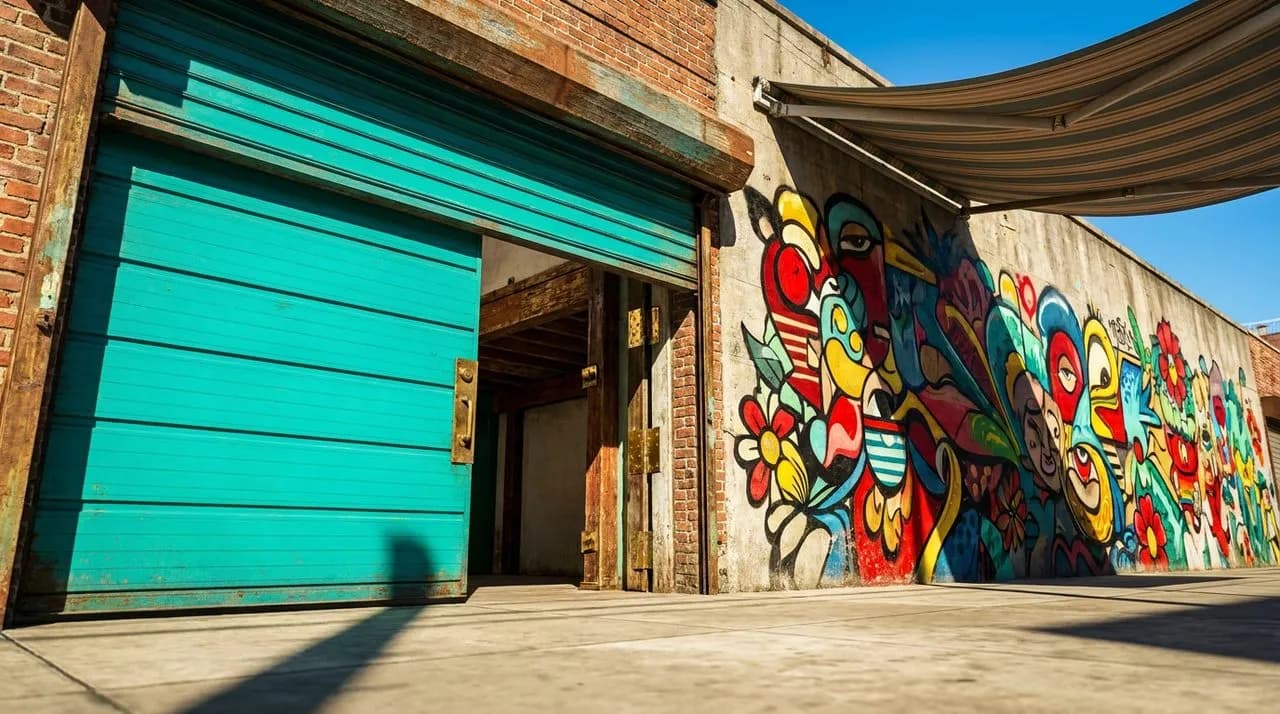
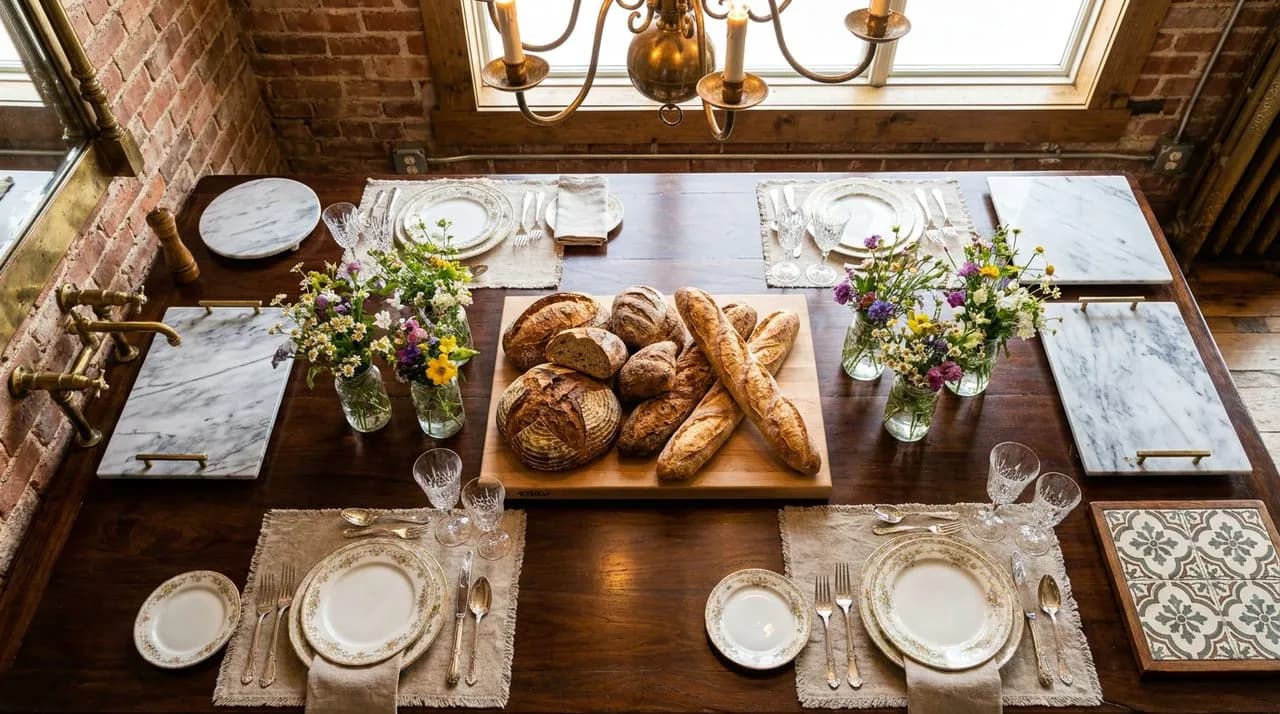
At 8 p.m. on a Thursday in Bushwick, a weathered steel garage door on Troutman Street begins its slow ascent. Inside, forty strangers clutch wine bottles and peer into a space that six months ago smelled of motor oil and housed a transmission repair business. Now it's lit by Edison bulbs strung across exposed beams, with a single communal table running the length of the concrete floor. This is the theater of Brooklyn's garage-born supper club movement, where the mechanical reveal has become as essential as the first course.
The rolling door isn't just architectural happenstance—it's the defining ritual of this dining underground. Chef Mateo Ruiz, who runs a monthly residency out of a former body shop on Flushing Avenue, says the door creates an immediate psychological shift. Guests transition from sidewalk to dining room in a single vertical motion, leaving behind the ordinary streetscape for something that feels both clandestine and celebratory. The sound alone—that industrial rumble and clank—signals you've arrived somewhere that doesn't advertise, doesn't take walk-ins, and operates on its own terms.
The Gowanus Garage Circuit
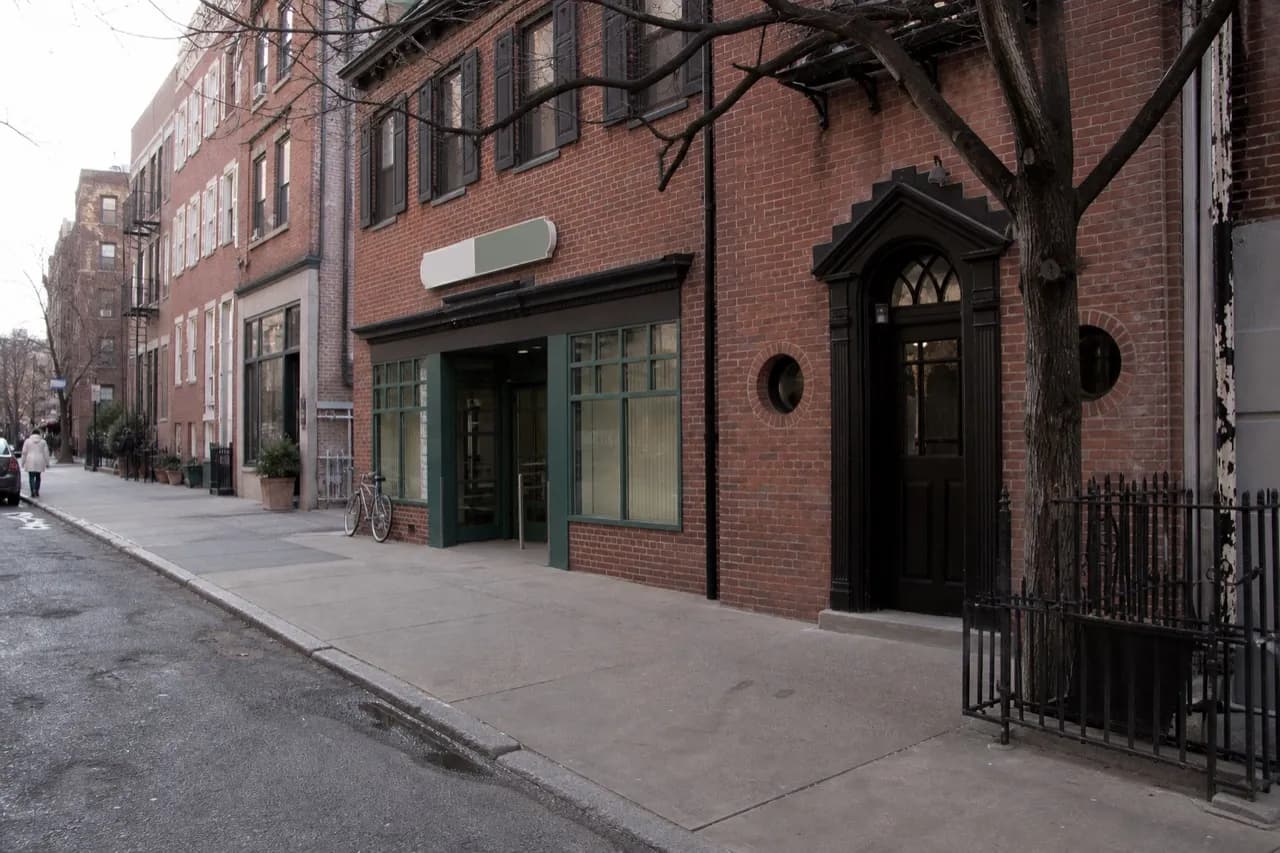
Gowanus has emerged as ground zero for this movement, thanks to a surplus of vacant industrial spaces and landlords willing to negotiate short-term arrangements. Along Third Avenue and the side streets between the canal and the Prospect Expressway, at least six former garages now host rotating supper clubs. The neighborhood's grimy-chic aesthetic—still more welding shop than wine bar—provides the perfect camouflage for dining experiences that thrive on being slightly hard to find.
Chef Lena Okafor operates one of the most sought-after residencies out of a space on Union Street that still has a hydraulic lift in the corner. She runs a monthly West African tasting menu, and her April event sold out in eleven minutes after she posted the RSVP link on Instagram. The garage's original signage—'Sal's Auto Repair Est. 1987'—remains painted on the exterior, a deliberate choice Okafor insists on. The contrast between the faded lettering and the refined cooking inside has become part of the brand, a visual shorthand for the collision of old industrial Brooklyn and its culinary present.
Instagram-Only RSVP Culture
There are no websites, no phone numbers, no OpenTable widgets. Every supper club in this ecosystem operates exclusively through Instagram, posting cryptic announcements—often just a date, a neighborhood, and a price—then releasing booking links in Stories that expire within 24 hours. It's a system that rewards the vigilant and the connected, and it's entirely intentional. The scarcity model isn't just about exclusivity; it's about maintaining the legal gray zone these operations occupy.
Most of these supper clubs operate without restaurant licenses, skirting regulations by framing themselves as private dinner parties where guests 'contribute' to costs rather than pay for meals. The Instagram-only model helps maintain that fiction—there's no paper trail, no public-facing business entity, just a chef's personal account posting dinner invitations to followers. It's a hustle that city regulators are aware of but haven't aggressively pursued, creating a tolerated-but-not-endorsed dining underground that thrives precisely because it remains semi-invisible.
The BYOB Economy
Every invitation includes the same two-word instruction: Bring wine. The BYOB mandate isn't a quirky suggestion—it's the legal workaround that allows these dinners to happen. Without liquor licenses, hosts can't sell alcohol, but they can create spaces where guests bring their own. The result is a peculiar economy where a $95 tasting menu is accompanied by bottles ranging from bodega Prosecco to $80 natural wines, all lined up on a folding table near the entrance.
The BYOB culture has spawned its own etiquette. Regulars know to bring extra bottles to share; newcomers learn quickly that showing up with a single beer marks you as uninitiated. At a March dinner in a Bushwick garage on Scott Avenue, one guest arrived with a case of Georgian orange wine and distributed bottles to strangers throughout the night. This kind of generosity isn't rare—it's become the social currency of the scene, a way to signal you understand the unspoken rules of a dining format that blurs the line between restaurant and house party.
The Chefs Behind the Doors
These aren't hobbyists cooking for friends. The chefs running garage residencies are often veterans of Michelin-starred kitchens or acclaimed Brooklyn restaurants who've chosen the supper club model for its creative freedom and lower overhead. Chef Ruiz spent five years at a two-star Manhattan restaurant before launching his Bushwick operation; Okafor worked at a lauded Bed-Stuy spot before going independent. They're trading stability and benefits for the ability to cook exactly what they want, when they want, for audiences who've actively sought them out.
The garage format allows for cooking that wouldn't survive in a conventional restaurant. Menus change completely each month, often built around a single idea or ingredient that the chef becomes momentarily obsessed with. There's no need to maintain crowd-pleasing staples or worry about Yelp reviews from tourists expecting red-sauce Italian. The stakes are different when your entire audience has Instagram-stalked you for months and competed for a reservation. These diners arrive primed for experimentation, willing to trust a chef serving fermented kohlrabi or whole roasted fish heads because the format itself signals seriousness.
Practical Notes for the Curious
Breaking into this scene requires patience and strategy. Most chefs announce their next dinner 2-3 weeks in advance, posting a save-the-date on Instagram before releasing booking details closer to the event. Turn on post notifications for chefs you want to try—reservations often fill within minutes of links going live. Expect to pay between $85 and $135 per person for multi-course tasting menus, cash or Venmo only, paid in advance or at the door depending on the chef's preference.
- Follow supper club chefs on Instagram at least a month before you want to dine—they rarely announce events to new followers
- Bring two bottles of wine even if you're dining solo; sharing is expected and appreciated
- Arrive exactly on time—garage spaces rarely have waiting areas and doors often close promptly at the stated start time
- Dress for concrete floors and unheated spaces; these garages retain their industrial character including temperature fluctuations
- Don't ask for the address until you've secured a reservation—locations are shared only with confirmed guests, usually 24-48 hours before the event
- Expect communal seating and conversation with strangers; the format is designed for interaction, not date-night privacy
The Future of Brooklyn's Underground
The question hovering over every rolling-door dinner is how long this model can last. City officials have largely looked the other way, but one health code complaint or noise violation could trigger enforcement that shuts down the entire informal network. Some chefs are already planning exit strategies—applying for proper licenses, scouting commercial spaces, preparing to transition from underground to legitimate. Others insist the garage format is the point, that legitimacy would kill the very thing that makes these dinners compelling.
For now, the scene continues to expand. New chefs launch residencies every month, and the geographic spread is widening—whispers of garage supper clubs are emerging in Sunset Park and East New York. The format has proven that Brooklyn diners will seek out exceptional food in unlikely places, that the friction of Instagram RSVPs and BYOB logistics doesn't deter the committed. Whether this remains an underground phenomenon or becomes the blueprint for a new kind of Brooklyn dining establishment, the garages of Bushwick and Gowanus are rewriting the rules of what a restaurant can be, one rolling door at a time.
Sources consulted: NYC.gov - City of New York · NYC Department of Health · Brooklyn Borough - Official Site · Time Out New York · Eater NY - New York Dining
All trademarks are the property of their respective owners.