The Subterranean Mail Express
Between 1897 and 1953, Manhattan operated one of the most ambitious urban infrastructure experiments in American history: a 27-mile network of pneumatic tubes that shot mail canisters beneath the streets at 35 miles per hour. The system connected 23 post offices across the borough, delivering letters in minutes rather than hours. At its peak in the 1910s, the tubes handled over 30 percent of all mail moving through Manhattan, a technological marvel that predated email by a century.
Updated August 2026: hours, prices, reservations, event dates, transit details, and venue policies can change. Use the linked official venue, city, or operator sources in the Sources section as the final reference before you go.
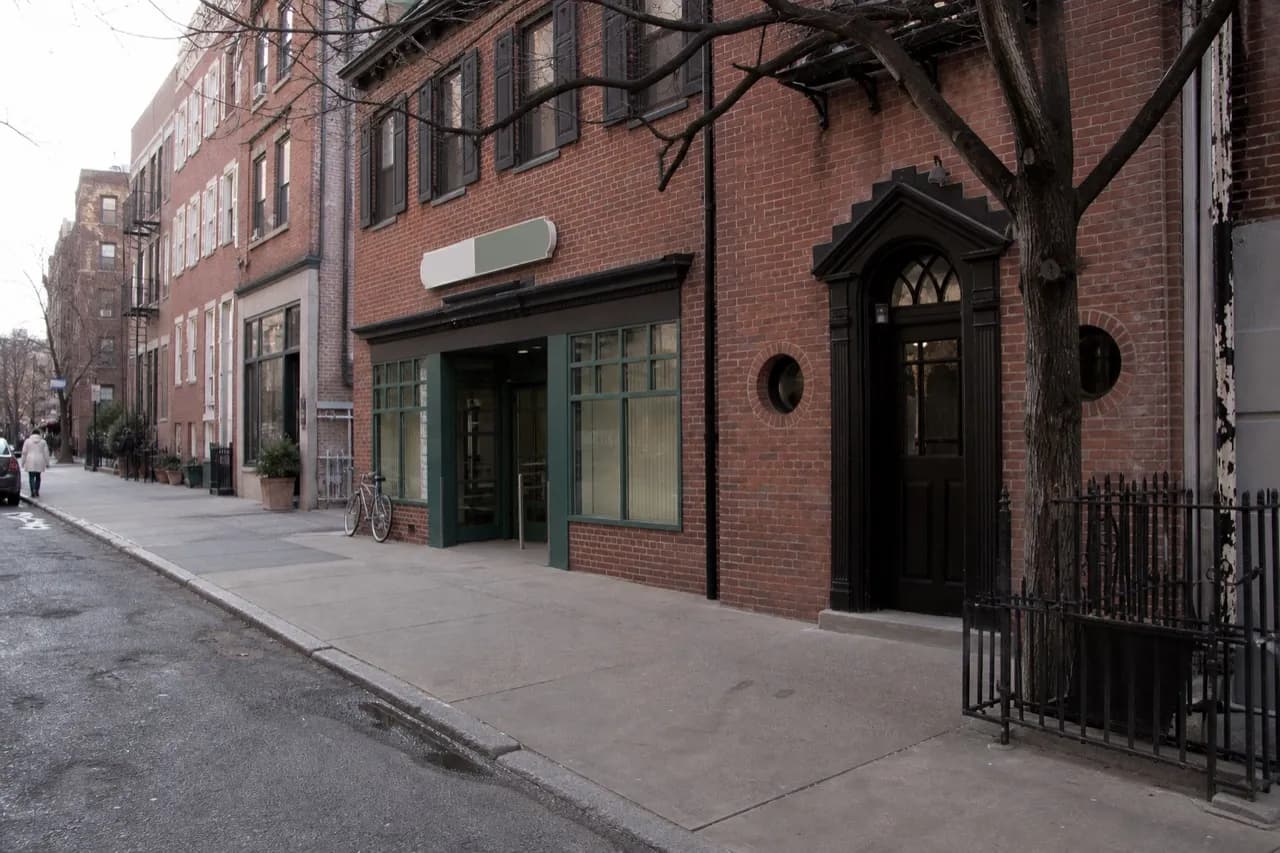
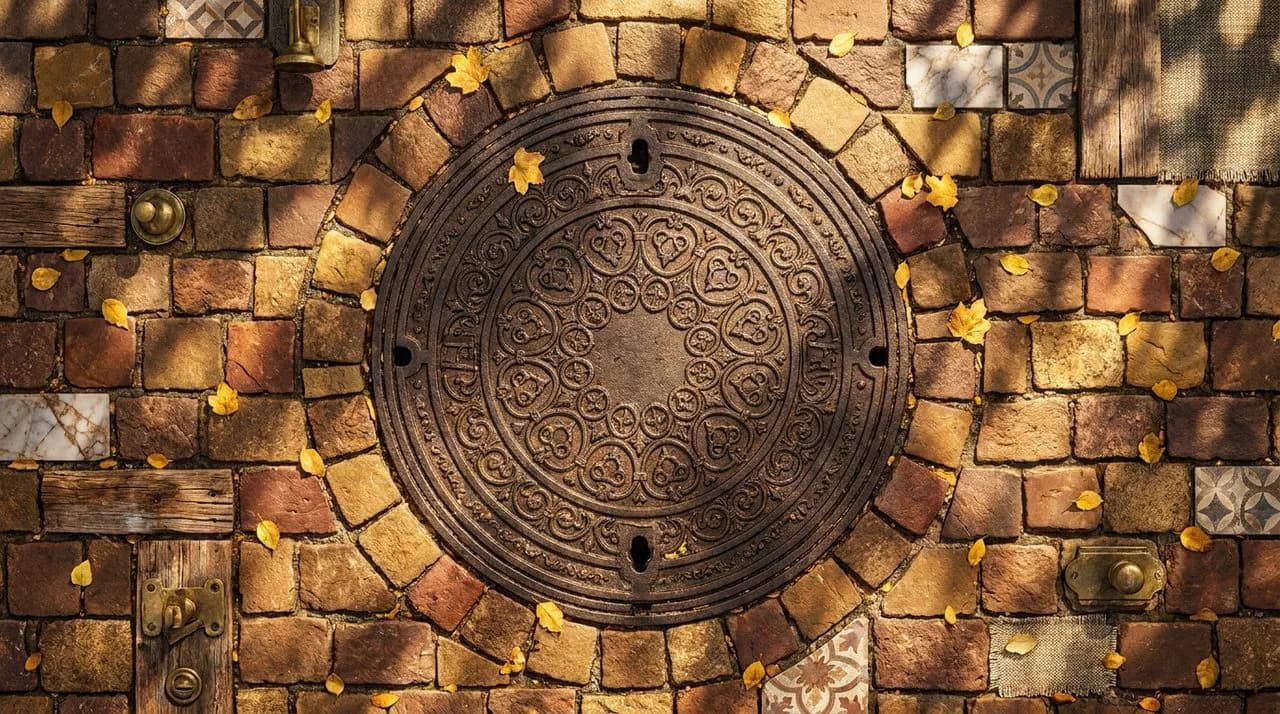
Today, most New Yorkers walk past the remnants of this forgotten network without a second glance. Iron-grate manhole covers stamped with USPS markings, bricked-over access ports on century-old buildings, and architectural details on former post offices tell the story of a system that once defined urban efficiency. This walking tour through Manhattan history reveals the physical evidence of the pneumatic postal age, connecting you to a moment when the city literally hummed with pressurized air moving correspondence at unprecedented speeds.
Starting Point: The James A. Farley Building
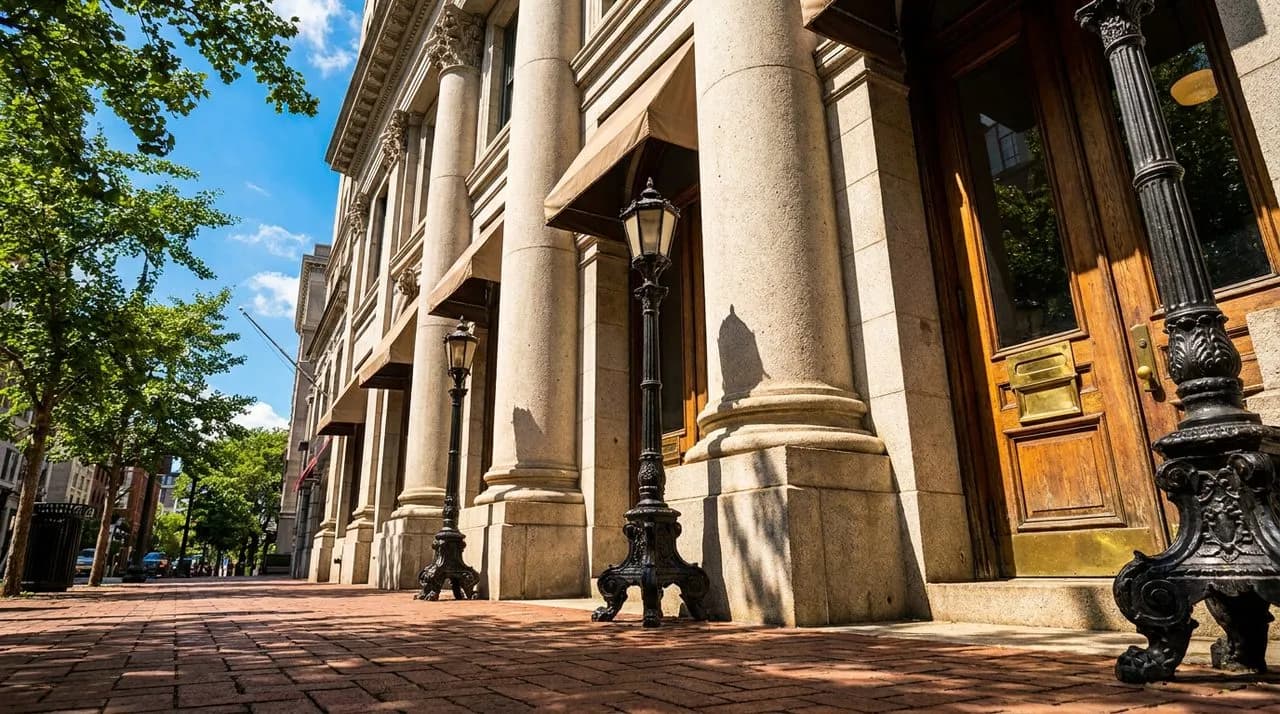
Begin your journey at the James A. Farley Building on Eighth Avenue between 31st and 33rd Streets, the Beaux-Arts masterpiece that served as the Old General Post Office. While the current structure dates to 1914, it replaced an earlier facility that was a central node in the pneumatic network. The building's lower levels once housed massive air compressors and receiving stations where canisters arrived every few minutes. Stand on the Eighth Avenue side and look for the brass postal service emblems embedded in the façade—these marked the locations of pneumatic terminal rooms.
Walk east along 31st Street toward Seventh Avenue. At the intersection, examine the pavement near the southeast corner. Among the modern utility covers, you'll find an octagonal iron grate with faint USPS lettering—a service access point for the tube system. These distinctive covers appear throughout the Midtown grid, often overlooked among the visual noise of contemporary street furniture. The tubes ran eight to ten feet below street level, following routes that minimized curves to maintain air pressure and canister velocity.
The Madison Square Circuit
Continue east to Madison Square Park, where the pneumatic network formed a critical junction. The post office that once stood at 23rd Street and Madison Avenue served as a distribution hub, with tubes radiating north toward Murray Hill and south toward Union Square. The 1897 system design prioritized this neighborhood because of its density of businesses and publishing houses—time-sensitive contracts and manuscripts moved through these tubes daily. Walk the perimeter of the park and note the building at 1 Madison Avenue; its ground floor retains bricked-over openings that once accommodated pneumatic service connections.
Head south on Broadway to Union Square, another major node. At the northwest corner of 17th Street and Broadway, a former postal substation building displays the architectural signature of pneumatic-era facilities: reinforced basement windows with heavy iron frames designed to ventilate compressor rooms. The system required constant airflow to prevent overheating, and architects incorporated these functional elements into their designs. The building now houses retail, but the structural bones reveal its postal past to anyone who knows where to look.
Downtown to City Hall
Walk south on Broadway through the Flatiron District toward City Hall. The pneumatic tubes followed this route almost exactly, with stations at 13th Street, Houston Street, and Canal Street. At Canal, turn east for one block to Centre Street, then continue south. The concentration of government buildings around City Hall made this area essential to the network—legal documents and municipal correspondence moved through the tubes constantly. The City Hall station, which operated in the basement of the Tweed Courthouse, featured one of the system's largest receiving rooms.
Circle City Hall Park along the eastern path. Near the Park Row exit, several sidewalk grates show the telltale octagonal shape and USPS stamps of pneumatic access points. These grates provided ventilation for the tube network and emergency access for maintenance crews. The system required near-constant upkeep—leaks in the cast-iron tubes could cause pressure drops that stalled canisters mid-route. Repair crews accessed the tunnels through these street-level portals, often working overnight to avoid disrupting daytime mail service.
The Brooklyn Extension Mystery
From City Hall, walk east on Chambers Street toward the Brooklyn Bridge pedestrian entrance. Historical records indicate that planners designed a Brooklyn extension of the pneumatic system in 1905, intended to run through the bridge's lower deck to a receiving station in Downtown Brooklyn. The extension was partially constructed—tube sections were installed inside the bridge's masonry anchorage on the Manhattan side—but never activated. Budget constraints and engineering challenges with maintaining air pressure over the bridge's span killed the project.
Walk onto the bridge's pedestrian path and stop at the first viewing platform. Look back toward the Manhattan anchorage's base, where the limestone blocks meet the modern plaza. Somewhere behind that masonry lie sealed tube sections, installed but never used, representing the system's most ambitious expansion attempt. The Brooklyn extension remains one of hidden NYC's great what-ifs—a parallel infrastructure that could have transformed inter-borough mail delivery decades before containerization and truck transport made such systems obsolete.
Practical Notes for Tube Hunters
The pneumatic tube network left scattered evidence across Manhattan, but finding it requires patience and attention to street-level details. Many original USPS manhole covers have been replaced during utility work, while others have been paved over or obscured by decades of urban layering. The most reliable sites are around former post office buildings, where multiple access points clustered. Early morning hours offer the best light for photographing embossed lettering on iron grates, and spring or fall visits avoid the visual interference of summer street dining structures.
- Wear comfortable walking shoes—this route covers approximately 4 miles at a leisurely pace
- Bring a flashlight or use your phone's light to illuminate recessed grate lettering
- The New York Public Library's Map Division holds original 1897 pneumatic tube route maps for reference
- Most visible evidence concentrates in the Midtown, Flatiron, and City Hall areas
- Respect private property—many former postal buildings are now residential or commercial spaces
- Consider visiting the Smithsonian National Postal Museum's online archives for technical drawings before your tour
Why the System Died
The pneumatic postal system's decline began in the 1920s as automobile-based delivery proved more flexible and less expensive to maintain. The tubes required constant repairs—corrosion, pressure leaks, and mechanical failures plagued the aging infrastructure. By 1953, when the Post Office Department finally shut down the last active tubes, the system had become a costly anachronism. Trucks could reach any address in Manhattan faster than the tubes could move mail between fixed stations, and the rise of telephone communication reduced demand for urgent letter delivery.
Yet the pneumatic network's legacy persists in unexpected ways. Modern hospital tube systems that transport medications and lab samples descend directly from the postal technology. Data centers use pneumatic principles for cooling air circulation. And the very idea of rapid point-to-point delivery—the conceptual ancestor of same-day shipping and instant messaging—originated in those pressurized Manhattan tunnels. Walking this route connects you not just to hidden NYC infrastructure, but to the ongoing evolution of how cities move information and goods through space at ever-increasing speeds.
Sources consulted: New York Public Library · United States Postal Service History · New York State Unified Court System · NYC Parks Department · NYC Department of Records and Information Services
All trademarks are the property of their respective owners.