 Haaland Has Seven Goals and Norway Runs Entirely Through Him
⚽️2026 FIFA WORLD CUP
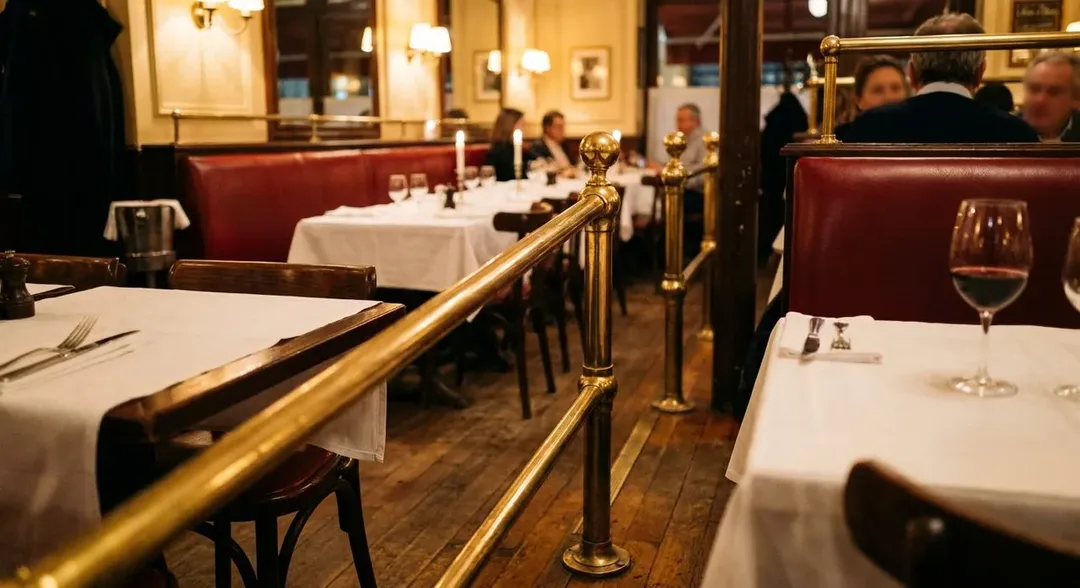
Mbappé in NYC: France's Base Camp Bistro Circuit
France's national team will call Manhattan home while training in New Jersey for the 2026 World Cup. We map the late-dinner circuit Mbappé and his squad are most likely to haunt.
When France's national team touches down in Manhattan for the 2026 World Cup, Kylian Mbappé will face a challenge more delicate than any group-stage fixture: finding a decent post-training dinner that doesn't feel like a production. The squad will sleep in Midtown, commute daily to a training facility in Harrison, New Jersey, and return each evening hungry, restless, and unlikely to tolerate hotel dining rooms. What emerges is a narrow bistro circuit—part logistics, part discretion, part longing for the textures of home—that runs from Tribeca to East Midtown, with a quiet detour across the Hudson. This is where you'll find them in late May, between matches, when the city is warm and the season tastes like possibility.
The Manhattan anchor: Midtown's French quartet
Geography is destiny. France's hotel base in Midtown—unconfirmed but almost certainly within walking distance of One Vanderbilt or Bryant Park—means the first-night dinner will likely unfold somewhere between 42nd and 57th Streets. Le Pavillon, Daniel Boulud's glass-walled temple at One Vanderbilt, offers the kind of high-polish privacy that national federations prefer: discreet booths, a kitchen that can accommodate dietary plans, and a wine list deep enough to quiet homesickness. The light in late May pours through those soaring windows until nearly eight, casting the dining room in amber.
Further north, L'Avenue at Saks Fifth Avenue plays a different register: louder, younger, inside Saks with a dining room overlooking Midtown. It's the kind of place where Aurélien Tchouaméni might feel at home after a recovery session, where the noise provides cover and the crowd skews international. Both venues share a quality essential to any squad on a long tournament run—they're large enough to absorb a dozen athletes without fanfare, yet intimate enough to feel like an escape rather than an obligation.
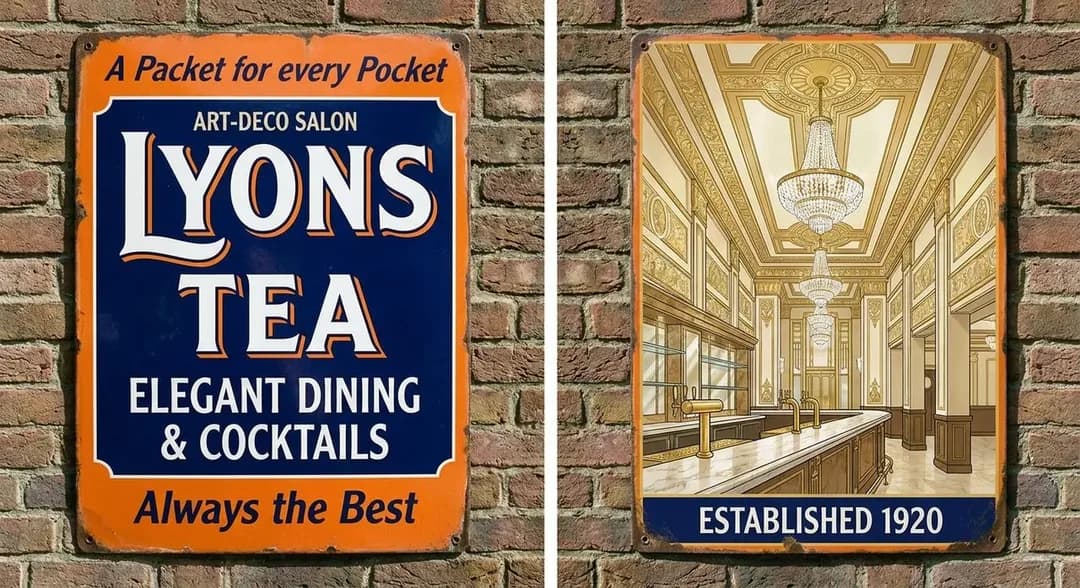
Downtown: Tribeca's quieter register
If Midtown is convenience, Tribeca is intention. Frenchette, tucked onto a cobblestone stretch of Church Street, has become the kind of bistro where French expats gather when they want to remember Paris without the performance. The ceilings are pressed tin, the banquettes worn leather, and the kitchen treats French vernacular cooking with enough respect that it never tips into parody. For a squad spending weeks in hotel suites, this matters—the room feels lived-in, not designed.
Downtown also offers anonymity. By late May, when the city's attention turns toward the outer boroughs and the first wave of summer Fridays empties Midtown, Tribeca remains comfortably inhabited but not crowded. Mbappé, who has spent a career negotiating the weight of public attention, will recognize the value of a neighborhood where famous faces are common enough to go unremarked. The walk from the hotel is twenty minutes in a private car, the return trip up the West Side Highway a chance to see the Hudson go dark.
The NoHo option: Lafayette's bistro row
Lafayette Street between Houston and Prince holds another possibility: Café Carmellini and the tighter, more casual bistros that cluster near the Public Theater. This is the circuit for younger squad members—Michael Olise, perhaps, or whoever emerges as the tournament's breakout name—players still young enough to want the sidewalk energy of NoHo in late spring. The England World Cup squad, billeted elsewhere in the metro area, will almost certainly cross paths here; the overlap venues tend to be the ones with late kitchens and wine lists that don't require a sommelier's intervention.
What makes Lafayette Street work is its scale. These are rooms that seat forty, not four hundred. The acoustics allow conversation. The menus avoid the self-consciousness that creeps into high-profile openings. For athletes whose days are governed by intervals and ice baths and tactical reviews, there's relief in a dining room that doesn't demand anything beyond appetite.
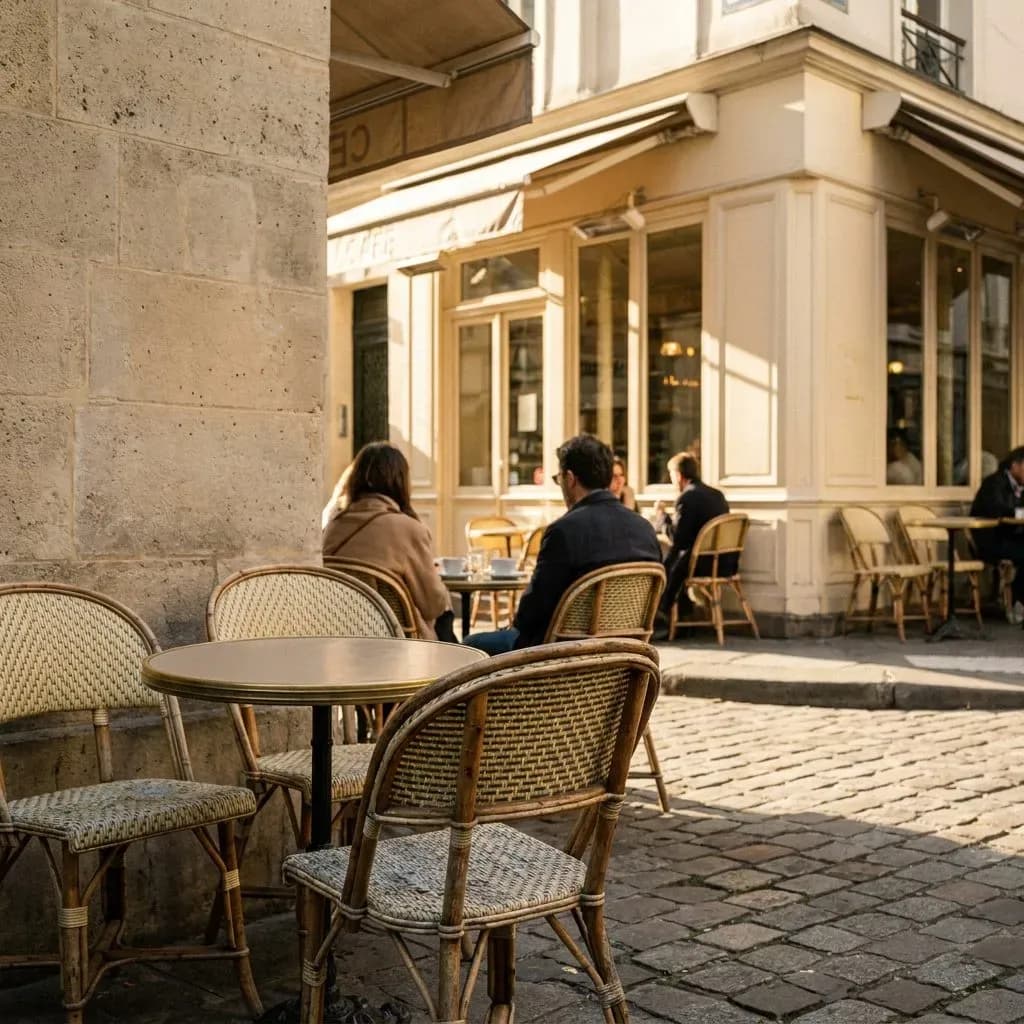
Across the river: Harrison's quiet French corners
The most surprising chapter in this circuit may unfold closest to the training ground itself. Harrison and neighboring Newark have quietly developed a handful of Portuguese and Spanish dining rooms, but also—thanks to overlapping immigration patterns and the proximity to New York's French culinary diaspora—a few modest French bistros that cater to homesick Francophone communities. These are not destination restaurants. They are the kinds of places where the menu is printed on cardstock, the wine comes from the Loire, and the kitchen closes when the last table finishes.
For France's coaching staff, these rooms solve a practical problem: post-morning-training lunches that don't require a drive back into Manhattan. For the players, they offer something rarer—a chance to eat well in a room where no one expects them. Harrison in May is all chain-link and freight rail and the hum of the PATH train; the bistros that survive here do so because they serve their neighborhood first. That's precisely what makes them safe.
The tournament rhythm: how the circuit tightens
As the group stage gives way to knockout rounds, the dining circuit will contract. Early in the tournament, when rest days are plentiful and the outcome still feels distant, the squad will range across Manhattan—Midtown one night, Tribeca the next, perhaps even Brooklyn if someone's cousin knows a place. But once the stakes sharpen, routine becomes ritual. The same three or four rooms, the same corner tables, the same post-dinner walk to clear the head before bed check.
This is when the bistro circuit reveals its deeper logic. It's not about the food, exactly—though the food matters, the way it always matters when you're far from home. It's about building a temporary geography of comfort in a city that never quite sits still. Mbappé will find his table, Tchouaméni his booth, and the rhythm of commute and training and dinner will become the structure that holds the summer together. By the time the final whistle blows, whether in triumph or heartbreak, these rooms will carry memory the way only restaurants can—thresholds between effort and rest, between the team and the self.
Practical notes
France's likely hotel base sits within Midtown Manhattan, accessible via the 4/5/6 trains to Grand Central–42nd Street or the B/D/F/M to Rockefeller Center. For Tribeca venues, take the 1 to Franklin Street. Harrison is reachable via the PATH train to Harrison station, though travel time from Manhattan varies by origin and schedule. Most French bistros in the circuit keep dinner service until 10:30 or 11 p.m., but verify hours directly—tournament schedules and private bookings will shift availability. Street parking in Midtown is scarce; garage rates run $40–$60 for evening stays. If you're hoping to glimpse the squad, your best odds are late-evening arrivals, post–7:30 p.m., at venues within a ten-minute walk of probable hotel clusters near Bryant Park or Grand Central. Bring patience, a credit card, and low expectations for autographs—security will be discreet but present.
Tags: #MbappéNYC #FranceWorldCup2026 #NYCBistros #TheOddEdit #ManhattanDining #WorldCup2026 #FrenchCuisineNYC #TribecaEats #MidtownDining #HarrisonNJ #LateSpring2026 #SquadLife #NYCFoodie #FootballCulture #KarposFinds
Sources consulted: Kylian Mbappé · 2026 FIFA World Cup · Time Out New York Restaurants · NYC Official Guide · NY Times New York Section
All trademarks are the property of their respective owners.
Ask Karpo for more information.
Keep reading
- Haaland Has Seven Goals and Norway Runs Entirely Through Him
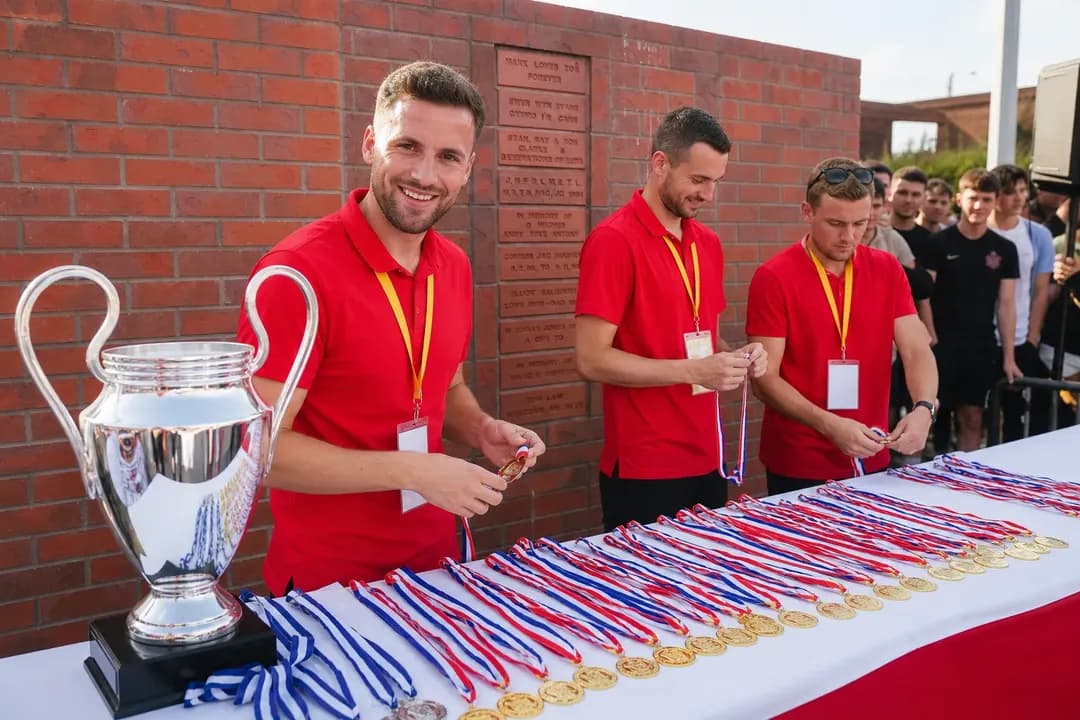 World Cup Trophy Ceremony Timing Medals and Postmatch Celebrations
 Olise and France's Attack: The Semifinal Tactical Question