The 6 a.m. Hay Delivery Nobody Talks About
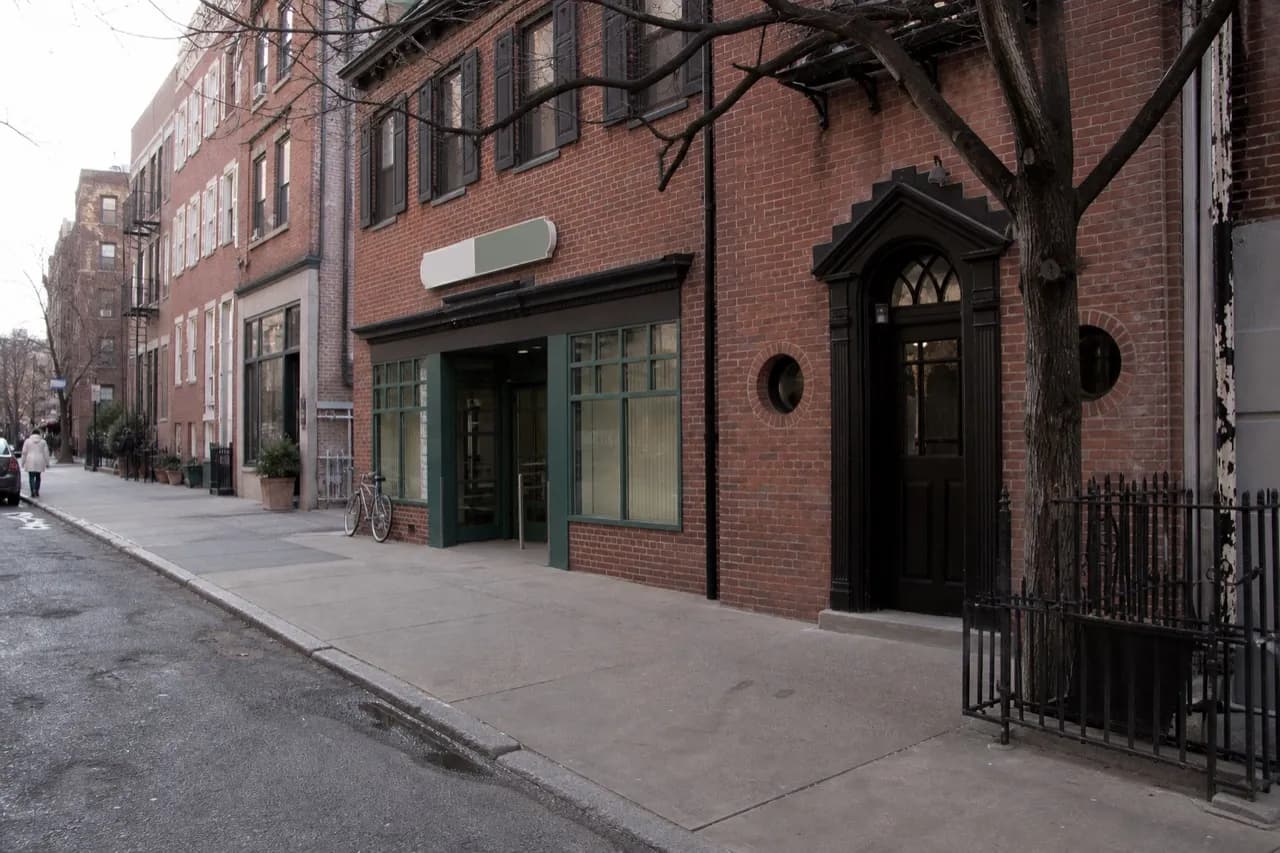
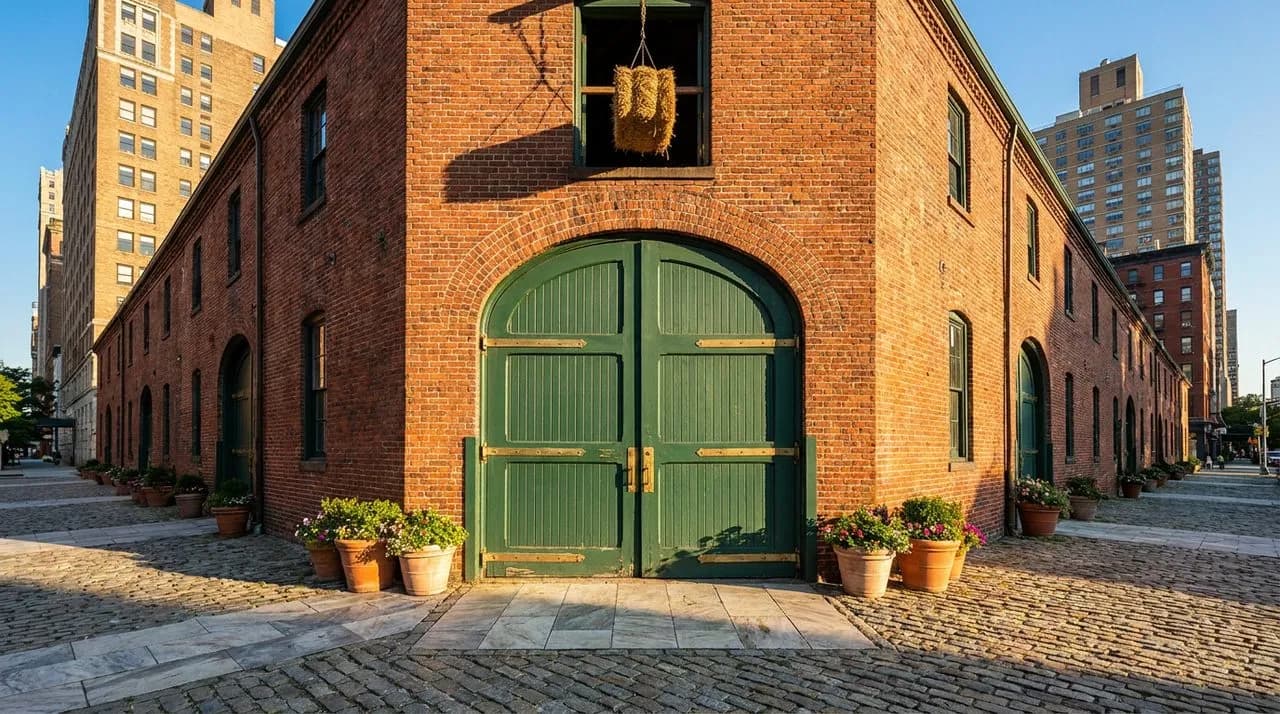
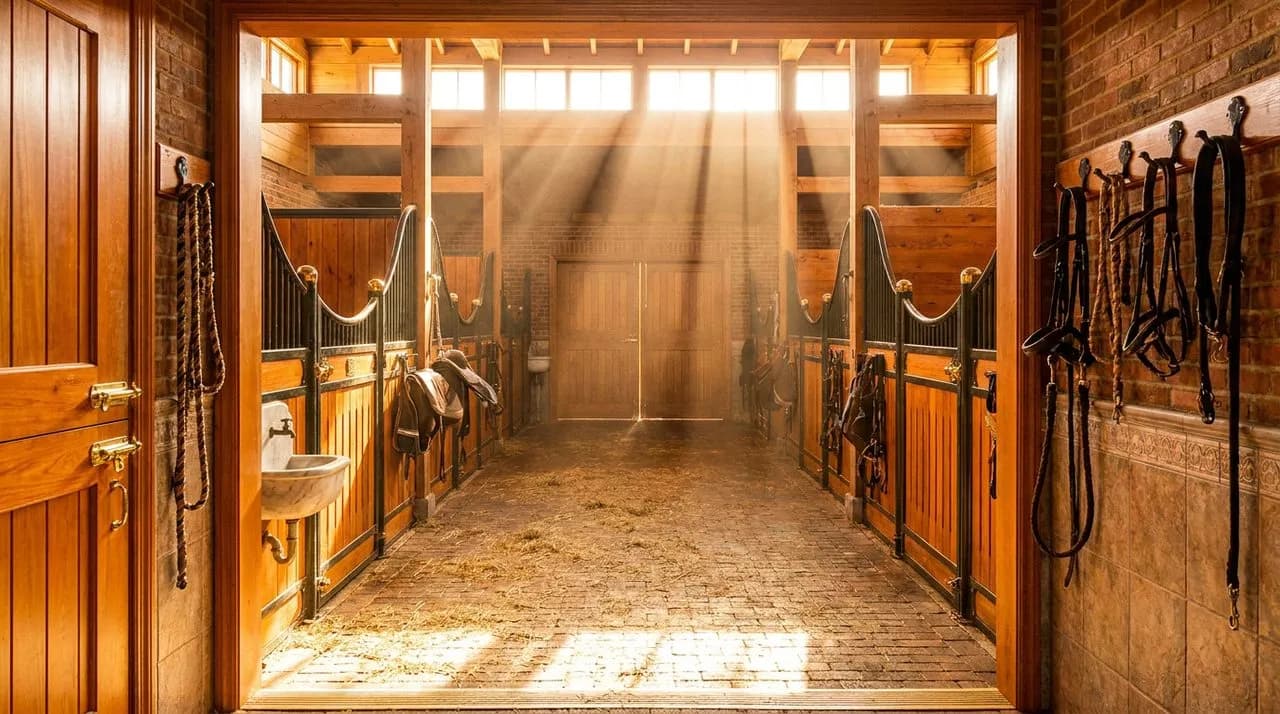
Every Tuesday and Friday morning, a semi-truck idles on 11th Avenue between 51st and 52nd Streets, unloading compressed bales of timothy hay while Midtown commuters stream past toward the 50th Street subway station. The driver backs into a narrow alley that smells faintly of manure and leather, depositing his cargo at Clinton Park Stables—one of the last working horse facilities in Manhattan. Most passersby assume the warehouse-style building houses film equipment or restaurant supplies. Few realize that behind its unmarked steel door, twenty-three horses live full-time in Hell's Kitchen.
Clinton Park has occupied this block since 1972, grandfathered under a zoning variance that predates the neighborhood's transformation into a forest of glass residential towers. The stable's lease, inherited through three ownership changes, remains valid until 2031—though the landlord has made no secret of plans to redevelop the site into luxury condominiums the moment that contract expires. For now, the horses stay, their presence a living anachronism in a neighborhood where studio apartments rent for $4,200 a month.
Manhattan Secrets: The Zoning Loopholes That Keep Them Alive
New York City's zoning code contains a peculiar provision dating to 1961: any structure housing horses before the code's adoption can continue operations indefinitely, provided the use remains continuous. Clinton Park qualifies. So does the Chateau Stables on West 48th Street, which boards twelve private horses for owners who trailer in from Westchester and Connecticut. The West Side Livery on 10th Avenue—technically a carriage staging facility rather than a full stable—also benefits from this grandfather clause, though it now shares its block with a Whole Foods and a SoulCycle.
The loophole has survived multiple attempts at closure. In 2019, City Council members from District 3 proposed amendments that would phase out equestrian uses in residential zones, citing concerns about waste management and traffic. The bill died in committee after preservation advocates argued that the stables represent irreplaceable cultural heritage. A second push in 2024 met similar resistance, this time from an unlikely coalition of horse owners, carriage drivers, and Hell's Kitchen historians who pointed out that the neighborhood's name itself derives from its 19th-century stables and slaughterhouses.
The Central Park Carriage Question
Clinton Park supplies horses to three of the eleven carriage operators still licensed to work Central Park's southern loop. Each morning around 7:30 a.m., handlers walk the animals east along 52nd Street to their staging area at Central Park South and 7th Avenue—a fifteen-minute journey that requires crossing six traffic-choked intersections. The sight of a Belgian draft horse waiting for the light at 8th Avenue, surrounded by taxis and delivery vans, encapsulates the absurdity of hidden NYC equestrian life in 2026.
The carriage trade remains contentious. Animal welfare groups have lobbied for a full ban since 2014, arguing that horses have no place in urban traffic. Operators counter that their industry employs 150 people and provides a tourist experience that generates $17 million annually. The current compromise—established in 2018 and renewed in 2023—limits carriage operations to park drives and designated pickup zones, prohibits work above 80°F, and mandates annual veterinary inspections. Clinton Park's horses pass these inspections consistently, though critics note that the stable's indoor space per animal falls below standards recommended by the American Association of Equine Practitioners.
Neighbors: From Hostility to Grudging Acceptance
When luxury developer Extell completed its 51st Street tower in 2022, new residents immediately began filing noise complaints about early-morning horse activity. The building's tenant association circulated a petition demanding Clinton Park's closure, citing the smell of hay and manure wafting into ground-floor units. The stable's manager responded by installing industrial air scrubbers and shifting feed delivery to 6 a.m.—before most residents wake—but tensions persisted through 2024.
By 2025, attitudes had softened. A profile in the Hell's Kitchen Neighborhood Association newsletter reframed the stable as a quirky asset, a talking point that distinguished the area from indistinguishable luxury corridors in Long Island City or Downtown Brooklyn. Parents from the nearby P.S. 111 began bringing children to visit the horses on weekends, and Clinton Park's owner started offering $40 grooming sessions that sell out weeks in advance. The transformation mirrors a broader pattern in gentrifying neighborhoods, where industrial remnants transition from nuisances to nostalgia objects once they become rare enough.
The West Side Riding Academy Holdouts
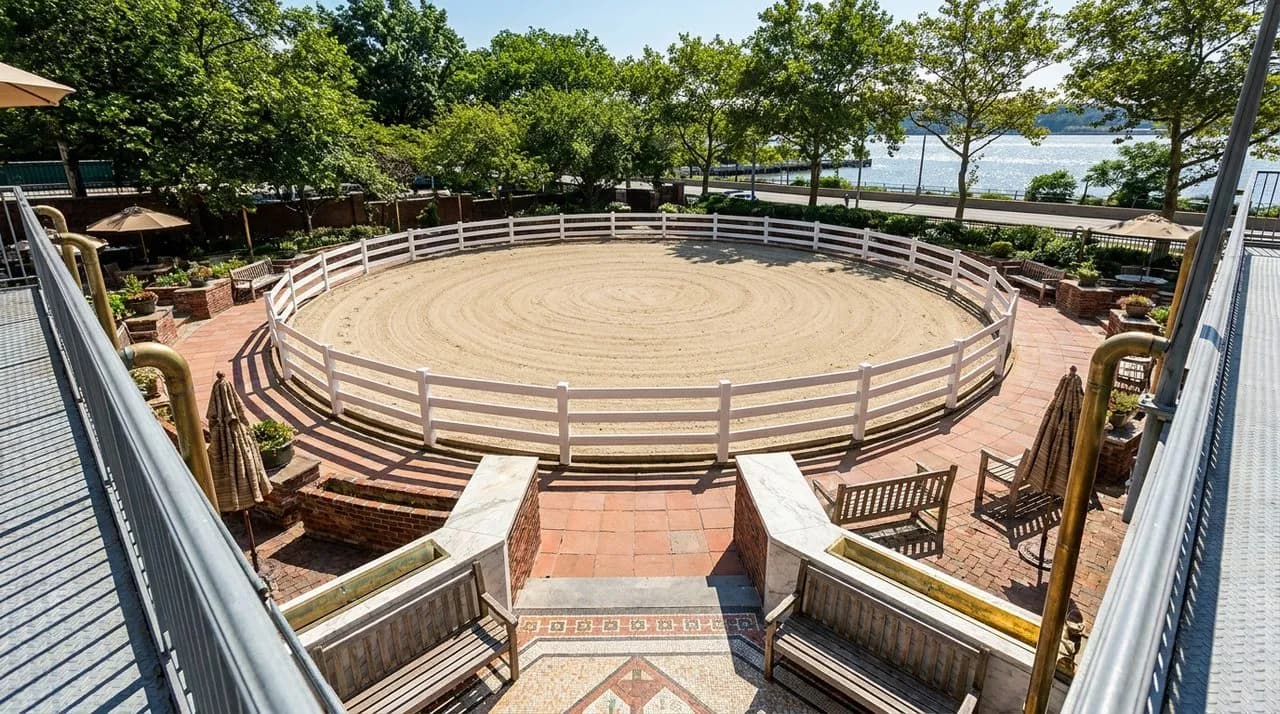
A mile north, the West Side Riding Academy occupies a five-story former warehouse at West 89th Street and Amsterdam Avenue. Founded in 1922, it once housed sixty horses and offered riding lessons to Upper West Side families. Today, the academy operates at a quarter of its original capacity, maintaining fifteen school horses and a rotating roster of ten boarders. Its indoor arena—a rarity in Manhattan—attracts serious equestrians willing to pay $350 per hour for private lessons.
The academy's survival depends on a unique ownership structure: the building is held by a family trust established in 1961, insulating it from market pressures that have claimed every other Manhattan riding facility. The last comparable stable, Claremont Riding Academy on West 89th Street, closed in 2007 and was converted into condominiums. West Side Riding Academy's trustees have rebuffed multiple eight-figure purchase offers, maintaining that the facility serves an educational mission that transcends real estate economics. Whether that philosophy survives the current generation of trustees—the youngest is seventy-two—remains uncertain.
Practical Notes for the Curious
Visiting Manhattan's horse stables requires patience and respect for working facilities. Clinton Park does not welcome walk-ins but offers scheduled tours on the second Saturday of each month; reservations open four weeks in advance and fill within hours. The West Side Riding Academy accepts new students year-round, though wait times for group lessons currently extend to six months. Central Park carriage rides remain available daily at the Grand Army Plaza staging area, weather permitting.
For those interested in the broader context of urban equestrian life, the New York City Department of City Planning maintains zoning maps that identify all grandfathered animal facilities. The Museum of the City of New York's permanent collection includes photographs of Hell's Kitchen's horse-drawn era, when the neighborhood supported more than forty stables. These artifacts provide useful perspective on how thoroughly the city has transformed—and how remarkable it is that any horses remain at all.
- Clinton Park Stables: West 52nd Street between 11th and 12th Avenues; monthly tours by reservation only
- West Side Riding Academy: 89th Street and Amsterdam Avenue; lessons available to members and enrolled students
- Central Park carriage staging: Central Park South at Grand Army Plaza; operations daily except extreme weather
- Chateau Stables: West 48th Street near 10th Avenue; private boarding facility, no public access
- NYC Planning zoning maps: Available at nyc.gov/planning for researching grandfathered uses
What Happens After 2031?
Clinton Park's lease expiration looms as an existential deadline for Manhattan's equestrian community. The stable's owner has explored relocating to the Bronx or Queens, but neither borough offers the same access to Central Park carriage routes. Some carriage operators have begun shifting horses to facilities in New Jersey, accepting the logistical burden of daily trailering in exchange for long-term stability. Others advocate for a city-funded stable near the park, modeled on the municipal facilities that serve NYPD mounted units—though no such proposal has gained traction in budget discussions.
The most likely outcome is a managed decline: as leases expire and owners retire, Manhattan's horse population will dwindle to a symbolic remnant maintained primarily for tourist carriages. The West Side Riding Academy may survive as a solitary exception, protected by its trust structure but increasingly isolated. By 2035, morning hay deliveries on 11th Avenue may be as unimaginable as the neighborhood's pre-war slaughterhouses. For now, though, the horses remain—improbable, anachronistic, and stubbornly alive in a city that has no logical reason to accommodate them.
Sources consulted: NYC Department of City Planning – Zoning and Land Use · NYC Parks – Central Park Carriage Information · Museum of the City of New York – Historical Collections · City of New York – Official Portal · West Side Rag – Neighborhood News and History
All trademarks are the property of their respective owners.