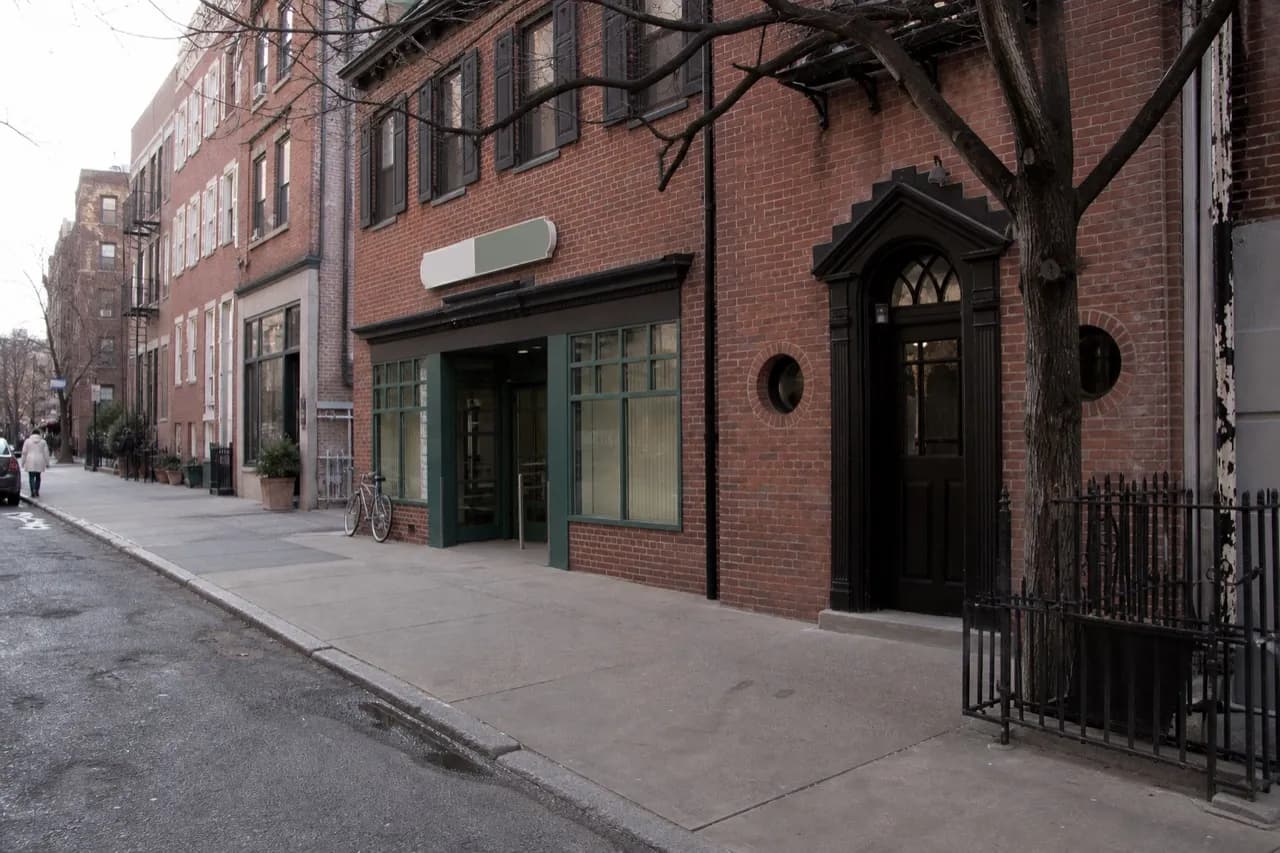
The last show at the Minetta Lane Theatre lets out a little before eleven. The restaurant tables have mostly turned twice. And while the rest of the city's retail shutters are rolling down, a few independent shops along Bleecker and Carmine streets stay open later than usual, their warm light spilling onto sidewalks still busy with people who aren't ready to go home. No author readings, no wine-and-cheese openings—just the particular pleasure of browsing floor-to-ceiling shelves when the rest of the world has clocked out.
The appeal of after-hours browsing
There's something fundamentally different about a bookstore at midnight. The daytime crowds have thinned. The tourists consulting Google Maps have wandered off. What remains are the committed night owls: the waiters still wired from the dinner shift, the insomniacs who've given up on sleep, the couples stretching out a good date, the solitary readers who find the late hour gives them permission to linger. The staff at these three shops have learned to read the room—they'll answer questions if you catch their eye, but mostly they let you alone.
It's retail as refuge rather than destination. You don't come here because you need a specific title by morning. You come because the subway's still running for another hour, because your apartment feels too small, because the algorithms have worn you out and you want to be surprised by a spine you hadn't thought to search for. The extended hours aren't a gimmick; they're an acknowledgment that some of us do our best thinking after dark, and that a bookstore can be as much about the atmosphere as the inventory.
What to expect inside
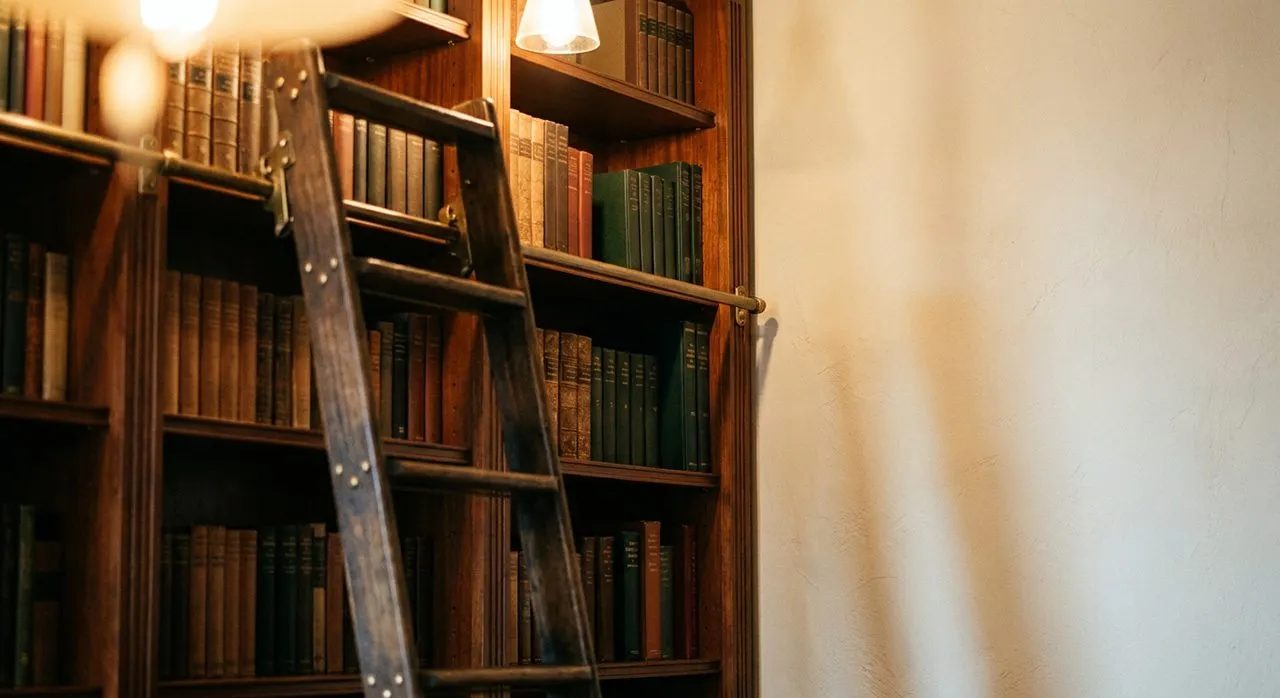
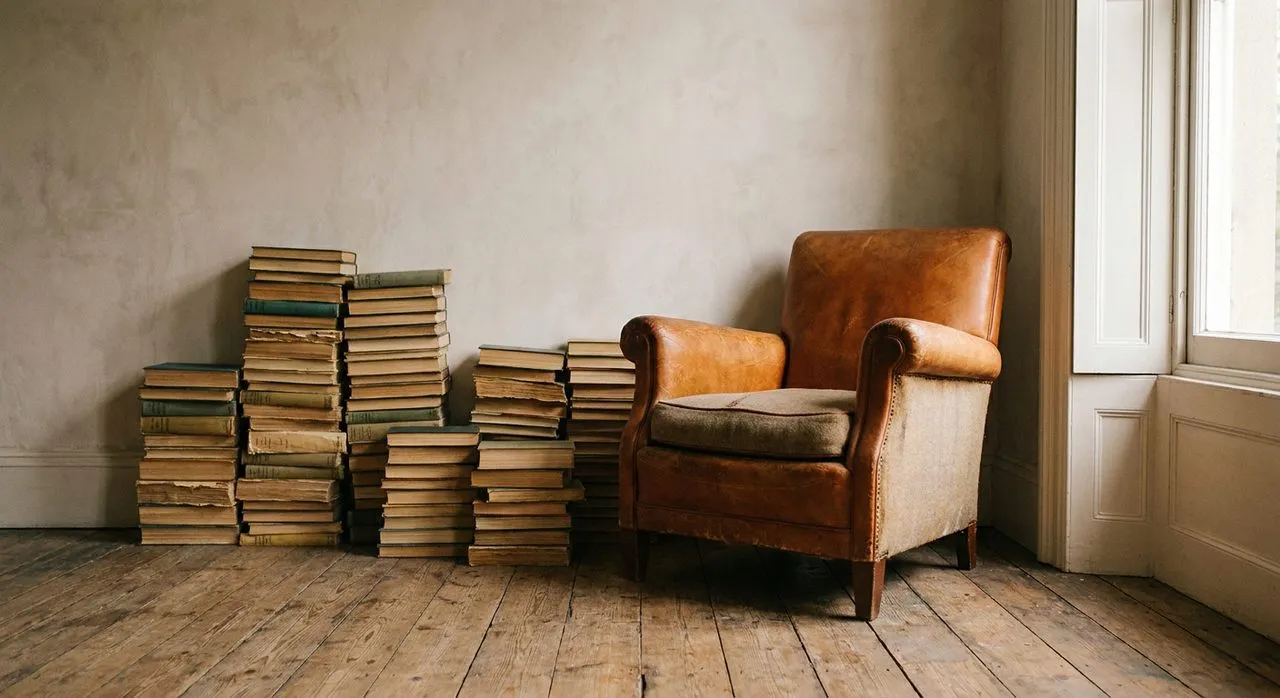
All three shops share a certain aesthetic DNA. Creaky wooden floors that announce your movements. Shelves packed tight enough that you have to turn books sideways to slide them out. The smell of old paper and binding glue, with occasional notes of coffee or, in one case, cat. These aren't curated concept stores with Scandinavian furniture and succulents; they're working bookshops that have simply chosen to keep working into the small hours. Fluorescent fixtures mix with warmer lamps. Step stools lean in corners. The poetry section invariably occupies the least commercial real estate.
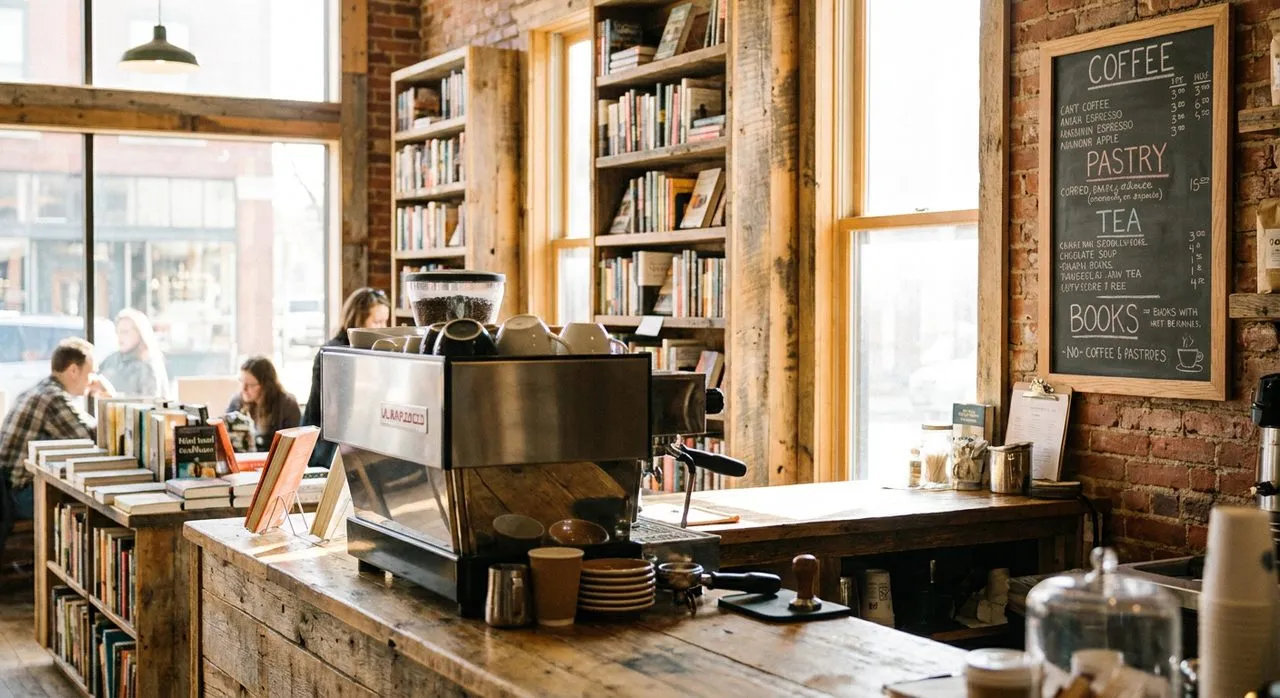
One of the Bleecker Street spots has a backroom espresso machine that the staff will fire up if you ask nicely—thick, bitter shots in paper cups, nothing fancy, just fuel. Another place has a cat, a substantial tabby that has claimed the mystery section as its evening territory and will tolerate exactly one chin scratch before relocating. The Carmine Street shop skews heavier toward philosophy and remaindered art books, the kind of oversized volumes on Brutalist architecture or 1970s concert posters that never quite found their audience at full price. The tables at the front hold new releases, but the real treasures are deeper in, where the organization system makes sense only to the people who shelved the books.
The weekend-night clientele
By eleven-thirty on a Friday in late May, the mix is eclectic. A pair of NYU students sprawled on the floor with a stack of plays. A woman in chef's clogs, stage makeup not quite removed, scanning the fiction. Someone's boyfriend waiting with visible patience near the door while his partner disappears into the essay section. An older man who's clearly a regular, nodding to the clerk, heading straight for the history shelves in back. Nobody's rushing. Several people are holding books they're obviously not going to buy, reading entire chapters standing up, and no one minds.
The post-theater crowd tends to arrive in waves, still buzzing with the energy of whatever they've just seen, looking for something to extend the evening. They're not always buyers—sometimes they're just browsers killing time until the late train—but they add a certain warmth to the space, a reminder that the city is still awake and engaged. The bookstores absorb them easily. There's room for everyone: the purposeful and the aimless, the scholars and the dilettantes, the people who know exactly what they want and the ones hoping to be surprised.
Why these shops stay open late
The decision to keep the lights on past midnight isn't purely romantic. There's a business case, however modest. The rent is what it is whether you close at nine or at one, and the weekend night shift captures customers who can't or won't shop during conventional hours. But talk to the staff and you'll hear something beyond the spreadsheet: a belief that the city benefits from having third places open late, spaces that aren't bars or diners, where you can exist without buying anything immediately, where the transaction is optional and unhurried.
It's also become a point of neighborhood identity. Greenwich Village has lost plenty of its bohemian infrastructure over the decades—the cheap apartments, the smoky clubs, the scrappy theaters. What remains are gestures, and keeping a bookstore open until the subway stops running feels like one of them. A small assertion that not everything has to close at ten, that commerce and culture can coexist without one devouring the other, that a city neighborhood can still surprise you if you're out late enough to notice.
What you won't find
No readings. No signings. No tote bags or bookish merchandise beyond the occasional bookmark. No café seating, no wine bar, no ambient playlist curated to within an inch of its life. These shops have resisted the pressure to become lifestyle destinations. They sell books, and they sell them late, and that's the entirety of the concept. If you want event programming, plenty of other stores offer it—during daylight hours, with advance registration and email reminders.
What these three spots provide instead is something increasingly rare: unstructured time in a space designed for quiet commerce. You're not expected to perform your love of reading for an audience. You're not interrupting a book club or a panel discussion. You're just a person in a store, alone or with someone, turning pages or not, staying five minutes or fifty, spending money or spending time. The lack of programming is the point. The emptiness is the amenity.
Practical notes
The bookstores are in Greenwich Village within a few blocks of one another Nearby subway stops include Christopher Street–Sheridan Square and West Fourth Street Street parking is predictably difficult; if you're driving, budget time to circle or use a garage on Sixth Avenue. Extended hours—until 1 a.m.—run Friday and Saturday nights; standard evening closings (nine or ten p.m.) apply other days, though it's worth calling ahead to confirm, especially around holidays. All three shops are small and densely packed; expect narrow aisles and stairs without elevators in at least two locations. Bring cash if you plan to tip for that backroom espresso, though cards are accepted for book purchases. And bring time—these aren't places to rush.
Tags: #LateNightNYC #GreenwichVillage #NYCBookstores #TheOddEdit #MidnightReading #IndependentBookshops #VillageNights #BookstoreCulture #PostTheaterNYC #InsomniacLife #NYCNightOwls #CityAfterDark #May2026 #QuietCommerce #LiteraryNYC
Sources consulted: Greenwich Village · Independent Bookstores · NYC Greenwich Village · NYC Bookstores Guide · NY Times - New York
All trademarks are the property of their respective owners.