 Soccer Bar Near Me: Midtown's Basement Room For Early Kickoffs
Watch Parties
NYC Concerts This Fall: Big Tours With Tickets Still Left
Major arena and theater tours are still selling tickets through November, and the best subway lines run late enough to get you home.
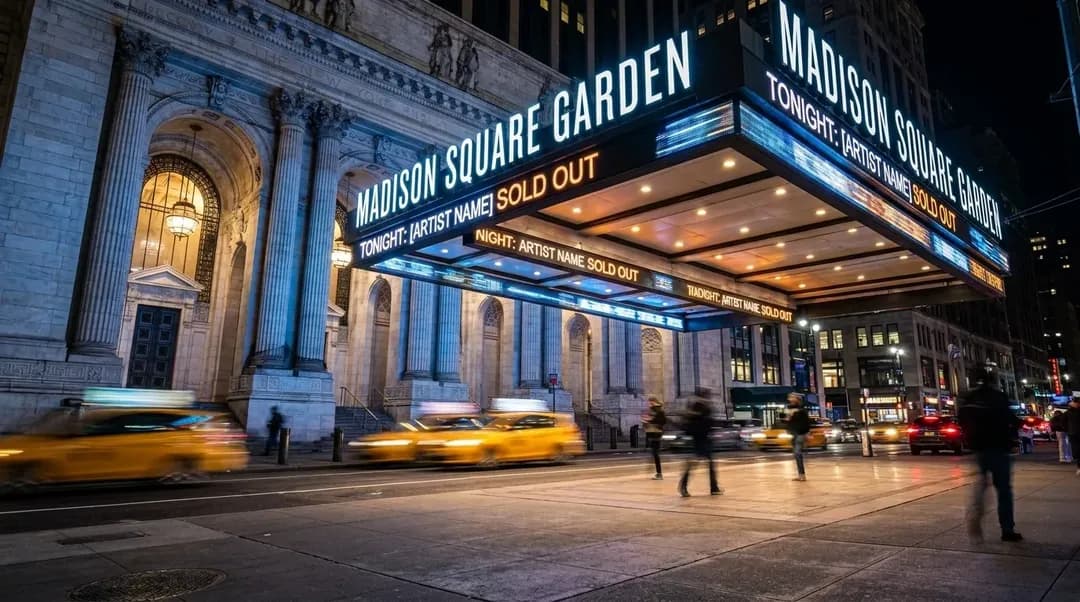
Madison Square Garden added a third show the same week Barclays announced a makeup date, and suddenly September looked less impossible. The big fall tours—the kind that route through a dozen cities and book arenas months ahead—are still releasing holds and opening upper sections through November. That doesn't mean nosebleeds in the rafters; it means production crews finalized stage sightlines late, and venues are now confident they can sell another block. You're not hunting for resale markups or standing behind a column. You're buying a ticket the venue always planned to sell, just later.
Text Karpo now for a live route to any venue tonight, plus a backup plan if your first-choice show is sold out or the L train decides to skip your stop.
Why Fall Tours Still Have Inventory in a Sold-Out City
New York gets more tour stops than most cities, but it also gets more people refreshing Ticketmaster at presale. The result is a strange middle ground: headliners sell out their first date fast, then quietly add second and third nights with less fanfare. By mid-September, those added shows still have face-value tickets because the initial wave of buyers already locked in Friday, and casual fans don't realize Wednesday exists. Check venue pages directly—not resale platforms—and filter by weeknight dates. The big concerts are happening; they're just happening on a Tuesday.
Which Venues Still Have Real Availability
Madison Square Garden, Barclays Center, and Radio City Music Hall all run fall tours with tickets still left for major acts. MSG tends to add shows in clusters, so if Saturday sold out in June, check if they added a Thursday in August. Barclays does the same but leans harder on Sunday-night dates, which can be a gift or a problem depending on your Monday morning. Radio City seats fewer people and books legacy acts that draw an older crowd; those shows move slower at first, then vanish the week before when someone's aunt decides to come in from Westchester.
The midsize rooms—Terminal 5, Brooklyn Steel, Avant Gardner—are trickier. They announce tours later and sell faster because capacity is smaller and the crowd skews younger. But they also release day-of-show tickets when holds expire, especially for weeknight dates. If you're flexible and can get to Williamsburg or Bushwick on short notice, set an alert for the afternoon before. The big outdoor venues—Forest Hills Stadium, Pier 17—close for the season by late October, so anything still on sale there is September or early October, and weather becomes part of the plan.
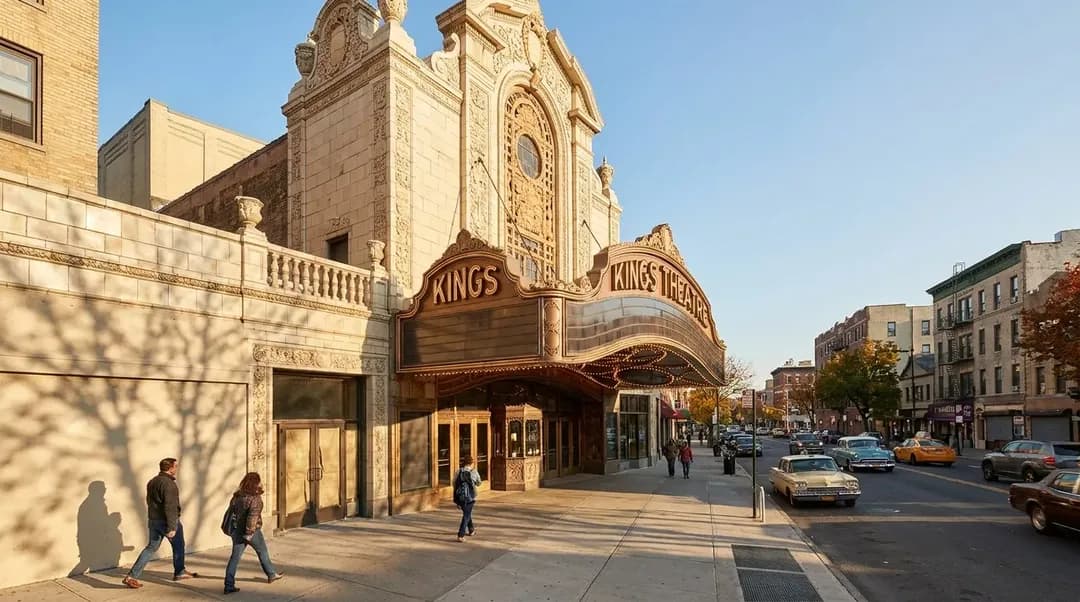
For seated theaters like Beacon Theatre or Kings Theatre, check the side orchestra and rear mezzanine sections midweek. Those seats don't move during presale because everyone wants center floor, but they're often better for sound and sightlines once you're actually in the room. Kings Theatre in Flatbush is especially worth the trip if you've never been—it's a restored 1929 movie palace with good acoustics and a straightforward subway ride on the 2 or 5. The neighborhood around it is residential and quiet after dark, which means you're not fighting bar crowds on your way out.
Booking the Ticket and the Train in the Same Sitting
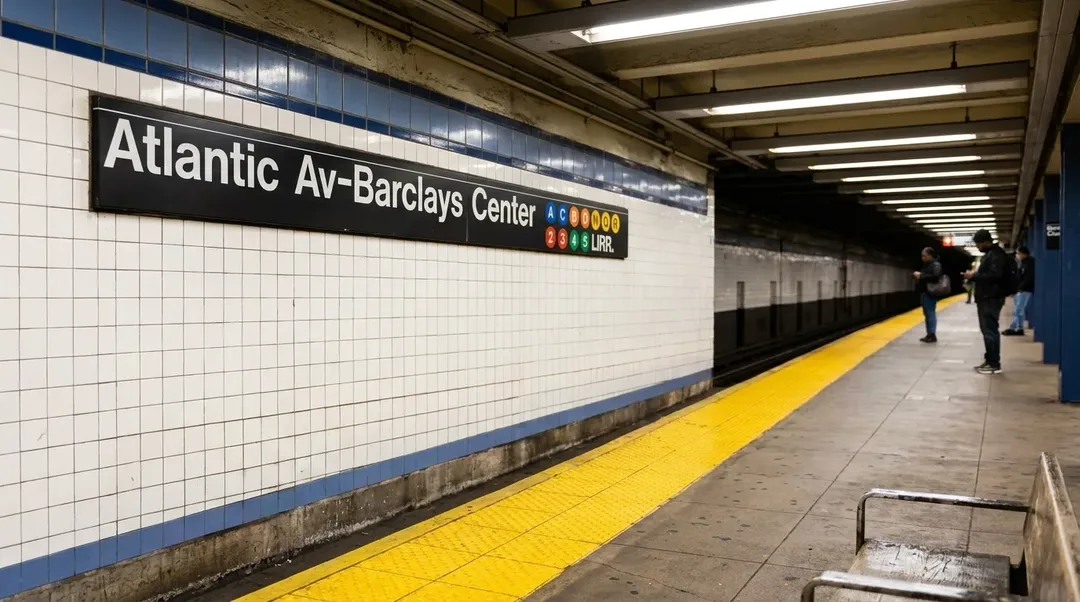
Once you have a date, pull up the venue address and your subway map before you buy. MSG sits on top of Penn Station, which is convenient until you realize Penn serves eight different lines and half of them are running weekend schedules on a weeknight. Barclays is a straight shot on the 2, 3, 4, 5, B, D, N, Q, or R, but the Atlantic Avenue complex is a maze of transfers, and if you're coming from Crown Heights, the 2 or 3 will get you there faster than anything that makes you switch at Hoyt. Radio City is central—Rockefeller Center on the B, D, F, or M—but it's also Midtown, so plan for foot traffic and tourists blocking the turnstiles.
For Brooklyn Steel or Avant Gardner, the L to Morgan or Montrose is the obvious move, but the L has a long history of surprise service changes after 10 p.m. If you're coming from Manhattan, consider taking the G to Metropolitan and transferring to the L there; it adds a few minutes but keeps you in Brooklyn if the L decides to end at Lorimer. Terminal 5 is at 56th and Eleventh, which sounds like Midtown but plays like Far West Side—take the A, C, or E to 50th and walk, or take the 1 to 50th and walk west. Either way, it's a longer walk than the map suggests, and Eleventh Avenue is dark and industrial after 9 p.m.
Check the venue's set time and add two hours for encores, merch lines, and the time it takes to actually leave the building. Most big concerts end between 10:30 and 11:30 p.m., which is fine for subway service but tight if you need to transfer twice. If you're taking the LIRR or Metro-North home, confirm the last train before you buy the ticket—Penn and Grand Central both have late service, but not every line runs past midnight, and a missed connection means you're paying for a rideshare to the suburbs.
When Your First Choice Is Gone
If the show you wanted is sold out and resale prices are absurd, look at the tour routing. Most national acts play two or three Northeast stops—New York, Boston, Philadelphia—within the same week. A Tuesday show in Philly might still have tickets, and the Megabus or Amtrak from Penn Station is cheaper than a marked-up resale seat. It's not the same as seeing the show in your city, but it's the same tour, same setlist, and you're not spending $400 on a ticket that was $80 at face value.
Alternatively, check if the artist is doing a smaller club show or a late-night TV taping the same week. Artists on tour sometimes book an unannounced set at a place like Bowery Ballroom or Music Hall of Williamsburg between arena dates, and those tickets drop with almost no notice. Follow the venue's social accounts and check their calendar daily. Late-night TV tapings at 30 Rock—Fallon, Meyers—are free and feature musical guests, though you're watching a taping, not a concert, and the performance is one or two songs.
If you're willing to wait, some tours add a second leg in the spring. But if the tour is billed as a farewell or a festival exclusive, don't count on it coming back. For those, you're weighing the cost of resale against the risk of missing it entirely. That's a personal call, but if you're going to pay resale, do it through the venue's official partner or Ticketmaster's resale platform so you're not buying a fake screenshot.
Day-Of Checks That Matter More Than You Think
On the day of the show, check the venue's social media and website for set times, bag policy, and any last-minute openers or cancellations. Artists get sick, flights get delayed, and sometimes the show starts an hour earlier than originally posted. If you're planning to eat dinner first, build in extra time—most venues won't let you in after the headliner starts, even if you have a ticket.
Check subway service status an hour before you leave. Weekend and late-night service changes are common, and the MTA's own app is more current than Google Maps. If your usual line is running local or skipping stops, find your backup route now, not when you're standing on the platform. For outer-borough venues, confirm the return trip—some lines reduce frequency after 11 p.m., and a train that runs every six minutes at 8 p.m. might run every twenty minutes at midnight.
If you're driving, most big venues have nearby parking garages, but they fill up fast and charge $40 or more for event parking. Street parking near MSG or Barclays is nearly impossible, and the neighborhoods around Brooklyn Steel and Avant Gardner have residential permit zones that ticket aggressively. Factor in the cost and time of parking when you're deciding whether to take the subway. And if you're planning to drink at the show, plan your ride home before you go—subway, rideshare, or a friend who's staying sober. Late-night service is reliable but not instant, and you don't want to be making transit decisions after last call.
Practical notes
- Confirm set times and door policy on the venue's site the day of the show; openers and start times shift.
- Check MTA service status an hour before you leave; late-night and weekend schedules change without much warning.
- For Brooklyn venues, the L train is fast but prone to service changes after 10 p.m.; have a backup route ready.
- Most concerts end between 10:30 and 11:30 p.m.; if you're transferring twice or taking commuter rail, check the last train.
- If you're drinking, plan your ride home before the show—subway, rideshare, or a sober friend. Don't wait until after last call.
- Resale tickets: buy only through the venue's official partner or Ticketmaster resale to avoid counterfeits.
Tags: #karpo #nycconcerts #nycfall #concerts #livemusicnyc #madisonsquaregarden #barclayscenter #brooklynsteel #radiocitymusichall #nycsubway #crownheights #watchparties #falltoursnyc #concerttickets #nycnightlife
Sources consulted: Madison Square Garden · Barclays Center · MTA Service Status
Please drink responsibly. Must be of legal drinking age.
All trademarks are the property of their respective owners.
Ask Karpo first
Text Karpo for a live subway route to your venue tonight, including transfer times and the last train home. Ask which nearby venues still have tickets for the same week, or request a same-day alert if holds are released the afternoon before a show.
Ask Karpo for more information.
Keep reading
- Soccer Bar Near Me: Midtown's Basement Room For Early Kickoffs
 Soccer Bar Near Me in Flatiron: A Bartender's Rule for the Noise
 Soccer Bar Near Me: This West Village Cafe Fills Fast for Kickoff