 Fast Food Near Me in the East Village: Crif Dogs Deep-Fries Its Franks
Free Things to Do
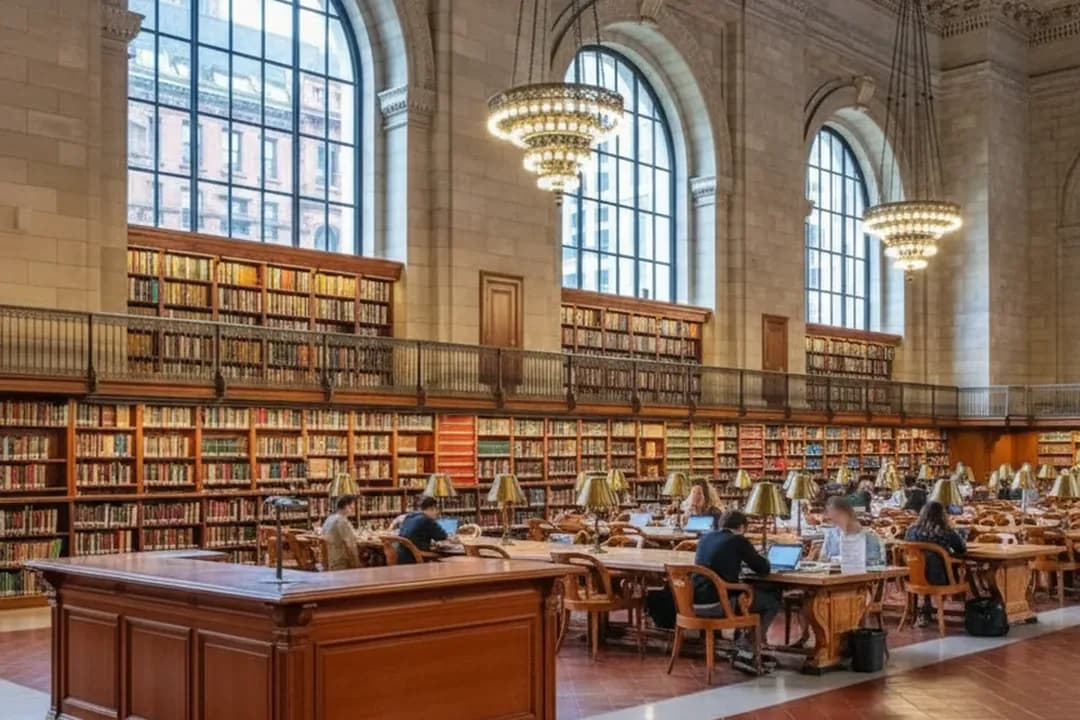
NYC Public Library Resources for Researching the Nolan Wells Case
A New York City guide to free library, archive, and law-library tools for careful case research without relying on rumor.
New Yorkers trying to understand the Nolan Wells case should start with records, not reposts. Public libraries and public research rooms can help separate confirmed documents, historical context, newspaper coverage, and legal terminology without requiring a paid database account. The useful path depends on what you are trying to verify: a court reference, an old address, a city-agency action, a newspaper mention, or a broader timeline. As of Tuesday, August 4, 2026, the most practical free route is to combine NYPL research desks, Brooklyn Public Library subject collections, NYC Department of Records tools, and public law libraries, while checking each venue’s access rules before leaving home.
Want a tighter route through New York City’s research desks? Text Karpo before you go for a click-ready library plan matched to documents, transit, and backup sources.
Stephen A. Schwarzman Building at Fifth Avenue and 42nd Street
Start at NYPL’s Stephen A. Schwarzman Building when the question is broad, historical, or still poorly defined. The flagship research center lists Fifth Avenue and 42nd Street as its address and describes free, equal access to major historical collections. Some reading rooms are open for research and quiet study without an appointment, while some collections require staff consultation or an appointment, so treat the building as a hub rather than a walk-in guarantee.
For pacing, bring a short research question, alternate spellings, dates, boroughs, and any citation you already have. The failure mode is arriving with only a name and expecting one database to solve it. Use Ask NYPL or a research consultation when the topic crosses newspapers, local history, legal terminology, and archives. Midtown renovation work may affect the visit, so confirm the day’s notices and division hours before traveling.
General Research Division in Room 315
The General Research Division is the strongest first desk for humanities and social-science context. NYPL identifies it as the central research hub at the Schwarzman Building, in Room 315, with staff support for navigating print collections, digital resources, research guides, and databases. It is listed as fully accessible, and the page includes email, phone, chat, text, and TTY contact options for people who need help before or during a visit.
This desk fits students, journalists, family researchers, and residents who need a calm way to frame a legal or historical question. Ask staff how to distinguish primary records, newspaper databases, secondary summaries, and catalog records. If a case detail cannot be confirmed in NYPL holdings, write down the negative result, the exact search terms used, and the next repository suggested. That record of verification is more useful than repeating an unconfirmed claim.
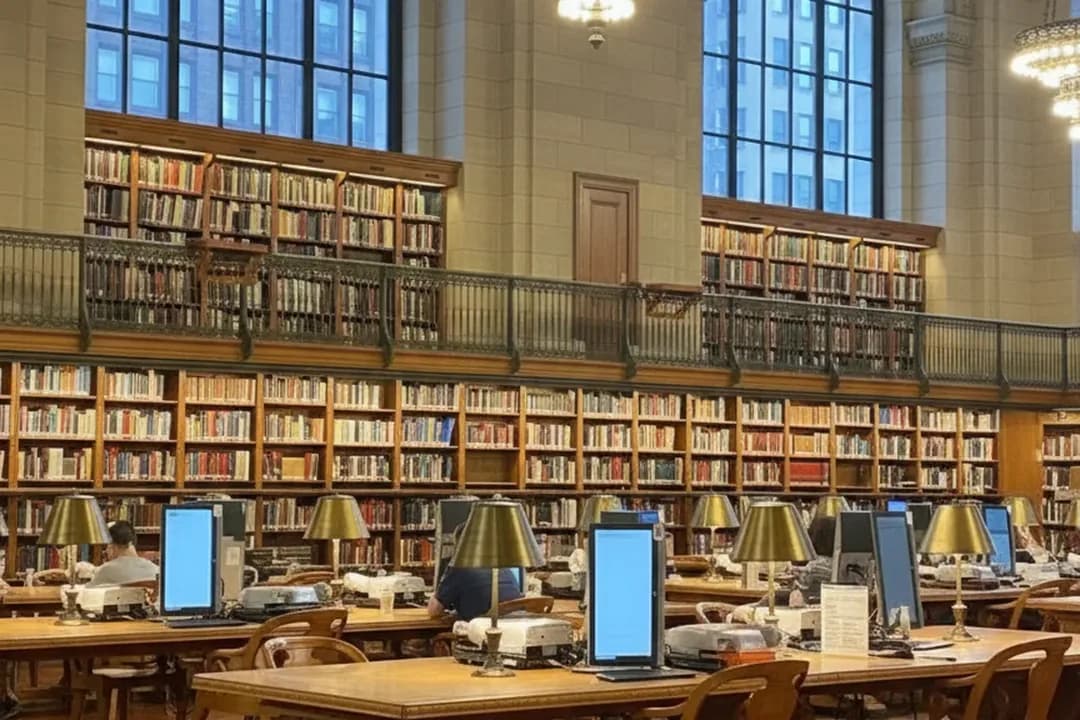
NYPL Online Resources and Database Filters
NYPL’s online resources page is worth checking before crossing town because access varies by database. The library’s current database interface lets users filter by subject, audience, language, and availability, including whether a resource is usable everywhere, at home with a library card, or only at the library. For legal research, NYPL’s listings include WestlawNext Patron Access as available only at select Library locations, so remote access should not be assumed.
Use the database page for newspaper searches, academic background, biographies, legal explainers, and historical periodicals, then save citations rather than screenshots alone. The tradeoff is that subscription tools may return abstracts, duplicate records, or inaccessible items depending on licensing. When researching the Nolan Wells case, keep a search log with exact phrases, dates searched, and databases tried. That makes it easier for a librarian to reproduce your path and spot missed collections.
NYPL Digital Collections for Maps, Photos, and Public-Domain Clues
NYPL Digital Collections is useful when the question involves places, visual records, neighborhood context, or older published materials rather than live court status. NYPL describes the platform as its main portal for digitized collections and notes that it contains more than a million items, including books, maps, manuscripts, illustrations, photos, and videos. Filters such as Available Online and Public Domain can narrow results to material you can inspect remotely.
Do not treat a digitized image or map as proof of a legal fact. Use it to verify geography, historical conditions, nearby institutions, or a source trail that points to another record. If a name search produces nothing, switch to addresses, agencies, dates, newspapers, or neighborhood terms. Accessibility is strong for remote browsing, but the limitation is coverage: digitized items are only a fraction of holdings, so a blank result is not the same as no record.
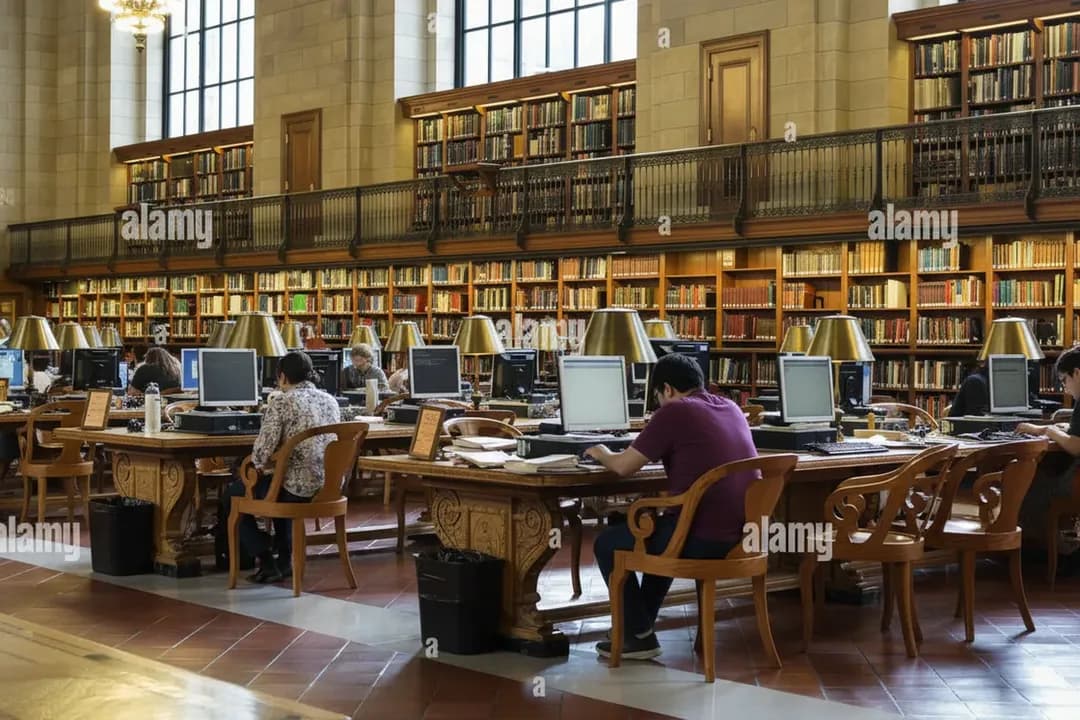
Brooklyn Public Library Central Library’s Society, Sciences and Technology Division
Brooklyn readers should consider the Society, Sciences and Technology Division at BPL’s Central Library when a case question intersects public policy, criminal justice, statutes, or government publications. BPL describes the division as covering law, social sciences, current issues, and government materials. Its holdings include New York City and New York State laws, the New York City Charter and Administrative Code, United States Code, Supreme Court decisions, and Congressional hearings.
This stop is best when you need background law, public documents, or terminology before approaching a court library. BPL’s online resource list also identifies access conditions for databases and shows that some tools are card-based, location-based, or discontinued. The main failure mode is assuming every legal form or database applies to a specific case. Use the division to understand categories and citations, then verify case-specific facts through courts, archives, or named records.
NYC Municipal Library and Archives at 31 Chambers Street
For city-government context, move from public libraries to the Department of Records and Information Services. The Municipal Library collects historical and contemporary New York City government publications, including annual reports, local laws, city charters, Council proceedings, executive orders, vertical files, and clippings. The Municipal Archives collection guides cover city records dating from 1645 to the present, and the research room at 31 Chambers Street is listed as open by appointment only.
This is the backup route when a public library database points to a city agency, municipal policy, old neighborhood record, or official publication. It is also the place to avoid guessing about city records access. Search collection guides first, then contact staff with a narrow request. If appointment availability, copying rules, or record restrictions are not clear online, make that verification your next action before scheduling transit or relying on a document for publication.
80 Centre Street and Borough Law Library Backup
When the question becomes legal authority rather than historical background, use New York State’s public access law library directory. The courts state that each county must have a law library with legal information that everyone can use, with online materials and in-building print collections varying by location. New York County Law Library is listed at 80 Centre Street, Room 242, and Brooklyn, Queens, Bronx, and Staten Island locations are listed separately.
This final check is for statutes, court rules, reported decisions, and legal research guidance, not legal advice. Before going, call the relevant law library, confirm hours, ask whether the needed database or reporter is available to the public, and verify any courthouse entry requirements. If staff cannot confirm the record path, return to NYPL or DORIS with the citation gap documented. The final action is simple: verify venue hours, access rules, and source availability the same day.
Tags: #NYC #NewYorkCity #PublicLibrary #NYPL #BrooklynPublicLibrary #MunicipalArchives #LegalResearch #HistoricalResearch #FreeThingsToDo #CivicResearch #CourtRecords #LocalHistory #AskKarpo #BeforeYouGo
All trademarks are the property of their respective owners.
Ask Karpo first
Tell Karpo your date, group size, budget, and starting point. We’ll check current access, timing, transit, and the cleanest New York City plan for Public Library before you head out.
Ask Karpo for more information.
Keep reading
- Fast Food Near Me in the East Village: Crif Dogs Deep-Fries Its Franks
 Things To Do Near Me in NYC: Riding the Roosevelt Island Tram
 Things To Do Near Me in Washington Heights: The Cloisters' Medieval Galleries