 Fort Greene Holiday Market Browsing Guide for Young Shoppers
Weekend Plans
West Village New in Town Weekend Planner: Off the Grid
New to New York? Spend your first weekend in the West Village, where crooked streets break the grid, jazz rooms fill late and Hudson piers catch the sunset.
Most newcomers spend their first week learning that Manhattan streets run in neat numbered lines. Then they walk into the West Village and the system collapses. West 4th Street crosses West 10th Street. Lanes bend, split and dead-end at tiny triangular parks. Much of the neighborhood was laid out before the grid was drawn, and it never fully gave in. That is exactly why it belongs in a new in town weekend planner. Here you learn the other half of New York, the one you navigate by landmarks, corners and instinct rather than numbers, and you finish each day on the Hudson waterfront or in a small room full of music.
Why Getting Lost Here Is the Point
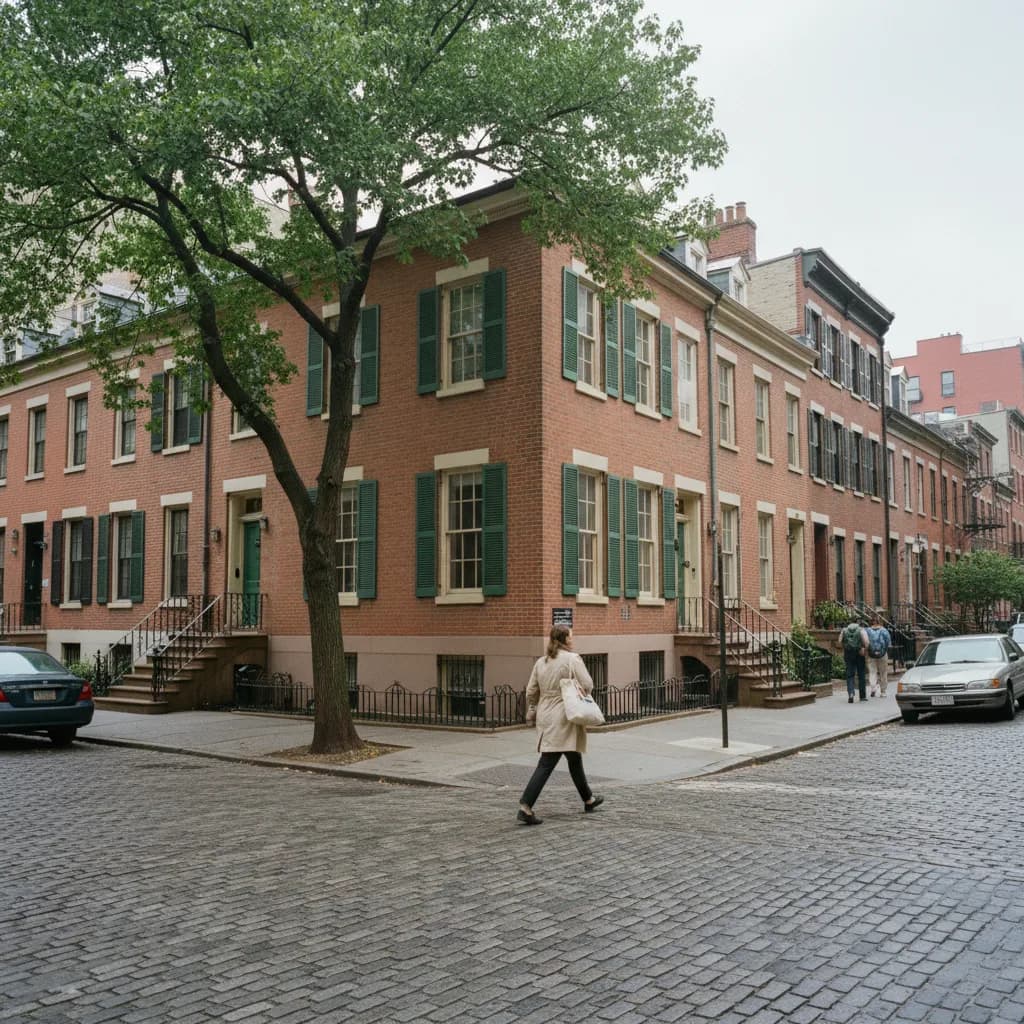
New York can make newcomers feel they always need to be efficient, with the fastest train, the shortest line and the right exit. The West Village is a place to practice the opposite. Its low brick row houses, shuttered windows and tree-lined blocks feel closer to an old town than a global city. Locals walk slowly, dogs stop at every stoop and corner cafes spill onto the sidewalk on mild days.
Put the map away for the first hour and wander. Notice the street names rather than the numbers, such as Bleecker, Bedford, Grove, Perry and Charles. Look for the hidden mews and courtyards set back from the street, the small community gardens behind iron gates and the plaques marking where writers, artists and activists once lived. Then open the map and see where you ended up. It is a surprisingly good way to learn a neighborhood.
Saturday Morning: Coffee, Pastry and a Brick-Lined Walk
Start with coffee and something baked from one of the neighborhood's many small cafes, then walk west along the quieter residential blocks between Hudson Street and the river. On weekend mornings these streets are calm, with residents out for groceries and runners heading toward the water. It is the best time to admire the architecture without crowds, and to spot the details that make these blocks special, such as carved doorways, old gas lamps and window boxes overflowing with flowers.
An honest tip: avoid joining the long brunch queues outside the most famous restaurants. Some of them do not take reservations and the wait can stretch for well over an hour. Grab a pastry and eat it on a bench instead, and save the sit-down meal for a weekday evening when you can walk in.
Saturday Afternoon: History on Christopher Street
Spend part of the afternoon around Christopher Street and Sheridan Square. The Stonewall National Monument and the small park opposite mark the site of the 1969 uprising that helped spark the modern LGBTQ rights movement. Read the plaques, sit on a bench and take a moment with the history. For many people, especially those who moved to New York looking for a place to be themselves, this corner is a powerful first stop.
From there, walk east toward Sixth Avenue to see the old courthouse building with its clock tower, now a branch of the public library. If you have just arrived, this is a good time to sign up for a library card. It is free for New York residents and gives you access to books, e-books, events and even free museum passes, which is one of the city's best-kept secrets for newcomers.
Saturday Evening: Sunset on the Hudson Piers
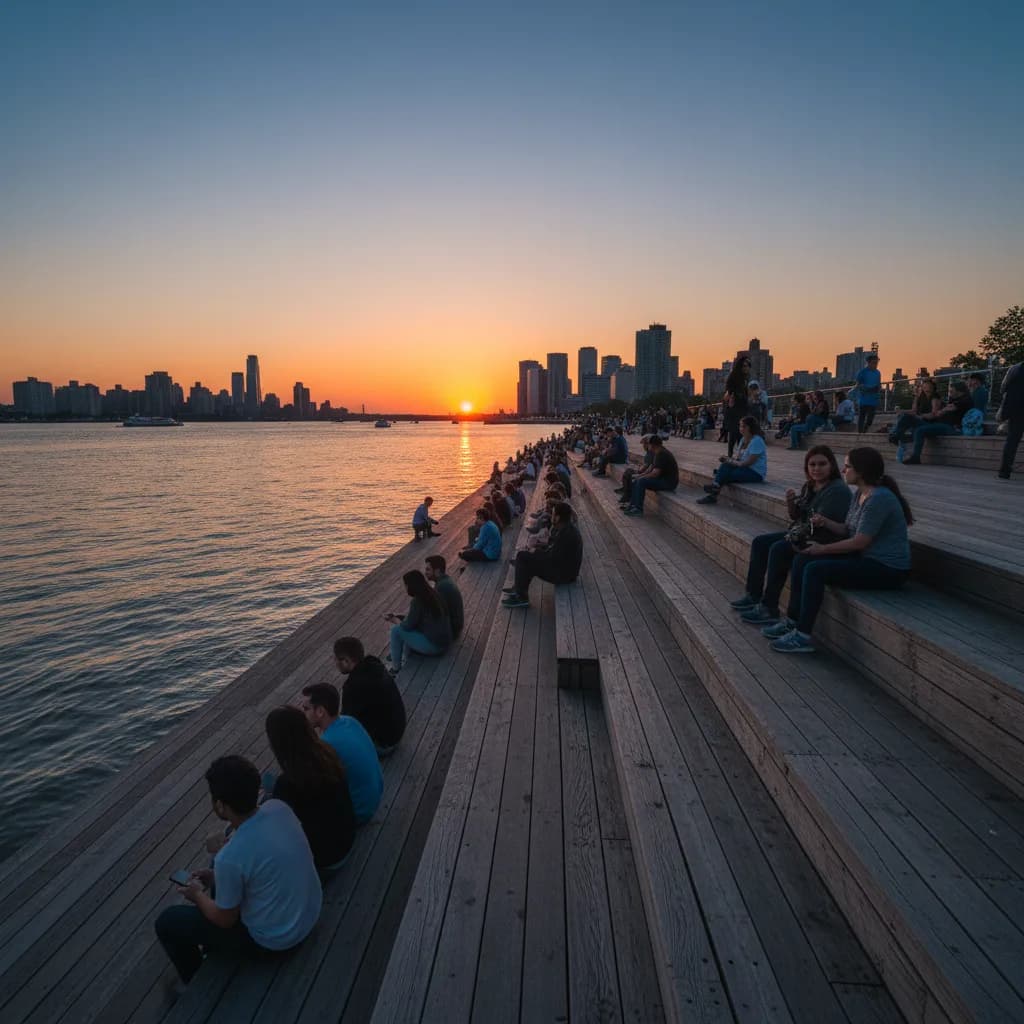
Before dark, head west to Hudson River Park. The long riverside green runs the full length of the West Village, with old piers rebuilt as lawns, sun decks and wooden steps that face the water. Find a spot on a pier and watch the sun drop behind the New Jersey skyline. On clear evenings the sky turns orange and pink, the river reflects every color and people gather quietly to watch. It is one of the most democratic sunsets in the city, and it costs nothing.
If you want a bit more spectacle, walk north along the river to the elevated park built on concrete pillars over the water, with winding paths and lookouts. Then return to the neighborhood for dinner. Many small restaurants here are tiny, with only a handful of tables, so eating early or sitting at the bar is often the easiest way to get a seat without a booking.
Saturday Night: Jazz in a Basement
The West Village has a long history as a home for jazz, and several clubs still host sets every night in low-ceilinged basements and narrow rooms. The music is the main event, not background noise, so arrive early, buy your ticket ahead if possible and expect the audience to stay quiet during the performance. Sitting a few feet from a world-class musician in a room that has hosted legends is one of the experiences that make living in New York feel extraordinary.
Sunday: Slow Mornings and Neighborhood Errands
On Sunday, take it easy. Walk to Washington Square Park on the eastern edge of the neighborhood and watch the chess players, students and street performers around the fountain. Then wander back through the quieter blocks, picking up groceries, flowers or a book from one of the independent stores. These are the errands you will repeat as a resident, so start finding the shops you like best.
By Sunday evening, you will have experienced both sides of Manhattan. The efficient grid you learned on weekdays, and the old, winding village that rewards slowing down. Knowing when to switch between the two is a big part of feeling at home in New York.
Plan the Next Weekend With Karpo
Once your first West Village weekend is done, open the Karpo APP and describe what you loved, whether it was the crooked streets, the river sunset or a late jazz set. Karpo can suggest nearby spots and neighborhoods with a similar feel, so your next weekend continues the story rather than starting over.
Practical Notes for Newcomers
Wear comfortable shoes, as many sidewalks are uneven and some blocks still have cobblestones. The 1, A, C, E, B, D, F and M trains all stop nearby, so it is easy to get in and out. Bring a light jacket for the waterfront, which is always windier. Book jazz sets in advance on weekends. And remember that the West Village is a residential neighborhood, so keep your voice down late at night on the side streets.
Ask Karpo for more information.
Keep reading
- Fort Greene Holiday Market Browsing Guide for Young Shoppers
 DUMBO Holiday Market Browsing Guide for Gifts to Mail Home
 Midtown East Holiday Market Browsing Guide for Commuters