 Fort Greene Holiday Market Browsing Guide for Young Shoppers
Weekend Plans
Upper West Side New in Town Weekend Planner: Grid and Parks
New to NYC? Spend your first weekend on the Upper West Side learning the subway and street grid, with Riverside Park and Central Park as your two calm anchors.
The hardest part of a first weekend in New York is not choosing what to do. It is working out how the city fits together. The Upper West Side is the calmest place to learn that. Its streets follow the numbered grid almost perfectly, two subway lines run straight up its spine, and it sits between two great parks, Central Park on one side and Riverside Park on the other. Treat this new in town weekend planner as an orientation course disguised as a weekend off. By Sunday night you should be able to read an address, pick the right train and know where to go when the city gets loud.
Why the Upper West Side Is a Good Classroom
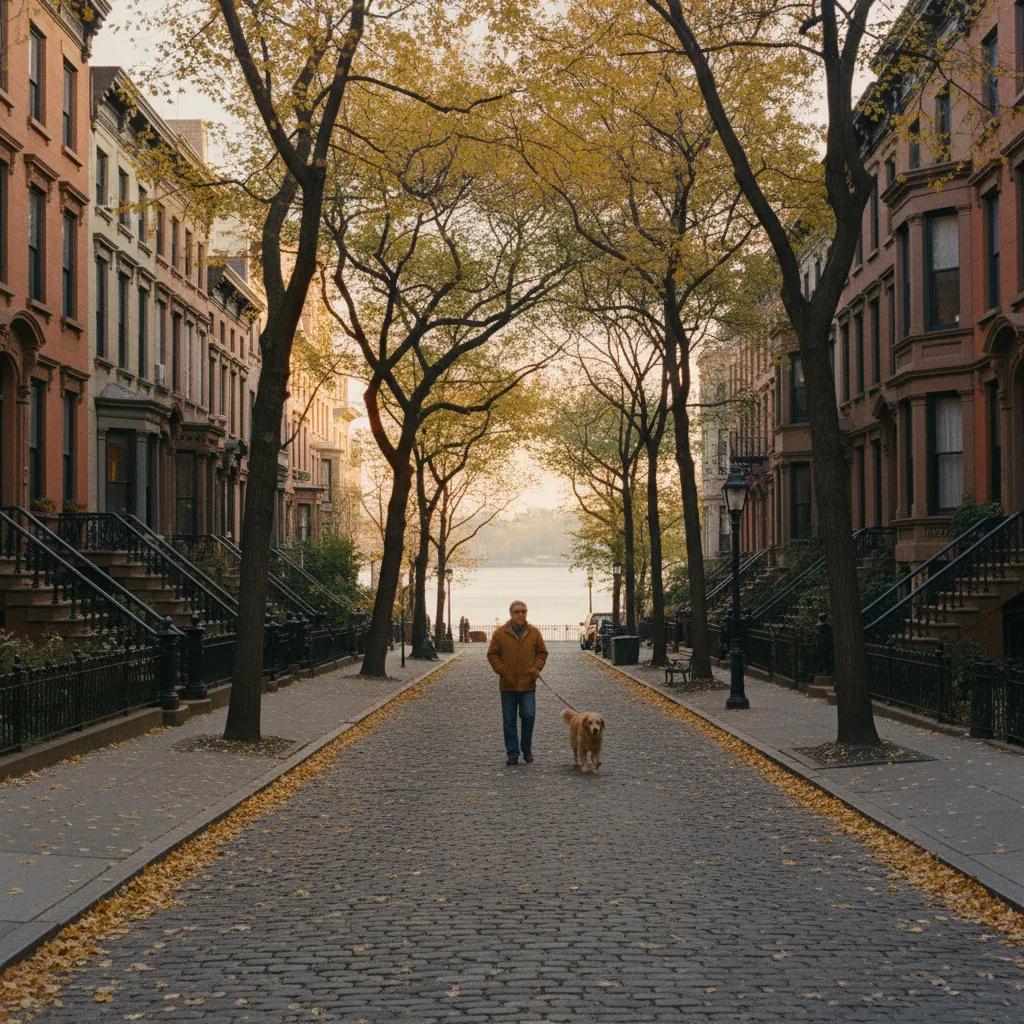
Plenty of newcomers start in Midtown and come away exhausted. Times Square and the avenues around it are a poor introduction because everything is designed to pull you in five directions at once. The Upper West Side moves at a different pace. It is mostly residential, full of prewar apartment buildings, brownstone side streets and families pushing strollers to the playground. You can stand on a corner, look at the street sign and the avenue sign, and actually think about where you are.
It also gives you a clear mental model of Manhattan. Streets run east to west and their numbers climb as you head north. Avenues run north to south. Central Park West, Columbus, Amsterdam, Broadway, West End and Riverside Drive line up like rungs, and almost every block between them takes a few minutes to cross. Once you can feel that rhythm here, the rest of the island makes much more sense.
Saturday Morning: Ride Up, Then Walk Down
Start the weekend underground. The Broadway line runs both local and express trains up the west side, and the difference between the two is the most useful thing a new New Yorker can learn. Local trains stop at every station. Express trains skip most of them and share only the bigger stops. Ride an express uptown, get off, cross the platform and ride a local back a few stops. Ten minutes of practice will save you hours of confusion over the next month.
Pay close attention to the station entrances on the street. Some are marked for uptown trains only and others for downtown only, and if you use the wrong one you may have to climb back out and cross the avenue. Look for the small sign above the stairs before you tap in. Newcomers who learn this in their first week stop looking lost on the platform almost immediately.
Then come back up and walk south along Broadway. This is the Upper West Side's main street, lined with bakeries, bagel counters, bookshops, pharmacies and the kind of produce stands that spill onto the sidewalk. Notice which corners have the grocery store, the hardware shop and the dry cleaner. You are not sightseeing here. You are building a map of the errands that will shape your weeks.
Saturday Afternoon: Central Park From the West Side
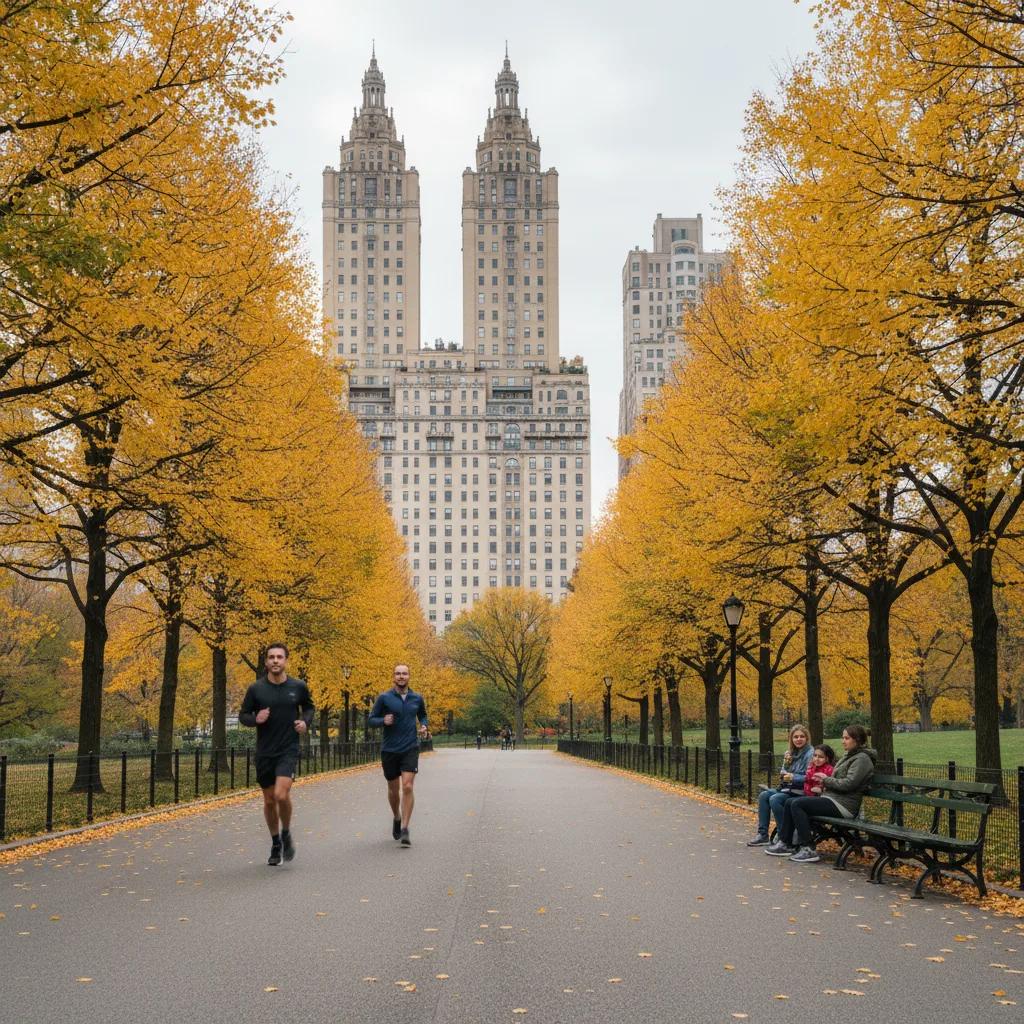
Walk east on any cross street in the seventies or eighties and you will reach Central Park West, the avenue that runs along the park's edge. Enter at whichever gate is closest and do not try to see the whole park. It is huge, and first-timers who aim for every famous landmark spend the afternoon lost on looping paths. Pick one goal instead, such as the lake, the reservoir loop or a long lawn, and let the rest wait for another weekend.
The reservoir path is a good choice if you run or want to see how locals use the park. People jog in both directions, dog walkers trade greetings and the skyline rises over the water on every side. The lawns farther south fill with picnics and frisbee games on mild days. Sit for a while, watch how the park works and remind yourself that this is your backyard now, not a tourist attraction.
If the weather turns, the big museum on the park's west side is a smart rainy-day fallback. Rather than trying to cover everything inside, choose one hall that genuinely interests you and treat the visit as a first date with the city's cultural life. You will be back many times, and there is no rush when you live twenty minutes away.
Saturday Evening: Eat Like a Neighbor
Dinner on the Upper West Side is less about hot reservations and more about the neighborhood places that regulars return to every week. Walk Amsterdam or Columbus Avenue and look for a room with a mix of couples, families and solo diners at the bar. That mix tells you the place feeds locals rather than visitors. Sit at the counter if you are alone. Bartenders here are used to newcomers asking for advice, and many will happily point you to their favorite corner store or weekend market.
Sunday: The Other Park on the Hudson
Keep Sunday for the west edge of the neighborhood. Riverside Park runs along the Hudson in long, layered terraces, with a promenade at the top and a riverside path below. It is quieter and more local than Central Park, and it is where many Upper West Siders actually spend their weekends. Walk north along the water and you will pass community gardens, dog runs, basketball courts and benches facing the New Jersey cliffs across the river.
This is a good place to think about your routines. Where would you run on a weekday morning? Which bench would you bring a book to? Which path leads back to the subway? Answering those small questions on your first Sunday turns a strange city into a home faster than any list of attractions. Late in the afternoon, the light on the river turns golden and the whole neighborhood seems to slow down.
Before you head home, stock up on bagels, coffee and fruit for the week. Picking your own neighborhood bakery and grocery on day two is a small act, but it makes Monday feel like the start of a real routine rather than another day of being a visitor.
Let Karpo Plan Your Second Weekend
When your first weekend is done, open the Karpo APP and tell it what clicked. Maybe it was the reservoir run, the bakery on your corner or the calm of Riverside Park. Karpo can suggest nearby spots and neighborhoods that match that mood, so your second weekend can push a little further downtown or across the river to Brooklyn without feeling overwhelming.
Practical Notes for Your First Weeks
Set up tap-to-pay with your bank card or phone so you can ride the subway and buses without buying a separate card. Learn your nearest local and express stops by name. Wear comfortable shoes, because walking between avenues adds up quickly. Download an offline map in case you lose signal underground, and stand to the right on escalators and stairs so faster walkers can pass. Most of all, give yourself permission to see only a little each weekend. The city is not going anywhere.
Ask Karpo for more information.
Keep reading
- Fort Greene Holiday Market Browsing Guide for Young Shoppers
 DUMBO Holiday Market Browsing Guide for Gifts to Mail Home
 Midtown East Holiday Market Browsing Guide for Commuters