 Crown Heights Rainy Day Kids Activity Finder for Toddlers
Weekend Plans
Lower East Side New in Town Weekend Planner: Arrivals Story
New to New York? Give your first weekend to the Lower East Side, where tenement history, a covered market and late music rooms show how newcomers built NYC.
If you have just moved to New York and feel like an outsider, the Lower East Side is the best place to spend your first weekend. For well over a century these few blocks south of Houston Street were where newcomers landed first. Irish, German, Jewish, Italian, Chinese, Puerto Rican and Dominican families crowded into the same tenements, opened shops on the ground floors and slowly turned a strange city into home. This new in town weekend planner uses that history as a guide. You walk where earlier arrivals walked, eat what they brought with them and end each night in the small music rooms that keep the neighborhood awake.
Start With the Story of People Like You
Begin Saturday at the tenement museum on Orchard Street. Instead of displaying objects behind glass, it walks small groups through restored apartments and tells the stories of real families who lived in them, from garment workers to shopkeepers. Guided tours are the only way inside the apartments, so book a slot online before you go and arrive a little early. For someone who has just signed a lease on a tiny apartment, seeing how a family of six lived in two rooms is humbling and oddly comforting.
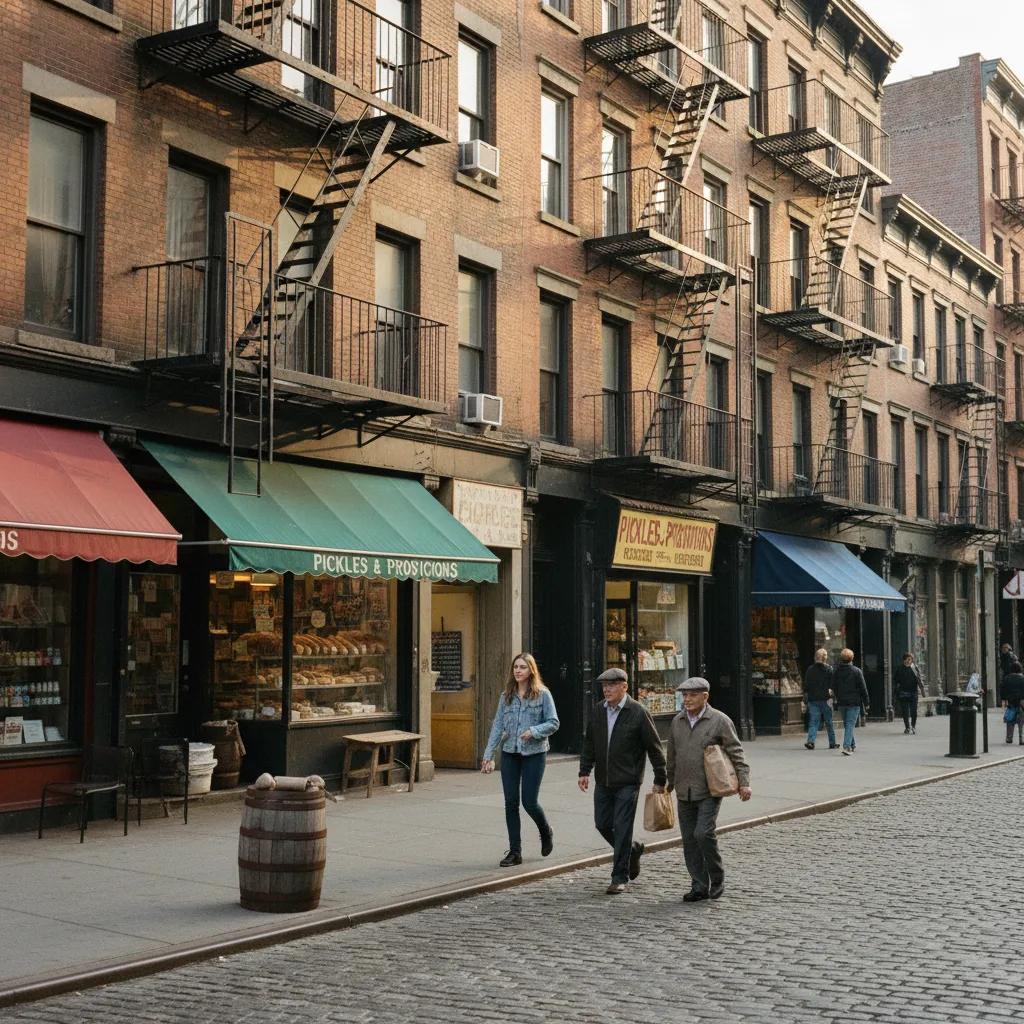
Pay attention to the details the guides point out, such as the shared toilets in the yard, the airshafts added by reform laws and the businesses run from the basement. Those changes shaped how New Yorkers still live today. When you leave, you will start noticing fire escapes, narrow stairwells and cramped storefronts everywhere, and you will understand why they look the way they do.
Saturday Midday: Eat Your Way Through the Arrivals
The neighborhood's food is its living archive. Walk Orchard, Ludlow and Essex Streets and you will pass old-school appetizing counters selling smoked fish, pickle shops with barrels by the door, bialy bakeries, Dominican lunch spots and dumpling counters that drift over from Chinatown next door. Do not plan a sit-down lunch. Instead, graze. Buy something small at three or four places and eat it on a bench or a stoop.
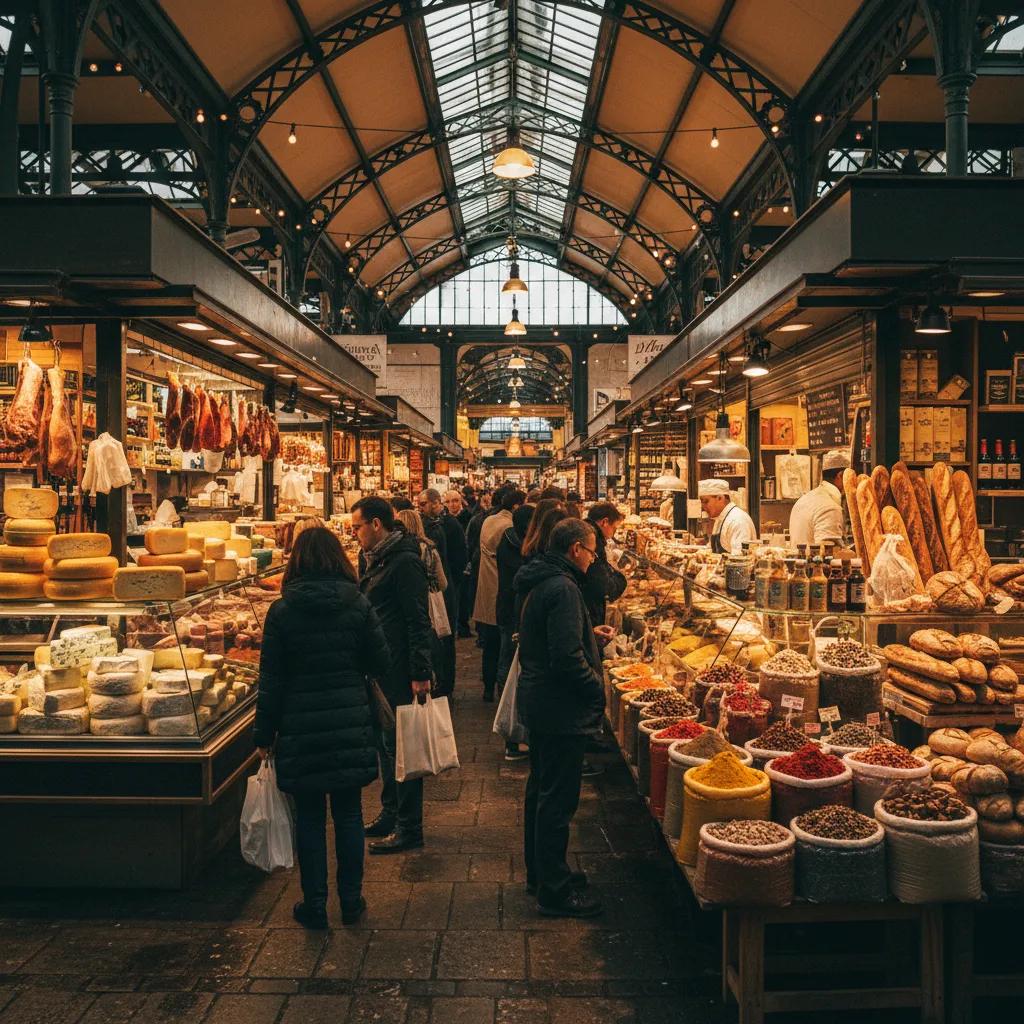
For a rainy or cold day, head to the covered public market near the Delancey Street station. It started as a city-run market to get pushcart vendors off the crowded streets, and today it houses butchers, cheesemongers, spice sellers, bakers and small food counters under one roof. It is also a practical place to learn where to buy groceries that are better than the chain supermarket. Many newcomers end up doing their weekly shop here once they discover it.
An honest tip: skip the long brunch lines that form outside the most photographed spots on weekends. The wait can stretch past an hour, and the counters a few doors away are often more interesting and far more relaxed. If you want brunch anyway, go early or turn up after the rush, when tables free up and the staff have time to chat.
Saturday Afternoon: Galleries, Gardens and a Bridge
After lunch, wander the small galleries that have filled the old storefronts over the last two decades. Most are free to enter, staff do not expect you to buy anything and nobody minds if you just look. Gallery hopping is a low-pressure way to fill an afternoon alone, and opening receptions are one of the easier ways to meet people in a city where everyone seems busy.
Then look for the neighborhood's community gardens, tucked into lots between buildings. Many were created by residents who cleared rubble from abandoned lots and planted them by hand, and they are still run by volunteers. When the gates are open, you can step inside, sit for a while and maybe talk to a gardener about how the space came to be. It is a reminder that New Yorkers shaped this neighborhood, not just developers.
Finish the afternoon by walking up onto the Williamsburg Bridge pedestrian path. You do not need to cross all the way to Brooklyn. Even halfway, the view back over the tenement rooftops and the river is the moment many people realize they actually live here now.
Saturday Night: Small Rooms, Loud Music
The Lower East Side has long been a home for live music, from punk and indie to jazz and singer-songwriter nights. Many venues are small, with standing room for only a few dozen or a couple of hundred people. Pick a show based on the listings you find online or on posters in shop windows, buy a ticket ahead if you can, and go alone if you have to. Standing in a crowded room listening to a band you have never heard of is a very New York way to stop feeling like a tourist.
Afterward, the bars along Ludlow and Orchard stay busy late. If the main strip feels too rowdy, walk a block or two east toward the quieter streets near the river, where smaller neighborhood bars draw more locals and fewer bachelor parties.
Sunday: Slow Morning and a Walk Toward Chinatown
Sunday mornings on the Lower East Side are quiet. Grab a coffee and a bialy, then walk south and west toward Seward Park, where older residents play cards and kids race around the playground. Keep going toward East Broadway and the edges of Chinatown, where bakeries, herb shops and noodle counters line the streets. This is a good moment to notice how many communities share the same few blocks, and to pick a few spots you want to come back to.
If you have family roots in any of the groups that passed through here, Sunday is a good day to look for traces of them. Old synagogues, churches and mutual aid society buildings still stand on several blocks, some turned into apartments or arts spaces and others still serving congregations. Reading a faded cornerstone or the carved name above a doorway connects your own arrival to a much longer line of people who came to New York with very little and stayed.
Plan the Next Weekend With Karpo
When you get home, open the Karpo APP and describe what you enjoyed most, whether it was the museum tour, the pickles, the galleries or a sweaty basement gig. Karpo can suggest nearby spots and other neighborhoods with a similar feel, so your second weekend builds on the first instead of starting from scratch.
Practical Notes for New Arrivals
Wear comfortable shoes, since most of this plan is on foot and the sidewalks are uneven in places. Carry a little cash for older food counters, though cards are widely accepted. Book museum tours and popular shows in advance. Keep an eye on your bag in crowded bars late at night, and use the F, J, M and Z trains to get in and out quickly. Above all, talk to people. Shopkeepers here have been welcoming newcomers for generations.
Ask Karpo for more information.
Keep reading
- Crown Heights Rainy Day Kids Activity Finder for Toddlers
 Jackson Heights Rainy Day Kids Activity Finder for Siblings
 Lower East Side Rainy Day Kids Activity Finder by Stroller