There's something faintly anachronistic about neon in 2026—the hiss of the transformer, the warm buzz that feels like it belongs to a different century. Yet here in Long Island City, where warehouses still outnumber condos by a comfortable margin, the craft is thriving. A small cohort of artists and fabricators has turned this corner of Queens into an unlikely hub for the medium, offering workshops that let you try your hand at tube-bending, electrode-sealing, and the alchemical thrill of watching inert gas bloom into color. June's lengthening daylight makes the workshops particularly satisfying: you arrive in sunshine, leave at dusk, and your handiwork glows all the brighter against the violet sky.
Why neon, why now
Neon never quite disappeared, but it spent a few decades in aesthetic purgatory—too kitschy for galleries, too fragile for most signage budgets. LEDs were supposed to finish it off. Instead, the medium found a second wind as folk art, as sculpture, as a way to make language physical. The people teaching neon sign workshop nyc classes today tend to come from fine-art backgrounds or from families that ran old-school sign shops in the Bronx or Brooklyn. They speak about the material with a mixture of reverence and pragmatism: glass is unforgiving, but it rewards attention.
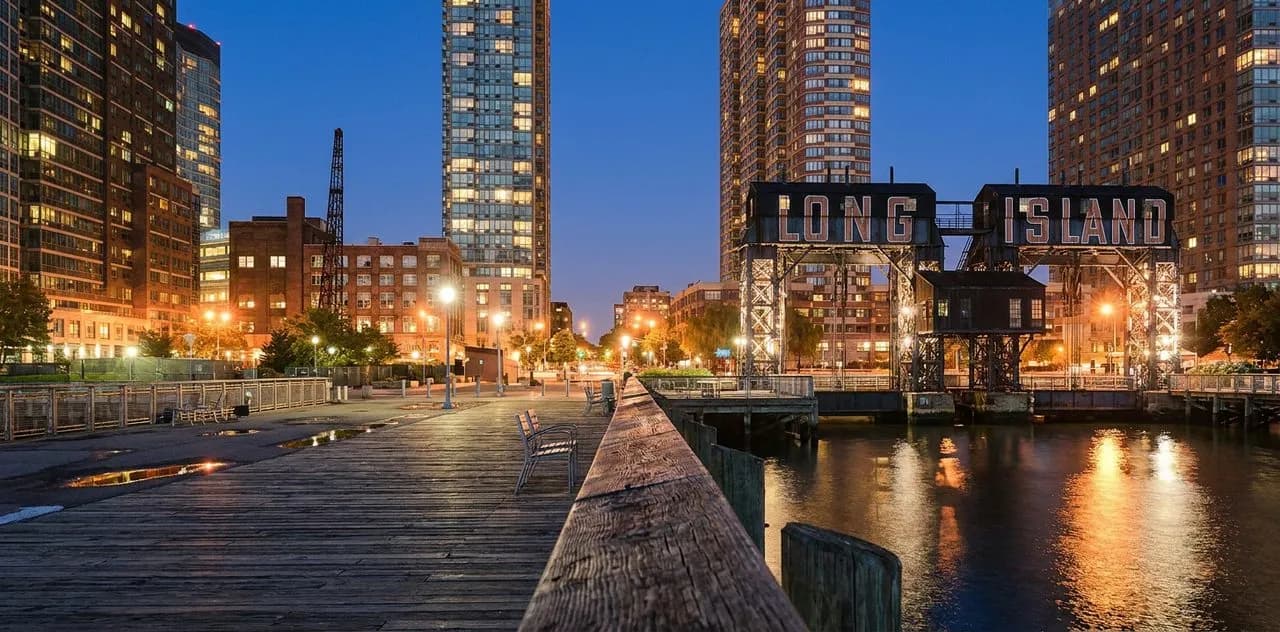
Long Island City's appeal is partly economic—studio rents remain (barely) manageable—and partly atmospheric. The neighborhood's grid of low-slung buildings and freight rail spurs carries an industrial memory that suits the craft. You're working with fire and gas and 15,000-volt transformers; it feels right to do it somewhere that still smells faintly of metal and old asphalt.
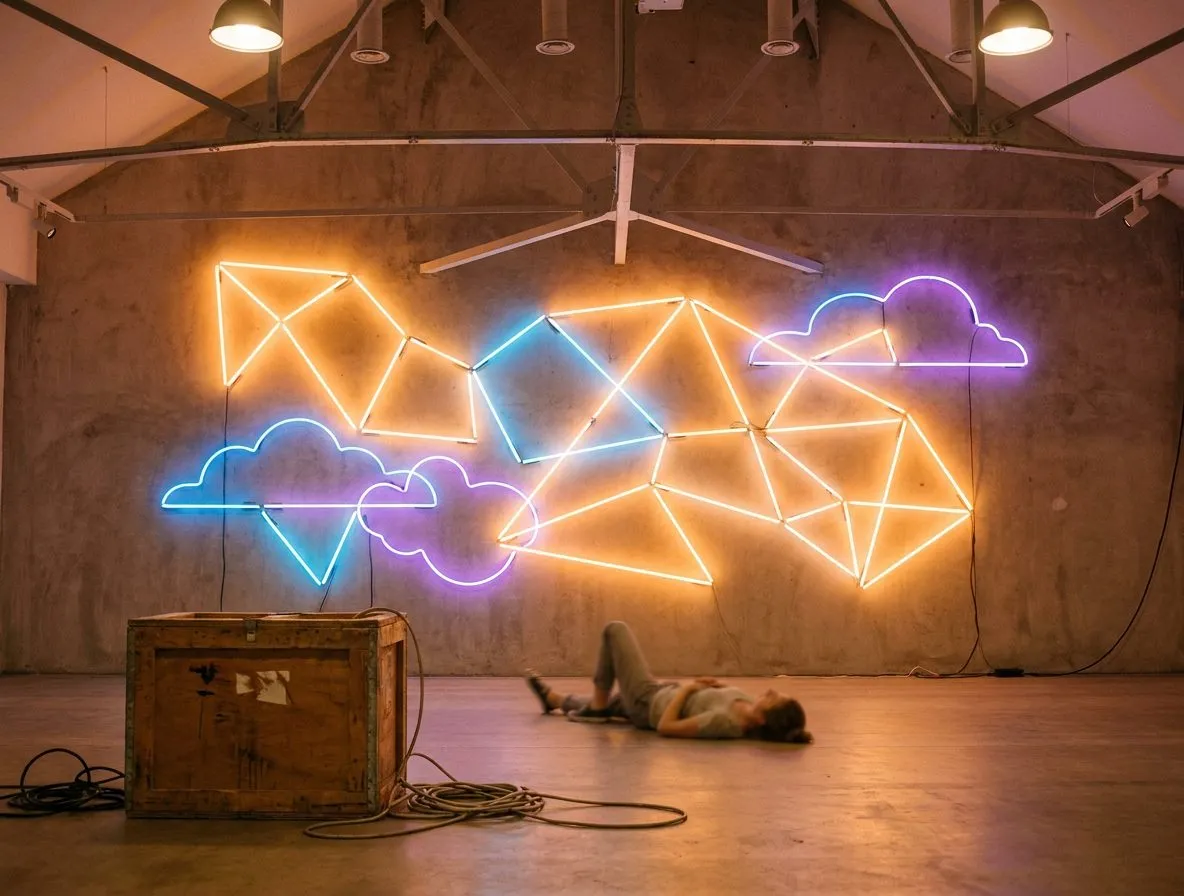
What a workshop actually entails
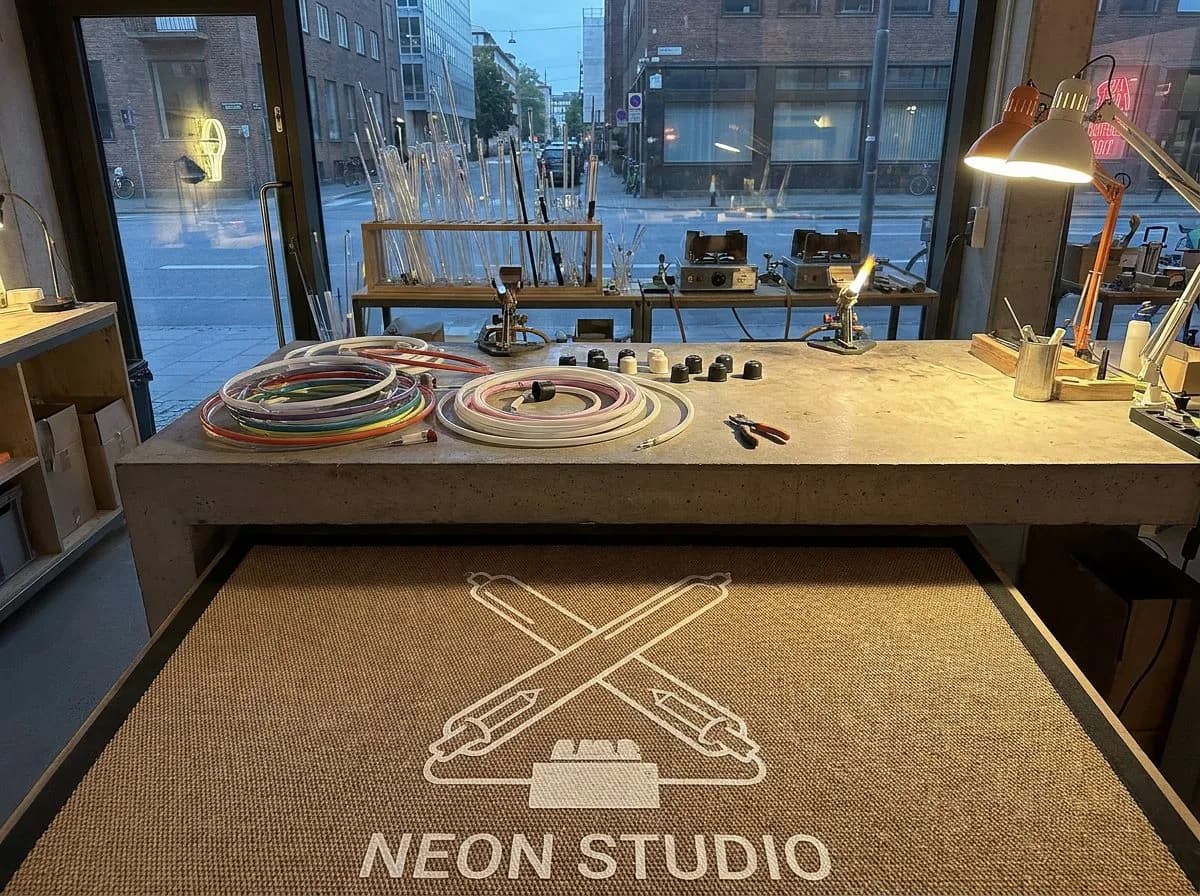
Most introductory sessions run three to four hours. You begin with cold glass tubing—borosilicate, typically, about twelve millimeters in diameter—and a ribbon burner fed by propane and compressed air. The instructor demonstrates how to heat a section until it glows tangerine, then bend it gently along a paper pattern taped to the table. It looks easy. It is not easy. Glass has a narrow window between pliable and molten, and if you hesitate or rush, the tube collapses or kinks. Your first curve will probably be crooked. Your second might be worse.
Once you've bent your design—a word, a simple shape, maybe just an elegant squiggle—you move to the manifold table to attach electrodes and pump out the air. Then comes the magic: the tube is backfilled with neon or argon (neon glows red-orange, argon gives you blue or violet with a phosphor coating), and the electrodes are fired. Suddenly your wobbly amateur geometry is luminous. The hum is low and steady, a sound you feel as much as hear. Late May humidity makes the glass sweat faintly when you first fire it, a detail the instructors mention in passing.
Some ateliers offer single-session drop-ins; others encourage multi-week courses where you build toward a more ambitious piece. Either way, expect to leave with something functional—a small sign, a sculptural accent—that you made with your own hands and that will glow, with luck and a working transformer, for years.
The gallery side of the scene
Several of the LIC Queens art studios double as exhibition spaces, mounting shows that range from vintage commercial signage—rescued "Open" signs, old bar logos, fragments of Times Square's neon past—to contemporary installations that treat the medium as pure sculpture. June often sees a cluster of openings timed to the neighborhood's monthly gallery crawl, though schedules shift year to year. The best approach is to check individual studio websites or follow their social feeds.
What's striking is the range of tone. One gallery might show cryptic text pieces that feel like Jenny Holzer filtered through a dive-bar aesthetic; another focuses on abstraction, loops and spirals that recall mid-century Modernism. Walking into a neon gallery in daylight is a peculiar experience: the work looks inert, almost clinical, until someone kills the overheads and the space ignites. It's theater, but the script is written in gas and voltage.
Who shows up
The workshop crowd skews eclectic. You'll find graphic designers looking for a tangible counterpoint to screen work, architects drawn to the material's spatial possibilities, and a surprising number of people who simply want to make a gift—a name, a phrase, a tiny glowing totem for someone they love. The instructors tend to be patient with beginners, though they won't sugarcoat the learning curve. Tube-bending rewards practice and humility in equal measure.
There's also a contingent of serious hobbyists, people who've taken a dozen sessions and now rent studio time to work on their own projects. They arrive with rolls of patterns, boxes of colored tubing, and the quiet focus of anyone deep in craft. Watching them work—glass spinning in the flame, bends executed with offhand precision—is its own education.
The sensory particulars
Neon studios have a distinctive smell: propane exhaust, the faint ozone tang of high-voltage discharge, sometimes the acrid note of phosphor powder if someone's coating a tube. The air shimmers above the burners. The glass itself makes small clicking sounds as it cools. And then there's the light—not the harsh blue of LEDs, but a warmer, slightly trembling glow that seems to breathe. Argon blue in particular has an uncanny quality, a color that doesn't quite exist in nature.
Most workshops provide safety glasses (sodium flare from the flame can damage your eyes), work gloves, and ventilation. The rooms tend to be warm, even with fans running, and by mid-June the combination of burner heat and New York humidity can be intense. Dress accordingly: short sleeves, nothing synthetic that might melt. Closed-toe shoes are non-negotiable. Some studios play music—classic rock, old jazz, occasionally silence—but the dominant soundtrack is the low roar of the burners and the electric hum of finished pieces mounted on the walls.
Practical notes
Long Island City's neon ateliers are clustered roughly between 36th and 48th Avenues, east of the Queensboro Plaza subway hub. The nearest trains are the N, W, and 7 lines; from Queensboro Plaza or Court Square, it's a ten-minute walk through a landscape of loading docks and new residential towers. Street parking exists but can be scarce on weekday afternoons; a handful of paid lots serve the area. Workshop prices typically range from one hundred fifty to three hundred dollars for a half-day session, materials included. Most studios ask you to book online at least a week ahead, though occasional walk-in slots open up. Hours vary widely—some operate weekends only, others schedule evening sessions for the after-work crowd—so verify directly before making the trip. Accessibility can be an issue: many studios occupy second or third floors in older buildings without elevators. Bring water, patience, and a willingness to fail gracefully on your first few bends.
Tags: #NeonSignWorkshop #LongIslandCity #LICQueens #QueensArt #NYCArtStudios #TheOddEdit #NeonArt #GlassBending #NYCWorkshops #CreativeNYC #QueensNYC #June2026 #HandmadeNYC #NYCCraft #ArtisanNYC
Please drink responsibly. Must be of legal drinking age.
Sources consulted: Neon Sign · Long Island City · NYC Long Island City · MTA Long Island City · Time Out Long Island City
All trademarks are the property of their respective owners.