 SoHo Tailor Alteration Shop Finder for Sample Sale Finds
Neighborhood Guides
NYC Neighborhood Itinerary Builder: Meet Here, Then Head Out
Start your NYC outing from a clear meeting point, then weigh a route that returns there against one that ends elsewhere, using the whole group’s priorities.
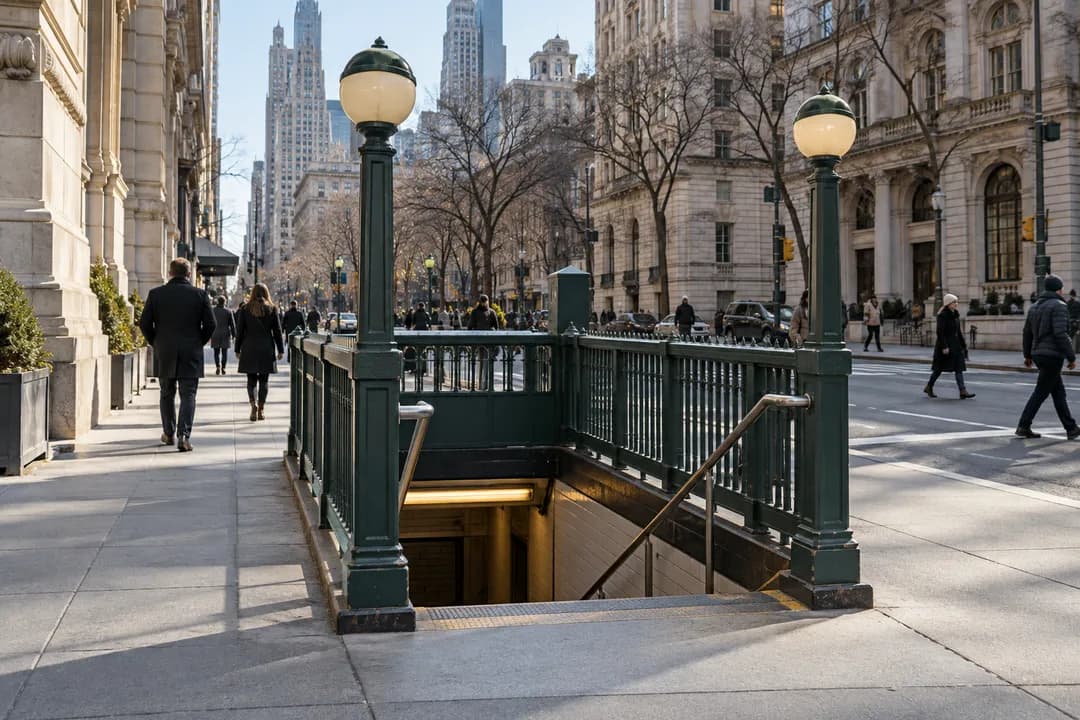
The hardest part of a group outing can happen before anyone starts exploring: two people emerge from different exits, someone waits inside, and the friend carrying a bag would rather sit down. Start your NYC neighborhood itinerary builder request with a meeting point instead of a list of attractions. A clearly described arrival changes the rest of the plan. Once everyone knows where the outing begins, you can compare a route that comes back with one that finishes somewhere else.
Describe the meeting point as a place to find each other
A station name alone leaves several decisions unresolved. Your actual rendezvous needs a recognizable position and an agreement about whether you are meeting indoors or outside. Pick a location you can describe without depending on everyone sharing your mental picture. A particular corner or a named entrance can work when the group understands it. Keep the waiting position clear of doors and circulation paths, and make it somewhere you are entitled to stand.
Use the Karpo APP to ask for outing ideas around the arrival point you have chosen. State the borough and neighborhood, the meeting point, the size of the group, and the experience you want afterward. You do not have to provide a home address or anyone's full travel history. A useful request might ask for a seated first activity close to your meeting area, followed by one nearby reason to explore before people leave separately.
Compare returning to the start with ending elsewhere
A return route suits people who have a practical reason to finish where they began. Someone may have stored a bag nearby, arranged a later meeting, or simply prefer a familiar departure. In that case the endpoint is already fixed. Explore in a shape that brings you back without making the last portion feel like a repayment of distance. The route should have a worthwhile middle and a comfortable final stretch, not just an attractive destination at its farthest point.
An outing that ends elsewhere can make sense when the second destination is the main reward and nobody needs to retrace their steps. It also changes the information each friend needs. They must understand where the afternoon finishes and how that affects their onward journey. Compare the entire experience, including getting home, before choosing. A route that is simple for the organizer can still leave another person with an awkward ending and no useful reason for it.
Treat the first activity as an arrival cushion
People rarely reach a meeting place at exactly the same moment. Place an activity with a forgiving beginning near the start of your draft plan. Browsing, a casual seated conversation, or an outdoor pause can sometimes serve that purpose, depending on the location and the group's needs. A timed admission or a commitment with a strict start belongs in a different category. Do not build flexibility around an activity whose own rules require punctual attendance.
If the group includes someone who needs food soon after arrival, say that before asking for recommendations. If another person cannot stand comfortably while waiting, that matters just as much. These details determine the character of the opening stop. Ask for suggestions that respond to both needs, then select from the information available about the candidates. A pleasant-sounding first stop is only useful if it works for the people who arrive first as well as those arriving last.
Keep the route connected to the meeting area
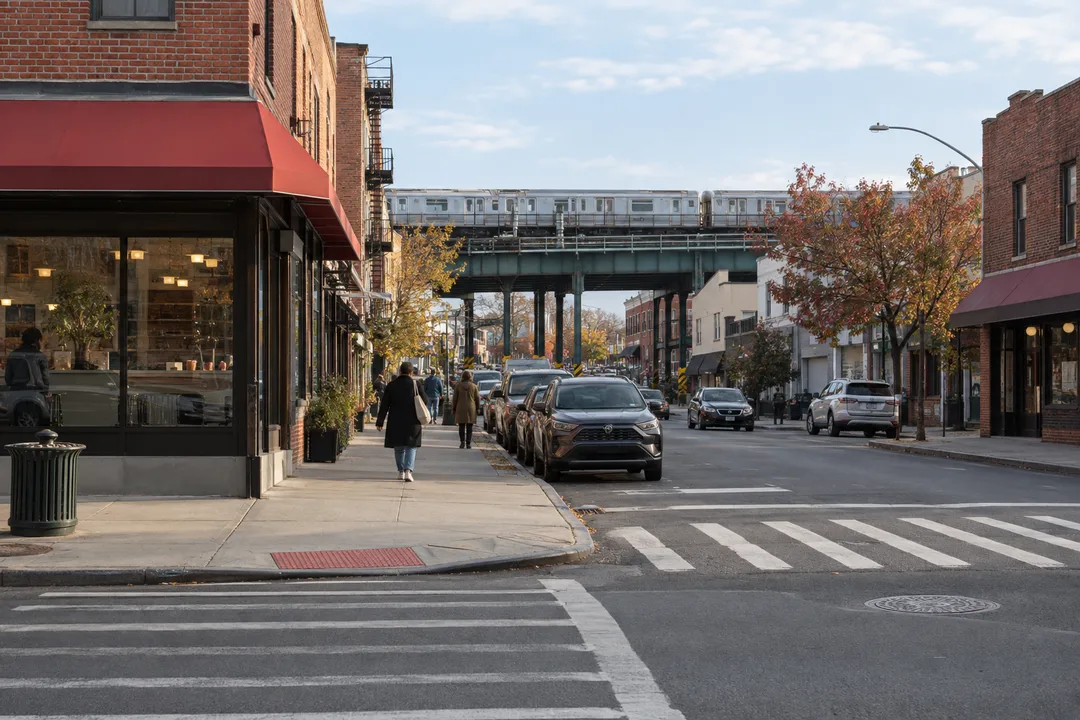
A meeting point is an anchor, not proof that every nearby-looking idea belongs in the plan. Review each proposed connection using the same standard: would the group willingly make this journey for this experience? Consider crossings, changes of direction, and whether you are moving farther from a fixed return point. The number of stops alone says little about the effort involved. Two poorly connected places can demand more of an afternoon than several activities on one short stretch.
You can ask for two alternatives in plain language: one that stays close to the arrival area and another that travels toward a different endpoint. Ask what each version gains and what it asks you to give up. Keep distance and duration estimates separate from your preferences. Your request for a short walk expresses a limit you want respected. A precise journey time needs route information and a pace assumption, rather than an appealing phrase in a recommendation.
Make the finishing condition visible
A plan becomes easier to choose when it states what happens at the end. Does everyone leave together, or does the outing dissolve after the second activity? Is there a final place where friends can separate without interrupting a meal? Write that ending into the plan before adding another destination. It saves the group from discovering, halfway through an enjoyable visit, that everyone had pictured a different amount of time together.
Consider a hypothetical Saturday with one person leaving early for another commitment. You might keep the shared portion near the arrival area and let the remaining friends continue afterward. That is different from asking the early departure to accompany everyone to the farthest stop and rush back alone. The planning question is whose constraint defines the common route. State that choice openly so the longer afternoon feels optional, and the shorter visit still has a complete beginning and ending.
Revise the connection without losing the anchor
When the ideas are promising but too spread out, preserve the meeting point and change the activity that creates the awkward movement. A focused follow-up could say: “Keep our starting location. Replace the farther suggestion with something in the same immediate area, and make the final activity seated.” That tells the conversation which decision is settled and which needs work. It prevents every revision from reopening the entire afternoon and leaving you with more candidates than you can compare.
If the meeting point itself turns out to be unsuitable, choose a replacement and communicate it as one complete update. Give the new position, the time, and the first activity together. Avoid a sequence of corrections that leaves friends reading different versions. The Karpo conversation can help you think through outing choices, but the organizer still needs to send the agreed meeting information to the group. Recommendation text does not notify friends or establish that anyone has accepted the plan.
Practical Notes for an arrival-first plan
Record four things in the final message: where to gather, the shared time window, the direction of the outing, and whether you return to the start. Add a recognizable description of the actual waiting position. If a venue or station entrance is essential, use its published location information when preparing that message. Do not infer accessible access from a general station label or assume that a nearby business permits noncustomers to wait inside.
Open the Karpo APP with the arrival details you already know and ask for a small number of activities that fit around them. Choose the route with the least unresolved coordination for this particular group. An arrival-first itinerary succeeds when friends can find one another, understand what comes next, and leave without a surprise journey at the end. The neighborhood then becomes the enjoyable part of the afternoon instead of another problem to organize.
Ask Karpo for more information.
Keep reading
- SoHo Tailor Alteration Shop Finder for Sample Sale Finds
 Williamsburg Tailor Alteration Shop Finder for Bike Riders
 Upper West Side Tailor Alteration Shop Finder for Kids