 SoHo Tailor Alteration Shop Finder for Sample Sale Finds
Neighborhood Guides

NYC Neighborhood Itinerary Builder: Rain Plans in 3 Steps
Plan a rainy NYC neighborhood outing around short outdoor connections, an indoor browse, and one seated pause, with a clear point to shorten the walk.
A rainy NYC walk works better when its indoor alternative shares the same small area. Use a neighborhood itinerary builder to describe one district, a finish point, and how much time you actually want outside. In the Karpo APP, ask for a short sequence of local ideas with one indoor substitute. The three steps are straightforward: set the weather constraint, compare compact options, and choose the moment when the outdoor portion becomes optional.
Step 1: Say what rain changes for your group
“Rainy day” hides several different requests. A group carrying umbrellas might enjoy short outdoor connections, while someone with wet shoes wants to sit down immediately. Name the practical limit: perhaps no more than ten minutes outdoors between activities, a place to put a coat, or no exposed waiting. These are planning preferences you supply. They are more useful than asking for an entire city of indoor attractions and then trying to connect distant suggestions yourself.
Try this starting message: “Help me plan a rainy afternoon in one NYC neighborhood. We want a seated drink, something interesting to browse, and a finish close to our departure point. Offer a small set of options and explain the outdoor connections.” The categories describe what you want to do without assuming a particular venue is available. Add your date and approximate arrival time so the request has a real context rather than an endless weekend wish list.
Step 2: Keep the fallback inside the same district
A fallback should replace a specific part of the afternoon. If the original pleasure is walking and noticing buildings, an indoor browse can occupy that middle interval while the first and final stops remain useful. Asking for a distant museum as an automatic substitute changes the whole journey. Instead, ask Karpo for local ideas that preserve the purpose of the walk: an interesting browse, a comfortable pause, and a short connection to the next decision.
Consider a hypothetical ninety-minute plan. The first activity is a seated drink, the middle is browsing, and the last is a short outdoor stretch if conditions feel pleasant. Those ninety minutes are your chosen allowance, not a measured route duration. Read the proposed places together on a map and decide whether their arrangement makes sense. A cluster with fewer transitions often feels more coherent than three individually appealing destinations scattered across different parts of the city.
Give each option a different job
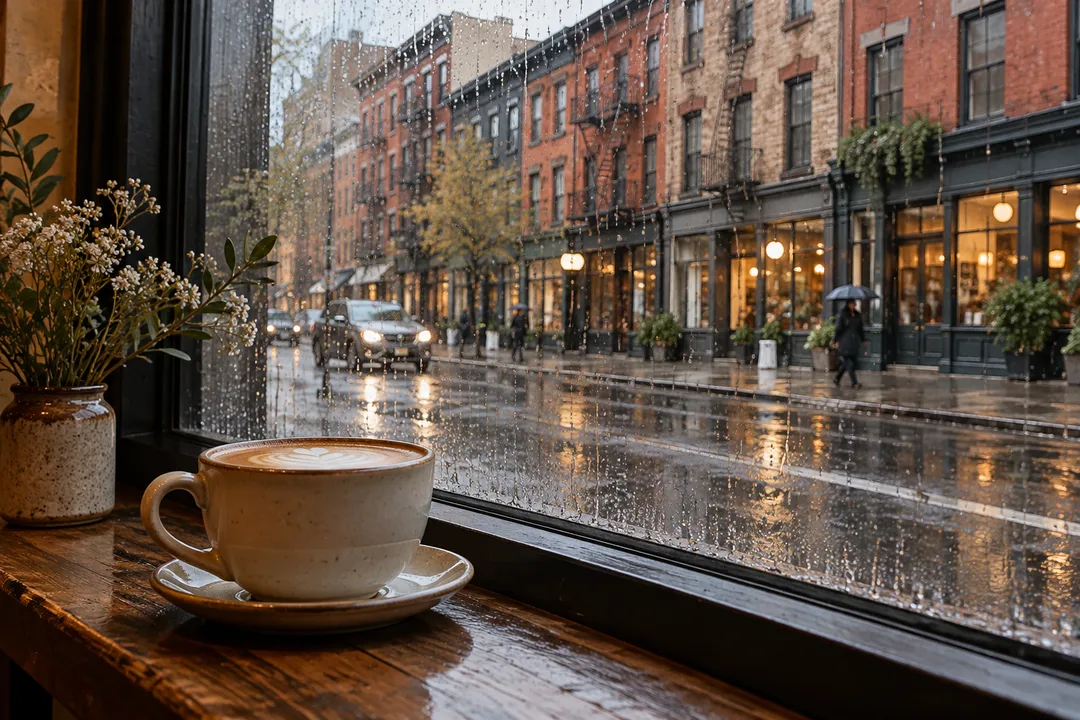
Ask for a concise explanation of what each suggestion contributes. One might be the place to settle, another the part with something to look at, and a third an optional outdoor finish. This makes comparison easier than a list of interchangeable cafes. You can reject an option because it repeats an experience you already have. A second drink stop earns its place only if your group actively wants another seated interval rather than more browsing or movement.
A useful follow-up is: “Keep the first suggestion, replace the second with an indoor browse, and remove the optional walk if that makes the outing simpler.” This is a conversational request, not a promise of a dedicated weather control or automatic route editor. Respond to the suggestions you receive. Naming what stays and what changes helps preserve the good part of the plan instead of restarting with a completely new brief whenever one detail disappoints.
Step 3: Decide when to stop walking
Choose a decision point before you leave the first stop. It can be as ordinary as everyone finishing their drink and looking outside. If people are comfortable, continue with the short connection. If coats are still damp and nobody wants another street crossing, keep the indoor version. You do not need to complete every proposed activity to make the afternoon worthwhile. A plan that allows a satisfying early finish gives the group a real choice.
Skip the cross-city rescue mission. A highly recommended indoor destination can still be the wrong replacement if getting there consumes the energy you hoped to save. The useful comparison is between the remaining local activity and ending the outing, not between every attraction in New York. Ask for one nearby alternative only when it solves the actual problem, such as seating or a more interesting browse. More choices can create another round of discussion without improving the afternoon.
Describe spending as a boundary, not a prediction
State whether the group wants to buy a drink, pay for an activity, or mainly browse without committing to purchases. You can give a personal spending cap, but do not treat that cap as a quoted admission price. Separate the cost of the core activity from optional shopping. Someone who wants a quiet afternoon with a coffee should not discover that the proposed fallback depends on a paid experience they never intended to book.
For example, ask: “Prioritize browsing and one drink purchase. Leave ticketed activities out of the first set of ideas.” This narrows the task without inventing a free admission claim. If you later choose a named venue, its own booking or visitor information supplies the terms for that activity. The article's example is a planning conversation. It does not establish opening hours, reservations, seating availability, or permission to remain inside a business without using its services.
Leave room for umbrellas, coats, and other people
Rain planning includes what happens when you get indoors. Keep wet umbrellas out of walkways, avoid placing bags on an extra chair when others need seating, and leave entrances clear while deciding where to go. These are considerate habits rather than rules attributed to a named establishment. If a particular place has a posted policy, that policy governs the visit. A suggested stop should be judged by how comfortably your group can use it, not just its appearance.
The route also needs a clear finish. Tell Karpo whether you want to return toward the starting area or continue toward a separate departure point. Include the location you actually mean rather than simply saying “near the subway.” Read the last connection as carefully as the first. The walk home can become the longest outdoor section if the plan ends at the wrong side of the district, undoing the benefit of keeping earlier transitions compact.
Practical Notes: the message to send before you leave
Start with your district, date, number of people, and preferred finish. Add what counts as too much outdoor time, whether seating matters, and which type of activity you would gladly drop. Request a compact explanation of the sequence and one substitution. Keep walking estimates separate from any fixed appointment you have later. Your own time allowance should include getting ready to leave each stop, gathering coats, and the final journey out of the neighborhood.
Open the Karpo APP and describe the rainy afternoon you would still enjoy. A productive next step is choosing between a mostly indoor browse and a short walk with indoor pauses. Once one sounds right, ask to simplify the other suggestions around it. The result to aim for is a small, understandable outing with an obvious place to change course. You retain the decision to continue, substitute, or finish while the afternoon still feels good.
Ask Karpo for more information.
Keep reading
- SoHo Tailor Alteration Shop Finder for Sample Sale Finds
 Williamsburg Tailor Alteration Shop Finder for Bike Riders
 Upper West Side Tailor Alteration Shop Finder for Kids