 SoHo Tailor Alteration Shop Finder for Sample Sale Finds
Neighborhood Guides
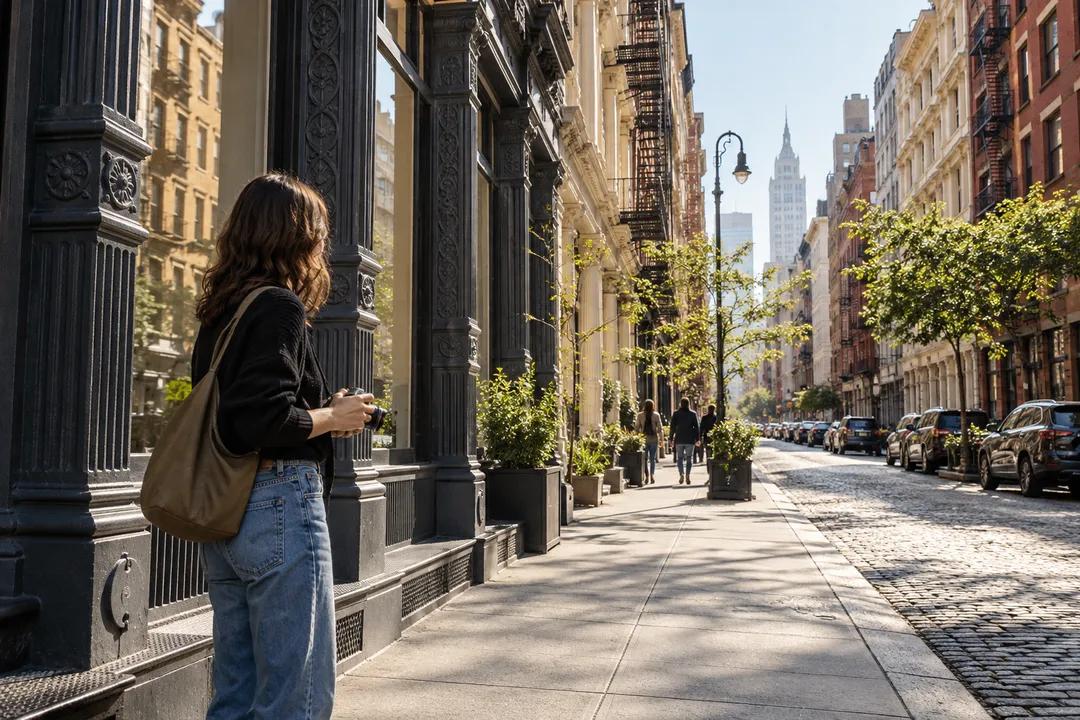
NYC Neighborhood Itinerary Builder: 3 Photo Walk Prompts
Plan an NYC neighborhood photo walk around architecture, changing light, and considerate pauses, choosing a visual theme before adding extra destinations.
Choose what you want to photograph before choosing how many NYC blocks to cover. A neighborhood itinerary builder can help turn an architectural interest into a compact exploration request: start with a visual theme, describe the kind of light you prefer, and set a considerate pace. These three prompts keep the outing about noticing details. In the Karpo APP, ask for local ideas that match the theme rather than a checklist of famous backdrops scattered across the city.
Prompt 1: name a subject smaller than New York
“Interesting buildings” is a starting point, but a narrower subject makes the plan more enjoyable. You might look for repeated windows, cast-iron details, fire escape shadows, street trees against brick, or the contrast between shopfronts and upper floors. These are possible photographic interests, not a claim that a named route contains every example. Tell Karpo which one appeals to you and ask for neighborhood ideas where the theme could shape a short walk.
A useful brief is: “I want an NYC architecture walk focused on building details rather than landmarks. Suggest a compact area to explore, a place to pause, and a finish that does not require retracing everything.” Add whether you are using a small camera, carrying extra equipment, or walking with someone who is not taking pictures. The equipment matters as a practical preference. It changes how often you want to stop and how much carrying feels comfortable.
Give your companion a reason to enjoy the walk
A photographer and a friend can experience the same block at very different speeds. One sees a promising reflection and wants five minutes. The other thinks the walk has stopped again. Before setting off, agree whether this is primarily a photography outing or a shared neighborhood afternoon with occasional photographs. That distinction helps you decide what to ask for. A browse or seated interval may be more valuable than adding another visually interesting stretch of street.
Ask for a plan with a few observation pauses rather than a continuous photo session. You can also separate the afternoon into a shared portion and a short solo extension. Make the departure point clear so the companion can leave comfortably when their part ends. This is a social arrangement you decide together, not an app feature or an automatic handoff. Planning the different expectations is often what makes the route feel relaxed to everyone involved.
Prompt 2: describe the light without promising it
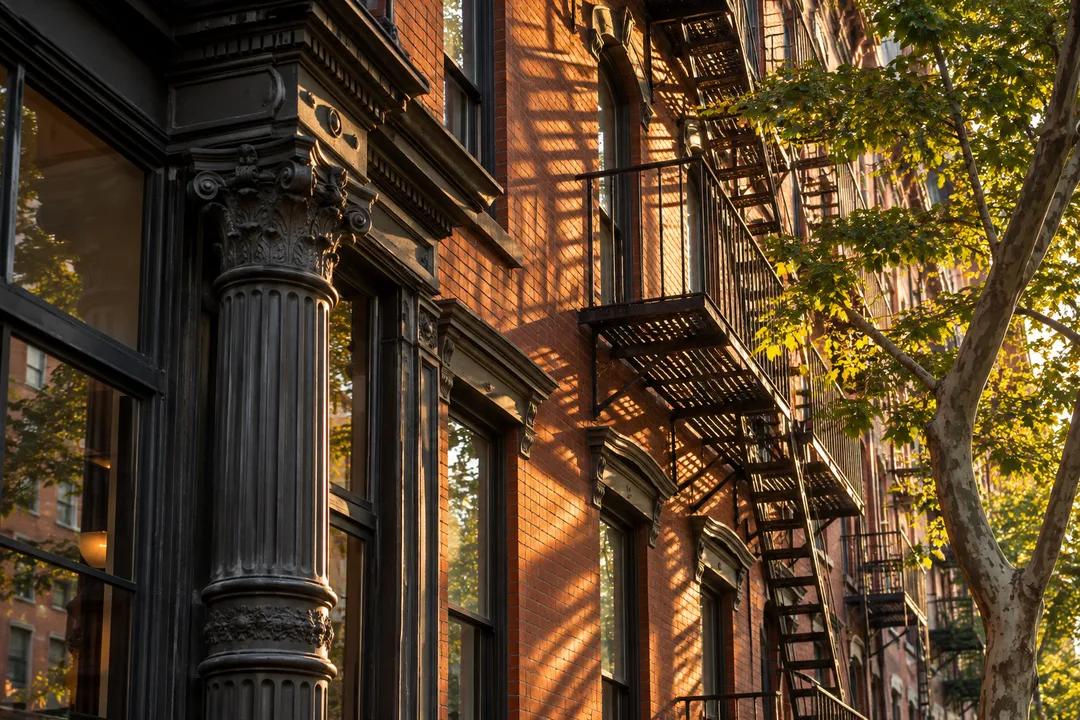
State whether you prefer a morning walk, softer overcast conditions, or an evening atmosphere. A time preference gives the planning conversation direction, but it does not establish what the light will do on a particular facade. Buildings, street direction, clouds, and your position all affect a photograph. Ask for ideas to explore and make your visual choices on the spot. Leave room for an ordinary side street to be more interesting than the image you expected.
Do not turn the outing into a race to capture one assumed moment. A reflective window, a shadow, or a quiet patch of pavement may be the most engaging thing you find. If a proposed district interests you for its textures, it can still be worthwhile when the conditions differ from your mental picture. Describe what you like about the light rather than requesting a guaranteed sunset composition. That keeps the task within useful planning rather than a prediction about the street.
Keep photography pauses out of everyone's path
Choose where to stop after looking at the movement around you. A doorway, curb ramp, loading area, or busy corner is a poor place to settle into a long composition. Move aside before adjusting equipment or looking through photographs. These are general habits for sharing a sidewalk. They do not imply permission to enter private areas, set up equipment, or photograph inside a business. Any specific property's instructions take priority over a suggested creative detour.
A small camera can make the walk easier because there is less to arrange each time you pause. If you bring more equipment, describe the carrying burden when asking for ideas. A seated break might become the essential middle stop. The right plan is not necessarily the route with the largest number of architectural examples. It is the one where you still want to look closely after the first few blocks, rather than thinking mainly about the weight of your bag.
Prompt 3: choose a finish with a clear purpose
End the request with something concrete: a short browse, a seated drink, or an easy departure. This gives the photography a natural conclusion. If every interesting detail leads to another optional block, the walk can continue long after your attention has faded. A finish does not prevent spontaneous photographs. It simply gives you a place to head when you have enough material or your companion is ready to do something else with the afternoon.
Try asking: “Keep the route compact and place the pause after the main observation stretch. Leave the final detour optional.” Read the suggested order for how it feels to follow, not just whether each stop sounds attractive. If the pause comes before you have done any walking, it may not serve the purpose you intended. If it pulls you away from your departure point, an alternative in the same area may produce a more coherent finish.
Photograph a theme, not an invented neighborhood story
You can notice a building's texture without claiming to know its history. Keep visual observations separate from historical explanations. A decorative facade is something you can describe from the street. Its architect, construction year, or former occupant needs an actual record before becoming a factual caption. This article offers a planning method, not a researched architectural tour. If a specific building becomes the center of your outing, use established information for any story you want to attach to it.
Skip the landmark detour that does not fit your chosen theme. A well-known building can distract you from the smaller details you set out to notice, especially if reaching it adds another journey. Ask Karpo to keep the suggestions aligned with your subject and explain why an idea belongs. You can then decide whether the exception is interesting enough to change the walk. Consistency is useful when it serves your curiosity, rather than becoming another rigid rule to obey.
Practical Notes: leave with three decisions settled
Before you head out, settle the visual subject, the preferred time of day, and the finish. Add your group size, carrying needs, and appetite for walking. Request a compact set of neighborhood ideas with a place to pause. Treat any suggested connections as proposals to assess, rather than an established photography course. There is no requirement to visit every option or produce a particular number of images. The useful measure is whether the afternoon gives you time to pay attention.
Open the Karpo APP and send one clear photography brief. After reading the ideas, choose the area that makes you most curious and remove the extra destinations that compete with it. A satisfying neighborhood photo walk can revolve around a recurring window shape or the way trees frame a block. Giving that small subject enough attention is often more rewarding than finishing a long route with many photographs you barely remember taking.
Ask Karpo for more information.
Keep reading
- SoHo Tailor Alteration Shop Finder for Sample Sale Finds
 Williamsburg Tailor Alteration Shop Finder for Bike Riders
 Upper West Side Tailor Alteration Shop Finder for Kids