 Upper West Side Hot Chocolate Cafe Crawl on Balloon Eve
Coffee & Dessert
Lower East Side Neighborhood Bakery Breakfast Route: Bialys
Walk a Lower East Side bakery breakfast route through immigrant history: a warm bialy, a knish to share, Chinatown egg tarts and a quiet Seward Park bench.
The Lower East Side has fed newcomers for well over a century, and you can still taste that history before most of Manhattan is awake. Jewish, Chinese, Puerto Rican and Dominican families have all passed through these tenement blocks, and each left something on the bakery shelves. A breakfast route here is really a history walk you can eat. Start with a bialy, share a knish, cross toward Chinatown for an egg tart and finish in a small park where old neighbors still sit and talk.
Reading the Neighborhood Through Its Bread
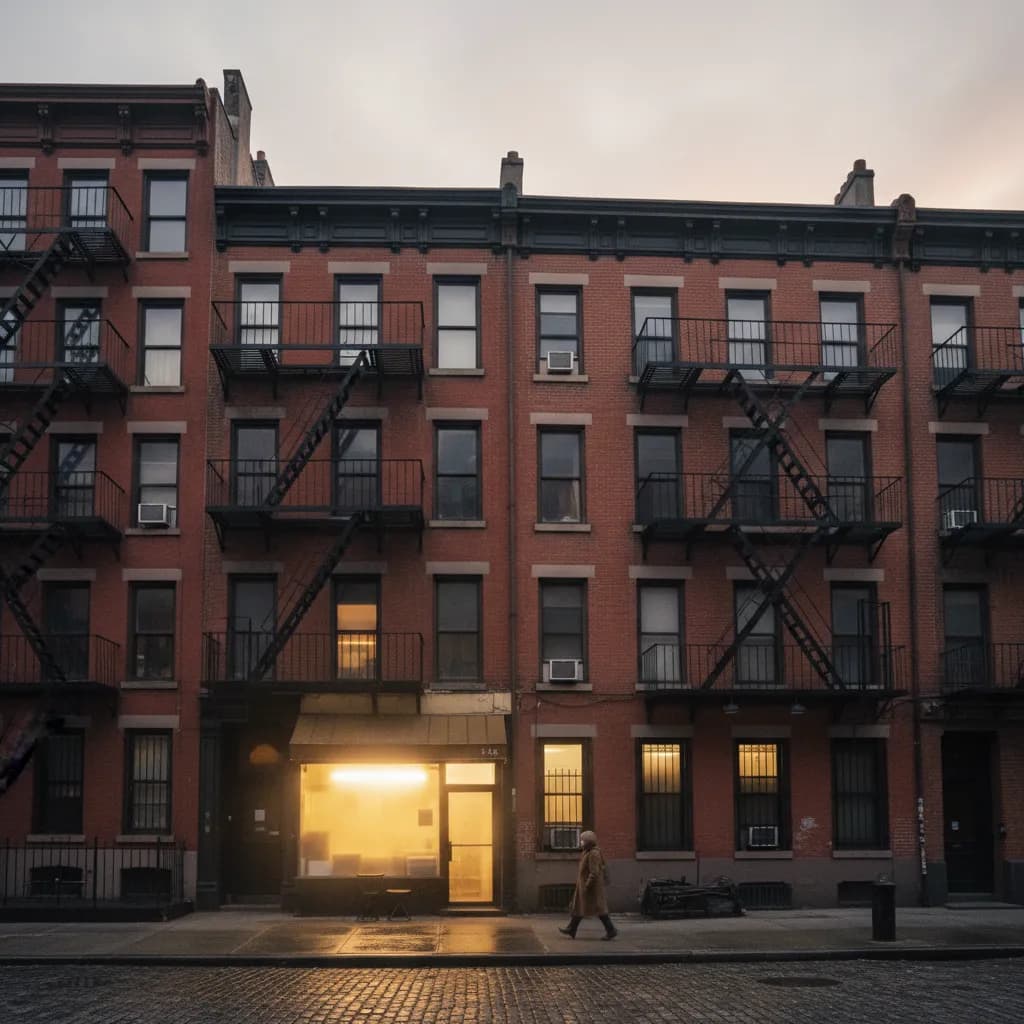
Few places in New York show their past as plainly as the Lower East Side. The red brick tenements with their black fire escapes once held some of the most crowded blocks in the world, and the people who lived in them baked what they knew. Eastern European Jewish bakers brought bialys, rye and pastries rich with poppy seed and farmer cheese. Chinese families on the southern and western edges brought buns, tarts and sweet breads. Latin American families added their own breakfast staples along the eastern avenues.
Today the neighborhood mixes old storefronts with new cafes and galleries, but the older shops have not disappeared. Walking from one to the next, you move through layers of migration in just a few blocks. That is what makes this route different from a pastry crawl in a polished district. Here, every stop has a story about who came to the city, what they missed from home and how they made it work in a new place.
Begin With a Warm Bialy
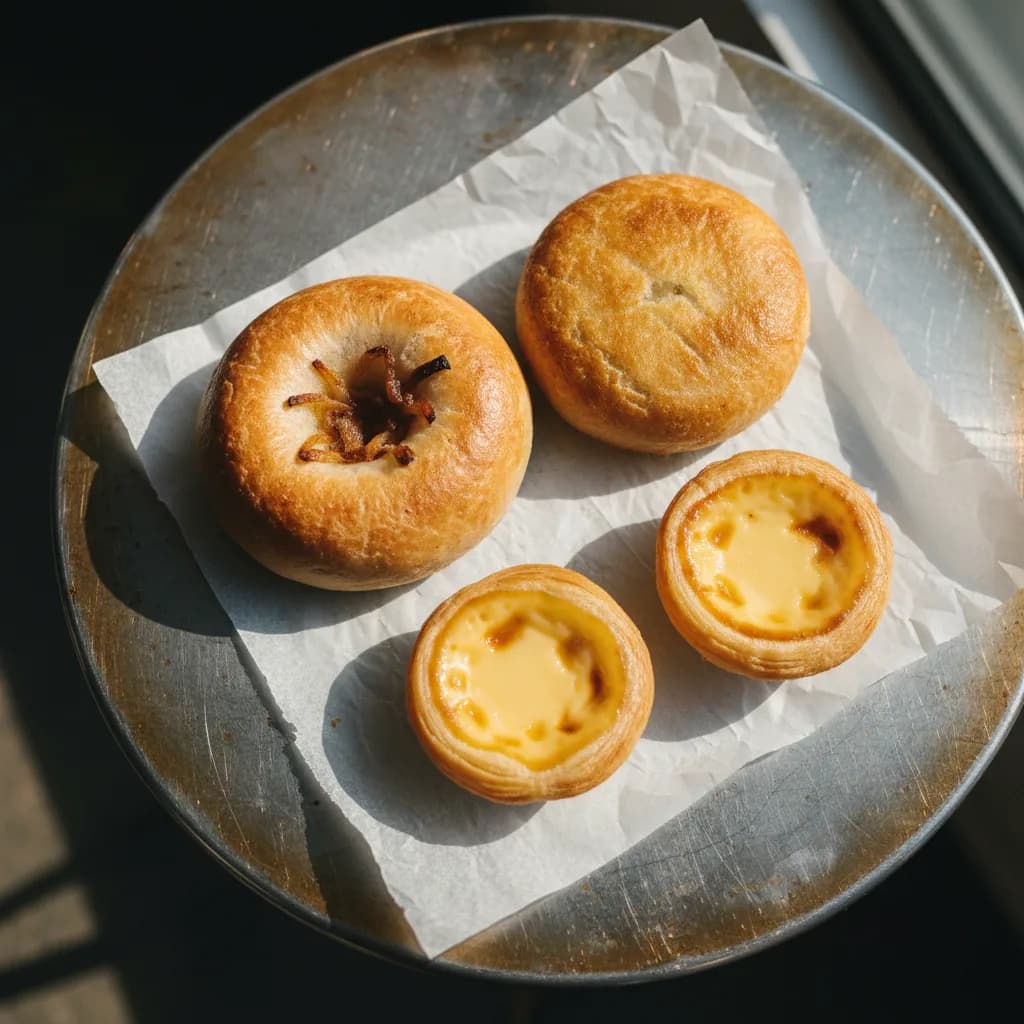
The bialy is the quiet cousin of the bagel and a proper Lower East Side breakfast starts with one. It is flatter and softer, baked rather than boiled, with a shallow well in the middle filled with onion and poppy seed. Ask for one fresh from the tray and eat it plain or with a thin layer of butter. The flavor is gentle and savory, and it tells you straight away that this neighborhood does breakfast its own way.
If you have never had one, ask the person at the counter how regulars take it. Some like it warm and simple, others split it and add a smear of cream cheese. Either way, eat it standing on the sidewalk while the street wakes up around you. Delivery trucks, shopkeepers raising grates and the first dog walkers make for a very New York kind of breakfast theater.
Share a Knish and Something Sweet
The second stop is for heartier food. The knish, a baked pocket of dough filled with potato, kasha or other fillings, was once sold from pushcarts all over these streets. It is filling, so split one between two people and take it slowly. Pair it with a small sweet, such as a rugelach, a slice of babka or a poppy seed pastry, to round out the Eastern European chapter of your walk.
Many of the older shops on this route are small and plain inside. Do not expect cozy seating or a long menu. Order at the counter, say thank you, and step aside for the next customer. The staff often have strong opinions about what you should try, and their suggestions are worth following. A short chat about how long the family has been baking here can be the best part of the stop.
Cross Toward Chinatown for Egg Tarts
As you head west and south, the signs change and the bakery windows fill with golden egg tarts, pineapple buns and soft sweet rolls. The border between the Lower East Side and Chinatown is blurry, and that is exactly the point. Pick up an egg tart while it is still warm, along with a milk tea or a cup of strong coffee. The custard is silky, the pastry crisp, and the contrast with the bialy from your first stop is the whole story of the neighborhood in two bites.
Chinatown bakeries move fast in the morning. Grab a tray and tongs if the shop is self-service, pick what you want and pay at the register. If you are unsure, point and ask what is fresh. Take an extra bun or two home, because they keep well and make an easy snack later. Notice how many older residents are doing the same, picking up bread for the day before heading off to work or to the park.
Finish in Seward Park
Seward Park sits at the heart of the old neighborhood and makes a natural last stop. It has benches, a playground, a public library branch across the street and a steady crowd of locals who treat it as their front yard. Find a bench in the morning sun, unwrap your extra pastry and watch the neighborhood go about its day. You will often see older residents playing cards or chatting in several languages, a living reminder of the area's history.
If you prefer water views, keep walking east toward the East River Park and the waterfront path. The breeze off the river is a welcome reset after a rich breakfast, and the path gives you a long, flat stretch to walk off the bialy and knish. On warm mornings, joggers and cyclists fill the path, while on cooler days it can feel almost empty and peaceful.
Add a Museum or a Market Visit
The Lower East Side has a strong museum scene for a neighborhood of its size, and a breakfast walk pairs well with a visit. The Tenement Museum offers tours through restored apartments that show how immigrant families once lived, and it gives real context to the food you have just eaten. Small galleries on the side streets are worth a quick look too, especially on weekend mornings when the area is still calm.
The historic Essex Market, now housed in a modern building, brings together food stalls, grocers and small producers under one roof. It is a good place to warm up on a cold day or to pick up cheese, fruit or coffee beans after your bakery walk. Combine a market stop with your route and you have a full morning that touches nearly every chapter of the neighborhood's story.
Practical Notes for the Walk
Wear comfortable shoes, since the route covers several blocks and some sidewalks are narrow and uneven. Carry a tote or a small bag for pastries you want to take home. Some older shops prefer cash, so keep a little on hand just in case. Mornings are calmer than afternoons, and weekdays feel especially local, with workers and residents rather than visitors filling the lines. Weekends draw more people, but the atmosphere is friendly and the walk is still easy to enjoy.
Let Karpo APP Map Your History Walk
Before you go, open Karpo APP and look at the bakeries, cafes and markets around the Lower East Side. Save a bialy stop, a knish counter, a Chinatown bakery and Seward Park as a short morning route, and check what else sits along the way in case you want to add a museum or a coffee break. Share the route with friends, then follow it at your own pace and let the neighborhood tell its story one bite at a time.
Ask Karpo for more information.
Keep reading
- Upper West Side Hot Chocolate Cafe Crawl on Balloon Eve
 Park Slope Hot Chocolate Cafe Crawl After a Snow Day Sled
 Upper East Side Hot Chocolate Cafe Crawl With a Grandparent