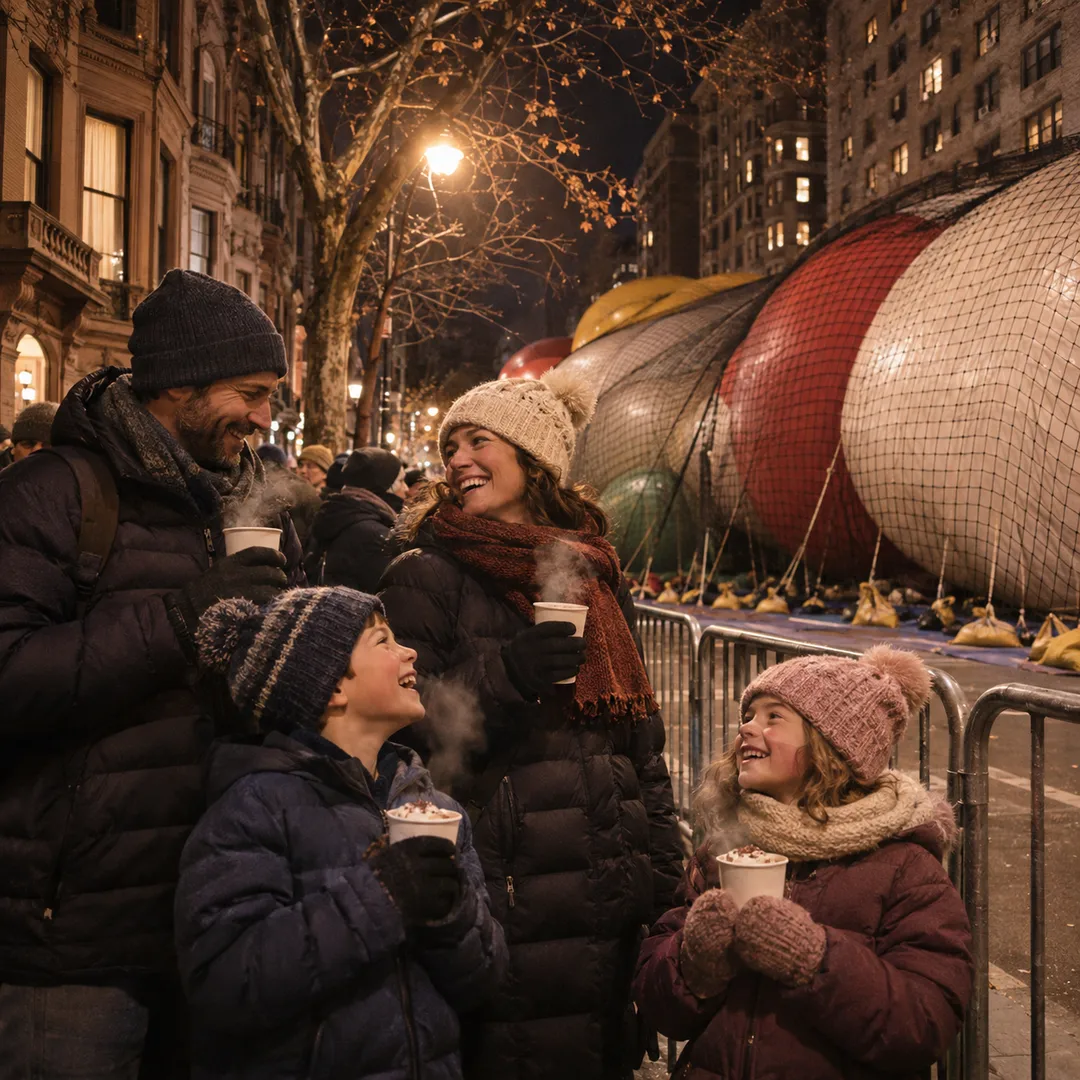
 Upper West Side Hot Chocolate Cafe Crawl on Balloon Eve
Coffee & Dessert
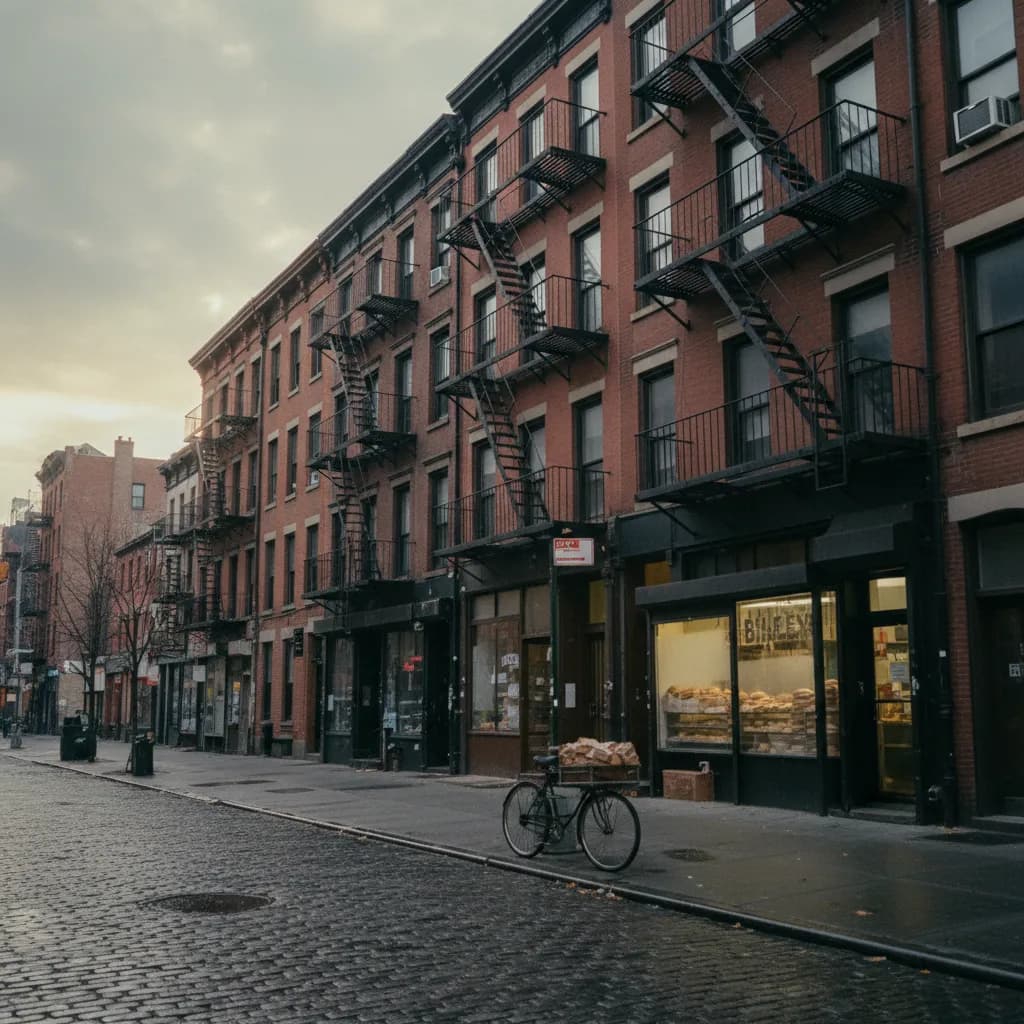
Lower East Side Neighborhood Artisan Bakery Trail: 4 Stops
A Lower East Side bakery trail runs on foot from the Delancey St–Essex St subway, in four short stops. Start with bialys, finish with babka by Seward Park.
The Lower East Side packs a full neighborhood artisan bakery trail into roughly ten blocks, and the whole loop starts at the Delancey St–Essex St subway station, where the F, J, M and Z lines meet. Four stops are enough: a bialy counter on Grand Street just east of Essex, the food stalls inside Essex Market, an appetizing shop on East Houston Street, and a bench in Seward Park to eat what is left. Go before lunch, carry cash and a tote bag, and walk it in the order below.
Why the Lower East Side Bakes Differently
This part of Manhattan was the densest immigrant neighborhood in the country a century ago, and its baking still follows the habits of the Jewish, Chinese and Puerto Rican families who settled the tenement blocks. That is why the trail here is less about laminated croissants and more about bialys, rye, babka, rugelach and steamed buns. The Tenement Museum on Orchard Street tells the household side of that story; the bakeries tell the breakfast side of it.
The practical upside is compactness. Every stop on this route sits within a short walk of the Essex Street corridor, so nobody needs a car or a rideshare between counters. The downside is that the old-school places sell out of their most famous items early, and some of them close earlier in the afternoon than visitors expect. Planning the order matters more here than in neighborhoods with one big bakery and a long line.
Stop One: Bialys on Grand Street
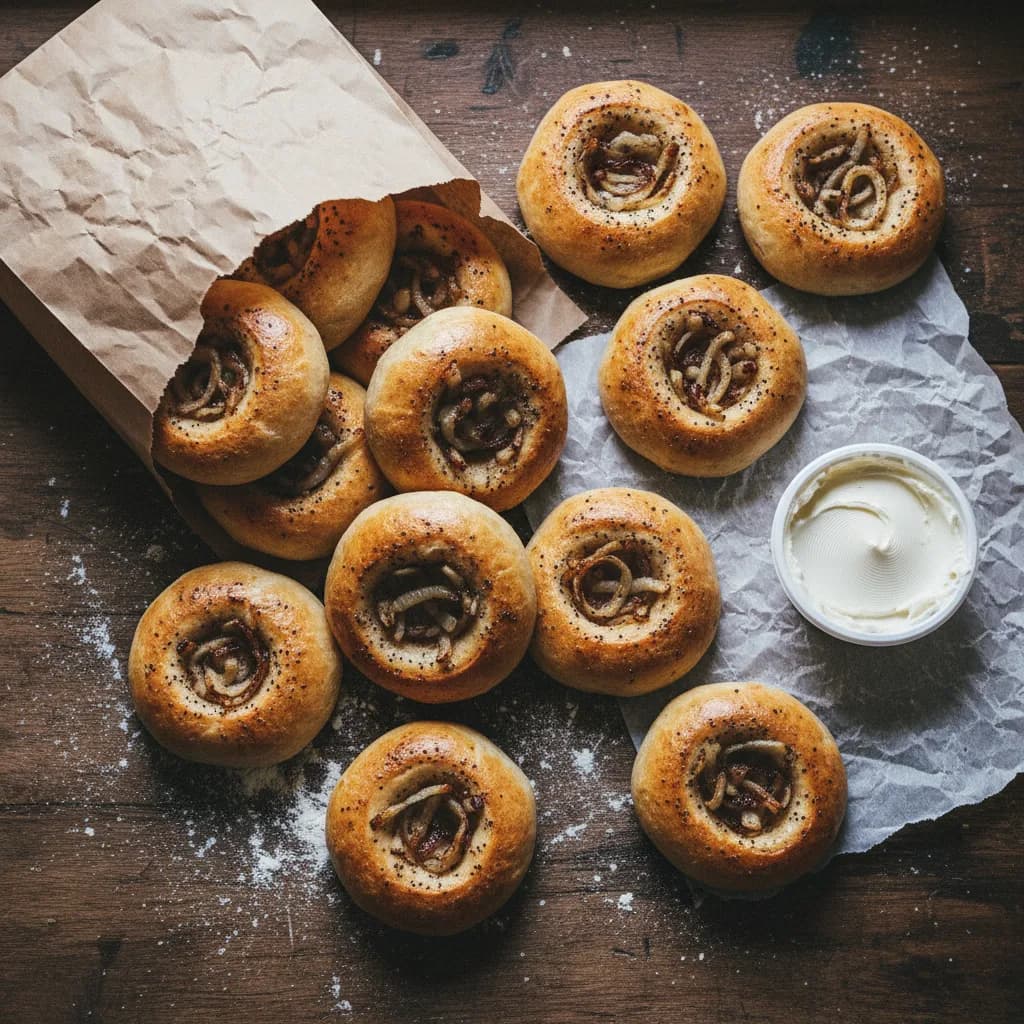
Begin at Kossar's Bagels & Bialys on Grand Street, half a block east of Essex Street, a bakery that has been tied to the bialy for generations. A bialy is not a bagel: it is baked, not boiled, and it has a shallow well in the middle filled with onion and sometimes poppy seed. Eat one plain and warm before adding anything, because the chew and the toasted onion are the point. Buy a few extra in a paper bag for the rest of the loop.
Regulars here tend to be quick and specific: a construction crew ordering by the dozen, an older couple asking which tray just came out, a parent with a stroller who already knows the answer. Follow their lead and decide before you reach the counter. If the line is out the door, wait it out; it moves faster than it looks because most orders are bags to go, not table service.
Stop Two: Inside Essex Market
Walk back north up Essex Street toward Delancey and step into Essex Market, the city-run public market that moved in 2019 into its modern building across Delancey Street from its old home. Inside, small vendors sell everything from cheese to spices to baked goods, which makes it the trail's indoor rest stop. On a cold or rainy morning, this is where the walk can pause without losing momentum, since there is seating on the mezzanine level.
Treat the market as a browsing stop rather than a must-buy. Vendors rotate, so the honest advice is to look for whatever is freshly baked that morning instead of chasing a specific pastry from an old review. If you already have bialys in the bag, pick something sweet and small here, like a cookie or a slice of cake, so there is still room for the next stop.
Stop Three: Appetizing on East Houston Street
Head north up Orchard or Ludlow Street to Russ & Daughters on East Houston Street. It is an appetizing shop, meaning smoked fish, spreads and pickles rather than a bakery in the strict sense, but its bagels, babka and rugelach make it a natural third stop. The counter staff in white coats slice salmon to order, and taking a number is part of the ritual on busy mornings.
Here is the honest call: skip the full sandwich if you are on a tasting walk. It is generous and you will not want anything else for hours. Instead, pick up a babka slice or a small bag of rugelach to carry to the park, and come back another day for a proper sit-down plate. Weekday mornings are noticeably calmer than Saturday and Sunday, when the take-a-number queue can stretch toward the door.
Stop Four: Eat It in Seward Park
Finish by walking back south to Seward Park, the green triangle near Canal, Essex and Hester Streets, which is one of the oldest municipal playgrounds in the country. The benches along the paths are the right place to open the paper bags and compare what you bought. The Seward Park branch of the New York Public Library sits on the edge of the park, which makes it a useful landmark if you are meeting friends.
This is also the moment to decide whether you have room for a fifth stop. Chinatown starts a few blocks west, and its bakeries sell egg tarts and pineapple buns that make a good contrast with the morning's rye and onion flavors. If the bag is already heavy, save Chinatown for its own walk rather than tacking it on half full.
Timing, Lines and a Rain Plan
The whole loop takes about two hours at an easy pace with stops. Starting between 8 am and 10 am on a weekday is the sweet spot: bialys are still warm, the appetizing counter is manageable, and the park benches are mostly free. Weekend mornings bring tourists and brunch crowds, so add time for lines or flip the order and start at the Houston Street end.
If it rains, shorten the route to Essex Market and one bakery and eat on the market mezzanine. If a line looks longer than about twenty minutes and you only came for one item, move on and come back later; the trail is short enough to loop twice. For a group of four or more, split up at the busiest counters and meet in the park instead of everyone queuing together.
How Karpo Helps You Plan the Walk
Open the Karpo APP and describe what you want, for example a two-hour Lower East Side bakery walk that starts at Delancey Street and ends in a park. Karpo can suggest a sensible stop order, nearby alternatives if one counter is not your style, and a coffee stop to add. It does not hold places in line or track how many bialys are left, so treat its suggestions as a starting plan you adjust on the street.
You can also ask Karpo to swap the theme of the walk: a Chinatown-to-LES pastry contrast, a rye-and-pickles route, or a quick version that fits a lunch break. Those variations keep the same neighborhood but change what you carry home, which is the real fun of a bakery trail.
Practical Notes
Take the F, J, M or Z to Delancey St–Essex St and walk from there. Bring a tote bag, since paper bags tear when they get stacked. Some older counters move faster with cash. Most stops are takeaway, so plan to eat standing up or in the park, and keep napkins handy because poppy seeds travel. Wear comfortable shoes; the blocks are short, but the sidewalks are crowded and uneven.
Ask Karpo for more information.
Keep reading
- Upper West Side Hot Chocolate Cafe Crawl on Balloon Eve
 Park Slope Hot Chocolate Cafe Crawl After a Snow Day Sled
 Upper East Side Hot Chocolate Cafe Crawl With a Grandparent