 SoHo Taco Truck Night Finder After a Retail Closing Shift
Restaurants
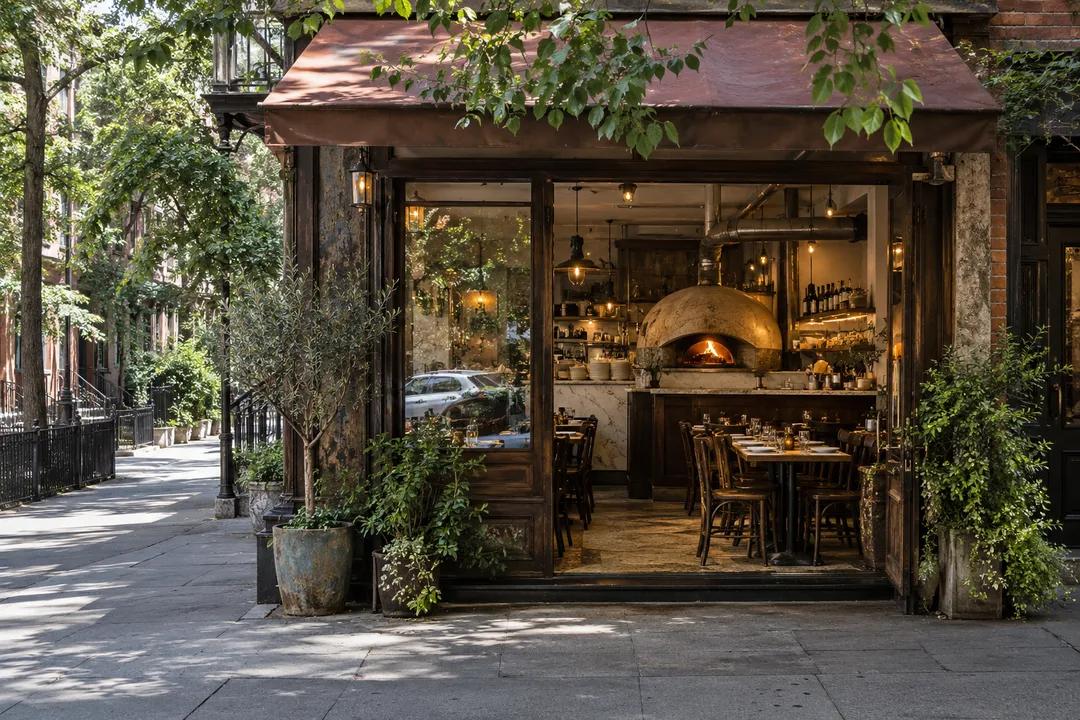
Keste Neapolitan Pizzeria: Greenwich Weeknight Ease Guide
Keste at 271 Bleecker Street brings Neapolitan pizza to a compact Village room, with a practical weeknight rhythm and a smart classic-to-creative order.
Keste Pizza & Vino gives a neapolitan pizzeria search a distinctly Greenwich Village address: 271 Bleecker Street. The room is compact and focused, with the oven doing most of the visual work. This is the kind of restaurant where the first decision is not whether pizza is the right dinner, but whether the table wants a classic red pie, a white pie, or one of the combinations that makes the menu feel more expansive than its format.
The Bleecker Street setting
The atmosphere is casual without becoming anonymous. Bleecker Street brings a steady stream of walkers, and the interior keeps that energy close to the tables. A pair can share two pizzas and compare crusts, a larger group should decide its order before everyone becomes hungry. Keste is easier when one person watches the menu and another watches the room. The small practical rule is to keep bags tucked away so servers can move through the tight aisles.
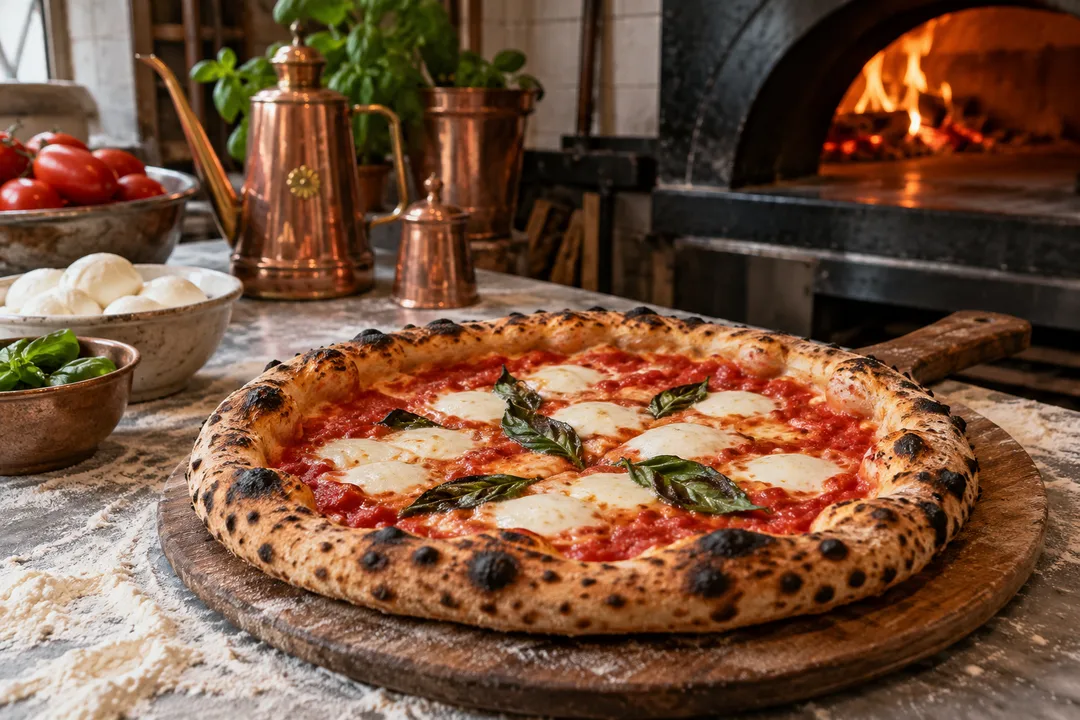
Neapolitan pizza depends on proportion, and Keste is a good place to taste how the components work together. The center should remain tender, the rim should carry char and air, and the toppings should be restrained enough that the dough is still part of the bite. Start with a simple pie, then choose a second with a stronger vegetable, cheese, or cured-meat profile. That order creates a useful baseline instead of turning every bite into a topping contest.
A Margherita-style pizza is the clearest introduction because tomato, mozzarella, basil, and olive oil expose the oven's timing. Marinara makes a sharper comparison if your table likes garlic and oregano. For a second order, follow the server's recommendation when a seasonal vegetable appears, fresh produce often gives the soft crust needed contrast. Do not assume the most crowded section of the menu is the best choice. The kitchen's restraint is part of Keste's identity.
Choosing a pie at Keste
The table technique is simple: eat the center first while it is hottest, then use the raised crust to finish the bite. Neapolitan pizza is not meant to arrive rigid, and a fold can push loose toppings toward the plate. A knife and fork are practical, not fussy, when the tomato is juicy. Share a salad or a small starter only if the table genuinely wants it. The pies are substantial enough to make over-ordering easy.
Keste's story is a Village version of a familiar Italian idea: a focused pizzeria can feel like a neighborhood restaurant when it respects the dough and keeps the dining room active. The strongest details are physical rather than promotional—the flour on the work surface, the oven's quick flare, and the way a pie changes as it cools. Visitors who want a polished tasting menu will find it too casual, pizza people will understand the point quickly.
Weeknights are the easiest time to make Keste feel relaxed. Arrive before the main dinner surge or after the first wave has cleared, and you can spend more time choosing without blocking the doorway. Thursday through Saturday deserve a clearer plan because Bleecker Street stays busy and tables turn at a visible rhythm. If the wait stretches past the time your group can comfortably handle, set a return point and take a Village loop instead of hovering inside.
Arrive smart and walk the Village
A short walk after dinner can follow Bleecker Street west toward the quieter lanes around Christopher Street, or east toward Washington Square Park. The park is close enough to make the meal feel connected to the neighborhood rather than isolated in a restaurant bubble. A longer route can continue toward Hudson Square. Keep the walk on foot, the point is to let the crust settle and to notice the Village storefronts that are easy to miss before dinner.
The best pre-meal approach is from Washington Square Park, where the streets naturally slow down before the restaurant's busier corner. From there, reach Bleecker Street without adding a second destination. Afterward, head toward the West Village if the group wants quieter architecture, or toward MacDougal Street if it wants more movement. Both routes work because Keste sits in a neighborhood that offers choices without demanding another booking.
Keste works for a date, an informal family meal, or a visitor who wants a clear introduction to New York's Neapolitan scene. It is less suited to a long, silent dinner with elaborate service. Skip the urge to order one pizza per person unless the table has very different appetites, sharing two contrasting pies creates a better read of the kitchen. A simple wine or sparkling water is enough to keep the focus on the crust.
Practical Notes for Keste
Before setting out, use Karpo APP to compare the restaurant's location with the rest of the Village evening. The useful question is not only where to eat, but when to arrive and what to do if the first table is unavailable. Keste rewards a little planning because its room is intimate. A saved backup route means the group can turn a wait into a walk without losing the mood of the night.
Keste Pizza & Vino is at 271 Bleecker Street, New York, NY 10014. Keep the address handy for a rideshare, and remember that a Village street can feel slower than the map suggests when pedestrians crowd the sidewalks. The room is casual, but the oven works quickly, once seated, order with enough confidence to let the kitchen do its job.
If your group arrives during the busiest window, ask for the honest wait rather than a vague promise. Then choose between a short loop around Washington Square and a different nearby dinner. The fallback should match the group's appetite: a bakery or wine bar can buy time, while a slice counter can solve immediate hunger. Returning to Keste makes sense only if the expected wait still fits the rest of the evening.
The best tasting sequence is a red pie first, a more individual combination second, and a pause before deciding which one won. Look at the edge, then the center, compare the aroma of the char, not just the amount of topping. This is especially useful for diners who usually prefer crisp slices. Keste's texture asks for a different standard, and the comparison becomes more interesting when the table gives the crust room to speak.
Ask Karpo for more information.
Keep reading
- SoHo Taco Truck Night Finder After a Retail Closing Shift
 Williamsburg Taco Truck Night Finder for Bridge Cyclists
 Upper West Side Taco Truck Night Finder for Parents Out