The renewed search interest around 1950s rock star freddy cannon lands at a useful moment for New Yorkers who want more than a quick obituary skim. Cannon’s story runs through early rock records, television, amusement-park memory, oldies radio, and the broader machinery that turned regional performers into national names. NYC does not have one single public “Freddy Cannon archive,” so the smarter route is a verified research circuit: start with music and recorded-sound collections, use city-history context carefully, and check exhibit dates before you travel. This guide is built for an indoor, low-cost day of listening, reading, and deciding what can actually be confirmed.
Want a sharper research day around early rock, archives, and NYC music memory? Text Karpo before you go for current hours, backup stops, and source-first routing.

Start at NYPL’s Music Division at Lincoln Center
The most practical first stop is the Music Division at The New York Public Library for the Performing Arts, listed at 40 Lincoln Center Plaza with its entrance at 111 Amsterdam Avenue between 64th and 65th Streets. NYPL describes the division as covering classical, opera, popular music, spirituals, ragtime, jazz, musical theater, film, rock, and world music. That breadth matters because Cannon is best studied as part of a media ecosystem, not as a single isolated celebrity file.
NYPL’s current public page says researchers do not need an appointment to access the Music and Recorded Sound Research Collections, though appointments are recommended for archival materials if you want a seat and smoother handling. The failure mode is arriving with only a name and expecting staff to produce a ready-made Cannon folder. Build a short query list first: song titles, producers, labels, television appearances, and New York references such as “Palisades Park.”
Use the Special Collections Reading Room for Archival Requests
For deeper work, the Katharine Cornell-Guthrie McClintic Special Collections Reading Room on the third floor is the decision point. NYPL says researchers must create a Special Collections account to request special collections material. It also notes that walk-ins are welcome, but some collections are stored offsite and require two to three business days for retrieval. That timing changes the plan from casual drop-in to staged research.
This is where the pace slows. If your goal is a same-day intellectual outing, use the catalog, reference desk, listening stations, and open materials first. If your goal is a publishable claim about Cannon’s place in rock history, request materials ahead and treat the first visit as reconnaissance. Accessibility is favorable because NYPL marks the Music Division as fully accessible, but archival access still depends on account setup, paging, seat availability, and material condition.
Check Recorded Sound and Listening Options Before You Commit
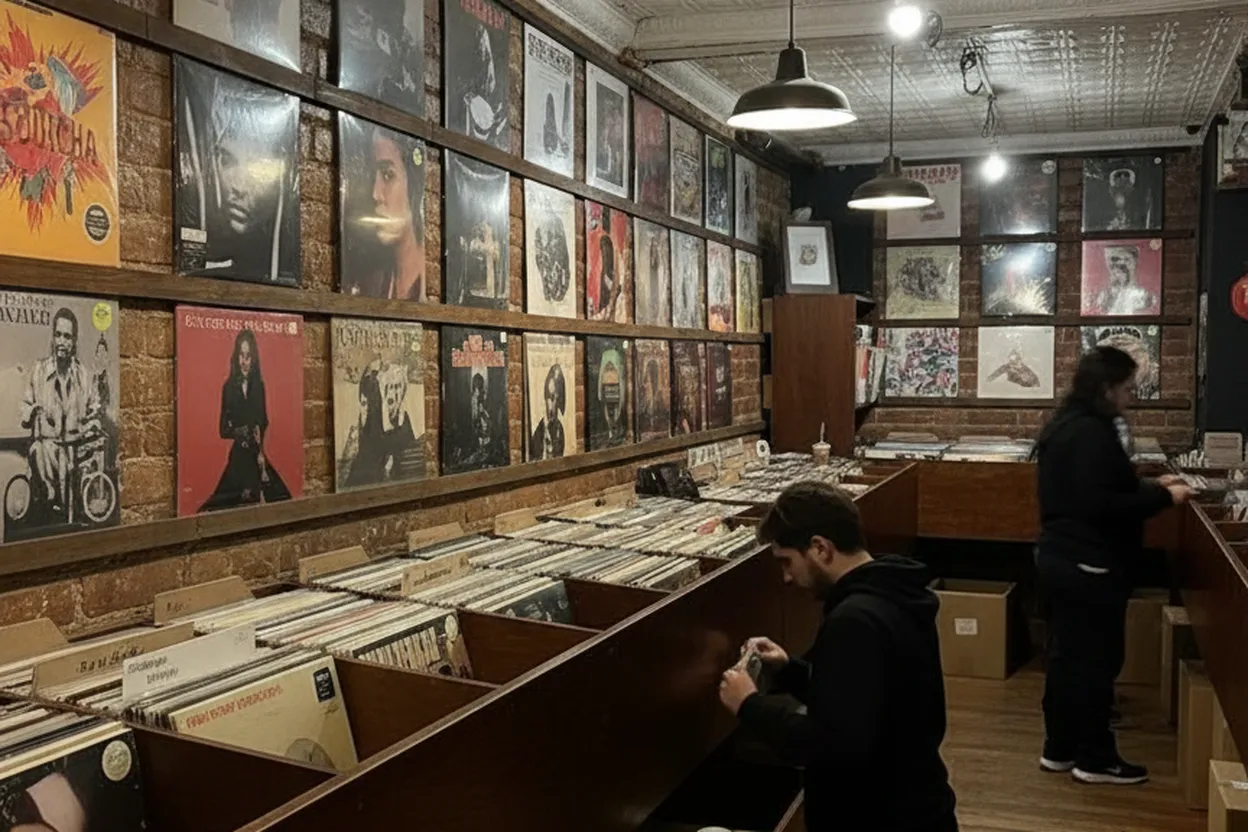
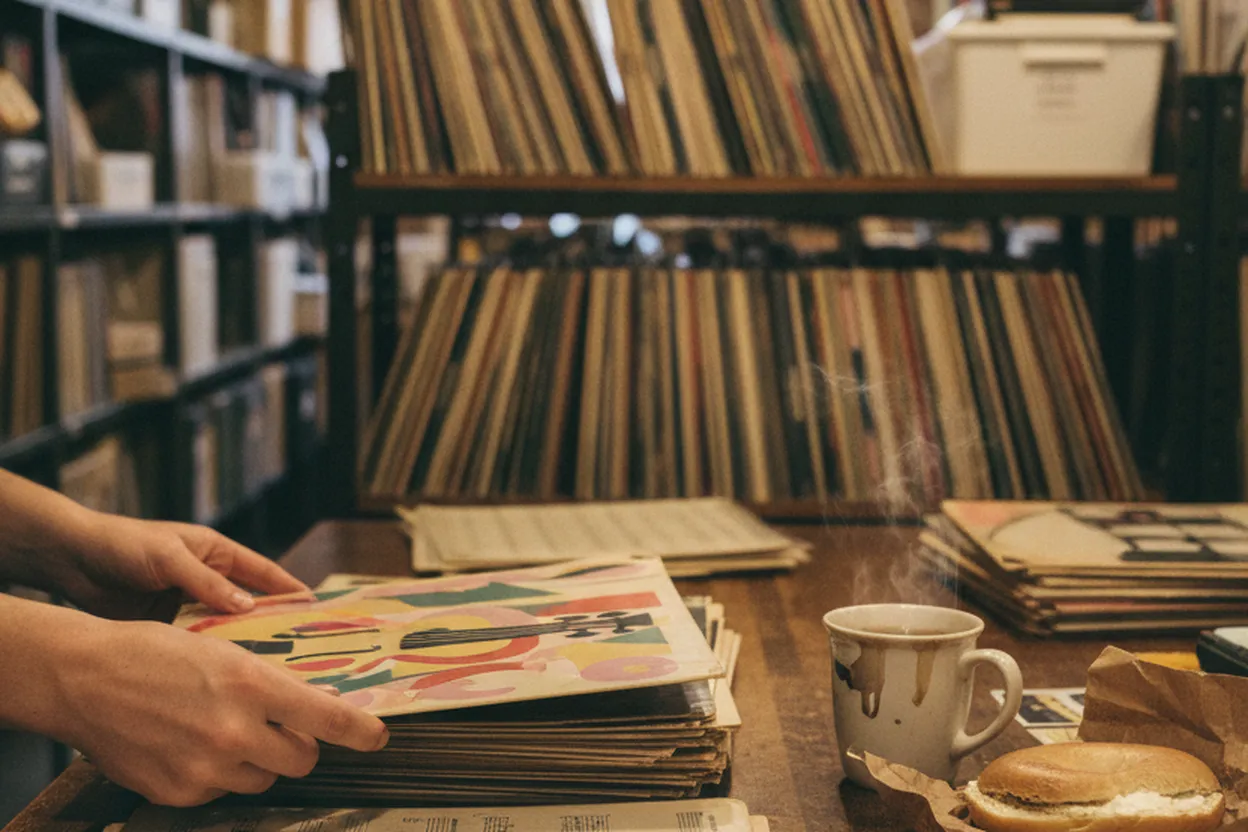
The Library for the Performing Arts building guide places listening and multimedia stations on the first floor and Music and Recorded Sound research collections on the third floor. That layout helps visitors who want to compare recorded evidence rather than just read about it. Cannon’s records are energetic, but the research question is specific: what did the recordings, arrangements, labels, and broadcast channels do to make early rock feel portable, repeatable, and commercial?
The tradeoff is that audio access can be more procedural than streaming at home. Some materials may be restricted to onsite use, some may require staff guidance, and some catalog records can be confusing if you are not used to library systems. Go when you can spend at least ninety minutes. If the catalog path stalls, ask a reference librarian how to search by song title, performer name, producer, label, or broader subject terms like rock and roll.
Add Museum of the City of New York for Broader Music Context
Museum of the City of New York is useful as a context stop, not as proof that Cannon has a dedicated current display. Its collections page says the museum holds approximately 750,000 objects and makes nearly 190,000 available through its online Collections Portal. That scale is helpful for understanding the city’s visual and cultural record, including performance, theater, photographs, neighborhoods, and entertainment life around the decades when early rock was expanding.
The practical caution is timing. MCNY’s “Songs of New York” exhibition ran from February 14, 2025 through July 19, 2026, so as of July 28, 2026 it should not be treated as an available in-person option unless the museum posts an extension or related program. Use the museum’s website to verify current exhibitions before leaving. If nothing music-specific is on view, the online portal may still support a research day from home or a library table.
Use the Transit Museum Angle for Palisades Park Carefully
Cannon’s most durable New York-area reference is “Palisades Park,” tied to the famous amusement park in New Jersey rather than a surviving NYC venue. For a New York reader, the useful angle is regional leisure geography: how trains, buses, radio, and teenage mobility shaped where songs could travel. The New York Transit Museum can support that broader question, but it should not be presented as a Cannon archive or a direct music-history venue.
The museum’s official visitor page lists its Brooklyn site at 99 Schermerhorn Street, open Wednesday through Sunday from 10 a.m. to 4 p.m., with advance reservations strongly encouraged. It also warns that the historic decommissioned subway station has no elevator and that only some areas are climate-controlled. That makes it a backup for transit context, not the easiest stop for every visitor, especially in hot weather or for anyone needing step-free vertical access.
Decide Whether This Is a Solo Research Day or a Small-Group Outing
This itinerary works best solo or with one patient friend. Archive days reward quiet comparison: one person checks catalog records, another scans exhibition pages or discography notes, and both pause before making claims. It is less suited to a large social group because research rooms have procedures, seats can be limited, and the best discoveries often come from following a librarian’s suggested search term rather than moving through a fixed attraction route.
Budget expectations should also stay conservative. NYPL research access is the free anchor, while MCNY and the Transit Museum may involve admission depending on the site and program you choose. Do not assume a full day is free just because the tag is “free things to do.” The strongest no-cost version is NYPL plus online collection searching. Paid museum stops should be added only after confirming current exhibitions, access needs, and available time.
Verify the Cannon Claim Trail Before Publishing or Posting
The most important final step is separating stable facts from fresh claims. Reputable music references currently connect Cannon with hits including “Tallahassee Lassie,” “Way Down Yonder in New Orleans,” and “Palisades Park,” and recent reputable artist pages report his death on July 17, 2026. Because biographical pages can disagree on birth year and details, avoid casual certainty unless you can cite the specific source you used. For public writing, name the source and date checked.
Before leaving home on July 28, 2026, verify NYPL hours, Special Collections account requirements, MCNY exhibition status, and Transit Museum ticket availability on their official pages. If one piece fails, the backup is simple: keep the day at Lincoln Center, use NYPL’s catalog and reference staff, and save museum context for a second visit. The win is not covering every stop; it is leaving with claims you can defend.
Tags: #AskKarpo #BeforeYouGo #NYCMusic #FreddyCannon #RockAndRollHistory #NYPL #LincolnCenter #MusicArchives #NYCArchives #FreeThingsToDoNYC #MuseumOfTheCityOfNY #TransitMuseum #IndoorNYC #MusicHistory
Sources consulted: Source 1: nypl.org · Source 2: nypl.org · Source 3: nypl.org · Source 4: mcny.org · Source 5: mcny.org · Source 6: nytransitmuseum.org
All trademarks are the property of their respective owners.
Ask Karpo first
Tell Karpo your date, group size, budget, and starting neighborhood. We’ll check current access, timing, transit, and the cleanest plan for NYC Music Archives before you head out.