As lou koller tribute news continues to move through music feeds, the useful next step in New York is quieter: verify the record. Lou Koller, remembered in current reporting as the Queens-born co-founder and frontman of Sick of It All, belongs to a city history that is scattered across libraries, university collections, digitized images, oral histories, flyers, recordings, and personal memory. This guide is for a reflective daytime visit, not a memorial crawl. It explains where to start, what each archive can realistically provide, and how to avoid dead ends when a name, venue, date, or scene claim is not immediately searchable.
Want a calm archive route around NYC hardcore history? Text Karpo with Lou Koller research goals, mobility needs, and your borough, and we’ll help shape a verified first stop.

NYPL Music Division: Start With the Broadest Music Archive
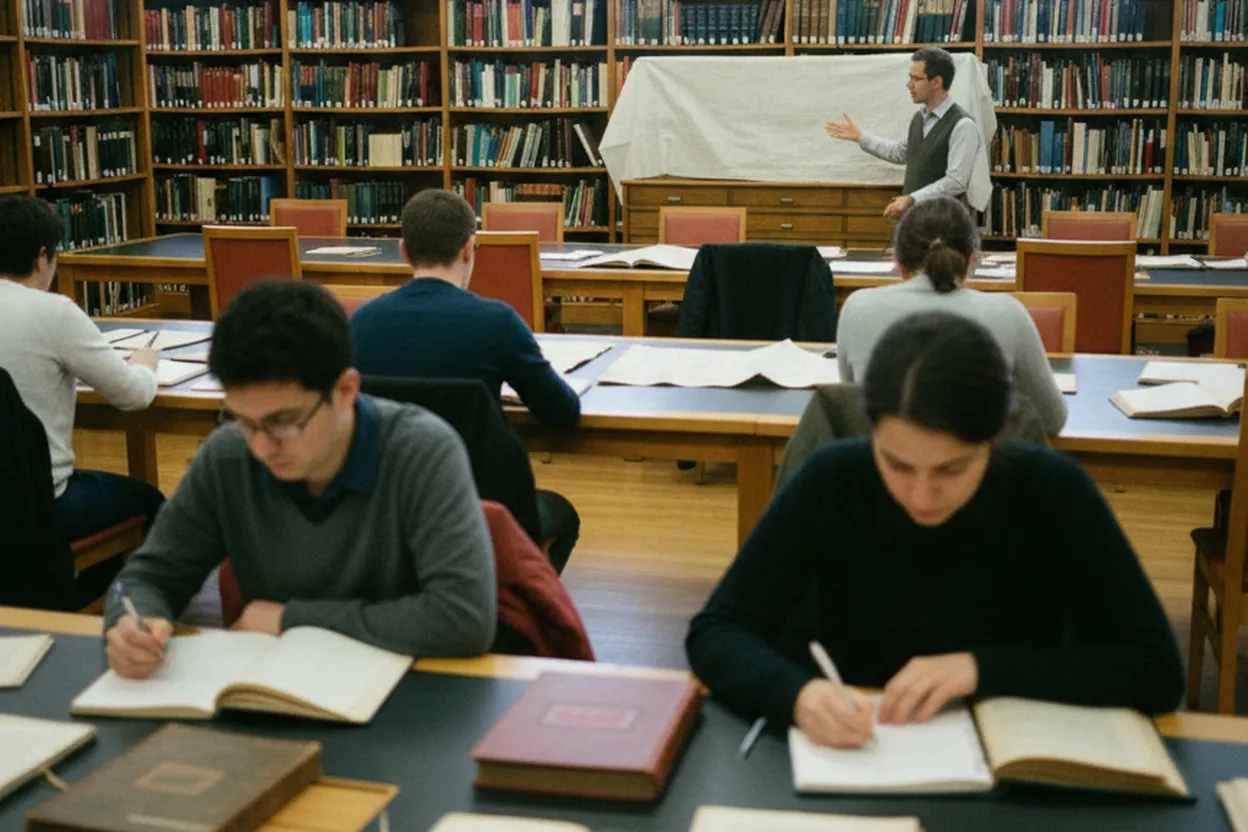
The NYPL Music Division at the Library for the Performing Arts is the cleanest first stop for a general music-history search. NYPL lists it at 40 Lincoln Center Plaza, on the third floor, and describes the division as covering classical, opera, popular music, spirituals, ragtime, jazz, musical theater, film, rock, and world music. For a Lou Koller or Sick of It All trail, use it to frame the wider research question before chasing a single object.
The practical tradeoff is access. NYPL says patrons must create a Special Collections account to use special collections materials, and division hours can vary from building hours. Walk in for orientation if the schedule allows, but do not assume rare material will be pulled instantly. Bring exact spellings, alternate band names, date ranges, and a short source list so staff can help you separate cataloged holdings from material that may live elsewhere.
NYPL Digital Collections: Search Remotely Before Riding Uptown
NYPL Digital Collections is the best low-friction first pass because it can be searched before you leave home. NYPL says the platform is its primary portal for digitized collections and descriptions, with more than a million items across formats including photos, manuscripts, books, maps, videos, and more. For punk and hardcore research, test terms like “Sick of It All,” “CBGB,” “Queens hardcore,” and venue names rather than relying only on Lou Koller.
Its failure mode is false silence. NYPL notes the digitized platform represents only a fraction of overall holdings, so a missing result does not mean the archive has nothing. Use filters for public domain, available online, date range, and on-site materials, then save item links and rights notes. If you need publication-ready images, check permissions carefully; if you only need context, metadata and related collection links may be enough for a productive reading day.
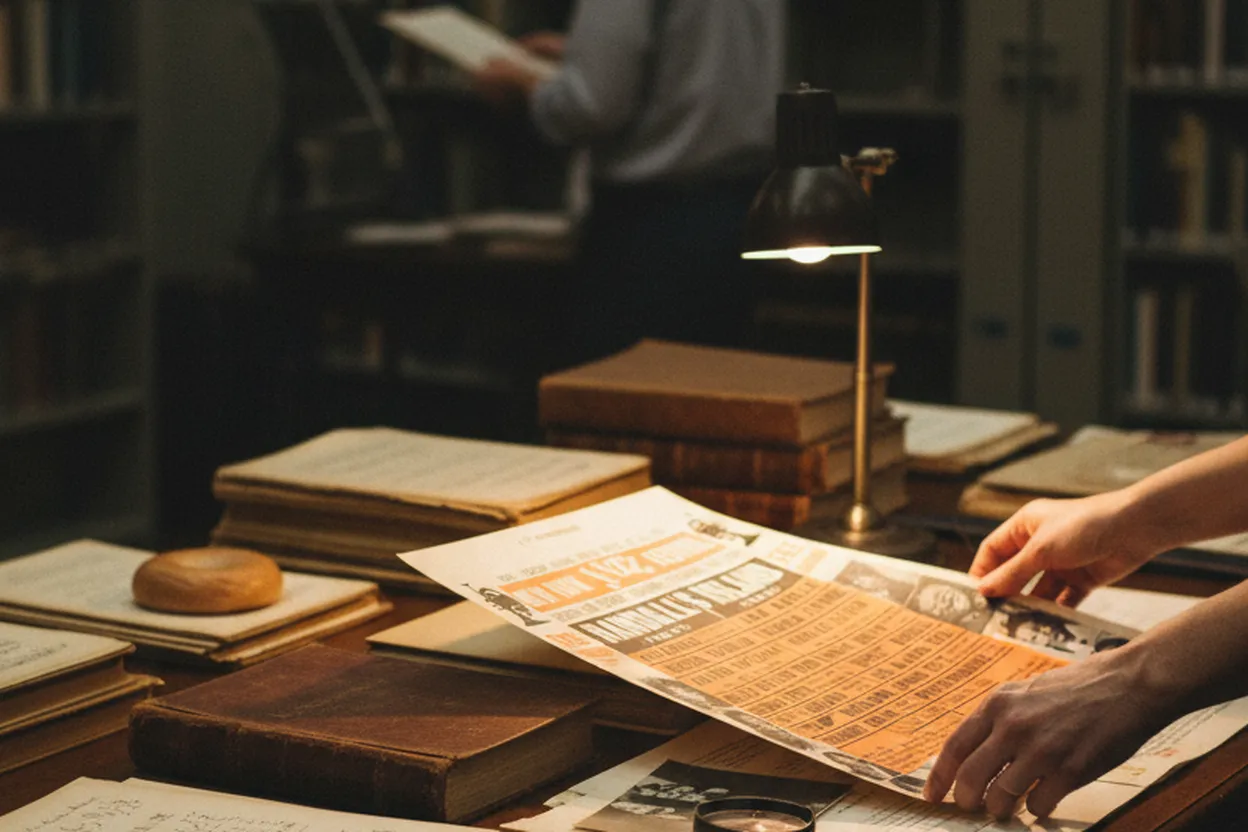
NYU Fales Downtown Collection: Use It for Scene Context, Not Guaranteed Koller Files
NYU’s Special Collections page says the Downtown Collection was founded in 1994 and documents downtown arts scenes in SoHo, the East Village, and the Lower East Side from the 1960s to the present, especially the mid-1970s through mid-1990s. Digital Downtown adds that Fales holds video, recorded music, documents, and other material tied to underground arts. That makes it valuable for venue culture and adjacent punk networks.
The access rules are stricter than a public library stop. NYU says all library visitors must be sponsored by a current active NYU faculty member or employee, and requests should be made at least two business days before preferred visit dates; it also says walk-in visitors cannot be accommodated. If you lack NYU access, treat Fales as a citation and planning resource first, then use NYPL or your home library to pursue a METRO referral path.
Queens Public Library Hip Hop Programs: Look for Community-Archive Methods
Queens Public Library is not the obvious Sick of It All archive, but it matters because Koller’s story is tied to Queens and because QPL has documented music culture through public programming. Its Hip Hop Programs and Culture page describes a mission to recognize, document, and celebrate hip hop culture. That model is useful for readers asking how local scenes become preserved before they become formal archives.
Use QPL as a pacing and backup stop, especially if you want a less formal research day. Search the calendar for music-history talks, oral-history programs, zine workshops, or Queens cultural events, then confirm the location and accessibility details for that exact branch. The limitation is genre fit: do not expect hardcore holdings unless the catalog or staff confirms them. The value is learning how borough-based music memory gets collected and shared.

Stephen A. Schwarzman Building: Pair Research With a Midtown Backup
The Stephen A. Schwarzman Building is useful when your archive plan needs resilience. NYPL identifies it as a major research center at Fifth Avenue and 42nd Street, with a Visitor Center and research collections. It is not the most targeted music stop, but it can support newspaper, photo, periodical, and broader New York history work if a Lincoln Center request stalls or a special collection appointment is unavailable.
Accessibility is one reason it works as a backup. NYPL lists the Schwarzman Building as fully accessible, with main Fifth Avenue entry and accessible entrances at 40th and 42nd Streets, plus elevator access to public service levels. The caveat is current renovation work: NYPL warns of possible noise or disruption. Build a shorter task list here, such as confirming dates, scanning indexes, or asking staff where a music-specific query should go next.
Bryant Park and Transit Choices: Protect the Research Day From Logistics
For a two-stop day, pair the Schwarzman Building with Bryant Park as a reset point rather than a destination. Bryant Park’s accessibility page lists accessible entrances mid-block on 40th and 42nd Streets between Fifth and Sixth Avenues, accessible restrooms, and nearby buses. It also notes that the Bryant Park subway station on the B/D/F/M lines is not accessible, which matters if stairs or elevators decide your route.
Transit should be verified the morning of travel. The MTA’s app guidance says riders can filter the subway map for accessible stations and should check elevator status before going. If your plan depends on step-free access, use buses or accessible subway stations near your chosen archive, then leave a longer buffer than a normal museum visit. Archive work punishes lateness because reading-room pulls, registration, lockers, and closing times can compress quickly.
Your Final Source Check: Decide What Counts as Evidence
Before publishing, posting, or even repeating a claim, sort evidence into tiers. A current band statement or reputable news report can support the basic obituary timeline; an archive finding aid can support the existence and scope of a collection; a digitized item can support a specific visual or document claim. Fan memories are valuable leads, but they should be labeled as memories unless matched to a program, recording, flyer, interview, or institutional record.
The final verification step is simple: reopen every page you plan to cite on July 28, 2026, confirm hours or access rules on the venue’s own site, and email the archive when a catalog record is unclear. Go if you want a slow, careful research session with uncertain discoveries. Skip the trip and start online if you need guaranteed Lou Koller material today, because not every important NYC music story is cataloged under the name you first search.
Tags: #AskKarpo #BeforeYouGo #NYCMusicArchives #LouKoller #SickOfItAll #NYCHardcore #NYPL #NYUMusicHistory #DowntownCollection #QueensMusic #PunkHistory #ArchiveResearch #IndoorNYC #BarsNightsOut
Sources consulted: Source 1: nypl.org · Source 2: digitalcollections.nypl.org · Source 3: library.nyu.edu · Source 4: library.nyu.edu · Source 5: theguardian.com · Source 6: bryantpark.org
All trademarks are the property of their respective owners.
Ask Karpo first
Tell Karpo your date, group size, budget, and starting neighborhood. We’ll check current access, timing, transit, and the cleanest plan for NYC Public Libraries or University Archives before you head out.