 Fort Greene Holiday Market Browsing Guide for Young Shoppers
Weekend Plans
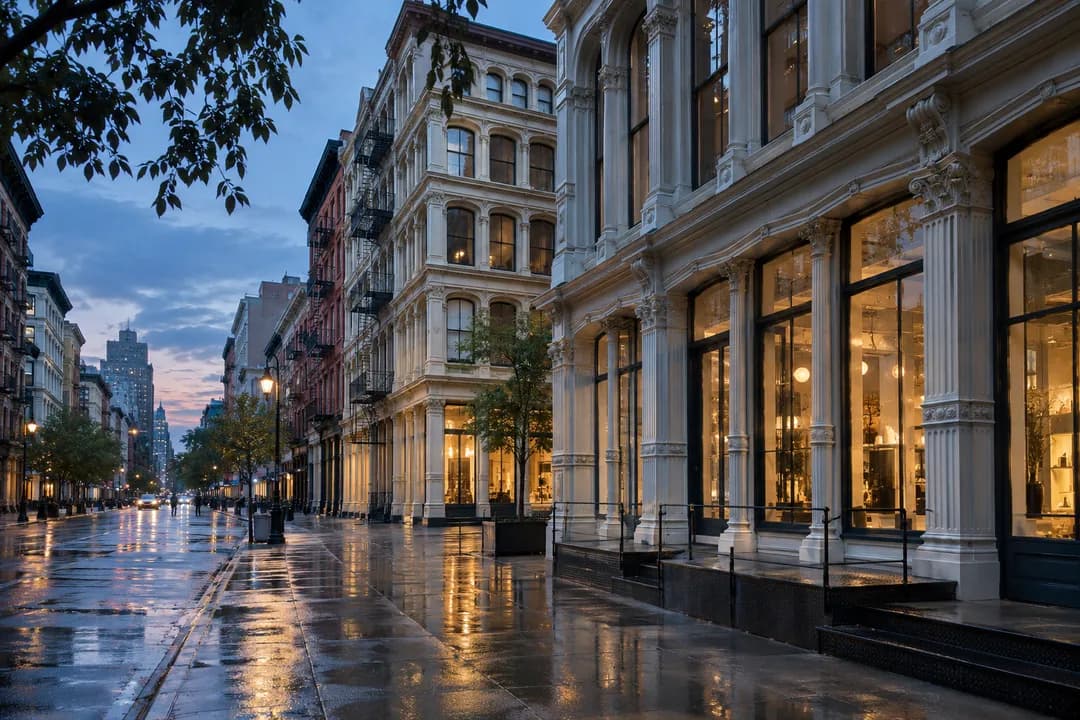
SoHo Museum Late Night Finder: Pick One Art Evening
Plan a museum evening from SoHo with one exhibition, a short cast iron walk and a dated admission choice, keeping the art ahead of extra stops and errands.
A museum evening from SoHo starts with a choice between staying downtown and travelling for a particular exhibition. The neighbourhood's cast iron streets make an appealing prelude, but a handsome facade is no evidence of a late museum entrance. Use this museum late night finder as a planning method: decide which exhibition deserves the evening, tie it to a dated admission page, and keep the street walk small enough that the visit remains the main event.
Begin with the art, not the nearest pin
The New Museum on the Bowery is a useful first research anchor for contemporary art. Its official visit page separates regular admission from its Thursday evening programme. That distinction matters more than a generic search result saying a museum is nearby. Open the exhibition description and ask whether you actually want to spend an evening with that work. A familiar institution with an unappealing show is a weaker choice than a slightly longer trip to something you care about.
Make the first decision on paper or in a personal note: experimental moving image, photography, painting, or an exhibition you already know by name. Give yourself one preference and one deal breaker. Someone who dislikes long video installations should not choose a show just because its ticket fits the evening. Someone hoping to draw may value sustained time in a gallery more than a social programme. These are different outings, even when they begin on the same SoHo corner.
Read three different kinds of admission page
A museum visit page, a dated event listing, and a ticket selection screen answer different questions. The first describes the institution. The second tells you what a particular programme involves. The third is where your intended date and admission type must line up. Keep those pages together rather than copying a closing time into a note without its context. A talk held in a museum is not automatically a ticket to every exhibition in the building.
For the New Museum, use the official visit and free admission pages together when considering the Thursday option. Read the reservation instructions directly. This guide deliberately leaves the transaction with the museum: choose the date there and retain the confirmation it issues. The useful output of your search is a named exhibition plus a workable entry arrangement, not a promise that an app has secured a place or that showing up beside the door will be enough.
A SoHo walk that earns its place
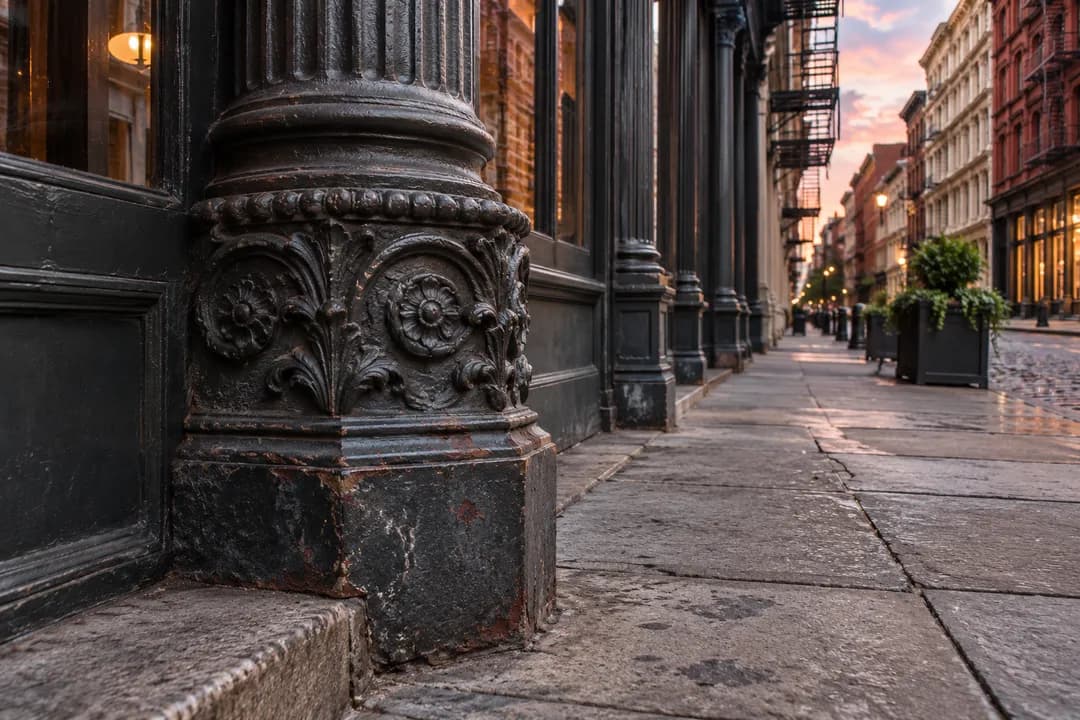
Choose a short section of the cast iron district before heading toward the Bowery. Greene Street gives the prelude a clear architectural subject: repeated columns, tall windows, and the relationship between the ground floor and the upper facade. Look at one block carefully instead of treating every shopfront as another stop. This outdoor sequence is optional. It should make the museum visit feel connected to the city without pretending that architecture viewed from the pavement is a museum exhibition.
There is a useful exercise here for a photography minded visitor. Pick one facade and notice how its vertical lines change when you stand closer or move across the street at a crossing. You can do this without photographing residents, obstructing a doorway, or entering a shop. Carry the observation into the exhibition: how has the artist framed a subject, and what did that choice exclude? The link is a question you bring along, not an invented curatorial connection.
Work backwards from the entry you selected
Once a museum ticket is chosen, put your intended arrival ahead of it in the plan. Include the journey from your actual starting point, a modest buffer, and anything you need to do before entering. Treat a meal, a bag drop, and meeting a friend as real tasks. Do not squeeze all three between the last shop you want to browse and the museum door. The time saved by removing one errand is often more useful than finding a cleverer route.
For a group, name a meeting place that is recognizable without everyone sharing their location. A junction works better than a vague instruction to meet somewhere in SoHo. Tell late arrivals whether the group will continue to the museum or wait. This is your own agreement, not a museum policy. It prevents the common failure in which everybody reaches the neighbourhood but nobody reaches the exhibition with enough attention left to enjoy it.
What belongs in the gallery portion
Give the exhibition a simple purpose. You might want to understand one artist, spend time with a particular installation, or compare how two rooms handle scale. Start with that purpose and allow it to change. A late visit need not reproduce an entire daytime itinerary. Reading every label while hurrying past the work is a poor exchange if the reason you came was to look. Select fewer works and give each a second look before moving on.
Keep visit etiquette tied to the institution's published visitor information and staff directions. Look up bag and photography rules before packing rather than making assumptions about a small camera or a large shopping tote. Within the galleries, leave clear paths and keep conversation considerate. If a room feels too busy for the way you want to look, move to another work and return later if the visit permits. This is a flexible looking strategy, not a prediction of queue lengths.
When the reservation does not work
Skip the museum attempt if the only remaining entry leaves you rushing through the show. The honest alternative is to keep the SoHo architecture walk and choose a different museum date. That is more satisfying than paying for an outing whose main activity you cannot complete. Do not substitute an unnamed gallery from a vague evening recommendation. A replacement needs its own named institution, relevant exhibition, and admission arrangement before it becomes part of the evening.
If a friend mainly wants conversation, separate that wish from the gallery visit. Agree to talk during the walk and after the exhibition, with independent looking in between. If rain removes the outdoor prelude, go straight to the museum according to the ticket you selected. You do not need to manufacture an indoor shopping circuit to fill the gap. A shorter evening that delivers the art is a successful plan.
Practical Notes: keep a compact decision record
Record the exhibition, selected date, ticket confirmation, meeting instruction, and return destination in one place you control. Leave museum announcements attached to their original pages. Ask a planning question in the Karpo APP if that helps you articulate the outing: you are starting in SoHo, want contemporary art, and prefer a short walk. Complete museum reservations through the institution's own service. Your final plan should contain one museum decision and one optional street sequence, with enough space to enjoy both.
Ask Karpo for more information.
Keep reading
- Fort Greene Holiday Market Browsing Guide for Young Shoppers
 DUMBO Holiday Market Browsing Guide for Gifts to Mail Home
 Midtown East Holiday Market Browsing Guide for Commuters