 Crown Heights Rainy Day Kids Activity Finder for Toddlers
Weekend Plans
Village Museum Late Night Finder: Plan An Art Date
Build a Greenwich Village art date around the Whitney, with a flexible meal, a short walk and shared looking that leaves space for different tastes in art.
Choose the museum before arranging dinner for a Greenwich Village art date. The Whitney's official Free Friday Nights programme offers a real evening option nearby, but it is a ticketed plan, not an invitation to wander in whenever a meal ends. A museum late night finder works best here when it settles two questions early: do you both want this exhibition, and will the rest of the evening leave room to look at it?
Two people, two reasons to go
Begin separately. Each person picks one thing they would like from the evening: a particular exhibition, time together away from a table, a chance to look at painting, or simply an introduction to the Whitney. Compare those answers before buying or reserving anything. A date becomes awkward when one person expects a serious art visit while the other expects a quick backdrop for photographs. Neither preference is wrong, but they produce different plans.
Agree on what counts as enough. One exhibition and a conversation afterwards can be a complete evening. You do not have to cover every floor to justify going. If one of you enjoys slow looking and the other gets tired standing, choose a smaller shared goal and leave the pace adjustable. The aim is mutual attention, not a contest over who knows more about contemporary art or who can remember the most names from the wall labels.
Let the ticket define the middle of the date
The Whitney publishes its Friday programme on a dedicated official page, including instructions about tickets. Use that page to reach the museum's reservation service. Pick the date and entry arrangement together, then keep the confirmation accessible to both people. A social media post about a previous Friday is useful inspiration but does not complete this step. It is the selected admission, rather than a screenshot of a general recommendation, that gives the evening a dependable centre.
Separate museum admission from any other advertised activity. An exhibition, a performance, and a conversation programme can have different arrangements. Read the description of the thing you actually intend to attend and avoid building the date around an activity that only appeared in a past listing. You can enjoy a museum evening without a special event at all. Looking at art together supplies plenty to talk about when neither person feels obliged to perform expertise.
Use the Village as the conversation before the galleries
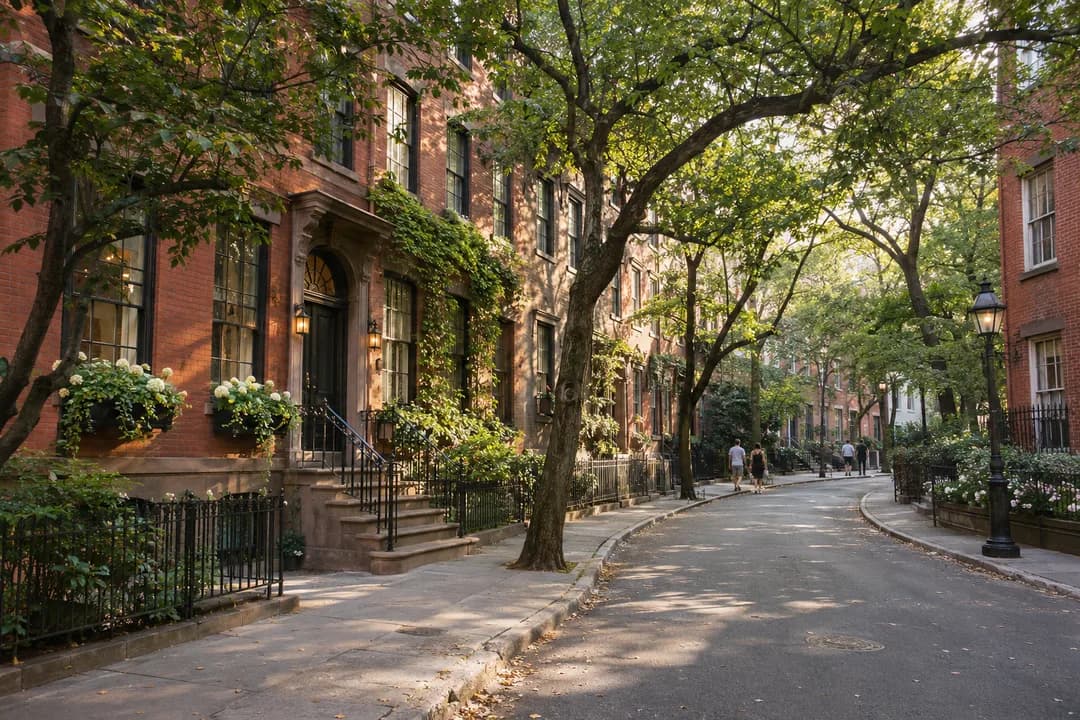
A West Village approach can be part of the date without becoming an itinerary of reservations. Choose a meeting point near a street you both recognize, then walk west through the neighbourhood toward the Meatpacking District. The changing scale of the streets is something to notice together: residential blocks give way to broader views near the river. Keep the walk as a prelude you can shorten, rather than a compulsory collection of photogenic corners.
If you want a conversation prompt, ask each other to choose one architectural detail along the way. A doorway, a window arrangement, or the relation of a building to its pavement is enough. Explain what drew your eye without pretending to know the building's history. Later, the same habit makes looking at art easier. Saying what you notice is a more welcoming beginning than trying to name a movement or guess the artist's intention before you have seen the work.
Keep dinner on the flexible side of the visit
A tightly booked meal before admission introduces a second clock into the date. Waiting for a table, finishing a course, or settling a bill can put the museum under pressure. If the exhibition matters most, eat simply beforehand or leave the substantial meal until afterwards. Choose the arrangement that suits your energy, not the one that sounds like the most elaborate date when described to somebody else. One strong anchor is easier to enjoy than three competing ones.
Avoid turning a snack into a restaurant claim this guide cannot make for you. Pick food according to your own dietary needs and the business you choose directly. If you are meeting after work, say whether you will arrive hungry. That small message is more useful than an ambitious dining shortlist. It also lets both people decide whether the museum visit should be a brief introduction or a longer stretch with a proper pause afterwards.
A way to look together without narrating everything
Try the first work silently. Spend enough time to notice what changes after the initial glance, then compare one observation each. You may disagree about the work and still have a good visit. Ask what the other person saw that you missed. This makes the conversation about shared looking rather than about being right. It also leaves space for somebody who enjoys art but does not have the vocabulary to discuss it confidently.
Allow a little independent browsing. Agree on a visible meeting point within the area staff permit visitors to use, then separate briefly if your interests diverge. Rejoining with one thing to show each other gives the visit a fresh direction. Do not photograph another visitor as part of a joke or block circulation while discussing a work. Follow the museum's own photography and bag guidance, and keep any detailed conversation for places where it will not intrude on other people's attention.
The river is an ending, not another obligation
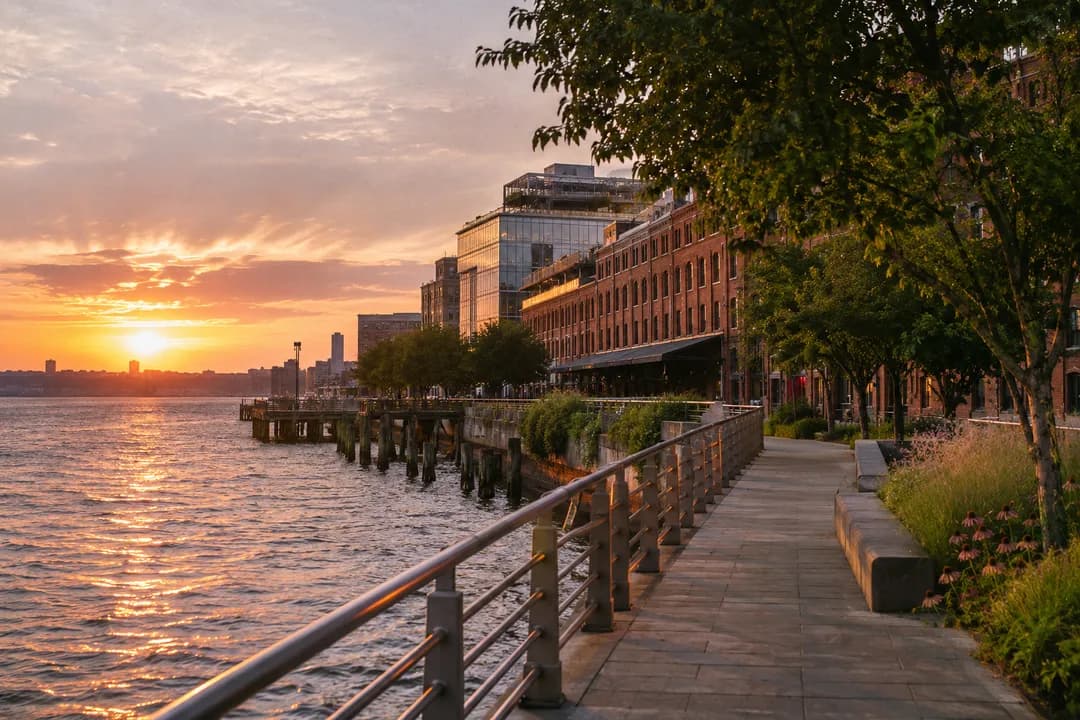
After the exhibition, decide whether you want to be outdoors. The Hudson River waterfront offers a clear change from enclosed galleries, but it is optional rather than an automatic final leg. A windy evening or a tired companion is enough reason to skip it. There is no loss in heading directly to food or home. A date should respond to how the two of you feel after the main activity, not continue because a route says there must be another stop.
If you do walk, keep the conversation attached to the art rather than reviewing the whole museum. Which work stayed with you? Did seeing it in person change what you expected? Would you come back alone? Questions like these have no correct answer. They leave room for the date to be personal, especially if one person found the exhibition difficult or simply did not like it. Honest disagreement is a better souvenir than matching opinions manufactured for politeness.
Practical Notes for a low-pressure art date
Keep the final plan short: named exhibition, selected admission, meeting place, food arrangement, and each person's journey home. Add accessibility requirements before choosing the outing, using the Whitney's visitor information for questions about the building. You can ask a broad planning question in the Karpo APP to put your preferences into words, while leaving tickets with the museum. If the preferred entry is unavailable, choose another date rather than replacing a thoughtful plan with a frantic museum dash.
Ask Karpo for more information.
Keep reading
- Crown Heights Rainy Day Kids Activity Finder for Toddlers
 Jackson Heights Rainy Day Kids Activity Finder for Siblings
 Lower East Side Rainy Day Kids Activity Finder by Stroller