 Crown Heights Rainy Day Kids Activity Finder for Toddlers
Weekend Plans
East Village Museum Late Night Finder For Solo Visits
Plan a solo museum evening from the East Village around photography, with a focused exhibition choice, room for looking and a simple Lower East Side walk.
A solo photography visit from the East Village needs a subject worth looking at, not a companion to make the evening legitimate. The International Center of Photography on the Lower East Side is a concrete place to begin that search. Its exhibition and visit pages serve different purposes: one helps you choose the work, the other helps you arrange admission. This museum late night finder uses that distinction to turn a vague art impulse into a focused personal outing.
Choose a question a photograph can answer
Start with a question that interests you outside the museum. How does a photographer make a street feel intimate? What makes a portrait seem candid? When does an image become evidence, and when does its framing become an argument? You need not know the answer or find an exhibition that promises to solve it. The question simply gives you a way into the work that is more useful than deciding whether every picture is beautiful.
Read the exhibition introduction on ICP's official site and decide whether its subject connects to your question. Look for the medium, the scope, and the description of the artist's approach. A historical survey and a single artist presentation ask for different kinds of attention. Pick according to what you want to learn, rather than assuming the newest exhibition must be the most relevant. Save the title so you arrive knowing what you came to see.
Give the walk south a visual purpose
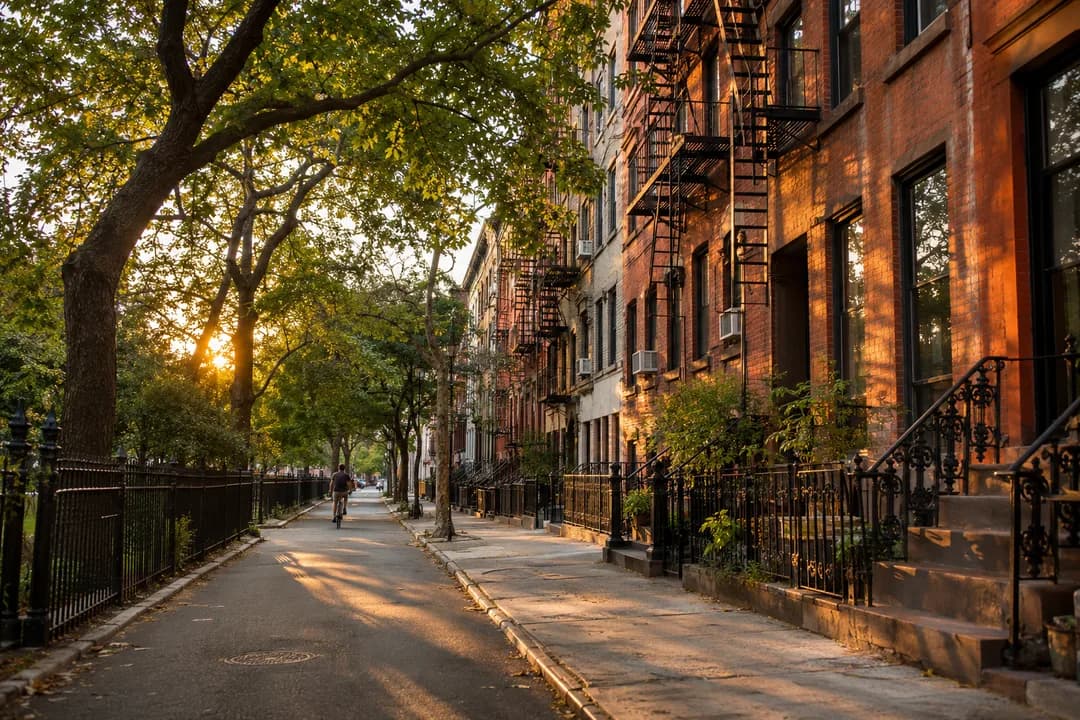
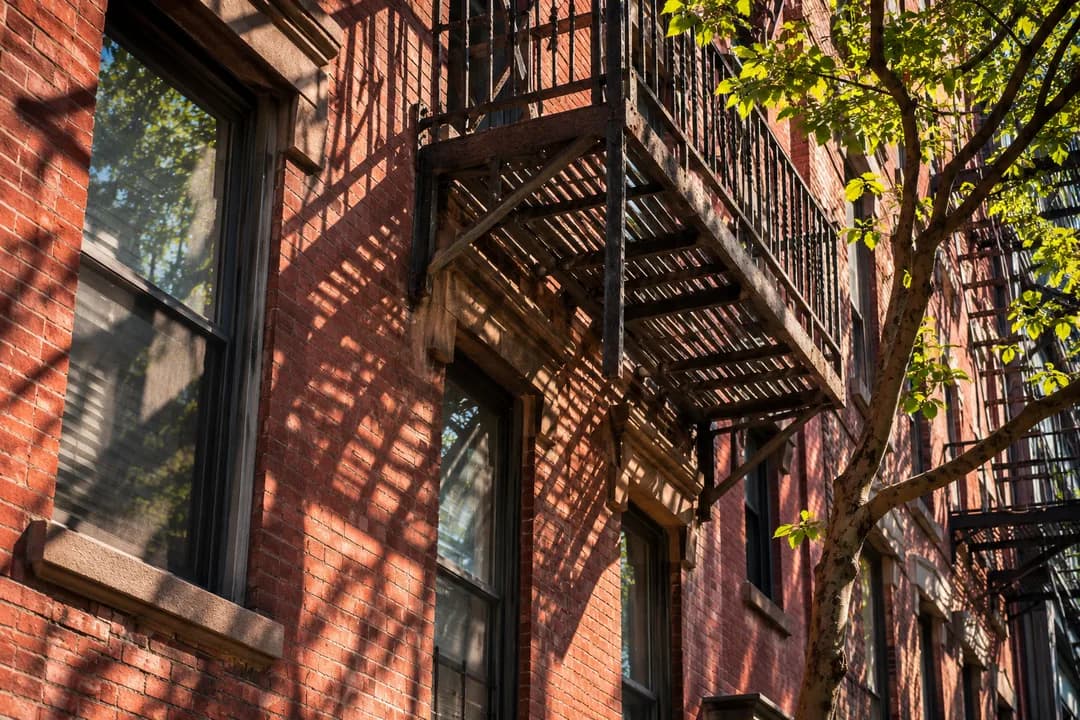
If you are starting near Tompkins Square, make your East Village prelude an exercise in noticing rather than photographing everything. Follow a sensible southbound route toward the Lower East Side, using crossings and keeping the museum admission you selected in mind. Look at how fire escapes cast shadows, where a tree interrupts a brick wall, and how a shop window frames the pavement. These are observations available from public streets, not invitations to enter private buildings.
Try looking without lifting a camera for one part of the walk. A photographer's decisions include what to leave outside the frame, and you can practise that decision with your eyes alone. Pick a small detail, then widen your attention to see what surrounds it. The exercise is valuable precisely because it does not need a publishable image at the end. Nobody walking past owes you a portrait, and nobody's private moment has to become material for your evening.
Arrange the visit without building a second project
ICP's official visit page is the place to move from interest to an admission plan. Follow its own ticket instructions for the day you choose. Read a dated event listing separately if a talk or programme attracts you. An old post about a late night is not evidence that the same event is happening again, and a programme title does not tell you whether you will be attending a conversation, entering galleries, or doing both.
Pack for looking rather than for a full photographic expedition. Use the museum's visitor information to decide what equipment and bags belong in the visit. You may find that a notebook is more helpful than carrying every lens you own. This is a personal choice, not a statement about the museum's equipment policy. The lighter your practical setup, the easier it is to focus on the work instead of managing belongings through every room.
Read an image in three passes
Begin with the image before its explanatory text. Notice the first thing your eye lands on, then ask what directs you there: contrast, scale, a gesture, an empty area, or a line that leads through the composition. Give yourself permission to be uncertain. Your immediate impression may be incomplete, but it is still useful evidence of how the image works on a viewer who has not yet been told what to see.
Next read the label or surrounding exhibition text and return to the image. Does the context change your interpretation? You may discover that a scene you read as spontaneous was constructed, or that a familiar looking place has a different history from the one you imagined. Do not force every photograph to produce a revelation. Some will remain distant. That response can help you understand your own interests as clearly as an image that immediately feels personal.
On the final pass, compare the photograph with a neighbouring work. Look at the sequence rather than judging the images as isolated objects. A small print beside a large one, a portrait followed by an empty room, or a repeated visual form can alter the rhythm of an exhibition. You do not need to guess the curator's intentions to describe what the arrangement makes you notice. Write a brief observation in your own words, then move on.
Let solitude change the pace
Going alone removes the need to negotiate every room. Use that freedom to return to a work instead of always moving forward. If an image keeps pulling your attention back, it may deserve more of the visit than an entire section you feel obliged to finish. Conversely, you can leave a work unresolved. A museum evening is not an exam, and completing the exhibition is not the only way to have spent the time well.
Protect other visitors' attention while keeping your own comfortable. Give someone room to look, avoid standing in a doorway with your notebook, and follow staff guidance about photographs. You can enjoy the exhibition without documenting proof that you attended. If you want to remember an artist or title, a short written note may do the job. The object is to take an idea back into the city, not to create a second archive that you never revisit.
Carry one observation back outside
After leaving, repeat the noticing exercise from the walk. Find a shadow, reflection, or frame within the ordinary streetscape and ask whether the exhibition changed how you see it. The answer may be no, which is also fine. Avoid staging an elaborate street shoot just to make the outing feel productive. A single observation can be enough. Keep the route home direct if your attention has been used up by the galleries.
If the exhibition does not fit the evening you have available, save it for another day and keep the East Village walk as a separate activity. Do not turn an unnamed shop or an unannounced art space into a museum substitute. A real alternative needs a real programme. The useful result of the search may be a later visit, chosen with more confidence, rather than an immediate admission squeezed into the wrong night.
Practical Notes for an independent looking session
Put the exhibition name, admission confirmation, journey and one question in a note before leaving. Open institutional visitor information for access needs and gallery rules rather than relying on another visitor's assumptions. Use the Karpo APP to ask a planning question about a solo photography evening if useful, then make the museum arrangement directly. End with one sentence about what caught your eye. That small record makes the evening easier to remember without turning leisure into homework.
Ask Karpo for more information.
Keep reading
- Crown Heights Rainy Day Kids Activity Finder for Toddlers
 Jackson Heights Rainy Day Kids Activity Finder for Siblings
 Lower East Side Rainy Day Kids Activity Finder by Stroller