 Tribeca Bowling Group Night Planner for Wedding Guests
Sports Social
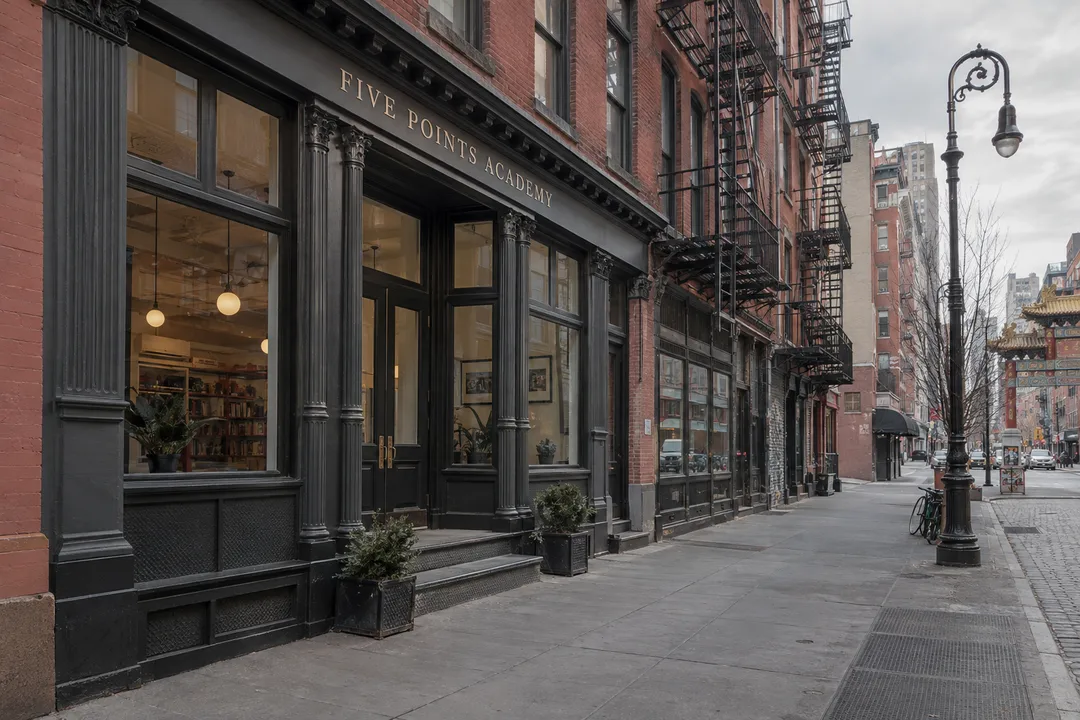
Muay Thai Near Me in Chinatown: Authentic Striking at Five Points Academy
A New York guide to Five Points Academy on Lafayette Street in Chinatown, offering authentic Muay Thai training, championship lineage, and disciplined pad work.
Locals hunting for authentic muay thai near me in Lower Manhattan inevitably gravitate toward 148 Lafayette Street, where Five Points Academy has anchored the neighborhood striking scene since the early 2000s. Operating at the dynamic seam where Chinatown meets SoHo, this academy avoids boutique fitness fads in favor of classic Thai training traditions, serious physical conditioning, and technical precision that draws amateur competitors alongside dedicated neighborhood professionals seeking genuine martial discipline on the canvas.
Reaching the facility is exceptionally convenient for downtown commuters and outer-borough practitioners traveling across the city. The academy entrance sits along Lafayette Street between Howard Street and Grand Street, merely two short blocks north of the major Canal Street subway complex serving the N, Q, R, W, 6, J, and Z train lines. Walking from the subway exit takes less than three minutes past historic cast-iron facades and busy Asian markets, putting you straight onto the academy threshold before rush-hour sidewalk congestion peaks.
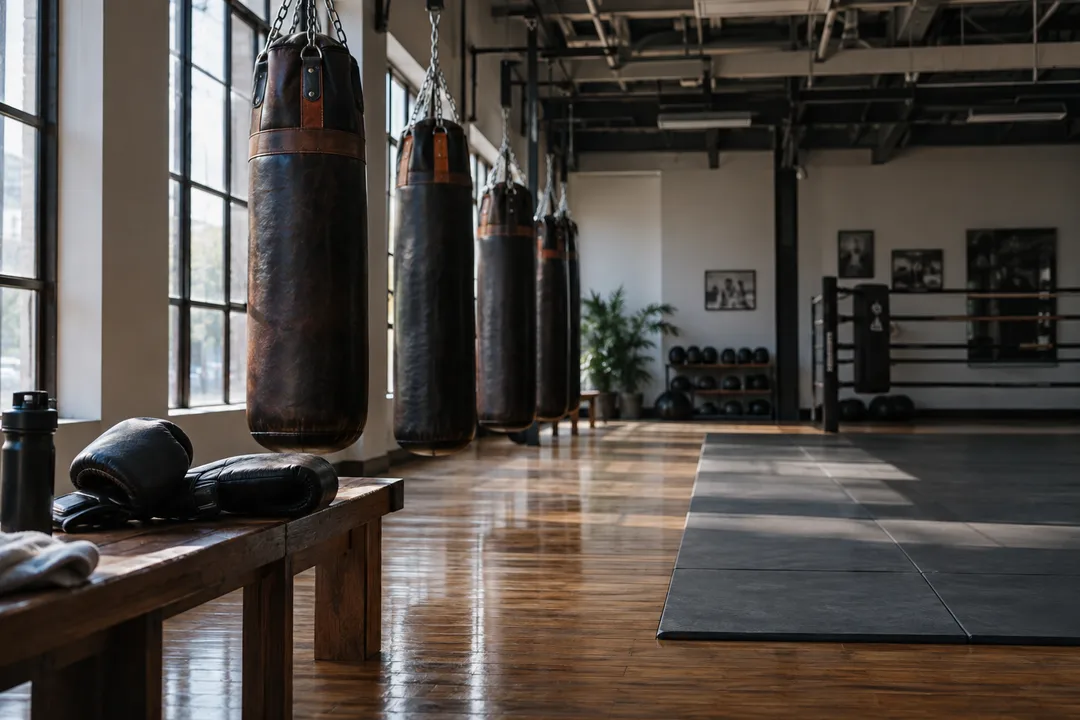
Step through the front doors and the atmosphere immediately signals martial purpose and structured athletic energy. The expansive layout encompasses dedicated striking mat floors, elevated competition boxing rings, heavy bag racks loaded with dense leather Fairtex cylinders, and a comprehensive strength conditioning mezzanine outfitted with kettlebells and squat racks. Large exterior windows let natural daylight illuminate the training space during daytime hours, while commercial-grade ventilation keeps the air circulating cleanly even during humid summer afternoon sessions.
Instruction at the gym traces directly to revered international lineages under the leadership of founders Arjan Steve Milles, Simon Burgess, and veteran director Gail Hunter. Coaches emphasize upright posture, balanced stance recovery, precise weight distribution, and complete technical understanding over reckless power. Every training session begins with structured warmups, joint mobility rotations, dynamic hip stretches, and jump rope intervals that prepare joints and muscles for high-impact striking work without premature fatigue.
Newcomers stepping into the fundamental curriculum learn the eight traditional points of contact with meticulous attention to detail and patience. Instructors break down lead hand jabs, rear crosses, long teep kicks to the sternum, and hip-driven roundhouse strikes using mirrors and shadowboxing progressions before students ever make contact with equipment. The emphasis on protective defense, keeping the guard high, and resetting the centerline ensures beginners develop sound physical habits that prevent injury and build enduring ring confidence.
Intermediate students transition into rigorous Thai pad rounds where striking rhythm, defensive parries, and cardio endurance are tested in real time. Trainers hold heavy curved forearm pads, calling out rapid striking combinations that string together diagonal elbows, stepping lead hooks, low roundhouse kicks, and defensive slip maneuvers. Hearing the crisp crack of leather pads across the training floor generates an infectious group momentum that pushes every student to finish every three-minute round with sharp technical composure and cardiovascular grit.
Clinch work forms a vital pillar of the academy curriculum, distinguishing genuine Thai boxing from ordinary Western kickboxing formats. Students practice neck wrestling, plum ties, bicep controls, off-balancing sweeps, and close-quarter knee strikes under watchful instructor supervision. Sparring remains strictly technical and optional, requiring full protective equipment including 16-ounce gloves, shin guards, and fitted mouthguards, while coaches enforce controlled contact intensity so team members refine timing without unnecessary trauma or concussive collisions.
Pricing structures are clearly posted without hidden onboarding charges, predatory contract loopholes, or surprise facility maintenance assessments. Visiting practitioners and out-of-town travelers can purchase a single class drop-in for $38, providing full access to any scheduled group session. Regular students frequently choose the 10-visit Flexi-Pass for $300, valid across several months of flexible training, while local newcomers wanting comprehensive immersion can enroll in the 21-day unlimited trial pass for $199 to test diverse class formats and coaches.
Timing your training visit makes a substantial difference in overall mat density and personalized coaching interaction. Early morning classes starting at 7:00 AM and midday lunch sessions at 12:00 PM offer smaller student-to-coach ratios, allowing personalized pad holding feedback and detailed stance adjustments. Evening sessions between 5:30 PM and 7:30 PM draw energetic after-work crowds, creating an electric training atmosphere ideal for conditioning, provided you arrive early to claim a favorite heavy bag.
First-time visitors must follow standard academy mat etiquette to preserve communal cleanliness, safety, and mutual respect. Arrive at least fifteen minutes prior to class time to complete the digital liability waiver and present your registration confirmation at the front desk. Shoes are strictly forbidden beyond the reception boundary; sanitize your bare feet thoroughly, secure outdoor footwear in designated shelving, bring fresh hand wraps, and wipe down shared pads with disinfectant spray after every training sequence.
The academy holds deep historical roots in New York martial arts history, having opened its doors in 2002 after years of underground gym culture in Lower Manhattan. Over two decades of operation, the gym has developed regional Golden Gloves competitors, professional North American Muay Thai champions, and international tournament medalists. Despite its competitive pedigree, the gym maintains a supportive, ego-free community where seasoned fighters readily share advice and encouragement with day-one novices.
After class finishes, the surrounding Chinatown and SoHo neighborhoods provide unmatched post-workout meal options within a five-minute stroll. Head east toward Kopitiam on East Broadway for iced white coffee and soft kaya butter toast, or walk south toward Grand Street for freshly steamed char siu bao buns and savory noodle soups. On mild afternoons, grab a cold pressed juice on Howard Street and stroll through SoHo to enjoy historic cobblestone streets as your body cools down.
Logistical details are seamless: the facility includes full locker rooms, secure storage cubbies, private changing stalls, and clean shower facilities stocked with hot water for post-class refreshes. Bring a reusable water bottle to refill at the filtered hydration station. Front desk staff accept major credit cards and Apple Pay for all gear purchases, hand wraps, and class passes.
Who belongs at Five Points Academy? Anyone searching muay thai near me who values authentic lineage, unpretentious camaraderie, and structured skill building. Whether your personal goal is losing weight through high-intensity functional movement, learning reliable self-defense skills, or testing your physical limits on the sparring mat, this Chinatown institution delivers genuine martial art integrity in the heart of downtown Manhattan.
Ask Karpo for more information.
Keep reading
- Tribeca Bowling Group Night Planner for Wedding Guests
 Flushing Bowling Group Night Planner for Thanksgiving Break
 Bushwick Bowling Group Night Planner After Band Practice