NYC's Most Welcoming Pickleball Courts for Complete Beginners This Summer
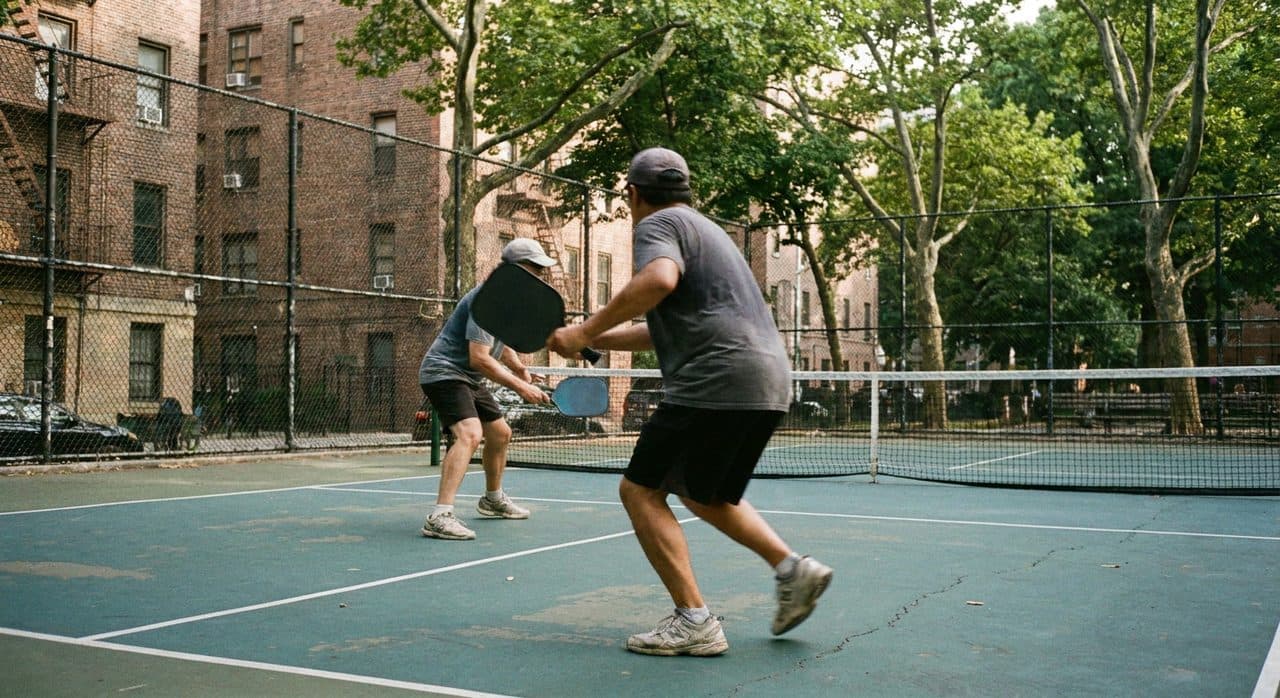
The plastic whiffle ball makes a distinctive pop against the paddle face—a sound that's become the unofficial soundtrack of New York City parks from May through September. Pickleball, that curious hybrid of tennis, badminton, and ping-pong played on a court roughly the size of a doubles badminton layout, has officially graduated from retirement community curiosity to legitimate urban obsession. The Sport & Fitness Industry Association crowned it the fastest-growing sport in America by participation rate, and nowhere is that growth more visible than in the five boroughs, where courts that sat empty three years ago now draw crowds before sunrise.
But here's what the breathless trend pieces don't tell you: showing up to a pickleball court as a complete beginner can feel genuinely intimidating. The regulars know each other. They have their own paddles, their own warm-up routines, their own unspoken queue systems. For the newcomer without equipment, without a playing partner, and without the faintest idea how scoring works, the barrier to entry can feel higher than the sport's welcoming reputation suggests. This guide exists to lower that barrier—to identify the specific courts, times, and community entry points where a first-timer can show up empty-handed and leave having actually played.
Brooklyn Bridge Park's Pier 2: The Waterfront Courts With Equipment You Can Borrow
The most photogenic entry point to New York pickleball sits at Pier 2 in Brooklyn Bridge Park, where the Manhattan skyline serves as a backdrop that makes even shanked shots feel cinematic. In early 2025, the park converted two of its tennis courts to dedicated pickleball use—a meaningful infrastructure commitment that signals the sport's staying power. The courts feature permanent nets at the correct 34-inch center height, proper court lines, and enough space between playing areas that beginners won't feel like they're endangering neighboring games with errant balls.
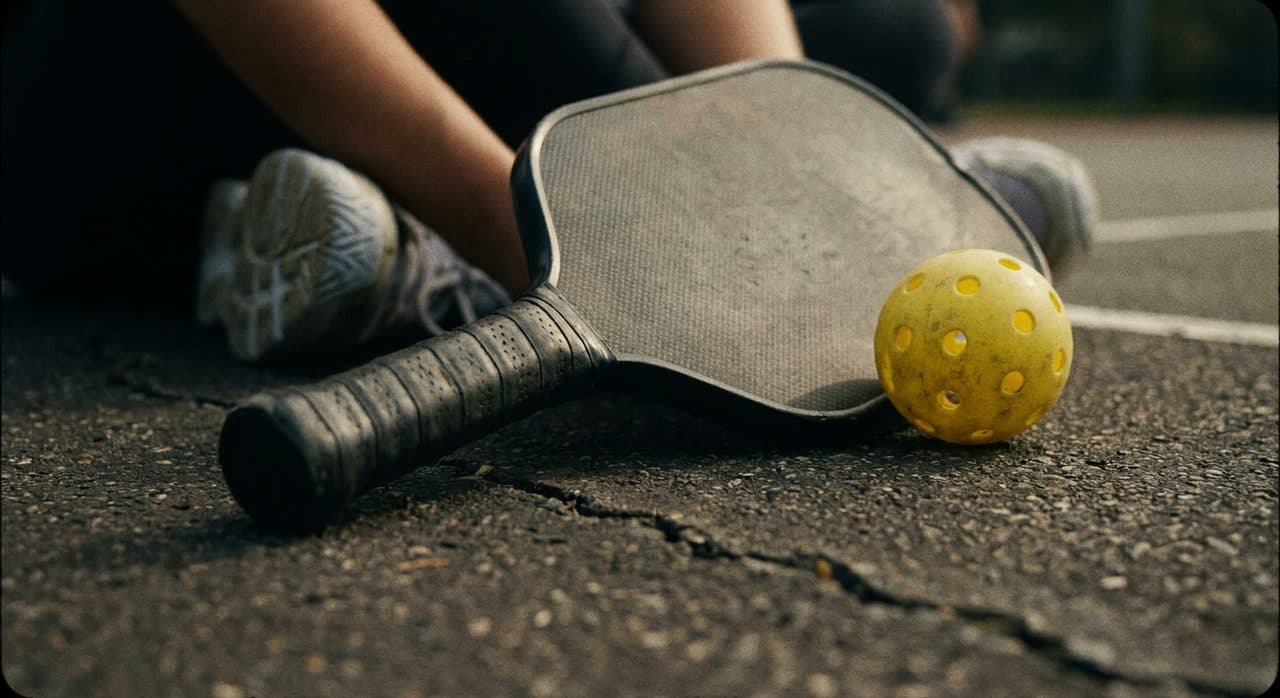
What makes Pier 2 particularly accessible for newcomers is the equipment rental program. The Pier 2 sports hut offers paddle and ball sets for $5, eliminating the need to invest $40 to $150 in gear before you've confirmed you actually enjoy the sport. The catch is timing: the hut opens at 8am, and the paddles go fast. Regular players who forgot their equipment and newcomers alike compete for limited inventory, making pre-9am arrival the practical window for equipment access. By mid-morning on summer weekends, the rental stock is typically depleted, leaving latecomers to hope someone returns a set early.
The crowd at Pier 2 skews younger and more casual than some Manhattan courts, with a healthy mix of curious first-timers and intermediate players still developing their dinking game. Weekend mornings see the highest beginner density, and the culture tends toward inclusive—players will often invite someone standing courtside into a game rather than let them wait indefinitely. The waterfront breeze provides natural cooling but can wreak havoc on ball trajectory, which veterans account for and beginners should simply accept as part of the experience.
Central Park's Hidden Saturday Morning Orientation
The North Meadow Recreation Center in Central Park hosts what might be the city's best-kept secret for pickleball newcomers: a free orientation session at 9am on Saturday mornings. This session is not listed on the NYC Parks Department website. It doesn't appear on any official programming calendar. It exists because regular players organized it themselves, recognizing that the sport grows faster when beginners have a structured entry point rather than awkwardly hovering at court edges hoping someone explains the rules.
The orientation typically draws 6 to 10 newcomers per week, a manageable group size that allows for genuine instruction rather than crowd management. Volunteer instructors—experienced players donating their Saturday mornings—cover the basics: the two-bounce rule, the non-volley zone (affectionately called "the kitchen"), and the frankly confusing scoring system that trips up everyone initially. Equipment is shared among participants, so arriving without a paddle presents no obstacle. The session runs approximately 90 minutes and concludes with supervised game play, meaning attendees leave having experienced actual competition rather than just drilling.
To find it, enter the park at 97th Street on the West Side or 97th Street on the East Side and follow signs to the North Meadow Recreation Center. The pickleball courts sit adjacent to the building. Arriving by 8:45am is wise—it allows time to sign in informally with whichever regular is running that week's session and claim a spot before instruction begins. The orientation runs rain or shine unless conditions are genuinely dangerous, though post-rain court surfaces can be slick enough to warrant extra caution.
East River Park: Manhattan's Quietest Morning Courts
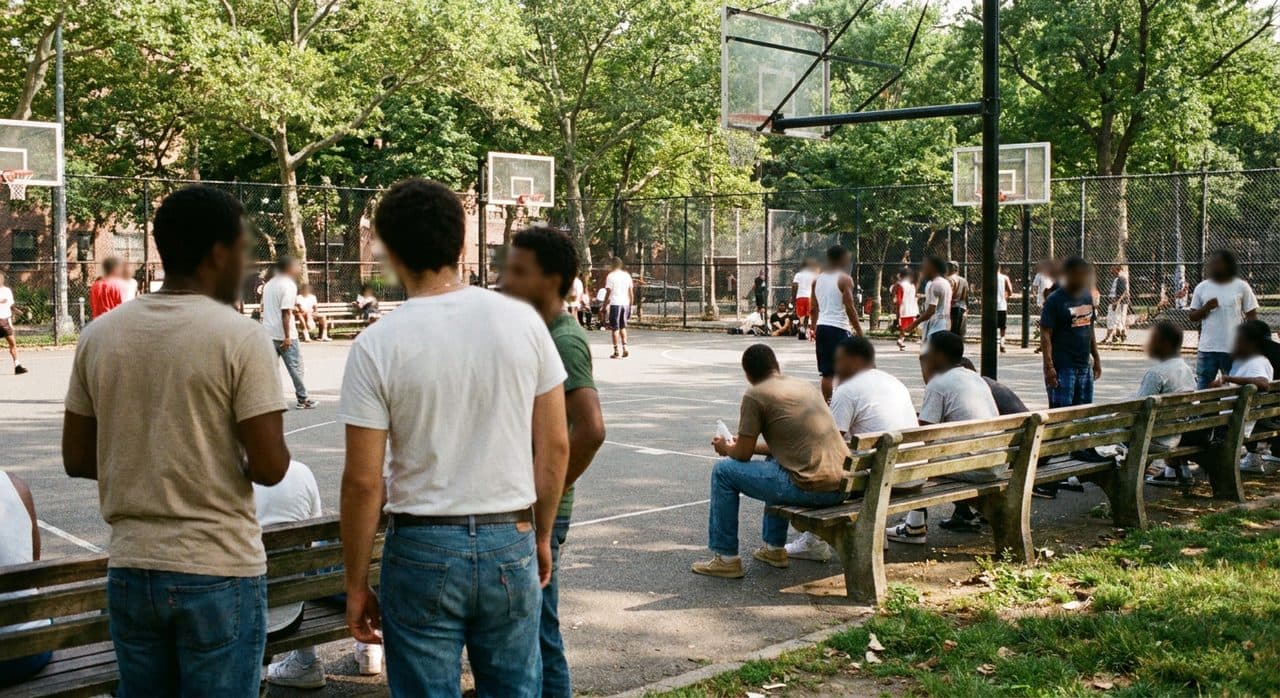
For beginners who prefer learning without an audience, the pickleball courts near Delancey Street in East River Park offer something increasingly rare in Manhattan: relative solitude. These courts are the least crowded in Manhattan on weekday mornings before 10am, a window when most recreational players are commuting or working and the retired regulars who dominate afternoon play haven't yet arrived. A newcomer practicing serves against an empty court or rallying with a single friend can do so without the performance anxiety of a packed venue.
The courts operate on a posted schedule that creates natural time boundaries. From 4pm to 6pm on weekdays, the courts are reserved for Advanced Play—a designation enforced not by city staff but by the regular players themselves. This informal governance system works surprisingly well; regulars politely but firmly redirect beginners who wander onto courts during advanced hours, steering them toward open play times instead. For newcomers, this means avoiding late afternoon entirely and targeting those peaceful morning windows when the courts belong to whoever shows up first.
The East River Park reconstruction project has reshuffled court locations in recent years, so first-time visitors should confirm current access points. The Delancey Street entrance provides the most direct route. The courts themselves are well-maintained, with clear lines and nets that hold proper tension. Bring your own equipment—there's no rental facility on-site—but the relative emptiness means you can take your time, make mistakes, and figure out your grip without feeling rushed off the court.
What to Wear and Bring When You Own Nothing
The beauty of pickleball is its minimal equipment requirement, but showing up completely unprepared still creates friction. For footwear, any court shoe works—tennis shoes, volleyball shoes, even clean basketball sneakers with non-marking soles. Running shoes are technically acceptable but offer less lateral support for the quick side-to-side movements the game demands. Dedicated pickleball shoes exist but represent an unnecessary investment for someone who hasn't yet confirmed they'll play twice.
Clothing follows standard athletic logic: moisture-wicking fabrics, nothing too loose that might catch on a paddle swing, and layers for early morning sessions when temperatures can shift 15 degrees over two hours. Sunscreen matters more than newcomers expect—courts offer no shade, and a two-hour session under July sun produces legitimate burns. A water bottle is essential rather than optional; most courts lack nearby fountains, and summer dehydration escalates quickly.
If you're borrowing or renting equipment, inspect the paddle face for cracks or delamination that can affect ball contact. Rental paddles tend toward the heavier end of the spectrum, which beginners often find easier to control despite the additional weight. Balls should be the outdoor variety—slightly heavier with smaller holes than indoor balls—appropriate for the court surface and wind conditions.
The Unwritten Rules That Govern Court Culture
Every pickleball court operates on informal social contracts that newcomers violate unknowingly, creating friction that has nothing to do with skill level. The paddle stack is the most important: at busy courts, players place their paddles in a line or stack to establish queue position. When a game ends, the next four paddles in the stack claim the court. Attempting to bypass this system—even innocently—generates genuine irritation among waiting players.
Calling the score before every serve is mandatory, not optional. The serving team's score comes first, then the receiving team's score, then the server number (1 or 2) in doubles. Forgetting to call score or calling it incorrectly stops play and resets the serve. Beginners who learn this habit early integrate into pickup games far more smoothly than those who need constant reminders.
The kitchen rule—no volleying while standing in the non-volley zone—confuses newcomers more than any other regulation. You can enter the kitchen freely; you simply cannot hit the ball out of the air while standing there. The ball must bounce first. Violations are called by opponents on the honor system, and experienced players will gently correct beginners rather than exploit the mistake for points. Accepting correction gracefully, rather than arguing, marks someone as a welcome addition to future games.
Practical Notes
Brooklyn Bridge Park Pier 2: Enter at Furman Street and Joralemon Street; A/C to High Street, 2/3 to Clark Street. Equipment rental $5 at sports hut, opens 8am. Courts open dawn to dusk.
Central Park North Meadow: Enter at West 97th Street; B/C to 96th Street. Free Saturday orientation at 9am, arrive by 8:45am. Bring water; limited facilities nearby.
East River Park: Enter at Delancey Street and FDR Drive; F to Delancey Street, J/M/Z to Essex Street. No equipment rental; bring your own. Best availability weekday mornings before 10am. Avoid 4pm-6pm weekdays (advanced play).
General costs: Court access is free at all public NYC parks. Rental paddles where available run $5-10. Entry-level paddle purchase: $30-50 at sporting goods stores.
Tags: #PickleballNYC #BrooklynBridgePark #CentralParkSports #EastRiverPark #BeginnerPickleball #NYCSummer #OutdoorSportsNYC #PickleballCourts #FreeSportsNYC #WeekendActivitiesNYC #SportsAndSocial #NYCParks #SummerInTheCity #PickleballBeginners #ActiveNYC
Sources consulted: timeout.com · nymag.com · thrillist.com · eater.com
All trademarks are the property of their respective owners.
Ask Karpo first
Want to know which courts have open-play sessions this weekend, where to borrow a paddle for free or cheap, and which borough has the most beginner-friendly atmosphere for a first game? Ask Karpo for a court-by-court schedule, equipment options, and directions to the nearest open pickleball session before you head out.


