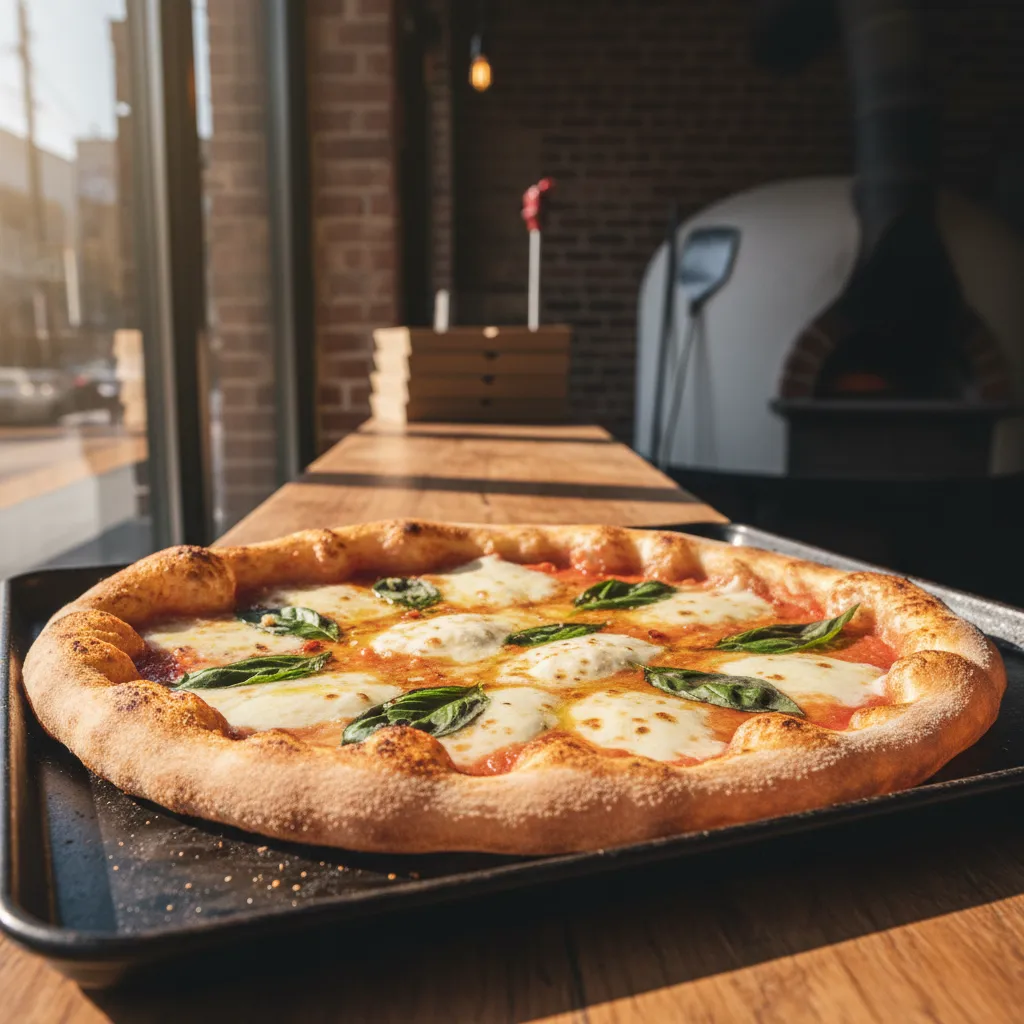
 L'Industrie vs Lucali: Brooklyn's Best Pizza Compared
Restaurants
NYC markets that match Ponce City Market’s food hall vibe
A full-day NYC itinerary for food halls, rooftops, and maker markets that echo Ponce City Market’s blend of dining, shopping, and skyline views.
If you love the mix of industrial architecture, curated food stalls, rooftop views, and indie shopping at Atlanta’s Ponce City Market, New York City offers a whole ecosystem of markets that hit the same notes—just spread across different neighborhoods. Instead of trying to replicate one building, you can build an NYC day around food halls, historic warehouse spaces, and waterfront rooftops that deliver similar energy: shared tables, local chefs, small-batch makers, and that feeling of exploring something both urban and creative. This guide walks you through a time-of-day itinerary—from late breakfast to nightcap—with backups and subway routes so you can swap Ponce City Market for a distinctly NYC version of the same vibe.
Planning a market-hopping day with friends or a date? Save this guide, then tap through to each official venue page before you go to confirm current hours, seasonal events, and any reservation policies—NYC food halls and markets tweak schedules often, and checking in advance is the best way to skip surprises and maximize your time.
Late morning start: Time Out Market New York in DUMBO
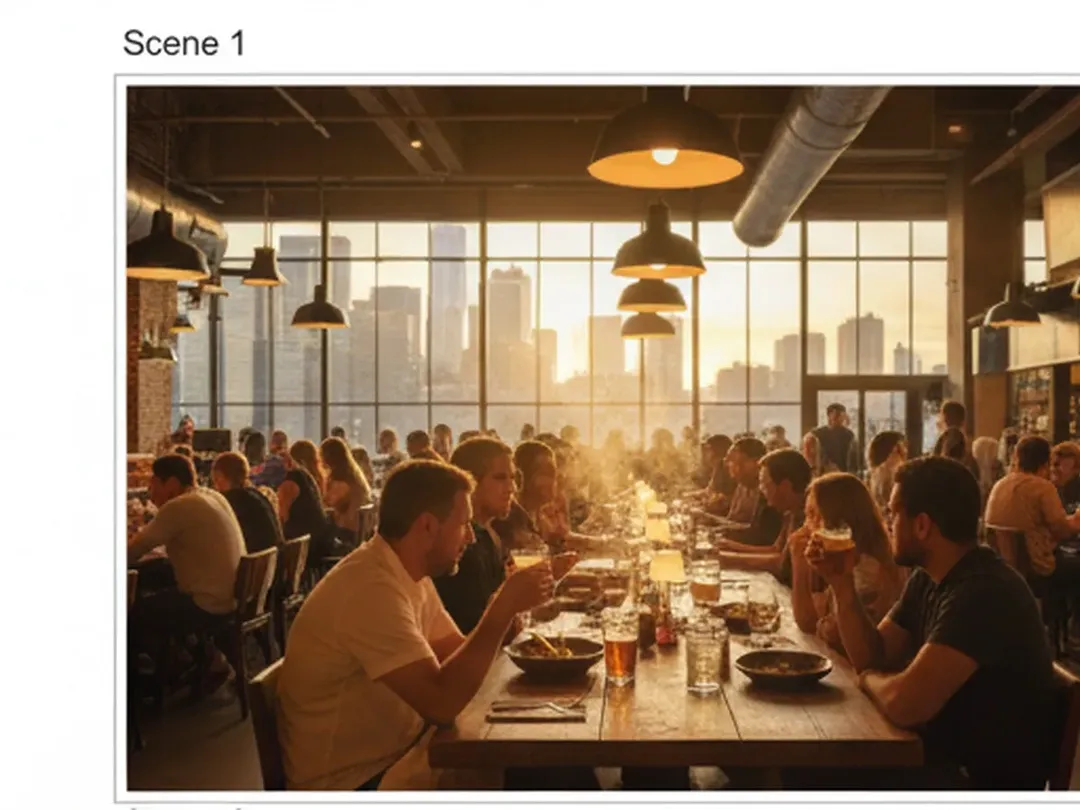
For a Ponce City Market–style food hall kickoff, head to Time Out Market New York in DUMBO once the morning crowd thins, around 11 a.m.–noon. The market gathers a curated lineup of NYC restaurants selected by Time Out editors, all under one roof in Empire Stores, a former coffee warehouse right on the Brooklyn waterfront. You’ll find counter-service vendors serving everything from ramen and burgers to global street food, plus a communal seating layout that makes it easy for groups to mix and match orders—very similar to wandering food stalls at Ponce.
To get there, take the F train to York Street or the A/C to High St–Brooklyn Bridge; from either station it’s a short walk toward the waterfront and the Manhattan Bridge. Time Out Market’s official site lists current vendors, hours, and any special events, including seasonal rooftop programming—always check there before you go, since lineups and opening times can change.
If you arrive and it’s more crowded than you’d like, a solid backup is to grab coffee or pastries at a nearby DUMBO café, walk the Brooklyn Bridge for the views, and then return closer to 2 p.m. when families start to thin out. On weekends, be ready for lines and consider shifting this stop earlier (10:30–11 a.m.) or later (mid-afternoon) if you prefer a calmer vibe. Always recheck the official Time Out Market page the week of your visit for updated hours and any private-event closures.
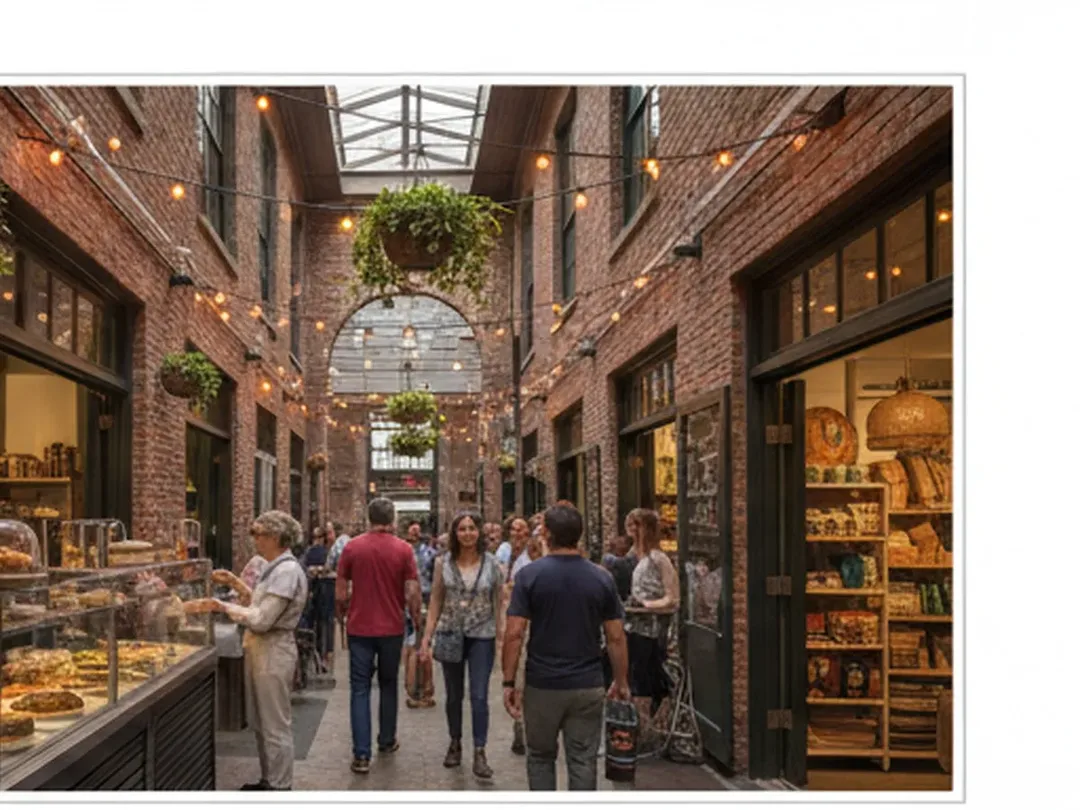
Chelsea Market’s exposed-brick hallways, vintage signage, and mix of food stalls and small shops feel very close to the industrial-chic retail portions of Ponce City Market. Aim to arrive early afternoon, around 1–3 p.m., when lunch rush is easing but most vendors are still open. The market occupies the former Nabisco factory in the Meatpacking District, and today it’s home to bakeries, taco stands, seafood counters, and local designers.
From Time Out Market, you can take the F from York Street toward Manhattan and connect to A/C/E or L depending on your route, or simply walk to the High St–Brooklyn Bridge station and ride into Manhattan. Once you’re near 14th Street, it’s a short walk to Chelsea Market along Ninth Avenue. The official Chelsea Market website maintains current tenant lists and hours—important to check, because individual shops and eateries can keep slightly different schedules. If it’s too packed inside, a smart backup move is to walk the nearby High Line for some open-air strolling, then circle back for an off-peak snack or early dinner. Always confirm hours on both Chelsea Market’s and the High Line’s official sites before you build your day around them.
Mid-afternoon browse: Artists & Fleas and nearby makers
Once you’ve eaten at Chelsea Market, follow the signposts inside to Artists & Fleas, an indoor marketplace for independent designers, vintage sellers, and local makers that operates within the same building. This space scratches the same itch as Ponce City Market’s boutiques and pop-ups: you’ll find jewelry, art prints, secondhand fashion, and one-off home goods from rotating vendors. Mid-afternoon (roughly 3–5 p.m.) is a good window—late enough that most sellers are set up, but early enough to avoid pre-dinner congestion.
Artists & Fleas operates multiple locations in NYC, including one in Chelsea Market and another in Williamsburg; its official site lists current hours and vendor details by location, which you should confirm right before you go because vendor rosters and opening times can shift seasonally. If the Chelsea Market spot feels too tight or crowded, consider hopping between locations: you can ride the L train from 14th Street–Eighth Avenue to Bedford Avenue to check out the Williamsburg outpost, which leans more local-neighborhood than tourist-heavy.
For a backup artisan experience in the same time block, look up any day’s Smorgasburg or similar outdoor food-and-vendor markets if they’re in season; these rotate across sites like Williamsburg and Prospect Park. Details for these markets live on their official websites and social channels, and you should always check there for current days, locations, and vendor lists before heading out, especially because outdoor markets can cancel or shift for weather. This gives you multiple maker-focused options that mirror Ponce’s creative retail energy without locking you into a single building.
If weather is ideal and you want to lean further into local creatives, pair Artists & Fleas with a short walk through the surrounding streets—Meatpacking and West Chelsea are lined with galleries and small boutiques. Many galleries maintain their hours and exhibition calendars on their own official sites; searching the specific gallery’s name just before your visit will give you accurate times. This way your mid-afternoon block becomes a flexible “maker crawl,” approximating the discovery experience inside Ponce City Market but across several NYC doors.
If you discover that a particular shop or gallery you had in mind is closed for installation or a private event, don’t worry—use this window to grab a coffee and pivot to the High Line or the nearby Hudson River Park. Both offer scenic, low-pressure walking routes that keep your day moving while you wait for indoor spaces to reopen or the dinner window to roll around.
Golden hour and dinner: Pier 17 & the Seaport
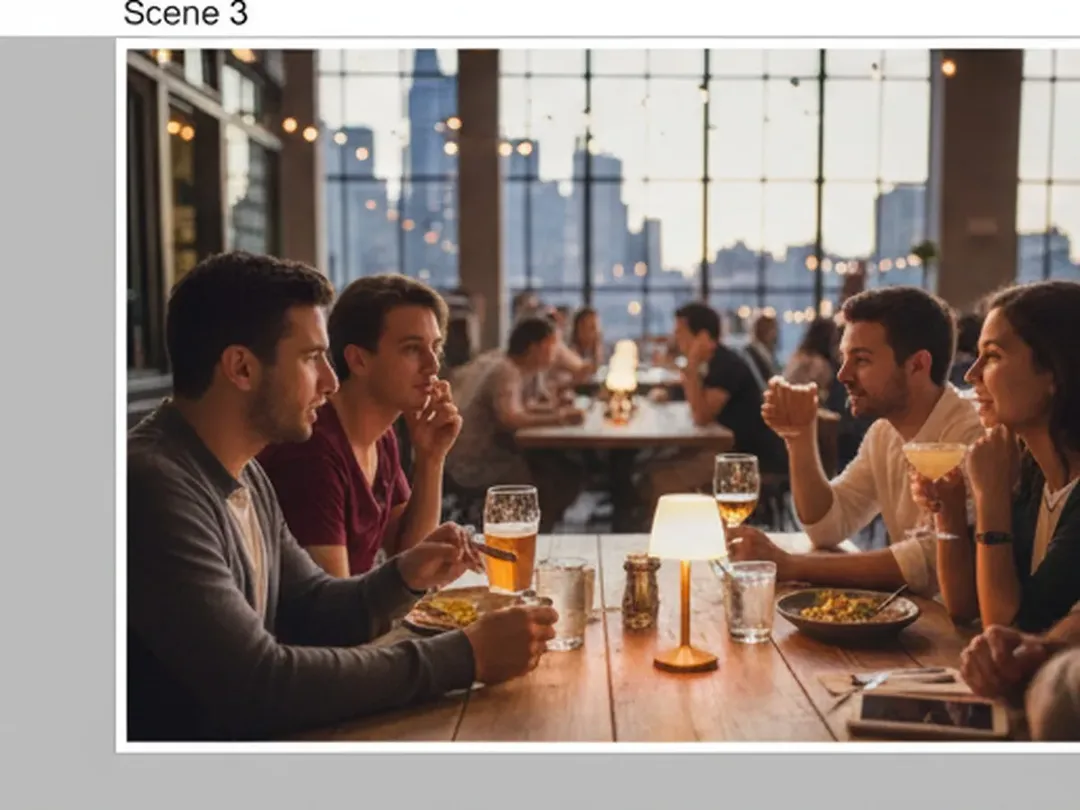
As you move toward golden hour, shift downtown to the Seaport district for waterfront views that echo Ponce City Market’s rooftop energy—just with the East River instead of Atlanta’s skyline. The centerpiece here is Pier 17, a multi-level complex with restaurants, bars, and an open-air rooftop that hosts seasonal concerts and events. Aiming for 6–8 p.m. gets you sunset light over the Brooklyn Bridge and enough time to linger over dinner or drinks.
You can reach the Seaport by taking the 2/3/4/5/A/C/J/Z to Fulton Street or nearby stops and walking toward the river; the South Street Seaport area is compact and walkable from there. Pier 17’s official website keeps current information on its restaurants, upcoming events, and rooftop programming, which is crucial because the terrace can be closed or ticketed on concert nights. Always check these details in advance if your heart is set on a rooftop drink. If the rooftop is reserved for an event, you can still enjoy the ground-level restaurants or walk the piers for ambient views.
As a backup, or if you want to compare atmospheres, consider the nearby Tin Building by Jean-Georges, another restored Seaport building with a curated food hall, several sit-down restaurants, and gourmet grocery options. Its vibe blends upscale design with market-style food counters—good for anyone who loves the “food hall but elevated” concept at Ponce City Market. The Tin Building maintains up-to-date hours, restaurant menus, and booking options on its official page, including any seasonal changes; check these details the week of your visit if you’re planning dinner there.
If you’re meeting friends after work, the Seaport makes a strong home base for that transition from casual browsing to more intentional dining. You can start with a riverside stroll, pop into shops, then settle into whichever restaurant can accommodate your group. Because Pier 17 and Tin Building host special events, they can feel significantly busier on certain nights; if your preferred spot is booked, look to neighboring streets and piers, which often house smaller restaurants and bars with less competition.
Should weather turn or outdoor spaces feel too exposed, pivot indoors: Tin Building’s interior stays comfortable in rain and cold, and nearby restaurants in the Financial District—many listed on their own official sites—offer shelter without sacrificing ambiance. Building this time block around the broader Seaport area, rather than a single rooftop, makes it easier to adapt your evening while keeping that waterfront, mixed-use energy that Ponce City Market fans tend to love.
Nightcap and skyline: Midtown and Brooklyn rooftops
If Ponce City Market’s rooftop bar and funfair energy is one of your favorite elements, NYC gives you many ways to close the night with views. One reliable option is Edge at Hudson Yards, which offers an outdoor sky deck jutting out from a 100th-floor level, plus indoor spaces and nearby restaurants. Visiting in the late evening (8–10 p.m.) can mean fewer families and cooler temperatures, though you’ll want to buy timed tickets directly from Edge’s official site, which lists prices, hours, and any special programming. This is a more vertical, architectural take on the rooftop experience but hits the same “city lights from above” feeling.
For a more relaxed, neighborhood-centric vibe closer to Ponce’s rooftop bar, look to Brooklyn. Spots along the waterfront in Williamsburg and Greenpoint often combine cocktails, casual small plates, and skyline views of Manhattan. Because individual rooftop bars are operated by different restaurants and hotels, always check each venue’s official website for dress codes, reservation policies, and hours. Aim for 9–11 p.m. if you prefer an adult crowd and less daytime heat.
If you don’t secure a rooftop reservation or tickets, a practical backup is simply walking over to a riverfront park like Brooklyn Bridge Park or Domino Park (hours posted on NYC Parks’ official pages) for night views at ground level. These spaces offer benches and open promenades where you can wind down and still experience the skyline. Confirm park closing times on the official NYC Parks site before heading out, since they can vary by season.
Transit between these nighttime options is straightforward: subways like the 7, L, and G connect Hudson Yards, Williamsburg, and Greenpoint, and MTA’s official site or apps provide updated service changes, which is important because routes can shift due to planned work. Checking real-time train status before you leave each location keeps you from getting stuck and preserves more of your evening for enjoying the city rather than waiting on platforms.
If you’re traveling with visitors who have different energy levels, consider splitting: some can head to a high-impact attraction like Edge, while others opt for a quieter bar or waterfront walk. Building flexible backups into your nightcap plan mirrors the modular nature of Ponce City Market—everyone starts together and then self-selects into their preferred kind of evening within the same general orbit.
Rainy-day and winter backups: Grand Central & indoor halls
Atlanta’s Ponce City Market works in almost any weather because so much of the experience is indoors; NYC can do the same if you anchor your day around indoor-heavy spaces when rain or cold hit. One strong strategy is to substitute the waterfront portions of this itinerary with Grand Central Terminal and nearby indoor markets. Grand Central offers historic architecture, an underground food court, and sit-down restaurants, and remains entirely indoors apart from its exterior plaza. Its official MTA pages outline station maps, retail listings, and updated service notices, which are worth checking ahead of time.
You can layer in other indoor-only halls like UrbanSpace locations (e.g., near Vanderbilt or Union Square), which operate as multi-vendor food courts with rotating lineups of local chefs. Because UrbanSpace runs several sites with different hours and concepts, visit its official website to confirm which hall best fits your day and what’s open on your chosen date. If you had planned to be at Pier 17 or the High Line during late afternoon and find yourself facing heavy rain or snow, pivot this time block into a Grand Central–plus–UrbanSpace crawl instead: easy to reach by subway, largely climate-controlled, and still very much in the “curated urban food hall” family.
For a backup artisan experience, look for indoor markets listed on NYC tourism and event calendars—many buildings host pop-up maker fairs around holidays or special weekends. Because these are temporary, their dates, locations, and hours are posted on individual organizers’ official pages and often change year to year; always verify directly before committing. Treat these as optional add-ons rather than anchors to avoid disappointment if a specific pop-up isn’t running on your visit.
Even in winter, Chelsea Market, Artists & Fleas, and Tin Building remain solid because they’re enclosed, but sidewalks and transit can feel more challenging. In colder months, compress your geography: choose two indoor hubs (for example, Chelsea Market plus Grand Central) and spend more time in each rather than zigzagging across boroughs. Use MTA’s official site or apps for real-time service alerts, especially during storms or planned maintenance periods when lines are more likely to be disrupted.
This approach keeps the spirit of Ponce City Market—a single complex where you can eat, shop, and linger—while adapting it to NYC’s scale. You’re not chasing one perfect building; you’re creating a weather-aware constellation of indoor markets that together deliver the same satisfaction without battling the elements.
Ask Karpo first
Tags: #nyc #food #markets #nightlife #brooklyn #manhattan #itinerary #NYC #KarpoFinds #AskKarpo
Sources consulted: Time Out Market New York official site · MTA subway map and station info · Chelsea Market official site · The High Line official visitor info · Artists & Fleas Chelsea Market official site · Pier 17 official site · Seaport neighborhood info · Tin Building by Jean-Georges official site
All trademarks are the property of their respective owners.
Ask Karpo first
Tell Karpo what kind of market day you’re in the mood for—casual snacking, serious vintage hunting, date-night cocktails, or all of the above—and your sidekick will build a live, time-of-day plan with subway directions, rain-proof backups, and quick links to every official venue page so you can book, buy, or just wander with confidence.
Ask Karpo for more information.
Keep reading
- L'Industrie vs Lucali: Brooklyn's Best Pizza Compared
 Cervo's on Division Street: Portuguese Seafood Without Reservations
 Randazzo's Clam Bar in Sheepshead Bay: Red Sauce Since 1932