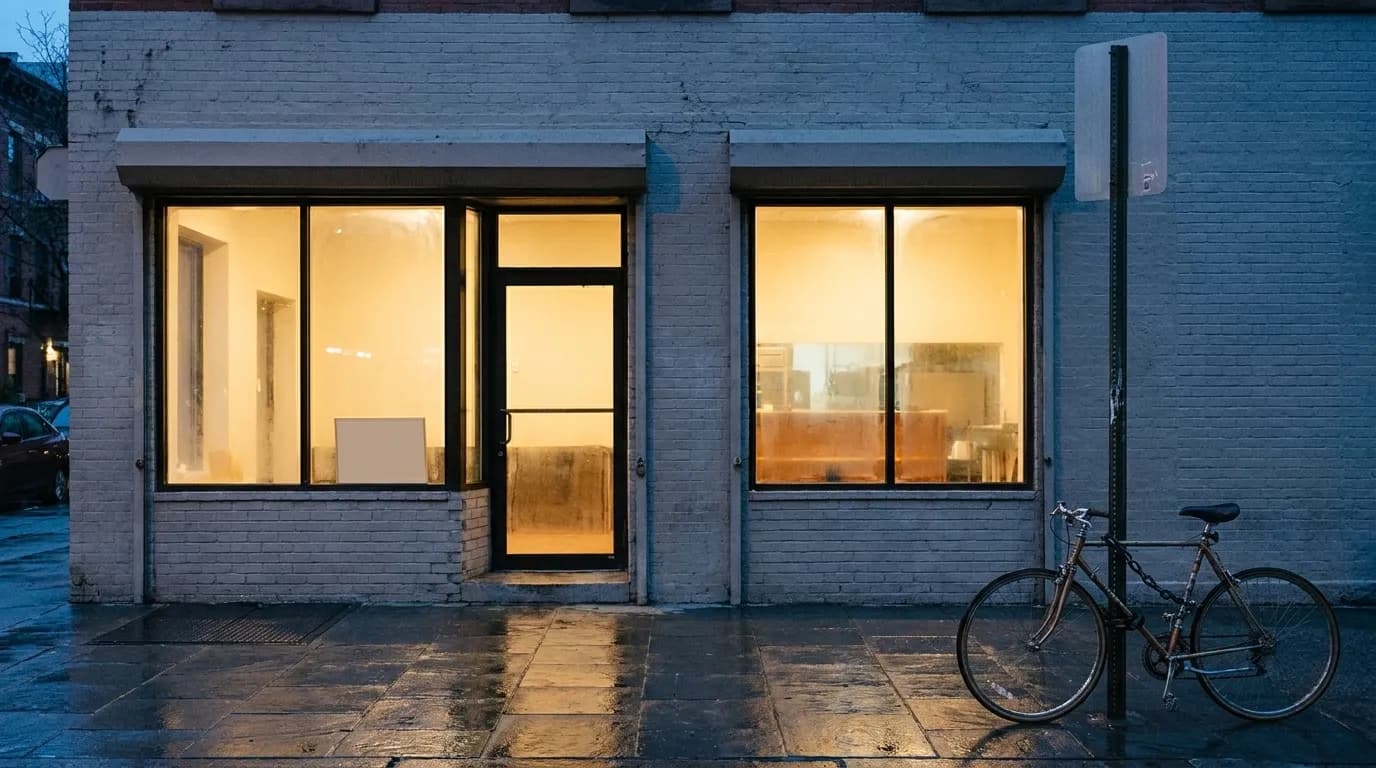
Times Square is known for its neon excess and tourist crush, but thread through the side streets of Midtown Manhattan and you'll find a different kind of spectacle: the workrooms and retail counters where professional magicians, aspiring illusionists, and curious collectors acquire their trade secrets. These shops don't announce themselves with marquee lights. Their storefronts are modest, their displays often cryptic to the uninitiated. Yet for decades they've anchored a subculture of performers who rely on quality props, rare imports, and the institutional knowledge that comes with every purchase. Late May 2026, as the city shakes off spring rain and the sidewalks dry under high sun, these spaces feel both anachronistic and essential—a reminder that even in the digital age, sleight-of-hand still requires something you can hold.
Updated August 2026: hours, prices, reservations, event dates, transit details, and venue policies can change. Use the linked official venue, city, or operator sources in the Sources section as the final reference before you go.
The counter culture
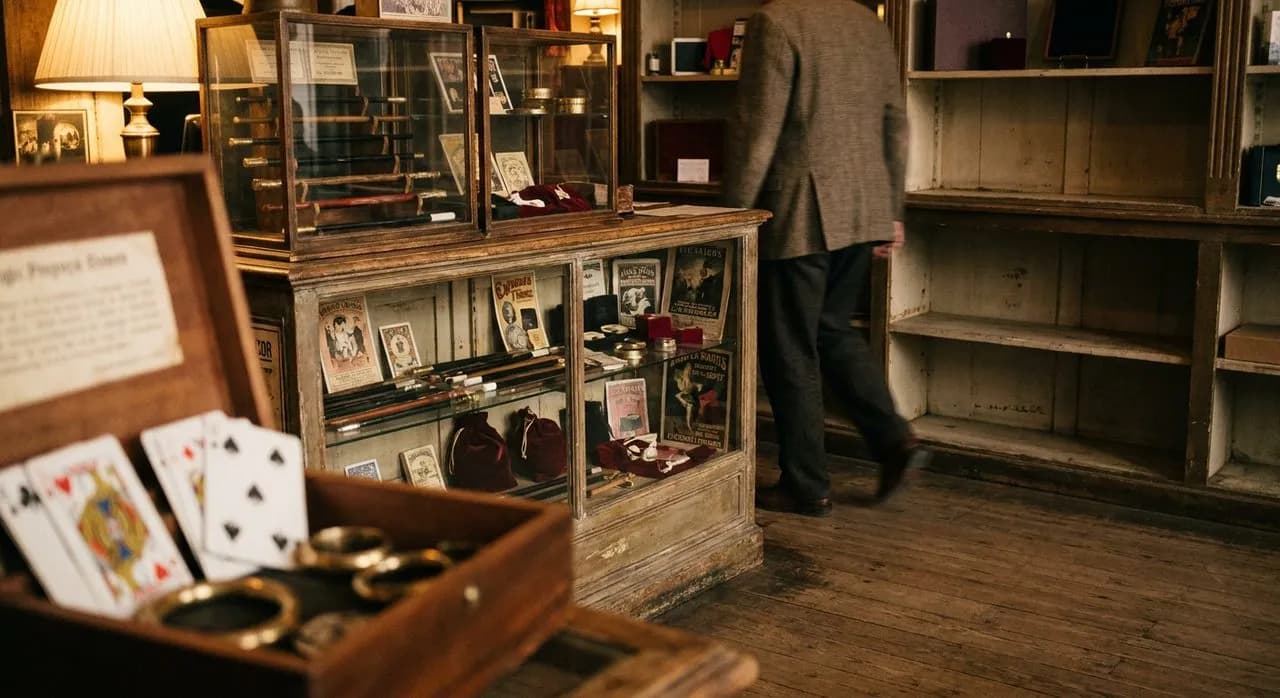
Walk into one of these establishments and you're met with glass cases displaying close-up magic: coin gaffs, thumb tips, interlocking rings machined to tolerances you wouldn't guess. The air smells faintly of cardstock and rubber cement. Overhead fluorescents cast a flat, unforgiving light—no mood lighting here, just clarity enough to inspect a deck's edge work or the stitching on a dove harness. Behind the counter, a clerk who's likely a working performer will ask what you're looking for, and the conversation quickly separates browsers from buyers.
These aren't retail experiences engineered for impulse. The ethos is closer to a hardware store for a very particular trade. You're expected to know the difference between a Svengali deck and a Stripper deck, or at least be willing to learn. First-timers often leave with a starter trick—something self-working, forgiving—and the phone number of a local magic circle. Regulars come in with specific requests: a replacement for a broken thumb tip, a fresh supply of flash paper, or the name of a fabricator who can custom-build an illusion chassis.
Tricks of the trade
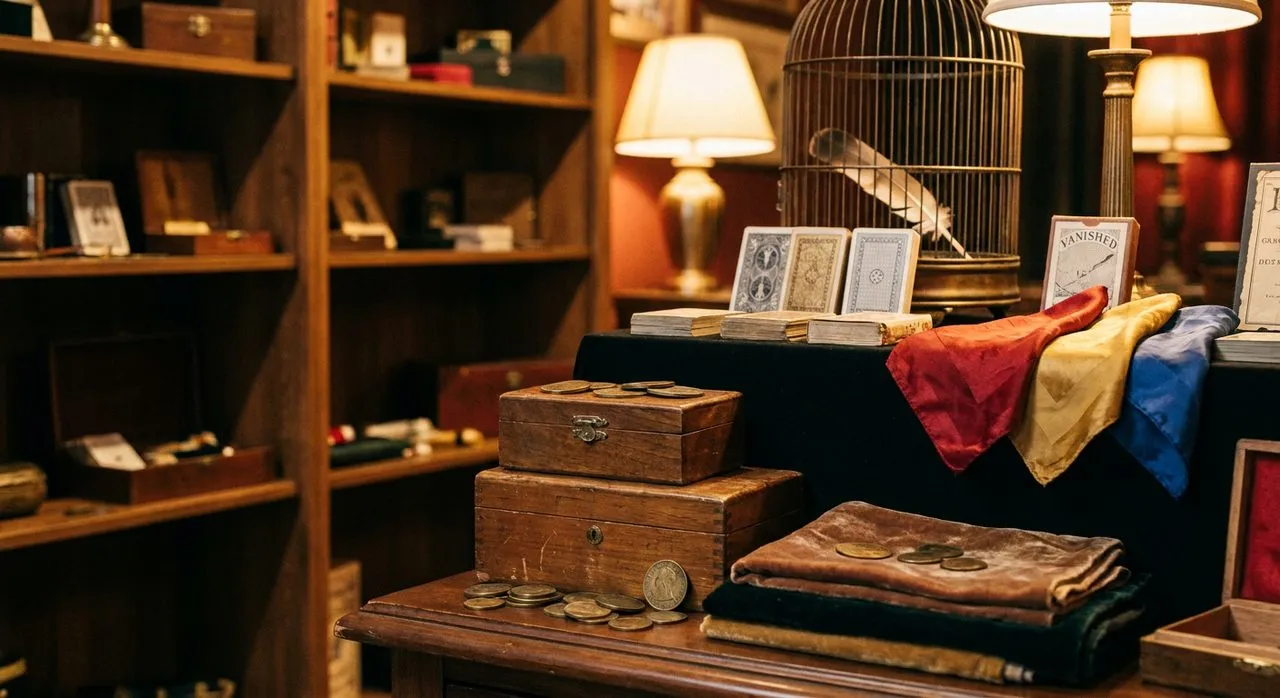
The inventory spans centuries of conjuring tradition. Silk scarves in primary colors hang in bundles; metal linking rings rest in velvet-lined trays; rubber balls and sponges fill plastic bins sorted by size and density. There are trick canes that collapse or produce bouquets, oversized playing cards for stage work, and miniature versions for close-up. One shelf might hold books—some spiral-bound instruction manuals, others leather-bound classics from the early twentieth century. The rarer volumes live behind the counter, priced for collectors.
Ventriloquist dummies occupy their own corner, their painted faces frozen in uncanny cheer. Nearby, you'll find costume accessories: white gloves, top hats in collapsible silk, sequined vests. The props blur the line between theater and magic, a reminder that these shops serve a broader community of variety performers. Fire-eating supplies, juggling equipment, even the occasional clown nose—anything that contributes to the vaudevillian arts finds a home here. The aesthetic is gloriously unfashionable, which is part of the charm.
The regulars
On a Thursday afternoon you might see a Broadway chorus member picking up a breakaway wand for a production number, or a street performer restocking the loops and elastics that make his card routines possible. Corporate magicians stop by before trade-show gigs; children's entertainers replenish their balloon pumps and animal-shaped twisting kits. There's a democracy to the space—fame and skill matter less than respect for the craft.
Conversations happen in code. A customer asks if a certain move "plays clean" from the balcony; the clerk demonstrates an angle, adjusting his grip. Someone else inquires about importing a specific gaff from Japan, and a phone number is jotted on a receipt. These exchanges are quiet, unhurried, the kind of shop-talk that builds trust over years. It's a far cry from the frenetic energy half a dozen blocks west, where tourists queue for matinee tickets. Here, the rhythm is artisanal, almost conspiratorial—fitting, given that secrecy is half the product.
Beyond the storefront
Some of these magic shop nyc operations double as informal schools. Workshops and lectures happen in back rooms or rented studios nearby, often advertised only by word-of-mouth or a photocopied flyer taped to the door. A Saturday morning might bring a session on coin manipulation; evenings could feature a visiting mentalist from Europe demonstrating psychological techniques. These gatherings are small, sometimes fewer than a dozen attendees, and the teaching style is direct: watch, repeat, refine.
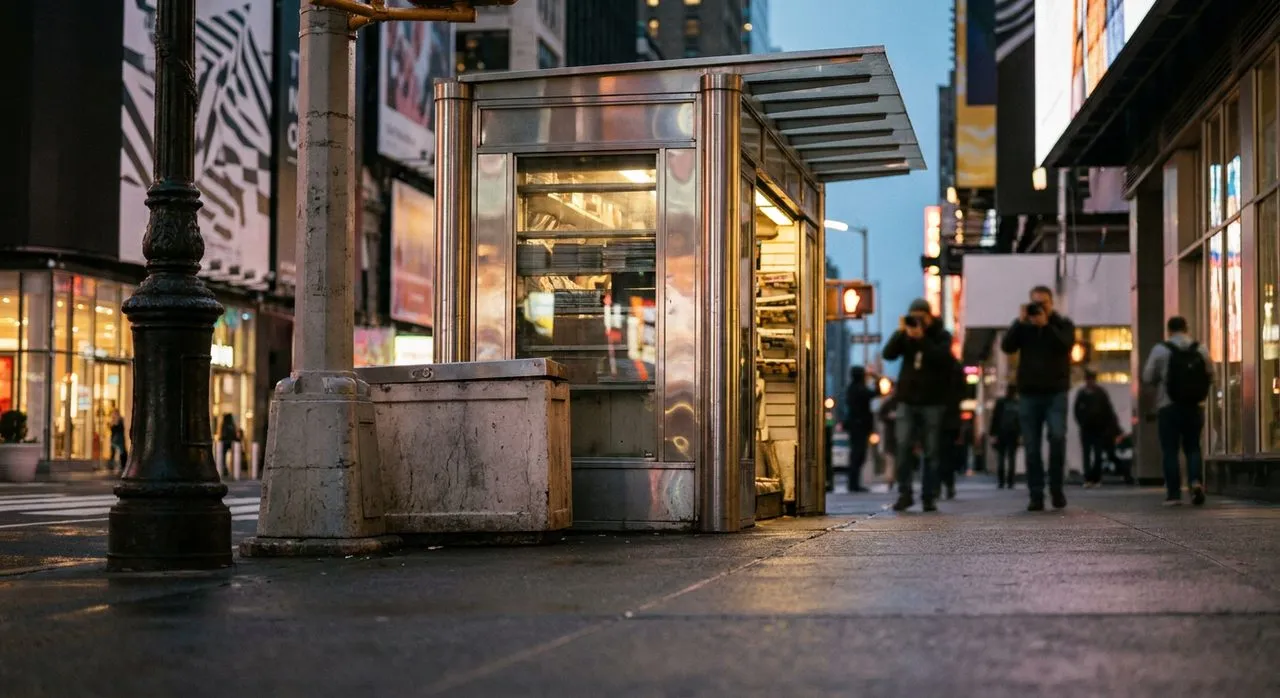
The shops also function as bulletin boards for the wider community. Business cards for balloon artists and face painters are pinned near the register; postcards announce underground variety shows in Bushwick or Queens. It's not uncommon to overhear someone arranging a rehearsal space or debating the merits of a new illusion that's making the rounds on the convention circuit. In this way, the retail space becomes a node in a network that extends across the city and beyond—a times square curiosity that pulses with more life than its quiet facade suggests.
Material matters
Quality varies wildly in the world of magic props, and the knowledgeable staff at these shops can steer you toward durability. A cheap thumb tip will split after a dozen performances; a well-made one, crafted from medical-grade latex, can last years. Cards matter too—plastic-coated Bicycles for humid outdoor gigs, stiffer European stock for flourishes. The clerks have opinions, earned through their own stage time, and they share them freely if you ask.
There's a tactile pleasure in handling the merchandise. The heft of a brass coin shell, the whisper of silk pulled through a fist, the satisfying click of a locking mechanism in a trick box. These are tools designed to be touched, held, practiced with until the mechanics become invisible. Even window-shopping offers a kind of education: you start to notice the engineering behind the illusion, the craftsmanship that goes into making the impossible look effortless. By the time you leave, you're seeing the world a little differently, alert to the potential for misdirection everywhere.
Why it endures
In an era when tutorials flood YouTube and props ship direct from overseas suppliers, the survival of these brick-and-mortar shops might seem improbable. Yet they persist, sustained by the human element that no algorithm can replace. A video can show you the mechanics of a trick, but it can't troubleshoot your specific grip or recommend an alternative that suits your performance style. It can't tell you which local venues book magicians, or which prop will hold up under stage lights.
There's also something irreplaceable about standing in a room dense with the accumulated knowledge of a subculture. The posters on the walls, the faded signatures of visiting legends, the worn patches on the carpet where generations of magicians have stood practicing palms—these details narrate a history that matters to the people who walk through the door. As Midtown Manhattan continues its endless cycle of renovation and replacement, these modest storefronts feel almost defiant, anchoring a tradition that values patience, practice, and the quiet thrill of a secret well kept.
Practical notes
Most magic and novelty prop retailers cluster within a ten-block radius of Times Square, primarily along Seventh and Eighth Avenues and the cross streets in the West 30s and 40s. Nearest subway access includes the Times Square–42nd Street hub (1, 2, 3, 7, N, Q, R, W, S trains) and the 34th Street–Penn Station complex (A, C, E trains); from either, it's a short walk. Street parking is scarce and expensive; consider public transit. Hours vary by shop and day—many keep reduced weekend schedules or close Sundays—so verify directly before visiting. Most storefronts are ground-level and navigable, though narrow aisles and step-up thresholds may challenge wheelchair users; call ahead to confirm accessibility. Bring cash if possible; some smaller vendors prefer it or set card minimums. Expect to spend time: browsing and conversation are part of the experience, and rushing defeats the purpose.
Tags: #MagicShopsNYC #TimesSquare #MidtownManhattan #TheOddEdit #NYCCuriosities #UrbanMagic #PerformingArts #StreetMagic #VaudevilleRevival #NYCSubculture #SpringInTheCity #June2026 #KarposFinds #CitySecrets #ArtisanRetail
Sources consulted: Magic (illusion) - Wikipedia · Times Square - Wikipedia · NYC Tourism · Time Out New York · New York Times - NY Region
All trademarks are the property of their respective owners.