 Chelsea Consignment Shop Crawl Planner for Your First Studio
Hidden Gems & Odd Finds
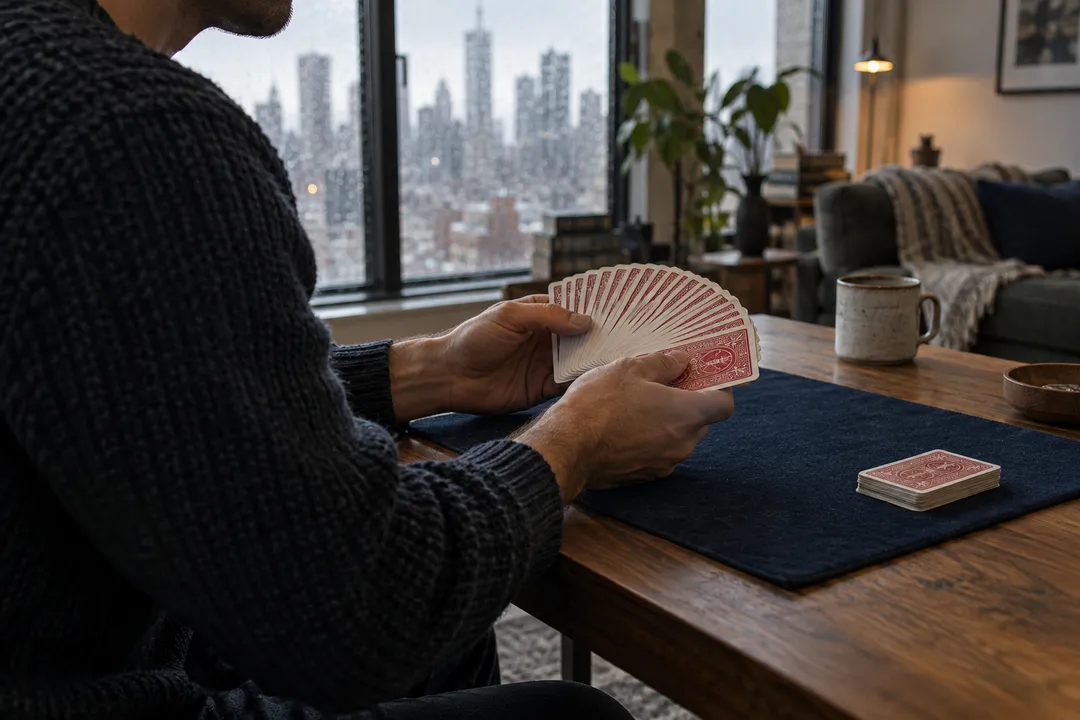
NYC Magic Shop: Pick a Deck for Your Practice
Choose a card deck at an NYC magic shop by matching size, instruction, and handling to your practice, then organize a focused outing in the Karpo APP.
Choose a deck for an NYC magic shop trip by deciding what you want to practice with it. A collector's display piece, an ordinary working deck, and a deck made for a particular effect are different purchases. Start with the lesson or routine you intend to learn, then compare the cards that support it. The Karpo APP can help organize a local browsing plan around your neighborhood and available time, with card handling as the focus.
Let the lesson choose the equipment
Bring the name of the book, course, or routine you are working through. If it calls for an ordinary deck, begin there and spend your attention on handling. If it names a particular prepared deck, write down the exact version and any accompanying items. Buying a substitute because the packaging looks similar can leave you with instructions that do not match your materials. A useful shopping question is therefore specific: what does this lesson require, and which parts are included?
If you have no lesson yet, choose a goal that you can describe without jargon. Perhaps you want to locate a selected card, learn a neat shuffle, or perform a short routine for one friend. Ask the seller which instruction supports that starting point. You are looking for a learning path, not simply the deck that produces the most dramatic demonstration. An effect that feels easy in someone else's hands may depend on preparation or handling you have not learned.
Write a search request that stays about cards
A focused Karpo message might read: “Find NYC magic shop options for a beginner learning ordinary card tricks. I am starting near Union Square and want a short shopping outing, with time afterward to sit down and read the instructions.” State whether you want teaching material or already have it. Include a budget preference if it will help narrow your choices. This keeps recommendations connected to an actual task rather than a broad list of places containing the word magic.
When reviewing the plan, distinguish a specialist retailer from a store that happens to sell playing cards. Both may have a role, but your immediate question is whether the stop supports the lesson you want to learn. Ask Karpo to shorten the route if it includes unrelated shopping. A good afternoon can involve one purposeful visit and a quiet pause afterward. The plan is a way to discover options, while the seller explains the exact deck and its contents.
Feel the size before choosing the design
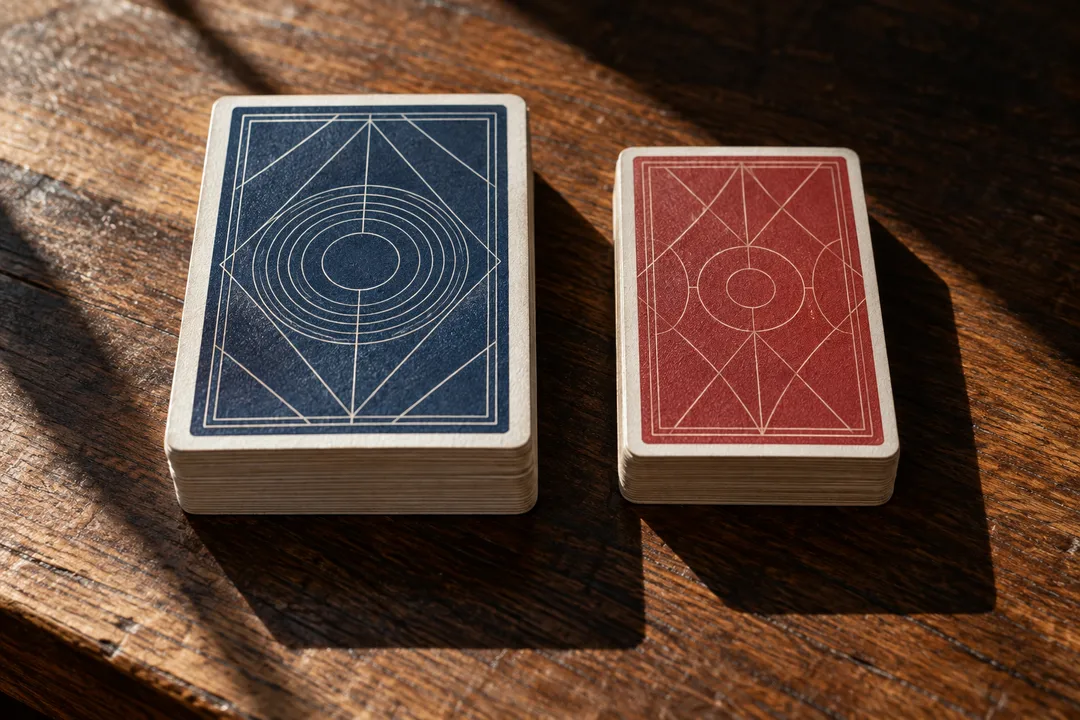
Handle a sample when permission is offered. Notice whether you can comfortably square the cards, lift a packet, and hold the deck without squeezing hard. A wider deck may feel different from a narrower one, and personal comfort matters more than copying another performer's choice. If you already practice with cards at home, bring the package name or a photo so the conversation starts from something familiar. Avoid treating one size as universally correct for every hand and routine.
Look at the card faces under ordinary room light. You want to read them comfortably and display them to the people you expect to entertain. Ornate designs can be enjoyable, but unusual artwork may make quick recognition harder for your audience. Choose intentionally between a deck for display and one for regular rehearsal. If the decoration is the reason you want it, that is a valid collecting preference. It simply answers a different question from choosing a practical first working deck.
Separate an ordinary deck from a particular effect
Some products are designed around a specific magical result. Before buying, ask what the effect looks like, what preparation it uses, and what spectators may do with the cards. The point is to understand the performance conditions without requesting an unpaid explanation of the method. Can you move into another routine afterward? Must the deck be exchanged? Does it need to be arranged again? These practical questions reveal whether the item fits the kind of practice you have in mind.
An ordinary deck offers a different kind of flexibility, but it still needs a teaching plan. Choosing one does not automatically turn a difficult routine into a beginner lesson. Consider the actions you will learn first and whether the explanation builds them in a sensible order. Skip buying several unfamiliar specialty decks merely to postpone practice. One appropriate deck and an understandable routine give you something concrete to work on, and they make your next shopping decision more informed.
Make the demonstration a handling conversation
Watch how the demonstrator controls the pace. Ask which steps a newcomer should practice separately and whether there is an alternative handling that fits your comfort. If you have limited finger movement or another access preference, describe the movement you want to avoid. That gives the seller a useful basis for suggestions. You do not need to disclose medical details or accept a purchase that feels awkward simply because the demonstration looks smooth.
Ask where the explanation lives and how you will access it. A printed lesson, video link, and one-time download have different practical requirements. Make sure you understand which materials come with the specific product being sold. If the item uses a separate accessory, include that in your decision rather than discovering the missing piece at home. Keep the product name and instruction details together so you can refer to the same edition when asking a follow-up question.
Use the rest of the outing for a quiet first step
A cafe stop can be useful for reading, but choose a surface and setting that respect the venue. Keep cards away from food and drinks, leave neighboring seats available, and avoid spreading props across shared space. Ask Karpo to place that stop near your destination or journey home. You are arranging a pleasant break, not booking a rehearsal room. Detailed practice involving loose pieces is often easier at your own table, where interruptions do not determine the pace.
Once home, give the cards a consistent place. A clean surface, intact card case, and separate space for instruction make it easier to return to the lesson. Practice one action deliberately before running the whole routine. For example, square the deck, execute the required handling, and return to a clear finishing position. Notice where you stop or lose track. Those observations are more useful for the next session than counting how many new tricks you have attempted.
Practical Notes for the next deck decision
Keep a short practice note with three entries: the routine you are learning, the part that feels comfortable, and the part that causes trouble. Bring that note on a later shopping trip if a question remains. It helps you distinguish a material issue from a learning issue. Replacing the deck makes sense when the cards no longer suit their purpose, while another explanation may be the better purchase when you do not understand the sequence.
Your first successful card-shopping outing can end with a plain deck, a clear lesson, and a reason to practice tomorrow. A decorative edition can wait until you know what you enjoy about using cards. Return to the Karpo APP for a route or nearby activity that fits the time you have, and keep the equipment decision tied to your own hands and audience. That connection is more durable than buying whatever caught your attention in a short performance clip.
Ask Karpo for more information.
Keep reading
- Chelsea Consignment Shop Crawl Planner for Your First Studio
 East Village Consignment Shop Crawl Planner: Leather Jackets
 Harlem Consignment Shop Crawl Planner for a Jazz Night Look