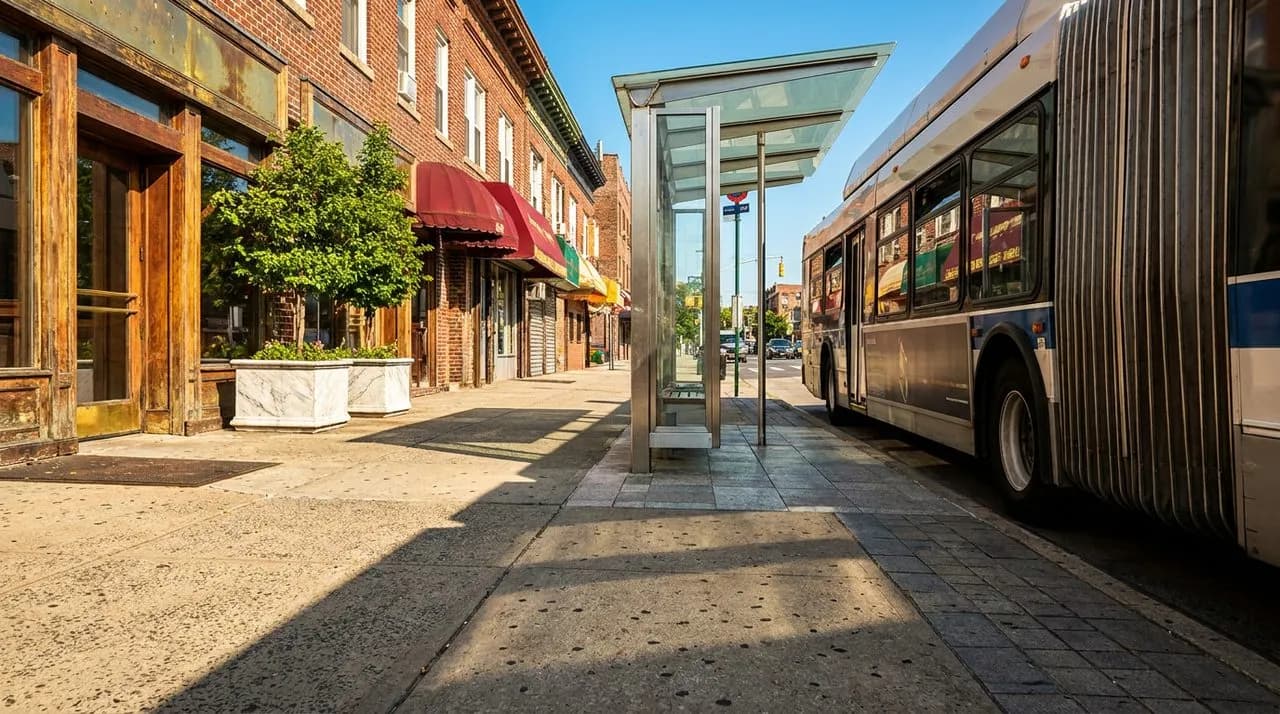
The Long Way Home After Midnight
When the dinner rush ends at 11pm in Midtown and the hospital shift change happens at midnight in the Bronx, thousands of New Yorkers face the same question: how do I get home? The subway may run 24 hours, but service thins to skeletal frequencies after 1am, and some neighborhoods lose direct connections entirely. That's when the city's night owl bus network becomes essential infrastructure for service workers, healthcare staff, and late-shift restaurant crews.
The MTA operates dozens of overnight routes, but three stand out for reliability and coverage: the Q60 running 24 hours between Midtown Manhattan and Queens, the BxM10 express connecting the Bronx to Manhattan until 2am, and the M15 Select Bus Service maintaining frequent overnight service along First and Second Avenues. Each route has its own rhythm, its own cast of regulars, and its own unwritten rules that separate tourists from those who know.
Q60: The Queens Lifeline
The Q60 is one of the few truly 24-hour NYC MTA bus routes, running from 57th Street and Lexington Avenue through the Queensboro Bridge to Elmhurst, Corona, and Forest Hills. Between 2am and 5am, buses run every 20 to 30 minutes—long enough to feel anxious, frequent enough to be dependable. The key stop for late-shift workers is Queens Boulevard and Roosevelt Avenue, where you can connect to the still-running 7 train or catch the Q23 deeper into Queens.
The overnight Q60 fills with nursing assistants from NewYork-Presbyterian heading to Elmhurst, line cooks from East Side restaurants returning to Corona, and overnight stockers commuting to warehouse jobs in Maspeth. The bus makes every stop after midnight—no express service—so the journey from Midtown to Junction Boulevard takes 45 minutes on a clear night, longer if traffic from JFK airport clogs the BQE approaches. Regulars know to board at the front and keep MetroCards ready; overnight drivers maintain schedules tightly and won't wait for fumbling.
BxM10: The Bronx Express Window
The BxM10 is an express bus, not a local, and that distinction matters enormously at 1:30am. Running from Riverdale and Kingsbridge in the Bronx down to Midtown Manhattan, it makes limited stops and uses the Major Deegan Expressway to cover ground quickly. Service ends around 2am, which means if you're finishing a restaurant shift in Murray Hill at 1am, you have exactly one shot to catch it at Madison Avenue and 40th Street. Miss that window, and you're looking at the local Bx9 or a long subway trek.
The BxM10 serves a different economic tier than most night bus NYC routes—it costs more than a standard fare, but for workers living in Riverdale or Fieldston who need to reach Midtown offices or restaurants, it's the only reasonable option. The overnight crowd includes building supers finishing emergency repairs, private caregivers ending 12-hour shifts, and late-shift managers from hospitality. The bus is quieter than daytime express routes, with passengers often asleep by the time it reaches the Deegan, trusting the driver to call out their stop near Van Cortlandt Park or 230th Street.
M15 Select Bus Service: Manhattan's Overnight Spine
The M15-SBS runs up First Avenue and down Second Avenue, maintaining Select Bus Service standards even after midnight. That means prepaid boarding at sidewalk kiosks, all-door entry, and fewer stops than local routes. Between midnight and 5am, buses run every 15 minutes—remarkably frequent for overnight service. The route connects the Lower East Side, East Village, Stuyvesant Town, Kips Bay, and East Harlem, serving one of the densest corridors of late-shift workers in Manhattan.
The M15-SBS is where you'll find Mount Sinai Beth Israel staff heading home to East Harlem after overnight ER shifts, barbacks from Lower East Side venues catching the 3am bus to Alphabet City apartments, and deli workers from 24-hour bodegas along First Avenue. The Select Bus stops at 14th Street, 23rd Street, 34th Street, 57th Street, 72nd Street, 86th Street, 96th Street, 106th Street, and 116th Street northbound—each a transfer point to crosstown buses or the Second Avenue Subway. Knowing which stop connects to what can shave 20 minutes off a late shift commute.
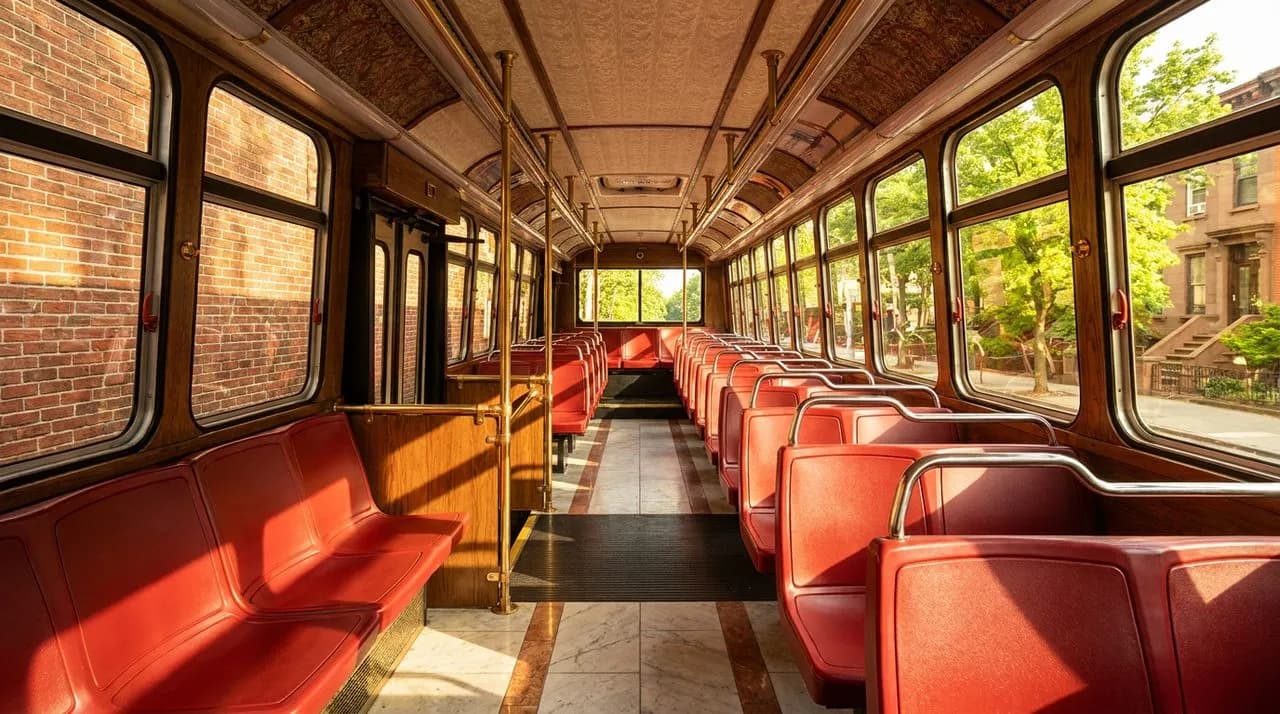
Connection Strategies at 2am
The overnight MTA network is all about connections. Few night bus NYC routes run in perfect isolation; most workers need to chain two or three to get home. The Q60 meets the M15-SBS at 57th Street and First Avenue, a transfer point that connects Queens-bound workers to Manhattan's East Side corridor. The BxM10 stops at 42nd Street and Madison, a short walk from Grand Central where overnight subway service on the 4, 5, and 6 trains still runs every 20 minutes.
At 125th Street and Lexington Avenue, the M15-SBS connects to the M60-SBS heading to LaGuardia Airport and Astoria, the Bx15 going to the Bronx, and the M35 running crosstown to the West Side. This intersection becomes a nocturnal transit hub between 1am and 4am, with workers waiting under the bright lights of the Chase bank branch, checking their phones for real-time bus arrivals. The MTA's Bus Time system is essential here—overnight schedules stretch and compress depending on traffic, and knowing your bus is six minutes away versus 18 makes the difference between waiting on a bench or grabbing coffee at the 24-hour Dunkin' on Lexington.
Route Quirks and Unwritten Rules
Every overnight route has its peculiarities. The Q60 sometimes runs articulated buses after midnight—the long, accordion-middle buses that bend around corners—which means more seats but slower boarding when the bus is crowded at Queens Boulevard. The BxM10 doesn't accept standard MetroCards for free transfers; it's an express route that requires either a new fare or an unlimited pass. That catches out workers who assume their transfer from the M15 will carry over.
The M15-SBS requires prepaid boarding even at 3am, which means you need to tap at the sidewalk kiosk before the bus arrives. Inspectors occasionally ride overnight routes checking for proof of payment, and the fine is steep. Regulars also know that the M15 bunches—two buses will arrive within three minutes of each other after a 25-minute gap. When that happens, board the second bus; the first will be packed with everyone who was waiting, while the second often runs nearly empty. These small pieces of knowledge accumulate into the difference between a 45-minute commute and a 90-minute ordeal.
Practical Notes for Late-Shift Commuters
Navigating the night owl network requires preparation. Download the MTA's app for real-time tracking, keep your MetroCard loaded with enough for at least two fares, and know your backup routes. The overnight system is resilient but not infallible—buses break down, drivers call in sick, and routes occasionally detour around street construction without warning.
- Check Bus Time before leaving work; don't assume printed schedules reflect reality after midnight.
- Keep a backup $20 for a cab or rideshare if the last bus doesn't show—it happens.
- Dress in layers; overnight buses alternate between overheated and freezing depending on driver preference.
- Sit near the front if you're alone; drivers keep an eye on front-section passengers and discourage trouble.
- Know your transfer points before you board; asking the driver at 2am yields mixed results.
- Charge your phone; a dead battery means no real-time tracking and no way to call for alternatives.
The late shift commute is New York's invisible infrastructure, the network that keeps hospitals staffed and restaurants cleaned and buildings maintained while the city sleeps. The Q60, BxM10, and M15-SBS are more than bus routes—they're lifelines for the workers who make morning possible for everyone else.
The City That Never Sleeps Still Needs a Ride Home
There's a particular solidarity on overnight buses that doesn't exist during rush hour. Passengers recognize each other week after week, nodding acknowledgment without speaking. A nurse finishing at Mount Sinai, a porter from a Midtown hotel, a cook from a 24-hour diner in Elmhurst—they share the Q60 at 2:30am, each taking the long way home because it's the only way home. The routes may be slow and the waits long, but they run, and that consistency matters more than speed.
As of May 2026, the MTA continues to evaluate overnight service frequencies based on ridership data and budget constraints. Advocates push for more 24-hour routes and shorter headways on existing lines, arguing that late-shift workers deserve the same service reliability as 9-to-5 commuters. For now, the night owl network remains a patchwork—adequate for those who learn its rhythms, frustrating for those who don't. But every night, the buses roll, carrying the city's essential workers through the quiet hours, one stop at a time, the long way home.
Sources consulted: MTA Official Website · NYC Department of Transportation · MTA Bus Time Real-Time Tracking · Regional Plan Association Transit Research · Transportation Alternatives NYC
All trademarks are the property of their respective owners.


