 Haaland Has Seven Goals and Norway Runs Entirely Through Him
⚽️2026 FIFA WORLD CUP
MetLife Stadium World Cup 2026: The Long Way Home via NJ Transit
Navigating the post-match crush from MetLife Stadium to Manhattan requires patience, strategy, and a good pair of walking shoes.
The Reality of Post-Match Departures
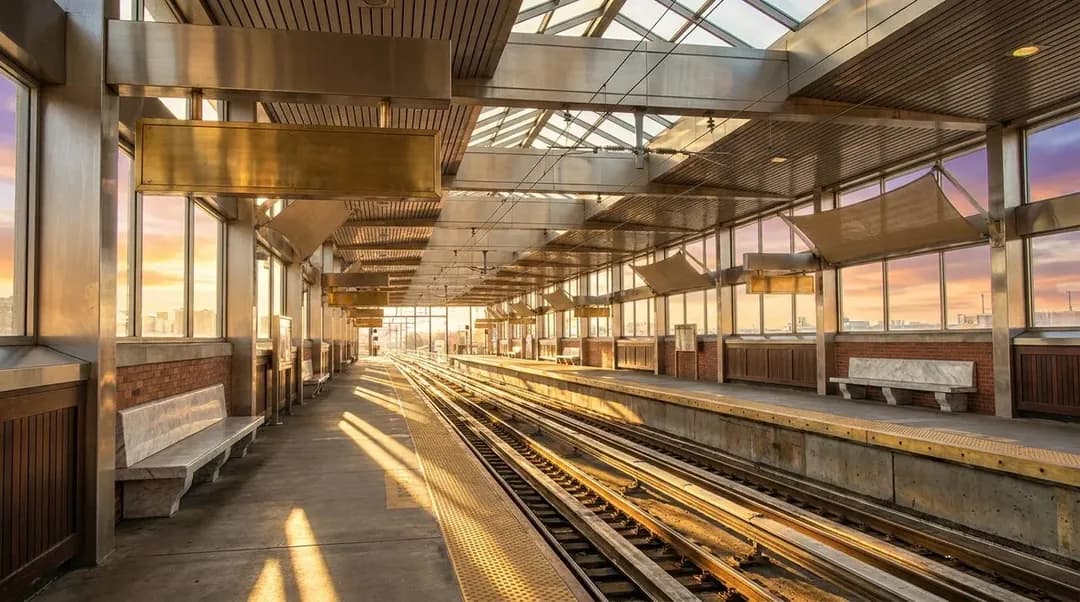
When the final whistle blows at MetLife Stadium on July 19, 2026, roughly 82,500 spectators will funnel toward a single rail station. The NJ Transit Meadowlands Rail Line operates exclusively on event days, shuttling passengers to Secaucus Junction for connections into Manhattan, Hoboken, and points west. Expect platform queues that stretch back to the stadium concourse and wait times that can exceed ninety minutes during peak egress.
The Meadowlands station sits adjacent to the stadium's east gate, a five-minute walk from most seating sections. Trains depart in waves, typically every ten to fifteen minutes after major events, but World Cup 2026 crowds will test even the most generous capacity planning. If you're seated for the final or any knockout match, budget at least two hours from the closing ceremony to your arrival at Penn Station or Hoboken Terminal.
Meadowlands Rail Line: What to Know Before You Queue
The Meadowlands Rail Line is a spur that diverges from the Main Line at Secaucus Junction, purpose-built for stadium events. Service begins approximately two hours before kickoff and continues until crowds dissipate, often three hours post-match. Round-trip fares run around twelve dollars; tickets can be purchased via mobile app or at vending machines near the platform entrance. Cash is accepted at machines, but lines move faster when passengers arrive with pre-loaded accounts.
Trains are typically eight-car consists, each accommodating roughly one hundred fifty standing passengers during crush loads. Platform staff enforce orderly boarding, but expect shoulder-to-shoulder conditions on the first dozen departures. If you have mobility concerns or traveling with young children, consider lingering in the stadium concourse for thirty minutes after the match; grab a late snack at one of the concession stands and let the initial surge subside before descending to the platform.
Secaucus Junction: The Choreography of Transfer
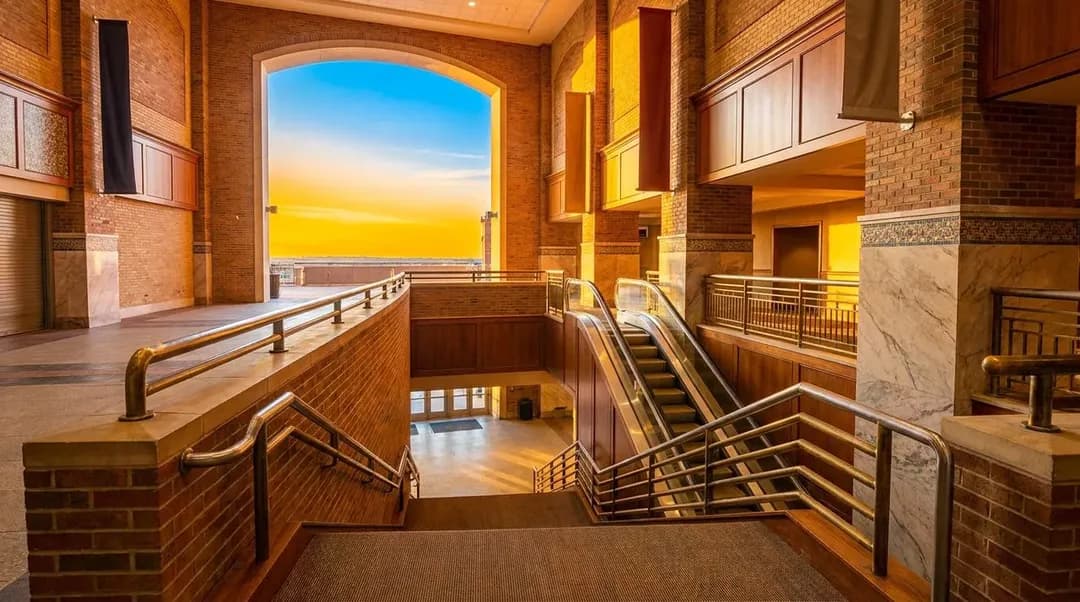
Secaucus Junction is New Jersey's busiest transfer hub, a four-level complex where the Meadowlands spur meets the Main, Bergen, and Pascack Valley lines. Your Meadowlands train will arrive on the upper event platform; from there, follow overhead signage to reach trains bound for Penn Station New York, Hoboken Terminal, or destinations along the Northeast Corridor. The station is well-lit and staffed, but wayfinding under match day pressure can feel disorienting.
Allow at least fifteen minutes for the Secaucus transfer, including descent via escalator or elevator and platform navigation. Penn Station trains depart from the lower concourse every ten to twenty minutes on event nights; Hoboken-bound trains run with similar frequency. Check the departure boards for track assignments and listen for announcements—trains can shift tracks with little notice. If you're continuing to destinations beyond Manhattan, confirm your connection windows; the last express trains to Trenton and Long Branch typically depart Penn Station by half past midnight.
Port Authority Bus Alternatives: When Rail Feels Impossible
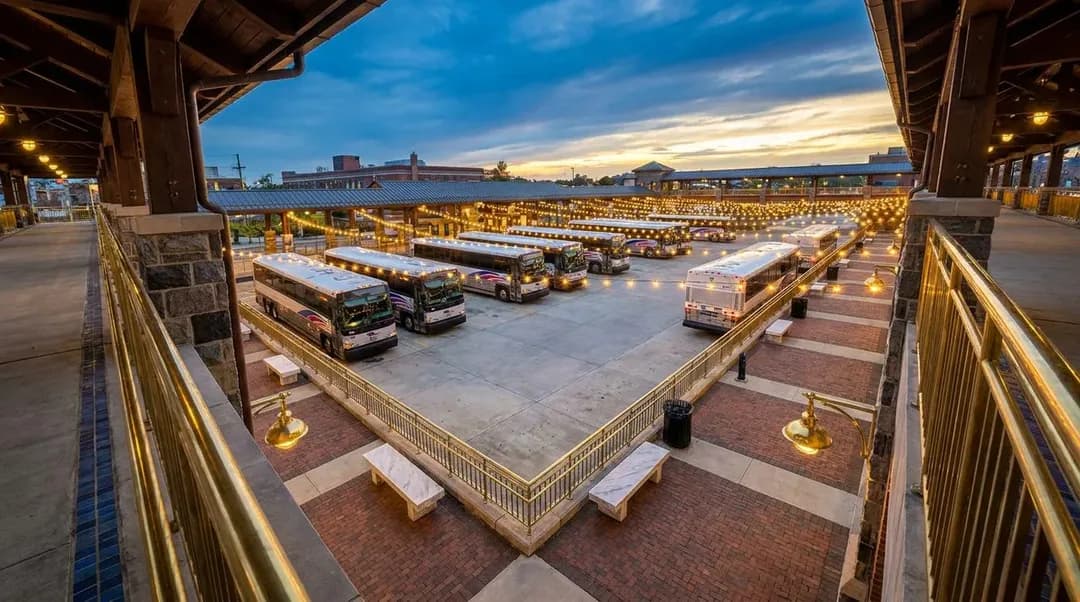
NJ Transit also operates dedicated bus shuttles from MetLife Stadium to the Port Authority Bus Terminal at Eighth Avenue and 42nd Street. Buses stage in the stadium's south lot, a ten-minute walk from most gates, and depart on a rolling schedule as they fill. The ride takes forty to sixty minutes depending on Lincoln Tunnel traffic, and fares match the rail round-trip. Buses offer a seated alternative to standing-room rail cars, but boarding queues can rival those at the Meadowlands platform.
The Port Authority terminal is a sprawling maze; buses discharge passengers on the second or third floor, from which you can access subway lines at Times Square or continue to street level for taxis and ride-shares. The terminal's food court remains open late, offering a chance to decompress before the final subway leg home. If you're staying in Midtown or the Upper West Side, the bus may shave fifteen minutes off your door-to-door journey compared to the Secaucus-Penn Station route.
Refueling Mid-Route: Where to Pause and Regroup
Secaucus Junction houses a small newsstand and coffee kiosk on the main concourse, open until the last scheduled train. The selection is limited—bottled water, packaged snacks, and pre-made sandwiches—but it's enough to tide over hungry travelers. Penn Station offers more variety: the Amtrak concourse features a handful of quick-service counters, and the Long Island Rail Road level has a twenty-four-hour convenience store near the Seventh Avenue entrance.
If you're taking the bus to Port Authority, the terminal's third-floor food court includes familiar chains serving pizza, burgers, and Asian fare until the early morning hours. The quality is utilitarian, but the seating areas provide a welcome respite from the transit crush. Alternatively, exit the terminal to Ninth Avenue, where late-night diners and taco counters cater to the post-theater and post-event crowd. Just remember that every detour adds minutes to your journey; if you're racing the last subway home, prioritize speed over sustenance.
Practical Notes for Match Day Transit
Successful navigation of the post-match exodus depends on preparation and realistic expectations. Download the NJ Transit mobile app before match day to monitor real-time train status and purchase tickets in advance. Charge your phone fully; you'll rely on it for tickets, maps, and communication with your group. Wear comfortable shoes—concrete platforms and crowded concourses punish dress footwear.
- Purchase round-trip NJ Transit tickets via mobile app before arriving at MetLife Stadium to avoid vending machine queues.
- Identify your final destination and confirm Secaucus Junction transfer requirements before boarding the Meadowlands train.
- Carry a portable battery pack; cellular networks strain under event-day load and drain phone batteries faster than normal.
- Travel light—backpacks and large bags slow boarding and crowd already tight spaces on trains and platforms.
- If traveling in a group, designate a meeting point at Secaucus Junction in case you're separated during boarding.
- Monitor social media and official NJ Transit channels for service alerts; weather or mechanical issues can cascade into significant delays.
- Consider departing the stadium ten minutes before full time if the match outcome is decided; you'll sacrifice the final whistle but gain a head start on the platform queue.
Remember that match day schedules for the World Cup 2026 knockout rounds and final will likely feature extended service windows and additional rolling stock. NJ Transit has historically risen to the challenge of major events at MetLife Stadium, but the global scale of a World Cup final introduces variables that even the most seasoned transit planners can only estimate. Patience and flexibility will serve you better than any timetable.
The Long View: Why the Journey Matters
The commute home from MetLife Stadium will test your endurance, but it's also a shared ritual that binds tens of thousands of strangers in collective experience. You'll swap match observations with fellow passengers on the Meadowlands platform, debate offside calls during the Secaucus transfer, and relive decisive moments over lukewarm coffee at Penn Station. These in-between spaces—crowded, uncomfortable, and utterly human—are where the memory of the match crystallizes into story.
When you finally surface at your home subway stop or step onto your Brooklyn-bound platform, the fatigue will feel earned. The 2026 World Cup will bring the world's game to North American soil for the first time in over three decades, and the logistical friction of getting there and back is the price of admission. Embrace the chaos, trust the infrastructure, and remember that the long way home is part of the journey. Right on time for kickoff, right on time for the memories that follow.
All trademarks are the property of their respective owners.
Ask Karpo for more information.
Keep reading
- Haaland Has Seven Goals and Norway Runs Entirely Through Him
 World Cup Trophy Ceremony Timing Medals and Postmatch Celebrations
 Olise and France's Attack: The Semifinal Tactical Question