The Curiosity: A Post-Screening Walk Belongs Outdoors
Streaming has made film provisional. You press play at 8 p.m., pause at 8:47 for a text, resume at 9:15. The frame stays the same size, the room stays the same temperature, the experience is infinitely pausable. But when you sit in a theater—even a smaller one like BAM's Harvey Theater on Ashland Place—something different happens. The film moves through you in real time, and when it ends, you're still moving. You're still thinking in the film's rhythm. The walk that follows matters.
Hope Movie 2026, now available on Prime Video for home viewing, was made for the screen. Its pacing, its color work, its long takes through urban spaces—these elements demand the theater's uninterrupted attention. When you exit BAM after an evening screening, you're not ready to be home. You're not ready to sit down. You need distance and air and the particular kind of thinking that happens when you're moving through a city that doesn't know you've just spent two hours inside someone else's story. This walk, from BAM to Williamsburg's listening bars, is designed for that exact state of mind.
Stage 1: BAM Harvey Theater to Lafayette Avenue
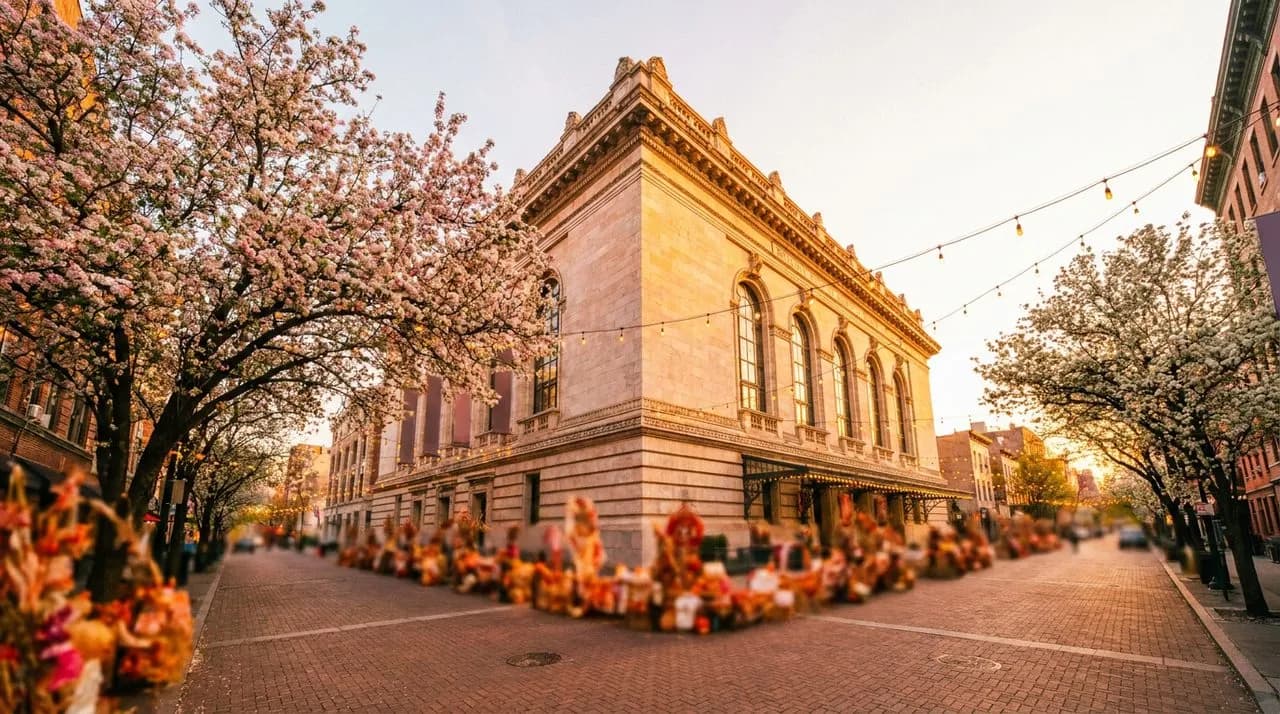
The Harvey Theater sits at 651 Fulton Street, a 1908 Romanesque Revival building that has hosted everything from opera to experimental theater. Exit onto Ashland Place and turn left. You're in Fort Greene proper now, though the neighborhood has shifted considerably in the past fifteen years. The blocks between Ashland and Lafayette still hold older brownstones, and the foot traffic is lighter than it is further south toward downtown Brooklyn. Walk north on Ashland for four blocks until you reach Lafayette Avenue. This section takes about ten minutes and moves you away from the immediate BAM crowds—the tourists, the date-night couples, the students heading to the bar next door.
At Lafayette, you can see the neighborhood's mixed character. There's a bodega on the corner, a few small restaurants, a laundry. The street has the feeling of a place that hasn't fully decided what it wants to be, which is precisely why it's worth walking through. You're not performing tourism here. No one is photographing the storefronts. The light at this hour—assume you're leaving BAM around 9:15 or 9:30 p.m.—is mostly gone, but the streetlights are on, and there's still enough ambient light to see the building details, the fire escapes, the way the older structures sit next to newer ones without quite matching.
Stage 2: Fort Greene Park to Clinton Hill
Turn right on Lafayette and walk east for two blocks until you reach the entrance to Fort Greene Park at Myrtle Avenue. The park is technically closed after dark, but the perimeter walk is public sidewalk. The park's iconic monument—a 148-foot Doric column completed in 1908—is lit at night, and you can see it rising above the trees even from the street. This is a moment to slow down. The park itself is a green space, a break from the grid, and the sidewalk that borders it has fewer cars, fewer people, fewer distractions. The walk from Lafayette to the park takes about eight minutes.
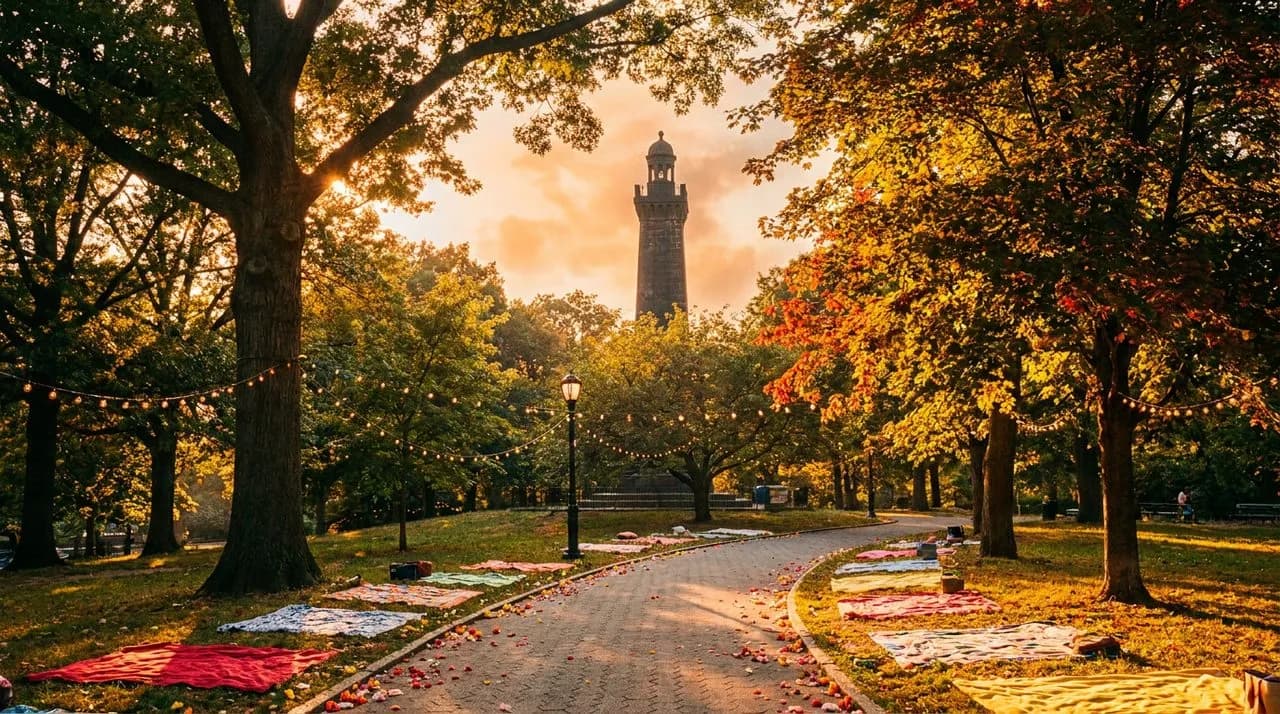
Continue on the park's eastern edge, which runs along Washington Park. The neighborhood here—the border between Fort Greene and Clinton Hill—is quieter than the commercial strips. Brownstones line the streets. There are small gardens behind iron gates. The pace of life is slower, more residential. This is where Hope Movie 2026, if it had been filmed in Brooklyn instead of its actual location, might have placed a scene about waiting or thinking or the particular loneliness of being in a city where everyone else seems to know what they're doing. Walk along Washington Park for about ten minutes, moving north. You're covering ground without rushing.
Stage 3: Bedford Avenue to Williamsburg's Listening Bars
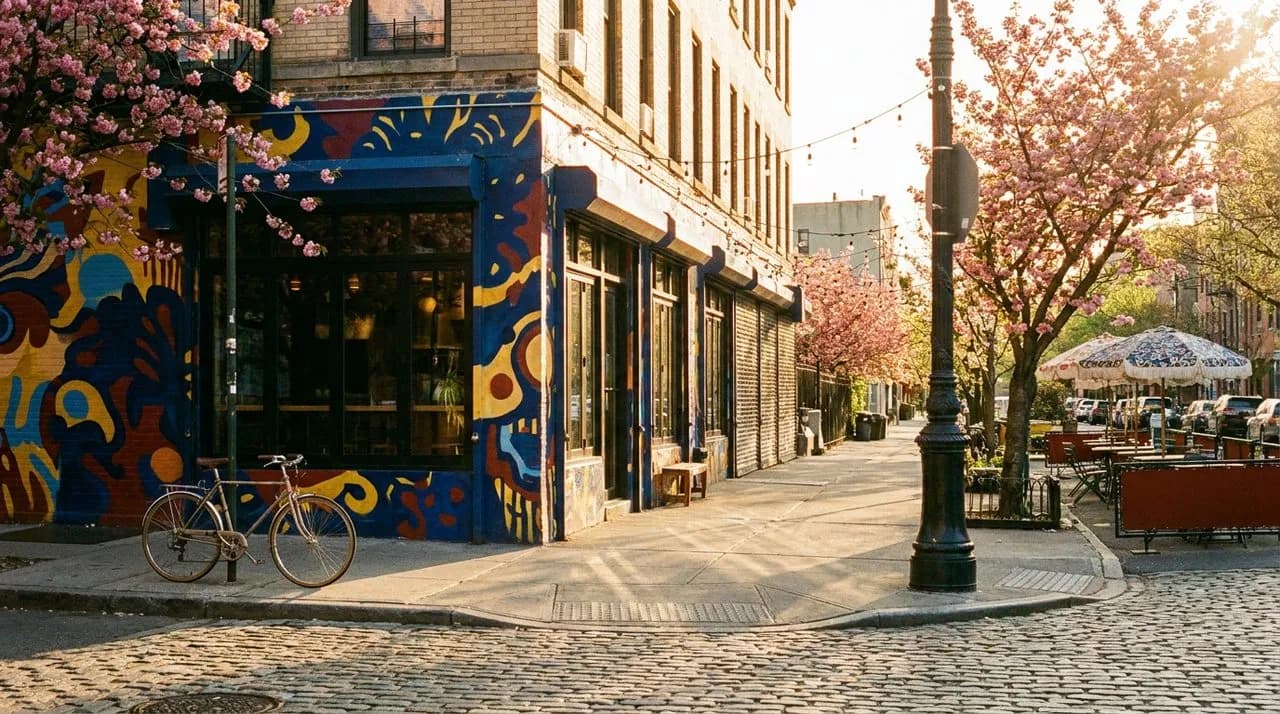
By the time you reach the Clinton Hill-Williamsburg border—roughly around Myrtle Avenue heading northeast—you've walked about thirty-five minutes. The character of the streets changes. There are more people, more light, more commerce. Williamsburg's listening bar culture has grown in the past few years, a response to streaming fatigue and the desire for curated, communal sound. These aren't nightclubs. They're bars where someone has chosen the music, and the sound system is good enough that you can hear what's been chosen. They're places where strangers sit in proximity without obligation.
Head toward Bedford Avenue, the neighborhood's main north-south spine. You can enter from the south near the L train stop at Bedford-Nostrand or approach from the east along any of the side streets. The listening bars cluster in a few blocks: some on Bedford itself, others on the surrounding avenues like Driggs or Franklin. By 10:15 p.m., they're filling up with the post-dinner, post-streaming crowd—people who've decided that an algorithm isn't enough, that they want someone else's taste in the room with them. This is where your walk ends, or rather, where it transforms into something else. You're still processing Hope Movie 2026, but now you're doing it with sound in the background and the particular anonymity of a good bar.
Why Hope Movie 2026 Travels Differently Off Streaming
The fact that Hope Movie 2026 is available on Prime Video doesn't change what the film is, but it changes how most people will experience it. A theater forces duration. You commit to two hours. Your phone is off. The frame is large, the sound is engineered, the darkness is complete. Streaming offers convenience, which is its own kind of value, but it also offers distraction. You can rewind. You can pause for a call. You can watch with subtitles off and then on again. The film becomes negotiable.
This walk from BAM to Williamsburg is a argument for the theater version, even though the streaming version is more accessible. It's an argument that certain films demand the commitment of a room, a seat, and a two-hour window where nothing else happens. After you've given a film that kind of attention, the walk that follows is different. You're not just moving through a city. You're moving through it while the film is still working on you. The listening bars of Williamsburg, full of people who've chosen sound over silence, are the natural endpoint for someone who's just spent an evening inside someone else's story and isn't ready to be alone with it yet.
How Karpo Maps Post-Screening Walks From BAM
The Brooklyn Academy of Music is one of New York's most consistent venues for the kind of film that benefits from theatrical presentation. Its programming includes new releases, archival screenings, experimental work, and international cinema. After almost any screening there, a walk is the right next move. The neighborhoods surrounding BAM—Fort Greene, Clinton Hill, Williamsburg—offer different rhythms depending on which direction you go. North leads to residential quietness and then to the social energy of Williamsburg. South leads to downtown Brooklyn's commercial density. East leads toward Bed-Stuy's emerging restaurant scene. West leads toward the water.
This particular route—BAM to Williamsburg via Fort Greene Park and Clinton Hill—works because it honors the post-screening state of mind. It's not the fastest way to get to Williamsburg. It's not the most direct. But it moves through neighborhoods that are still thinking, still processing, still quiet enough to let a film settle. The listening bars at the end aren't a destination in the sense that a restaurant or a club is. They're a place to be around other people's choices without having to make a choice yourself. For sixty minutes after Hope Movie 2026 ends, this walk is the film's continuation.
Practical notes
- BAM Harvey Theater is at 651 Fulton Street, Brooklyn. Check their website for screening times and which films are playing. Evening screenings typically end between 9:15 and 9:45 p.m.
- The walk takes approximately 60 minutes at a normal pace. Wear comfortable shoes. The route is mostly flat with minimal elevation change.
- Fort Greene Park's perimeter is public sidewalk accessible 24 hours. The park interior closes at dusk. The monument is lit at night.
- Listening bars in Williamsburg typically open by 5 p.m. and stay open until midnight or later. No reservations needed. Order a drink and sit. The music is the point.
- The L train runs under Bedford Avenue in Williamsburg if you need to exit quickly. The G train runs under Clinton-Washington Avenues if you want to cut the walk short.
- This route works best in mild weather. Rain changes the experience significantly. Avoid the walk immediately after matinee screenings when foot traffic is heavier.
A post-screening walk is a kind of editing. The film doesn't end when the credits roll. It ends when you've processed it enough to be present in the city again. This walk, from BAM through Brooklyn's quieter neighborhoods to Williamsburg's listening bars, is designed to extend that processing time. By the time you sit down at a bar and order a drink, Hope Movie 2026 has had an hour to work on you. The film is still there, but it's beneath the surface now, moving slowly, the way films should move after you've given them your full attention.
Tags: #karponyc #theLongWayHome #BAMbrooklyn #HopeMovie2026 #PrimeVideo #FortGreene #ClintonHill #Williamsburg #PostScreeningWalk #ListeningBars #BrooklynCinema #UrbanWalking #TheOddEdit #RightOnTime
Sources consulted: Brooklyn Academy of Music · Fort Greene Park Conservancy · Prime Video · NYC Parks Department
All trademarks are the property of their respective owners.