 Crown Heights Rainy Day Kids Activity Finder for Toddlers
Weekend Plans

NYC Local Event Finder: Rainy Nights With Dry Arrivals
Find indoor NYC event ideas by giving Karpo your starting area, arrival window and rain limits, then compare entrances and admission before choosing.
Rain changes an NYC event search at the doorway. An indoor program can still involve a pavement queue, an exposed transfer and a long walk after the performance. Use a local event finder to work through those three points before choosing the activity. In Karpo APP, describe where you will leave from, when you can arrive and how much outdoor time feels comfortable. The example below is a planning exercise, with no named event or promised admission.
Start with the wet part of the journey
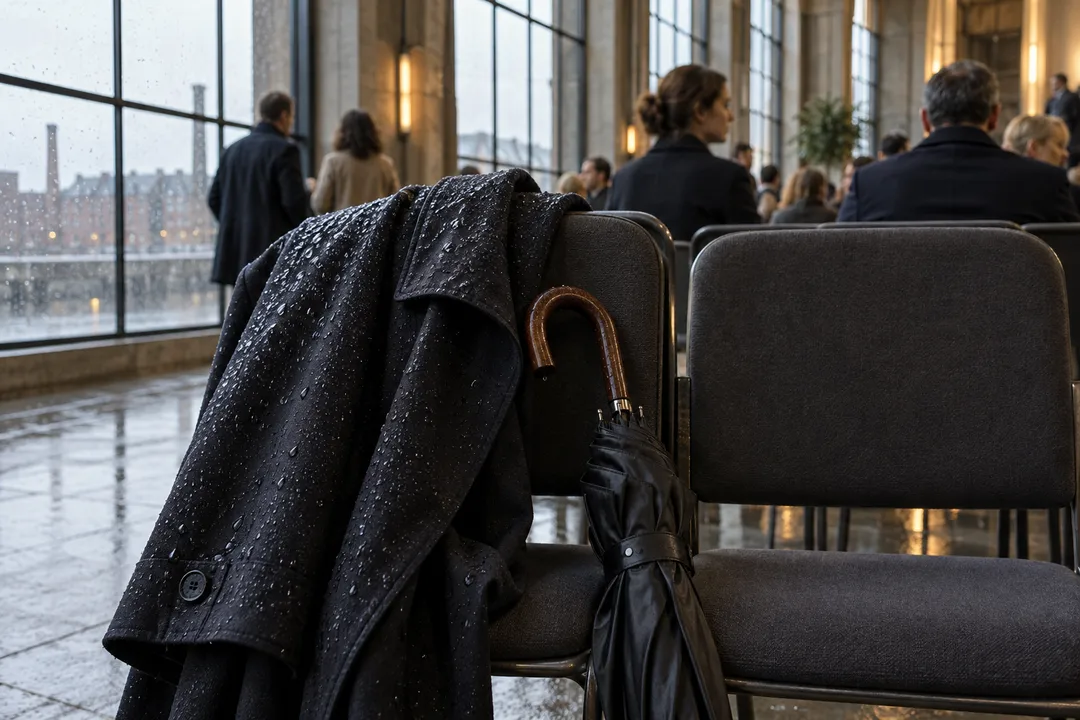
Imagine leaving work in Midtown with a damp coat and an umbrella that has already turned inside out once. Your useful request is more specific than “something indoors tonight.” Tell Karpo that you want an activity reached with one manageable journey, a sheltered arrival and somewhere to sit. Those are search instructions, rather than claims that every suggested venue offers those conditions. A small indoor reading could fit the task better than a much larger event with an outdoor holding line.
Separate walking tolerance from travel time. You might accept thirty minutes on a train while wanting only a short walk at each end. Another person could prefer a longer direct walk over stairs and transfers. Give both limits in ordinary language. A map radius cannot explain that distinction by itself. Asking for candidates with a reason for their location helps you see whether the proposed outing respects the kind of journey you actually want to make.
Choose a departure area that you are comfortable sharing. A neighborhood or nearby station can provide a starting point without putting your home address into the conversation. Add the date and the earliest realistic arrival. “Tonight” is a useful beginning, but a calendar day and a time window make the request easier to interpret when you revisit it. Keep work finishing time separate from the moment you expect to reach the event entrance.
Compare the entrance as carefully as the program
An event description needs to answer where the audience assembles. The main building entrance and the admission queue might be different places. For a candidate that interests you, read the organizer's arrival instructions for the relevant session. Covered waiting, coat storage and late admission are separate details, and an indoor photograph establishes none of them. If those points are missing, leave them unresolved in your comparison rather than treating a warm-looking room as evidence.
Ask for an explanation of the difference between doors and the activity's beginning. A long gap can mean useful settling time, but it can also create more waiting than you want. In this hypothetical search, you could prefer a session whose arrival arrangement is clear over a more exciting listing with an unexplained queue. That is an honest tradeoff: tonight's goal is a comfortable outing, and the approach to the room is part of that experience.
Skip an outdoor-to-indoor itinerary that depends on several exposed stops. A market visit followed by a show can sound appealing on a dry map and feel completely different with a wet bag. Keep the main activity as the only commitment. If you later want something to eat, make that a separate decision close to the chosen destination. A useful plan does not need to transform a rainy evening into an ambitious tour of three neighborhoods.
Use a request that makes the tradeoffs visible
A practical message might be: “I am leaving Midtown after work on the date below. Find indoor cultural event ideas with a short outdoor approach, seated participation and a straightforward trip home. I prefer listening or looking over a hands-on workshop tonight. Put the strongest two candidates side by side and explain any unknown arrival details.” Add your actual date and limits before using it. This is suggested wording, not a transcript of a completed search.
When ideas appear, compare the date, activity, entry method and journey as distinct pieces. An address describes a place, while a dated program identifies an event. A building's ordinary opening schedule does not establish that the advertised session is taking place. Keep the organizer's session page attached to your decision so you can distinguish a specific evening from a general venue description. The point is a small, understandable choice rather than a long list of attractive rooms.
One useful follow-up changes only the constraint that matters: “Keep the indoor requirement, but make the walk shorter even if the program is less unusual.” That produces a clear editorial direction without restarting everything. Avoid asking for a guaranteed dry journey, because sidewalks, station access and queues involve conditions outside a recommendation. Instead, choose the arrangement with the fewest exposed stages and the clearest published instructions for getting into the building.
Give the fallback a different job
Your alternative should reduce a different source of effort. If the first choice depends on timed admission, the second could be an activity with a simpler published entry process. If both require the same difficult transfer, neither solves the travel problem. Ask Karpo to explain the practical difference between the two options in one sentence. That makes it easier to change direction without feeling that you are abandoning the entire evening.
Set a personal decision point before leaving. For example, you might decide that an unexplained outdoor line is enough reason to choose the alternative. That is your comfort rule, not a statement about a venue's actual waiting time. You can also decide that a soaked coat means heading home. Keeping that option legitimate helps an easy outing remain easy. An event search should serve the evening you have, including the energy left after the working day.
Keep the neighborhood walk optional and short. A sheltered pause near the activity can be pleasant, but do not attach a particular café, covered arcade or indoor passage without a reliable source for public access. You do not need a named second stop to make the itinerary feel complete. The meaningful sequence can simply be arrival, one activity and the return trip, with enough room between them to avoid rushing through wet streets.
Practical Notes for a rain-aware choice
Bring the final comparison back to three questions: can you reach the entrance comfortably, can you participate in the way you want and can you get home within your limit? Read admission instructions as the organizer states them. A recommendation, a saved idea and a completed ticket purchase are different stages. Only the provider's successful transaction establishes the booking, and no availability or reservation is implied by the example in this article.
Start in Karpo APP with your actual departure neighborhood and date, then add the rain-related constraint that would otherwise make you stay in. Ask for two explainable candidates rather than every indoor event in New York. Choose the one whose session details and arrival process support your needs. With those decisions made, the evening has a clear shape: a manageable approach, something worth your attention and a return journey that still feels reasonable when it is raining.
Ask Karpo for more information.
Keep reading
- Crown Heights Rainy Day Kids Activity Finder for Toddlers
 Jackson Heights Rainy Day Kids Activity Finder for Siblings
 Lower East Side Rainy Day Kids Activity Finder by Stroller