 Fort Greene Holiday Market Browsing Guide for Young Shoppers
Weekend Plans
NYC Local Event Finder: 3 Ways To Choose Workshops
Find beginner-friendly NYC workshop ideas by naming what you want to try, how much teaching you need and which materials and admission terms matter.
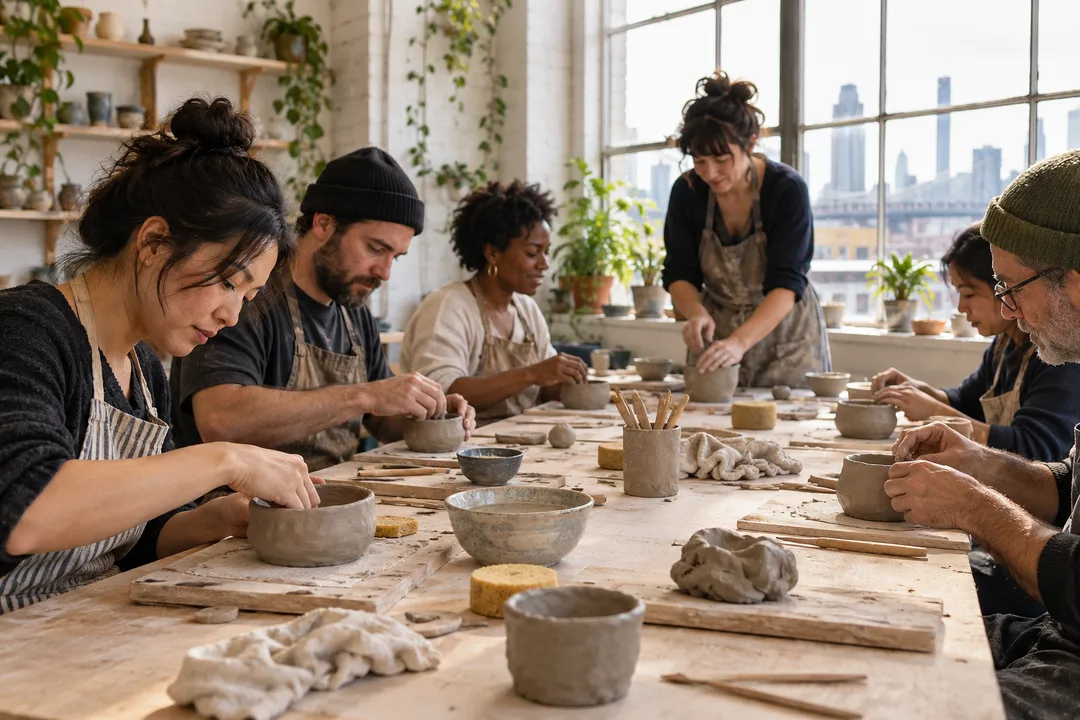
Choosing an NYC workshop starts with what you want to learn, how you want to learn it and what the session actually includes. Those are three different questions for a local event finder. A striking photograph of finished pottery or printed fabric cannot answer them. In Karpo APP, ask for beginner-oriented ideas around your interests and available time, then compare the published teaching format. This article uses hypothetical preferences and does not offer a particular workshop, price or place in a class.
First choose the experience you want to take home
Some people want to leave with a finished object, while others are happy to practice a technique that needs more work later. Those expectations can lead to very different classes. Say whether your goal is trying a craft, developing a specific skill or making something usable in one session. You can be curious without wanting a serious course. Putting that distinction into the request helps prevent a pleasant introduction from being compared with an intensive training program.
Think about the material as well as the subject. Working with wet clay feels different from cutting paper or handling ink, and the experience may matter more to you than the finished object. If you have a practical restriction, such as wanting to avoid dust or standing at a workbench, include it directly. Do not assume a familiar craft has the same physical setup in every studio. The event description should support the type of participation you need.
Be honest about your starting level. “I have never used a sewing machine” is more useful than calling yourself creative or uncreative. An introductory session should explain whether it teaches the basics or expects them. You can ask for ideas that require no prior experience, but treat that as a search condition until the provider's program supports it. A workshop labeled beginner can still require particular preparation, equipment or a small amount of independent work.
Match teaching style to your first session
A demonstration, a guided practical class and an open studio each give you a different relationship with the instructor. In a demonstration, looking closely can be the main activity. A guided class should state what participants will practice, while an open studio may assume you can work independently. Ask Karpo to distinguish those formats when presenting candidates. Their titles can sound similar even when the actual session would feel completely different to someone trying the craft for the first time.
Consider whether you prefer following one project or experimenting within a technique. A structured project can reduce the number of decisions you need to make. An exploratory session can suit someone who enjoys choosing colors, shapes and approaches as they go. Neither format is automatically better for beginners. The useful question is which would make you comfortable asking for help and continuing when the first attempt does not look like the example photograph.
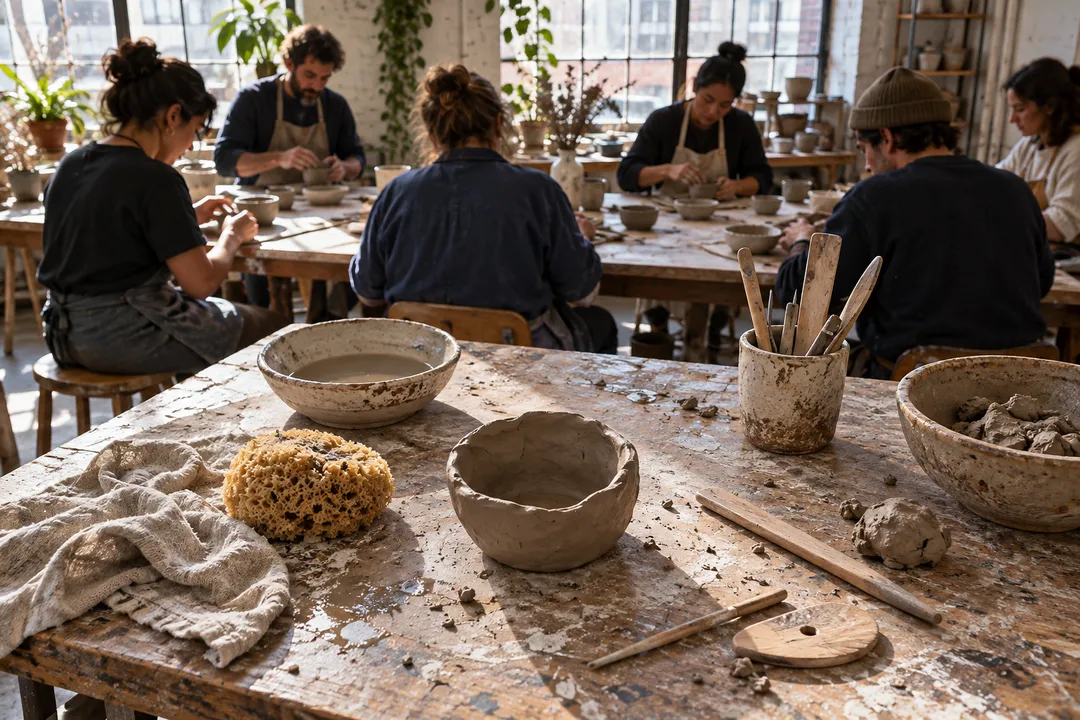
An example brief could read: “I want to try a hands-on creative workshop in NYC on this date. I am a complete beginner and prefer one clearly taught project over independent studio time. I would like the materials supplied and need a seated setup. Show me a few ideas and explain the teaching format.” Replace the conditions with your own. This is a request you can make, rather than an assurance that matching classes are currently available.
Look at what is included before comparing cost
A session price can cover teaching while leaving materials separate. Another provider might include tools, supplies and later collection of the work. Read the actual inclusions for the candidate rather than comparing headline amounts alone. If a material charge is not stated, keep that question open instead of inserting an estimate into the plan. This article gives no class prices, because the useful point is how to compare the charges published for the particular workshop you choose.
The object may not be ready to carry home immediately. A technique involving drying, firing or later finishing can create a second visit or a delivery decision. That detail affects whether a session suits a visitor, a gift plan or someone with limited free time. Use the provider's instructions to understand what happens after the class. A photograph of a finished piece does not establish that every participant receives the same result by the end of the session.
Clothing and equipment instructions are practical parts of the experience. An organizer may specify shoes, sleeves, protective clothing or items to bring, and those conditions belong in your decision before booking. Avoid turning general craft knowledge into invented rules for a studio. Read the requirements that accompany the actual session. If the published activity demands something you cannot comfortably do, choose a different format rather than assuming an instructor can remove that part of the class.
Give the workshop a realistic place in the day
Leave enough time to arrive before instruction begins. Missing an introduction can mean missing the safe handling of tools or the first stage of a project. Your own buffer should account for the journey and finding the stated entrance, without claiming a particular queue or travel time. A workshop is a stronger anchor than an optional stop between two other commitments. Let the class have the attention you are choosing it for.
Keep the surrounding neighborhood plan light. You could take a short walk before class or leave time afterward to talk about what you made. Avoid a second timed reservation that depends on the workshop ending early. If you will carry a fragile or wet object, that also changes the appeal of a long detour. Those are useful planning considerations even before you settle on a named venue, and they make the eventual choice more practical.
Skip a class selected only because its finished product looks impressive. For a first attempt, an explanation of the process and a supportive teaching format matter more than a dramatic image. Ask for a candidate that fits the way you want to spend the session. An uncomplicated project can be satisfying when you understand the technique and have room to try it. The point is participation, not reproducing a professional photograph on your first afternoon.
Practical Notes for choosing a beginner workshop
Before paying, gather the session date, location, duration, entry requirements, materials and collection arrangements in one place. Read the organizer's cancellation and transfer terms as part of the commitment. A suggested class does not reserve a workstation, and the number of people in a promotional photograph says nothing about remaining places. Use the provider's booking process for the exact session, keeping its confirmation separate from any ideas discussed in Karpo APP.
Begin with one craft you are curious about and the kind of help you would like. Tell Karpo your date, learning level and practical limits, then compare the candidates on the three questions in the title: desired experience, teaching style and inclusions. Choose the session whose description supports your expectations. That gives a first workshop a clear purpose while leaving room for the most enjoyable part of trying something new: finding out what you like through doing it.
Ask Karpo for more information.
Keep reading
- Fort Greene Holiday Market Browsing Guide for Young Shoppers
 DUMBO Holiday Market Browsing Guide for Gifts to Mail Home
 Midtown East Holiday Market Browsing Guide for Commuters