 Upper West Side Free Indoor Weekend Plan Finder for Music
Free Things to Do
Williamsburg Local Community Garden Walk: Waterfront Plots
Explore this free local community garden walk through Williamsburg to discover waterfront urban agriculture, pollinator plots, and creative green spaces.
Williamsburg blends creative urban vitality with pioneering grassroots agriculture along its dynamic East River waterfront corridor. Beyond industrial brick warehouses and sleek residential developments lie thriving community gardens rooted in activist stewardship. This self-paced walking route guides nature lovers through raised vegetable beds, native wildflower meadows, and community compost hubs overlooking the Manhattan skyline. With the Karpo APP guiding your route, finding secluded community gates and discovering neighborhood urban farming initiatives becomes an inspiring afternoon experience.
Waterfront Agriculture and Industrial Heritage
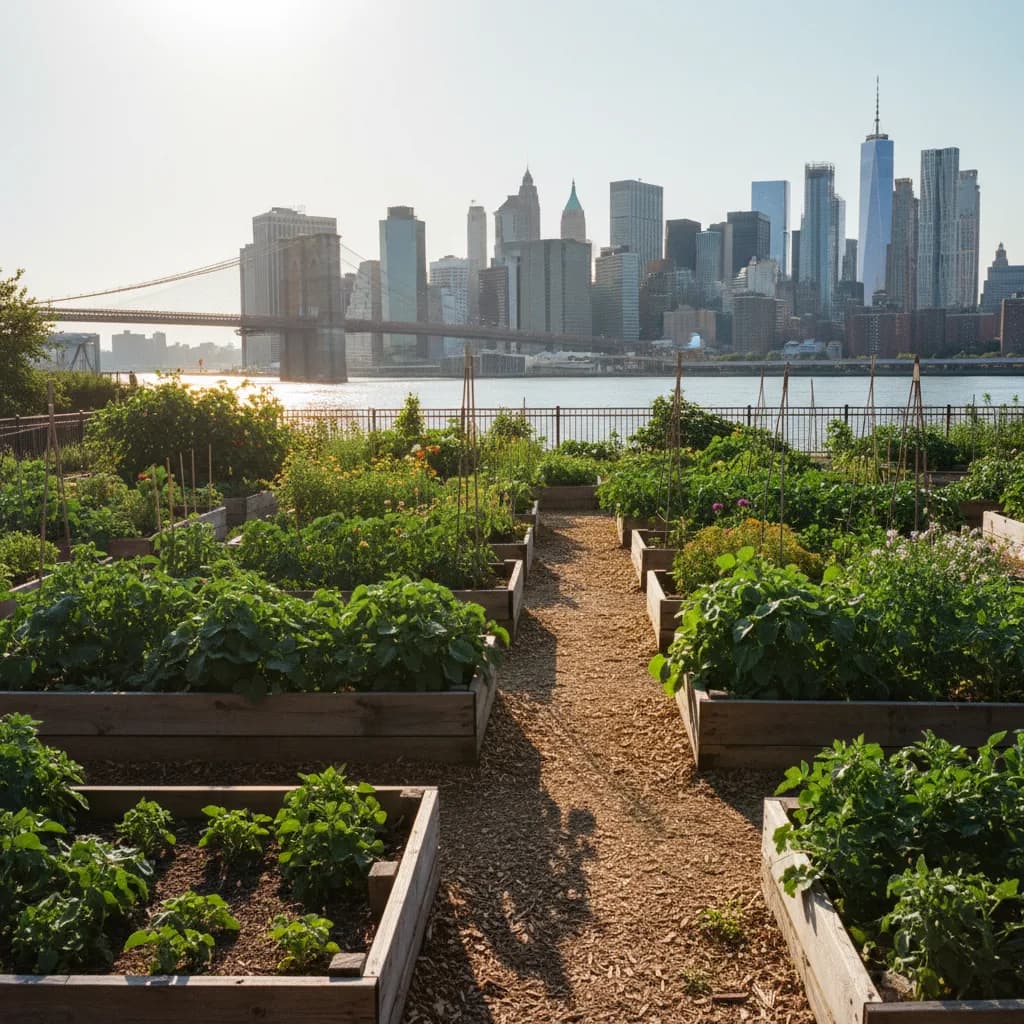
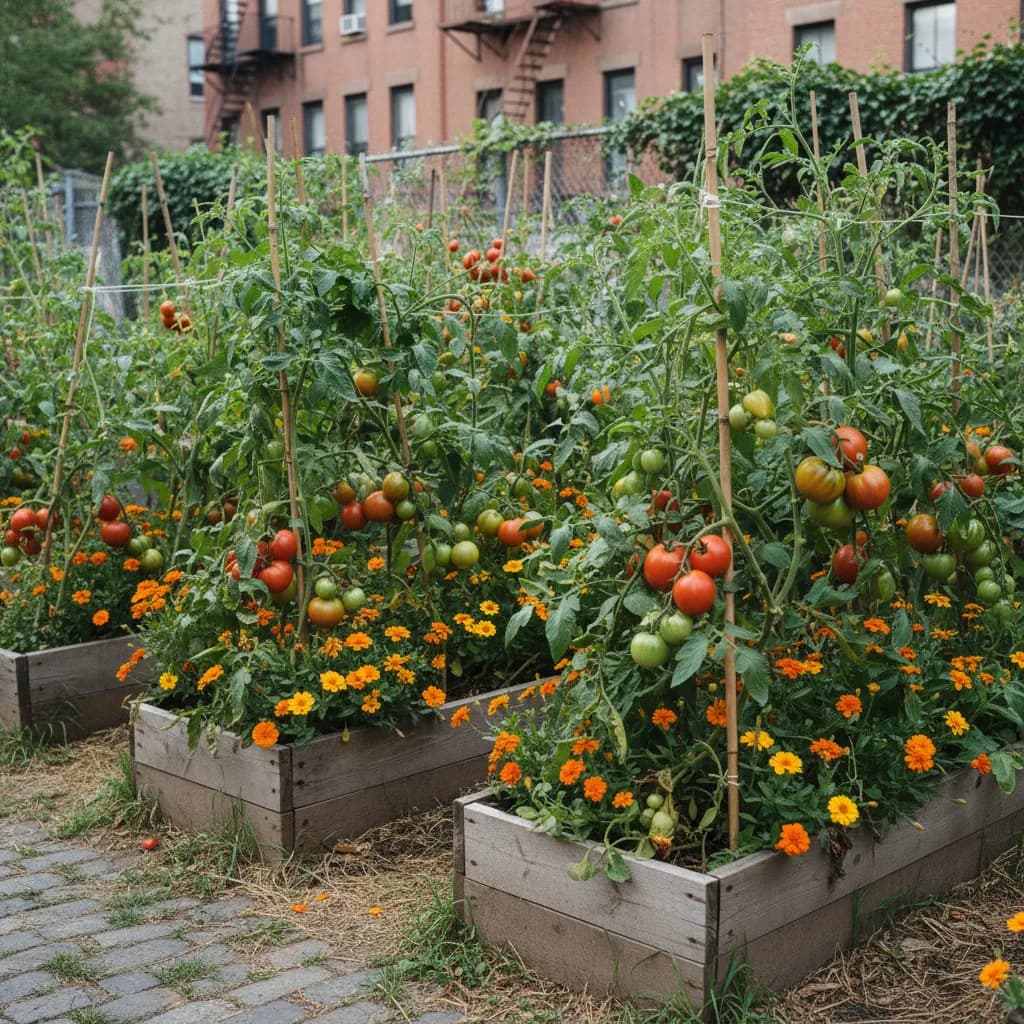
Walking along the post-industrial blocks near Grand Ferry Park reveals imaginative community farming projects built upon reclaimed land. Local gardeners craft raised cedar beds atop permeable gravel beds, growing heritage kale, spicy mustard greens, and climbing beans. River breezes carry fresh maritime scents across rows of lavender and flowering borage that attract vital urban pollinators. This creative synthesis of industrial timber framing and fertile soil exemplifies North Brooklyn's enduring DIY community spirit.
Community organizers and artist collectives founded these plots to provide accessible outdoor gathering space and environmental education. Reclaimed shipping pallets, rain barrels, and mosaic stepping stones line the walkways, giving each garden a distinct handcrafted personality. Educational chalkboards display updates on seasonal crop rotations, volunteer workdays, and neighborhood beekeeping milestones. The contrast of vibrant tomato vines against the silver backdrop of the Manhattan skyline offers an unforgettable visual tableau.
Community gardeners regularly host seasonal seed swaps and organic cultivation workshops open to curious urban growers. Participating in these casual weekend gatherings reveals the deep passion that North Brooklyn residents bring to sustainable city living. Every raised planter box tells a story of grassroots revitalization and shared neighborhood pride along the working East River waterfront.
Pollinator Strips and Native Habitats
Venturing eastward toward Berry and Wythe Streets connects walkers to dedicated urban wildlife habitat restoration plots. Volunteers deliberately cultivate purple coneflowers, goldenrod, and milkweed to support monarch butterflies migrating along the river corridor. Insect hotels crafted from hollow bamboo and drilled timber logs provide safe nesting sites for native solitary bees. Sitting near these buzzing pollinator beds allows you to witness the surprising resilience of New York City's micro-ecosystems.
Interpretive signs painted on repurposed cedar planks explain the ecological significance of urban wetlands and native plant biodiversity. Rainwater collection cisterns demonstrate sustainable water conservation techniques applied in dense metropolitan neighborhoods. Benches positioned beneath weeping willow branches provide cool, shaded perimeters where walkers can pause and observe bird life. It is an educational and grounding stop that deepens appreciation for community-driven ecological resilience.
Visitor Guidelines and Community Stewardship
Respecting the hard work of neighborhood volunteers is fundamental to preserving these urban farming sanctuaries. Public visiting hours generally align with volunteer gardening shifts and daylight operations when main gates stand open. Visitors should always remain on defined mulch paths and never harvest vegetables, herbs, or flowers without express member permission. Carrying away all snack wrappers and beverage cups ensures these agricultural havens remain spotless and rodent-free.
Gardeners are frequently eager to share insights regarding urban composting methods and rooftop cultivation techniques. Joining a scheduled weekend weeding circle or drop-off compost session offers a fantastic way to connect directly with resident growers. Keep four-legged companions on short leashes and well away from raised edible garden beds to maintain organic soil safety standards. Honoring these community agreements guarantees that green spaces remain welcoming educational resources for neighborhood families.
Avoiding Crowds for Peaceful Waterfront Seating
Navigating Williamsburg effectively means avoiding the congested midday retail corridors along Bedford Avenue. Skip the frenetic weekend flea market crowds that clog arterial streets and make quiet walking nearly impossible. Instead, keep your trajectory along quieter riverfront side streets where pocket parks offer peaceful picnic tables. These calmer perimeters let you enjoy undisturbed river vistas while feeling gentle breezes sweep off the East River.
Visiting during mid-morning on weekdays provides unobstructed access to garden seating and panoramic skyline viewpoints. Bring along a thermos of iced tea and a notebook to capture thoughts while watching ferries glide across the harbor waters. The tranquil rhythm of water lap against stone riprap complements the quiet rustle of surrounding garden foliage. Taking time to pause without checking messages restores mental clarity and deepens your connection to the urban landscape.
Connecting Garden Hubs to Greenpoint Paths
Continuing your walking trail northward leads smoothly into the leafy residential blocks connecting Williamsburg and Greenpoint. Tree-shaded sidewalks lined with classic wood-frame rowhouses feature creative stoop planters and climbing wisteria vines. Neighborhood coffee roasters and artisan bakeries along Franklin Street offer wonderful pitstops for organic snacks and cold brew. Sipping an espresso while strolling along quiet residential avenues highlights the human scale of North Brooklyn's historic streets.
The pedestrian route weaves past pocket playgrounds, public sculpture installations, and community mural walls celebrating local labor history. Each block reveals inventive uses of small urban spaces, from curbside tree pit gardens to repurposed storefront planters. This seamless blending of public greenery and community street life showcases the authentic vibrancy of the borough. It is an invigorating urban hike that bridges natural beauty, neighborhood history, and contemporary creative culture.
Old manufacturing warehouse facades along Kent Avenue now feature vibrant botanical murals created by local neighborhood painters. These large-scale artworks celebrate native flora, industrial labor traditions, and the enduring resilience of Brooklyn's creative enclaves. Following these colorful wall markers enriches your pedestrian journey with a continuous gallery of public street expression.
Effortless Route Navigation via the Karpo APP
Discovering North Brooklyn's hidden agricultural plots is made wonderfully seamless through the features of the Karpo APP. The application charts custom pedestrian trails, pinpoints active garden gates, and highlights scenic riverfront walking segments. Whether you are planning a quick thirty-minute lunchtime wander or an extended weekend trek, the platform adapts to your schedule. Interactive map pins identify public restrooms, scenic rest benches, and independent cafes situated along your route.
Save customized routes, record native plant sightings, and share your favorite skyline viewing spots with friends and neighbors. The app ensures you uncover genuine community landmarks while avoiding congested retail avenues and crowded transit corridors. Download the Karpo APP before starting your Brooklyn excursion to access the finest pedestrian-first routes in New York City. Set out along the riverbank and let the grassroots urban agriculture of Williamsburg inspire your everyday outdoor life.
Ask Karpo for more information.
Keep reading
- Upper West Side Free Indoor Weekend Plan Finder for Music
 Astoria Free Indoor Weekend Plan Finder for Visiting Parents
 Williamsburg Free Indoor Weekend Plan Finder With Kids