 Flatiron Holiday Window Walk Planner for Remote Teams
Free Things to Do
West Village Local Community Garden Walk: Hidden Path Tour
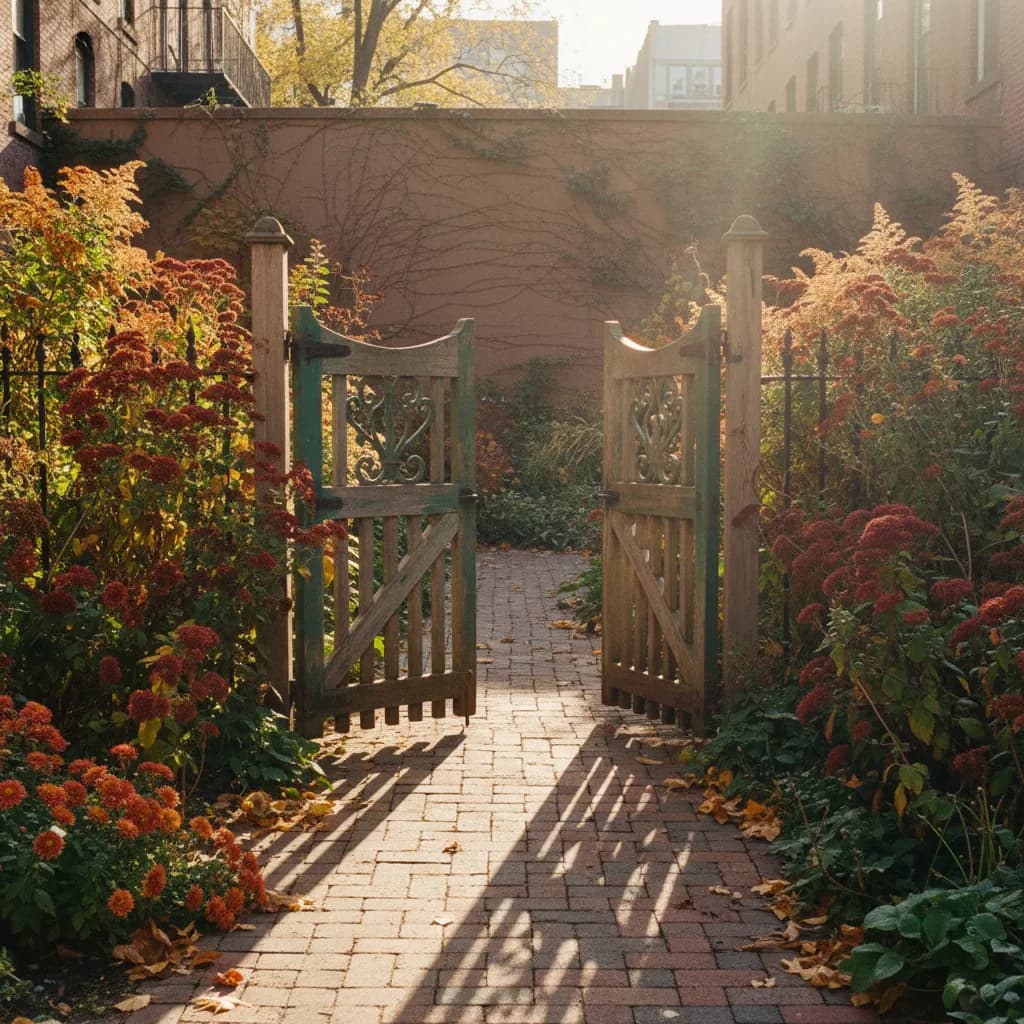
Take this free local community garden walk through the West Village to experience peaceful courtyard pathways and secluded historic green sanctuaries.
Greenwich Village holds some of New York's most cherished horticultural treasures behind wrought-iron fences and quiet residential corners. Winding along historic diagonal streets where nineteenth-century brownstones meet the Hudson waterfront, neighborhood caretakers preserve tranquil garden oases. This self-directed walking journey introduces visitors to historic communal plots, fragrant rose trellises, and community-tended flower borders that flourish away from busy avenues. With the Karpo APP acting as your neighborhood companion, navigating these secluded garden gates and pairing your walk with nearby heritage landmarks becomes an effortless delight.
Quiet Brick Lanes and Heritage Plantings
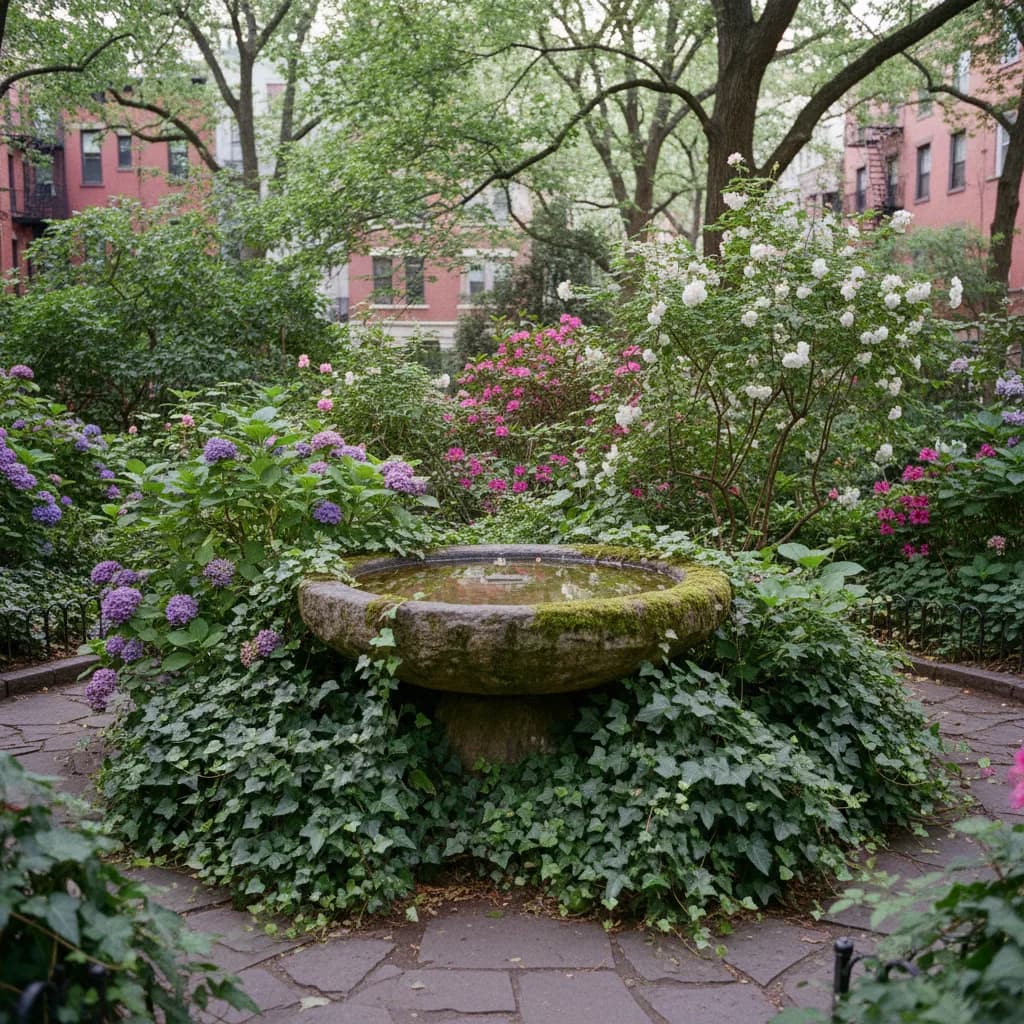
Meandering westward toward Hudson Street reveals a tapestry of mature canopy trees shading historic brick pathways. Volunteer gardeners here cultivate heirloom hydrangeas, native ferns, and woodland groundcovers that thrive in filtered urban light. Restored iron gates swing open during daytime hours, welcoming passersby to pause beside hand-tended perimeter borders. The scent of damp earth and crushed mint leaves creates an instant sensory break from the surrounding concrete sidewalks.
Local residents have protected these parcel plots across generations, defending communal green space against commercial overdevelopment. Each raised garden terrace features personalized wooden plant labels handwritten by neighborhood schoolchildren and elder stewards. Handcrafted birdhouses hang from sturdy magnolia branches, offering shelter to urban songbirds along their seasonal coastal flights. These thoughtful handmade touches lend the Village gardens an intimate domestic warmth found nowhere else in the metropolis.
Longtime neighborhood volunteers maintain comprehensive seasonal planting logs detailing rainfall levels and local soil temperatures. Passing beneath leafy hornbeam boughs and observing these meticulous horticultural records demonstrates how deeply rooted the community remains. Every corner reflects decades of shared neighborhood stewardship that transforms small urban lots into living community archives.
Architectural Charm Along Winding Streets
What makes this walking route truly exceptional is the seamless conversation between historic architecture and intentional landscaping. Federal-era rowhouses with dark green shutters provide dramatic masonry backdrops for creeping clematis and climbing ivy vines. Weathered bluestone flags lead visitors past curved iron railings where community noticeboards announce seasonal bulb plantings. Walking these narrow lanes feels akin to stepping through a living outdoor museum dedicated to community pride and urban ecology.
Small stone retaining walls constructed from nineteenth-century ballast rock cradle micro-climates that support delicate shade-loving perennials. Benches crafted from salvaged park timbers offer shaded vantage points where one can admire blooming autumn sedum and goldenrod. The low-rise streetscape allows abundant sunlight to spill into garden alcoves, warming brick surfaces well into late afternoon. It is an idyllic setting for quiet contemplation or sketchbook journaling in the heart of historic Manhattan.
Community Rules and Garden Etiquette
Maintaining open access to these treasured neighborhood refuges requires shared civic mindfulness from every visiting explorer. Gates remain accessible primarily through volunteer generosity, so adhering to posted daylight visiting schedules is essential. Stay upon designated stone walkways and refrain from stepping into mulch zones where fragile bulbs rest underground. Refrain from bringing food picnics into compact planting zones so that resident wildlife and native flora remain undisturbed.
If you meet a volunteer turning compost or filling watering cans, a polite greeting often yields delightful advice on local plant varieties. Photography is warmly welcomed when kept unobtrusive and respectful of fellow visitors reading quietly on neighborhood benches. Ensure that gates latch securely behind you when entering and leaving to protect interior plots from windblown urban debris. Practicing good stewardship ensures that community greening remains an enduring gift for future generations of New Yorkers.
Bypassing Congested Hubs for Quiet Courtyards
Knowing how to sidestep tourist congestion is the key to experiencing the genuine serenity of the West Village. Skip the chaotic thoroughfares near Bleecker Street pastry queues where sidewalk bottlenecks disrupt the gentle pace of your stroll. Instead, steer toward quieter residential stretches along Saint Luke's Place and Charles Street where birdsong replaces vehicular hum. Here, secluded bench niches shaded by towering sycamores provide undisturbed sanctuary for resting tired walking feet.
Early afternoon on weekdays offers the most peaceful atmosphere, when residential foot traffic remains pleasantly minimal. Carrying a small water bottle allows you to linger comfortably on shaded benches without needing immediate commercial stops. The absence of commercial bustle allows your senses to fully absorb the rustling tree canopies and fragrant botanical blooms. This conscious slowing of pace transforms a simple neighborhood walk into an intentional afternoon retreat.
Connecting Gardens to the Hudson River Waterfront
Concluding your neighborhood green loop naturally leads toward the open horizons and refreshing breezes of Hudson River Park. Crossing West Street brings you to coastal piers landscaped with salt-tolerant native grasses, sumac, and bayberry bushes. The contrast between compact Village courtyards and expansive marine vistas provides a deeply satisfying conclusion to your journey. Local bakeries along Washington Street offer artisan sourdough pastries and warm cider to accompany your waterside bench break.
Watching the late afternoon sun dip behind the Jersey City skyline highlights the dynamic geographic variety of Manhattan's edge. Pedestrian promenades connect seamlessly back to Village transit stations, making the entire route remarkably convenient. Reflecting on the harmony of community gardens and coastal waterfronts reinforces how urban nature sustains city wellbeing. It is a walking circuit that rewards both first-time travelers and longtime residents seeking peaceful outdoor renewal.
Cobblestone alleyways connecting toward the riverbank are flanked by historical gas lamps and wrought iron boot scrapers. These tactile architectural remnants ground the botanical stroll in the maritime commerce of nineteenth-century New York. Taking time to appreciate these enduring details turns a simple afternoon outing into an unforgettable historical immersion.
Curating Your Village Walk with the Karpo APP
Planning an immersive walk through historic garden corridors is greatly simplified by the smart navigation tools inside the Karpo APP. The application charts custom pedestrian trails, highlights active community plot schedules, and suggests scenic low-traffic detours. Whether tailoring a brisk forty-minute morning loop or spending hours exploring secluded alleys, the app matches your personal schedule. Interactive waypoints alert you to historical markers, notable heritage trees, and welcoming neighborhood coffee shops along the way.
Save customized routes, record seasonal botanical sightings, and share your favorite quiet bench locations with fellow nature enthusiasts. The platform guarantees that you uncover authentic neighborhood sanctuaries without getting tangled in commercial congestion. Download the Karpo APP prior to your Village outing to discover the finest pedestrian-first routes across New York City. Embrace the cobblestones and let the tranquil community horticulture of the West Village inspire your urban exploration.
Ask Karpo for more information.
Keep reading
- Flatiron Holiday Window Walk Planner for Remote Teams
 SoHo Holiday Window Walk Planner for a Sketchbook Afternoon
 Upper East Side Holiday Window Walk Planner After a Museum