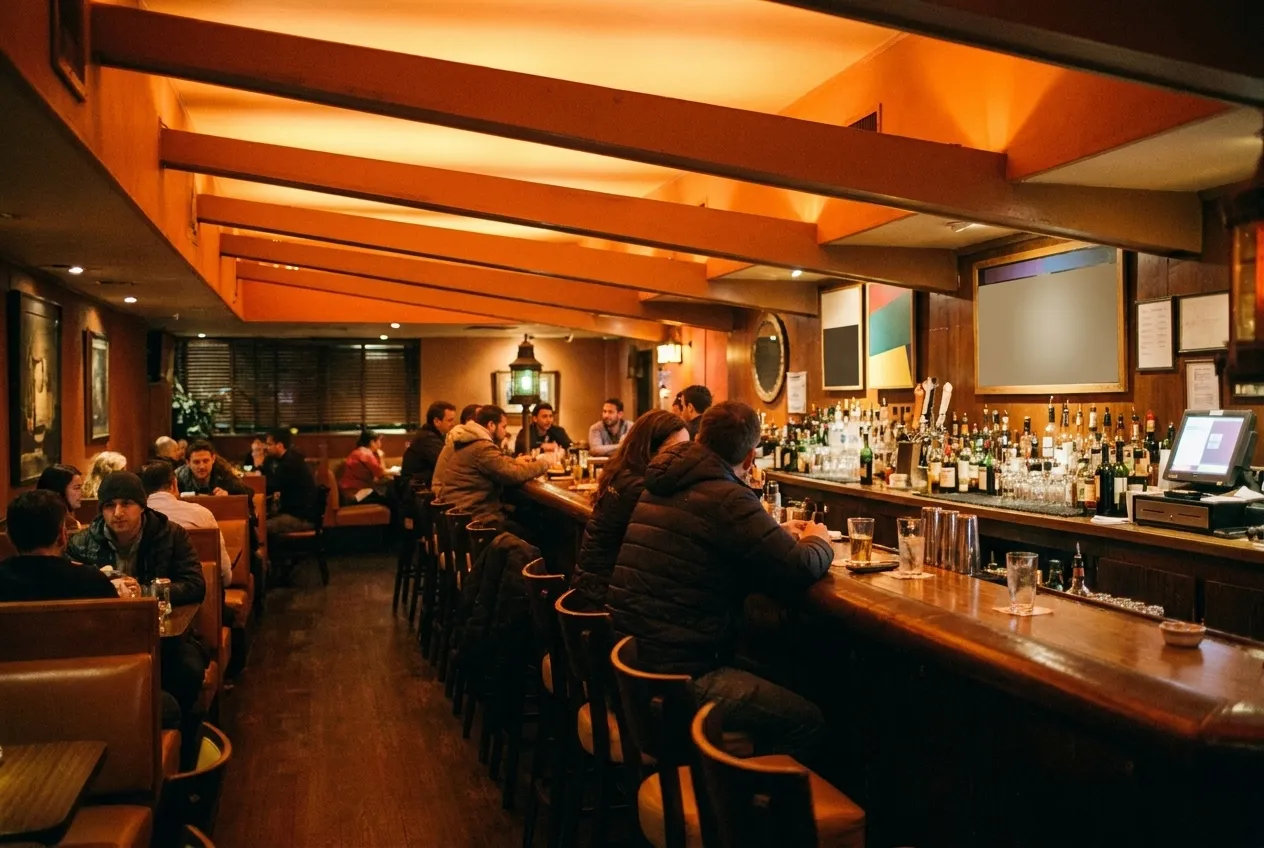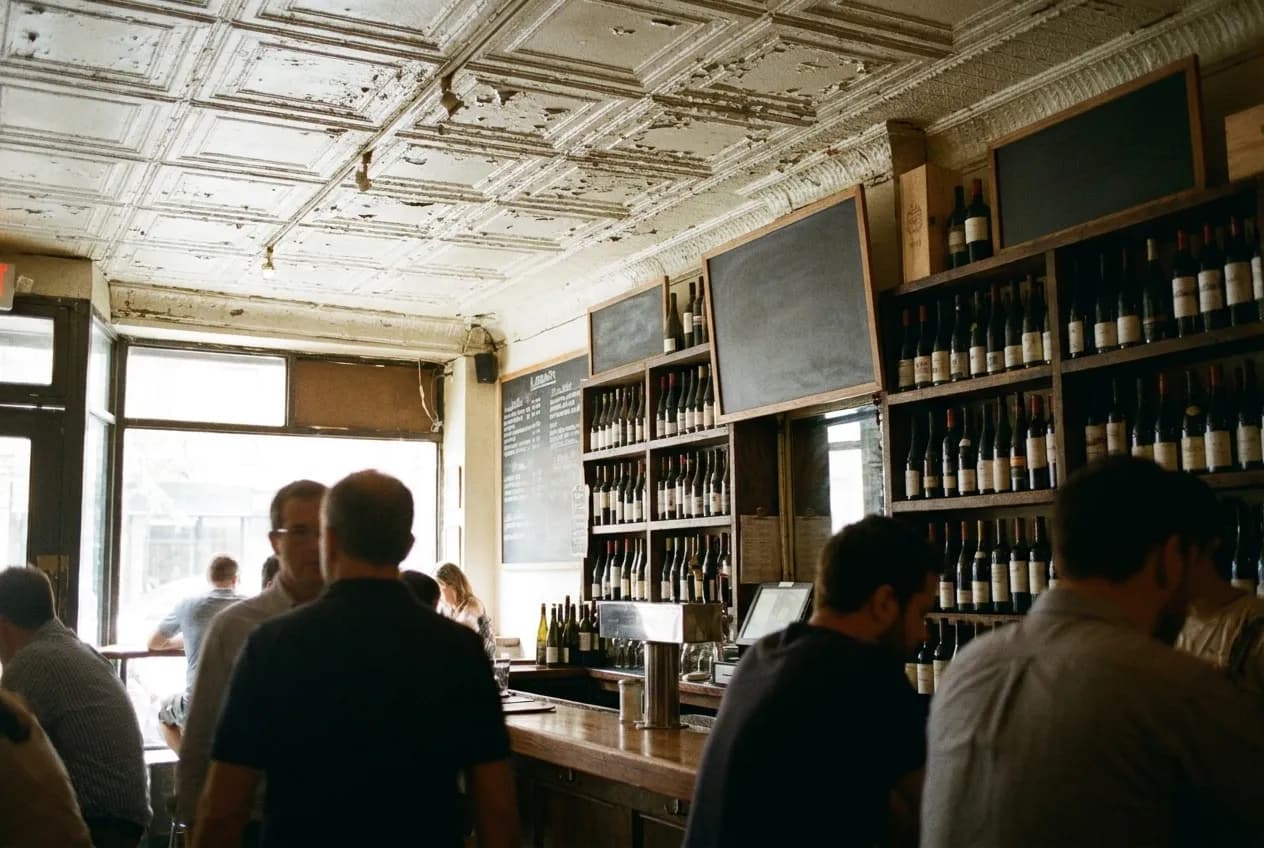
Live music near me will find you the show. It will not tell you the thing that decides whether you enjoy it, which is where in the room you end up standing. New York clubs are almost universally flat-floored, general admission and acoustically uneven, which means two people at the same gig, twenty feet apart, can have genuinely different evenings. Position is not a detail here. It is most of the experience, and it is entirely within your control if you think about it before doors rather than after.
Same show, same ticket, twenty feet apart, two different nights. Ask Karpo what is playing near you tonight, what time the headliner is actually on, and how early to get there for the spot you want.
The sound desk rule
The single most useful piece of information in this article: find the sound desk and stand near it. The engineer mixes the show from that position, which means the room has been balanced to sound correct exactly where they are standing. In most New York clubs that puts you roughly two thirds of the way back, on the centre line — and it is reliably the best-sounding spot in the building.
This runs against instinct, because the front feels like the good seats. Directly in front of the stage you are standing underneath the speaker stacks rather than in their coverage pattern, which means you get enormous volume, very little stereo image, and a mix dominated by whatever is loudest on stage rather than whatever the engineer intended. The front is the right choice if you want to be close to the band and part of the crowd. It is the wrong choice if you want to hear the music.
What balconies are actually for
The mezzanine at Bowery Ballroom is the reason a lot of people choose that room over others of a similar size. A balcony solves the sightline problem permanently — you are looking down rather than past someone's shoulders — and it usually comes with somewhere to lean and a shorter bar queue. Music Hall of Williamsburg has the same arrangement, which is worth taking advantage of while that room is still at its current address.
The trade is that a balcony puts you outside the crowd, and for some shows the crowd is the event. A loud, physical, sold-out gig from up there can feel like watching it on a screen. The rough rule: balcony for anything you are there to listen to, floor for anything you are there to be inside. And at rooms without one — Mercury Lounge at 250 capacity has no balcony and no need for one — the whole question dissolves, which is part of why very small rooms are so forgiving.
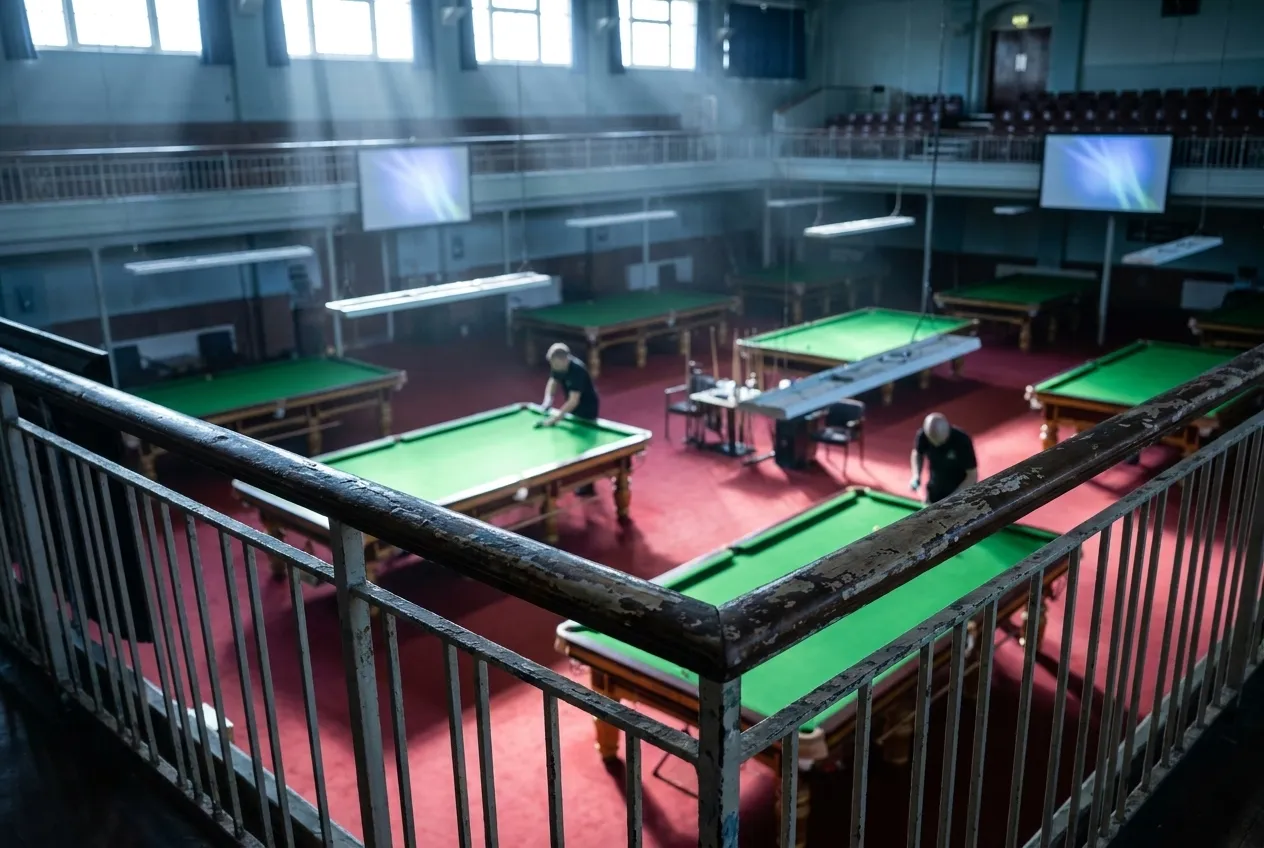
The geometry of a flat floor
Because almost nothing in New York is raked, your sightline is decided by the people in front of you and nothing else. There are two reliable exceptions. The first is the side rail: most clubs have a raised strip or a bar rail along one or both walls, six inches up, which is enough to see over everyone. It is the most contested real estate in any of these rooms and it goes forty minutes before the headliner.
The second is directly behind a structural obstruction. Every club has a pillar, a soundbooth or a bar return that people instinctively avoid, and the two feet immediately behind it are frequently the emptiest floor in the building with a perfectly good angle past it. Standing slightly off the centre line, in the gap that a pillar creates, is the single most underused trick in New York gig-going.
Arrival timing, honestly
Doors and headline set time are typically ninety minutes to two hours apart in a club with two support acts. That gap is the whole negotiation. Arriving at doors gets you any position you want and costs you three hours on your feet. Arriving fifteen minutes before the headliner gets you the back third and a much better evening if the support is not why you came.
The compromise most regulars run: arrive during the last support act, when a meaningful share of the room goes to the bar or outside, and move up into the gaps they leave. The floor is at its most fluid in the changeover between the final support and the headliner, and if you are going to move, that is the twenty minutes to do it in. Moving forward during the headline set is possible but antisocial, and in a full room it is simply not happening.
One social note that affects your position as much as anything acoustic: if you want to be at the front, commit to it and stay there. Moving in and out of a packed front section for drinks costs you the spot and irritates everyone around you. Decide before the headliner whether you are a front-of-room person tonight or a back-of-room person, and then act like it for the whole set. The people who have the worst time at gigs are almost always the ones who never chose.
Practical notes
Earplugs are worth carrying and the decent filtered ones cost very little; club volume in New York regularly sits at a level where a two-hour set has a measurable cost. Stand off-centre from any speaker stack if you are in the front third, because directly on-axis is where the high frequencies are most punishing. Coat check exists at the ballroom level and rarely below it, so plan your January accordingly. Bars are quietest during the headline set and worst in the changeovers. And if a room is genuinely too loud where you are, moving back twenty feet does more than any amount of enduring it.
Tags: #LiveMusicNearMe #NYCLiveMusic #BoweryBallroom #MercuryLounge #NewYorkCity #NYCVenues #Williamsburg #LowerEastSide #GigNight #NightlifeNYC #MusicNYC #Brooklyn #BarsAndNightsOut #ConcertTips
All trademarks are the property of their respective owners.
Ask Karpo first
Want to walk into the right room and stand in the right part of it? Ask Karpo what is playing near you tonight, which venues have a balcony or a rail worth arriving early for, and what time the headliner actually goes on.