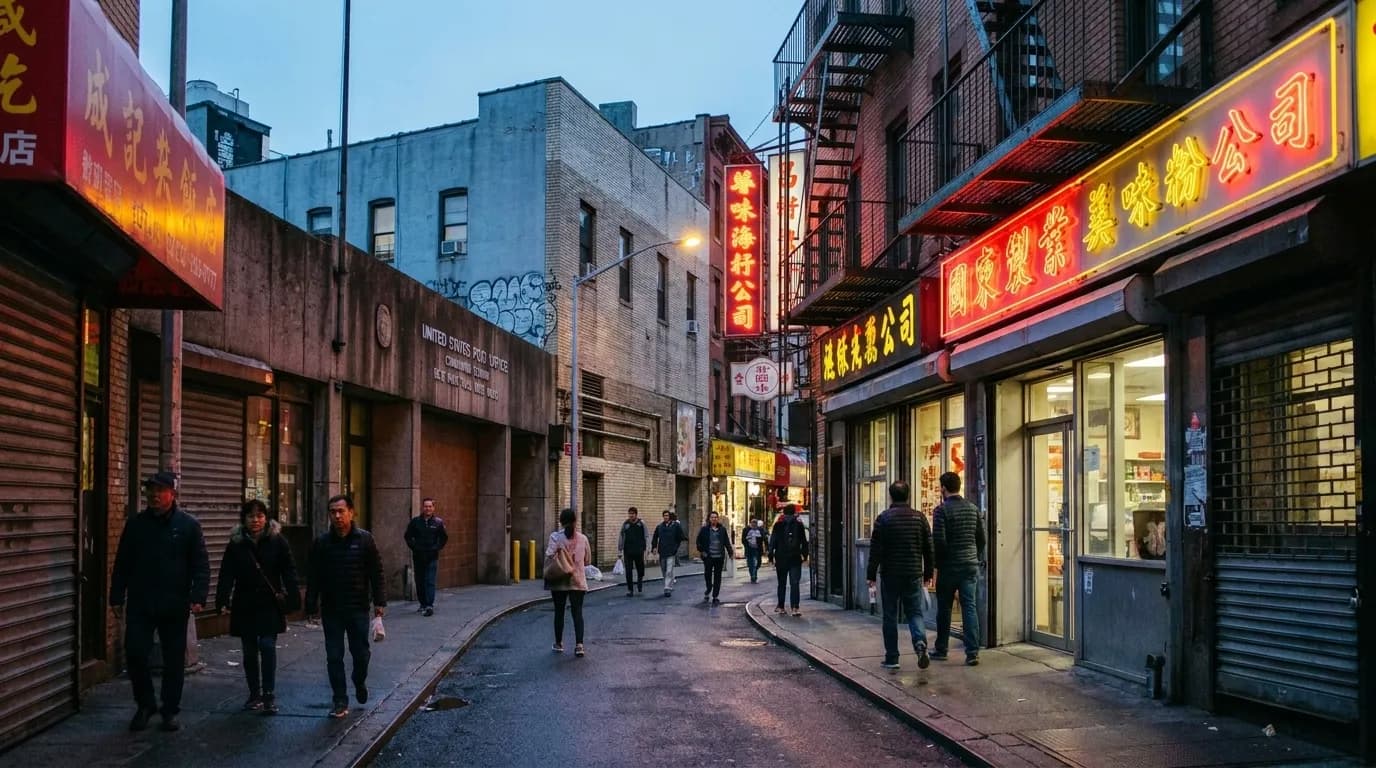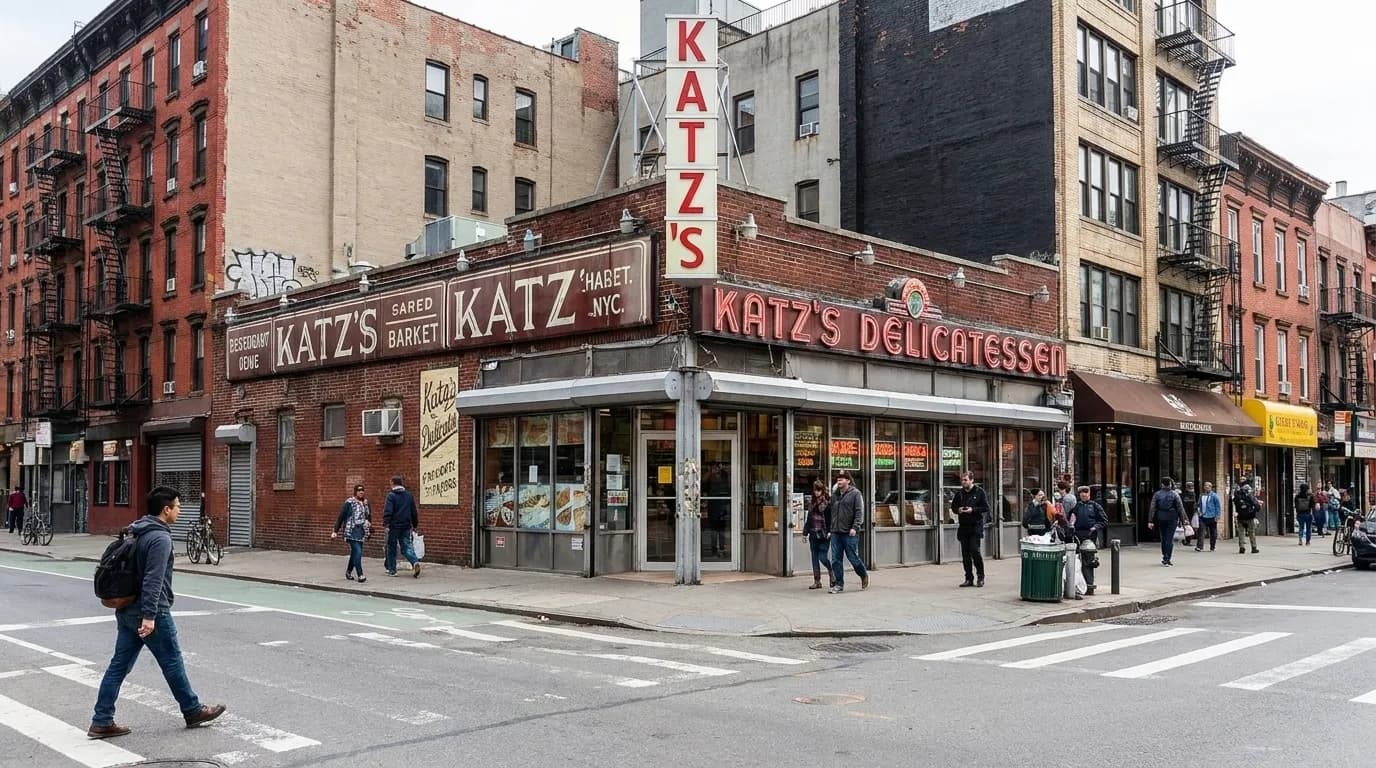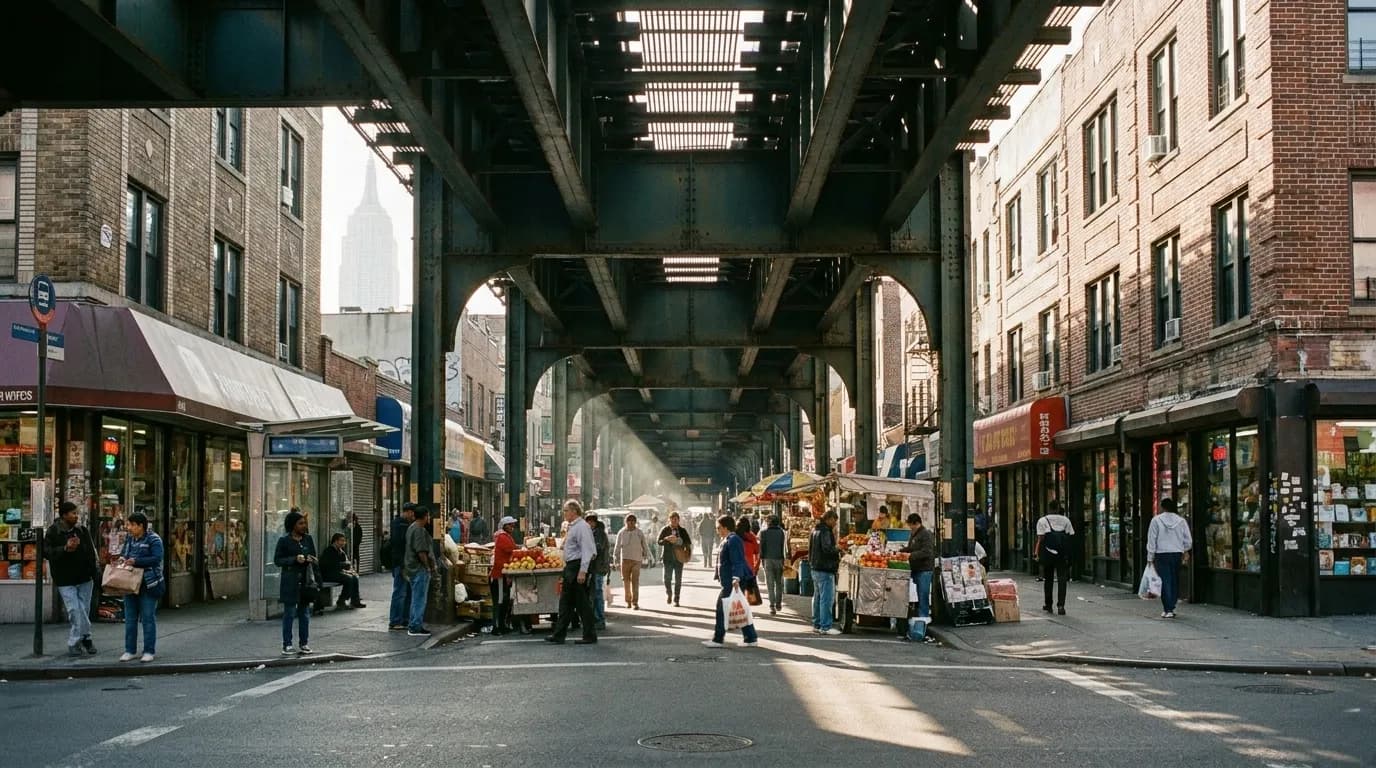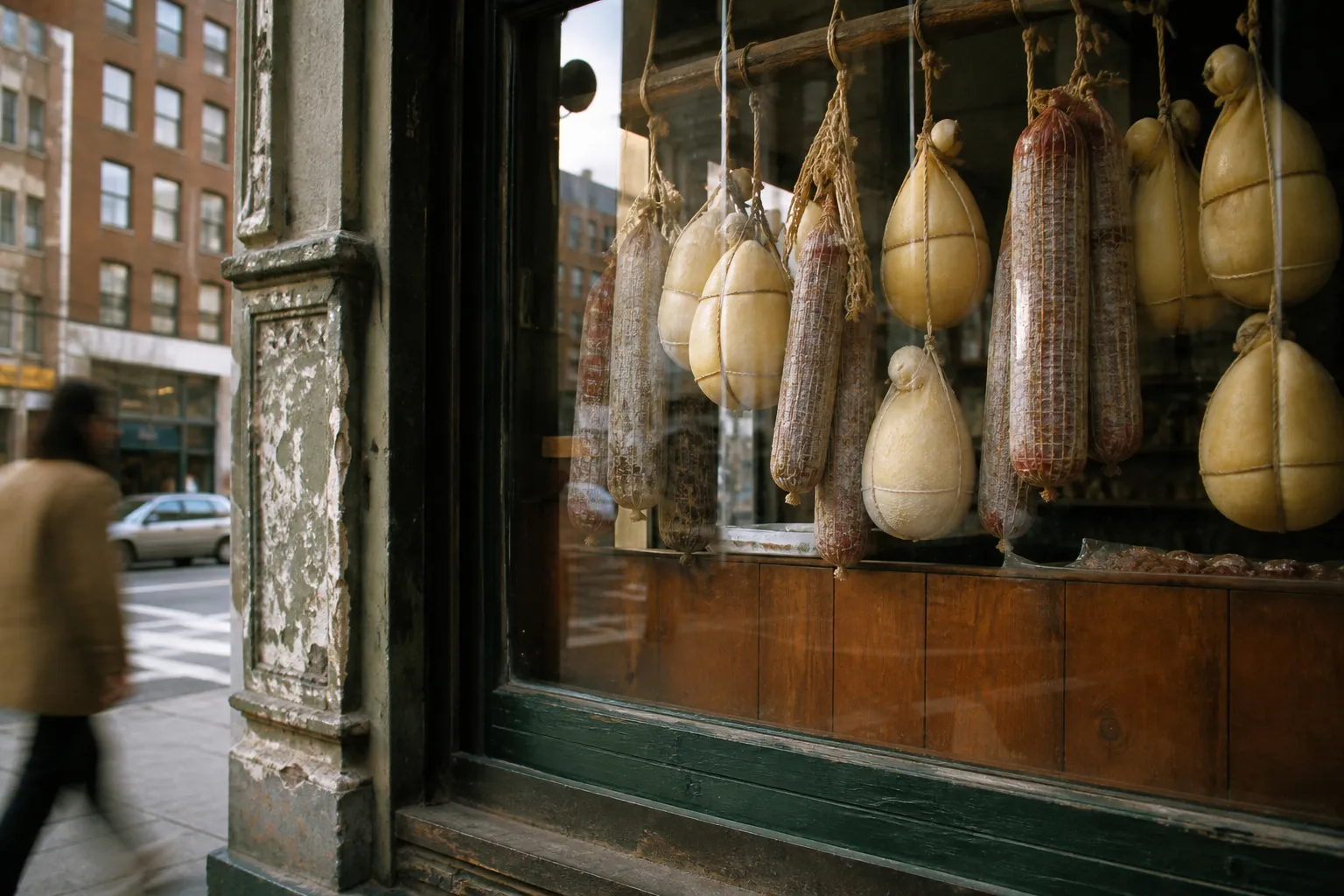
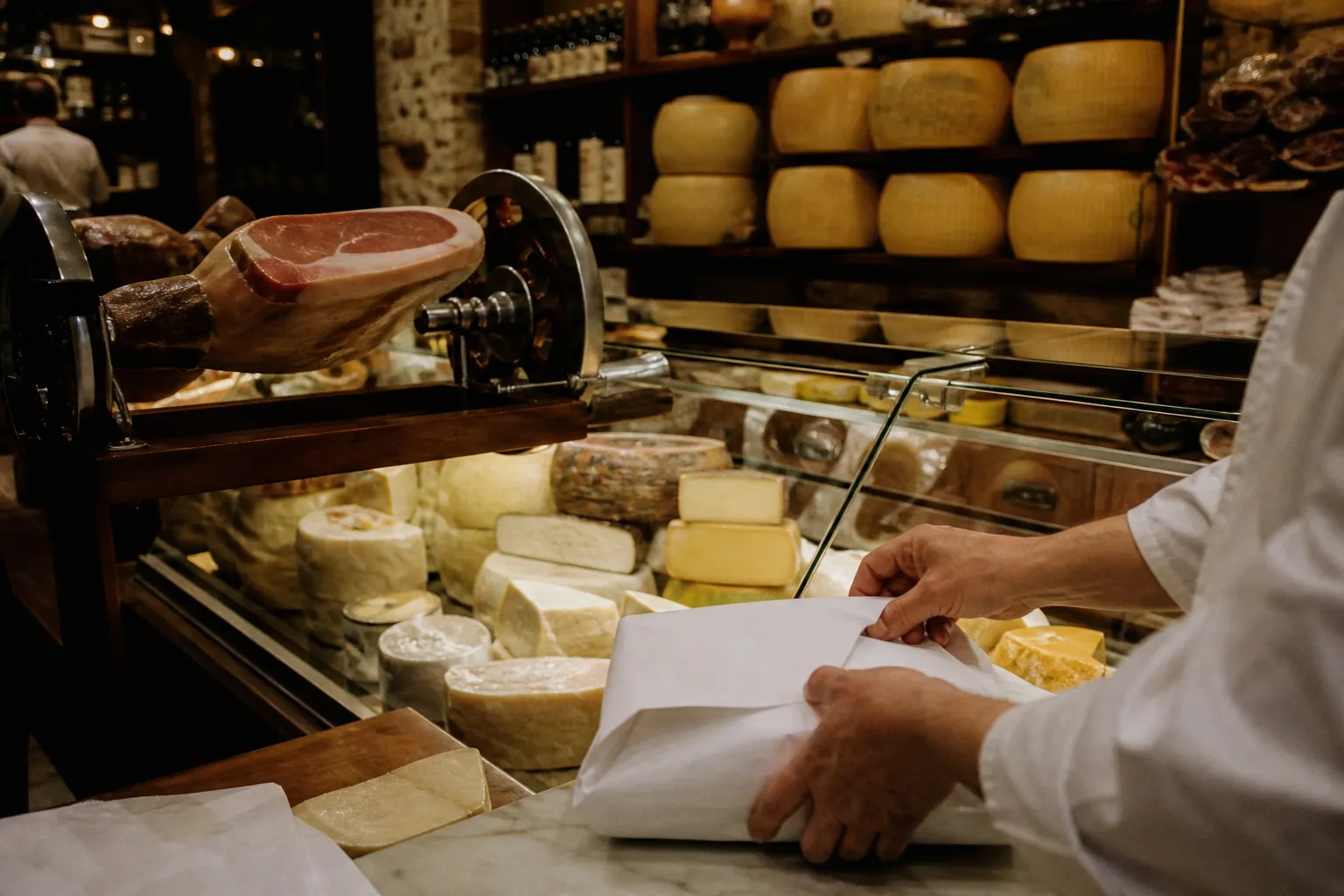
Stand on Mulberry Street on a Saturday and you can be forgiven for thinking Little Italy is a theme park with excellent lighting: menu barkers, souvenir tricolore aprons, a crowd moving at cruise-ship speed. But walk two minutes in almost any direction and the neighborhood's actual pulse is still there — in a cheese counter that has been run by one family for over a century, a bakery that hands heroes over the same counter it always has, a pasta shop cutting fettuccine to order. With Serie A back on for the season and Italian flags reappearing in shop windows downtown, this is the moment to learn the difference between visiting Little Italy and actually using it.
Text Karpo before you head downtown and it will string the stops into a walkable loop — cheese counter, bakery, pasta shop — timed so you finish before the tour groups take over.

What Mulberry Street is now — and when it's worth it
Honesty first: the Mulberry strip between Canal and Broome is built for visitors, and locals mostly cede it to them. But it earns one exception a year. Every September the Feast of San Gennaro takes over the street — sausage smoke, zeppole stands, processions — and for those days the tourist theater and the real tradition become the same thing; check the feast's official calendar for this year's dates before you plan around it. The rest of the year, treat Mulberry as a pleasant walk-through on your way to the blocks that still work for a living.
The Grand Street holdouts
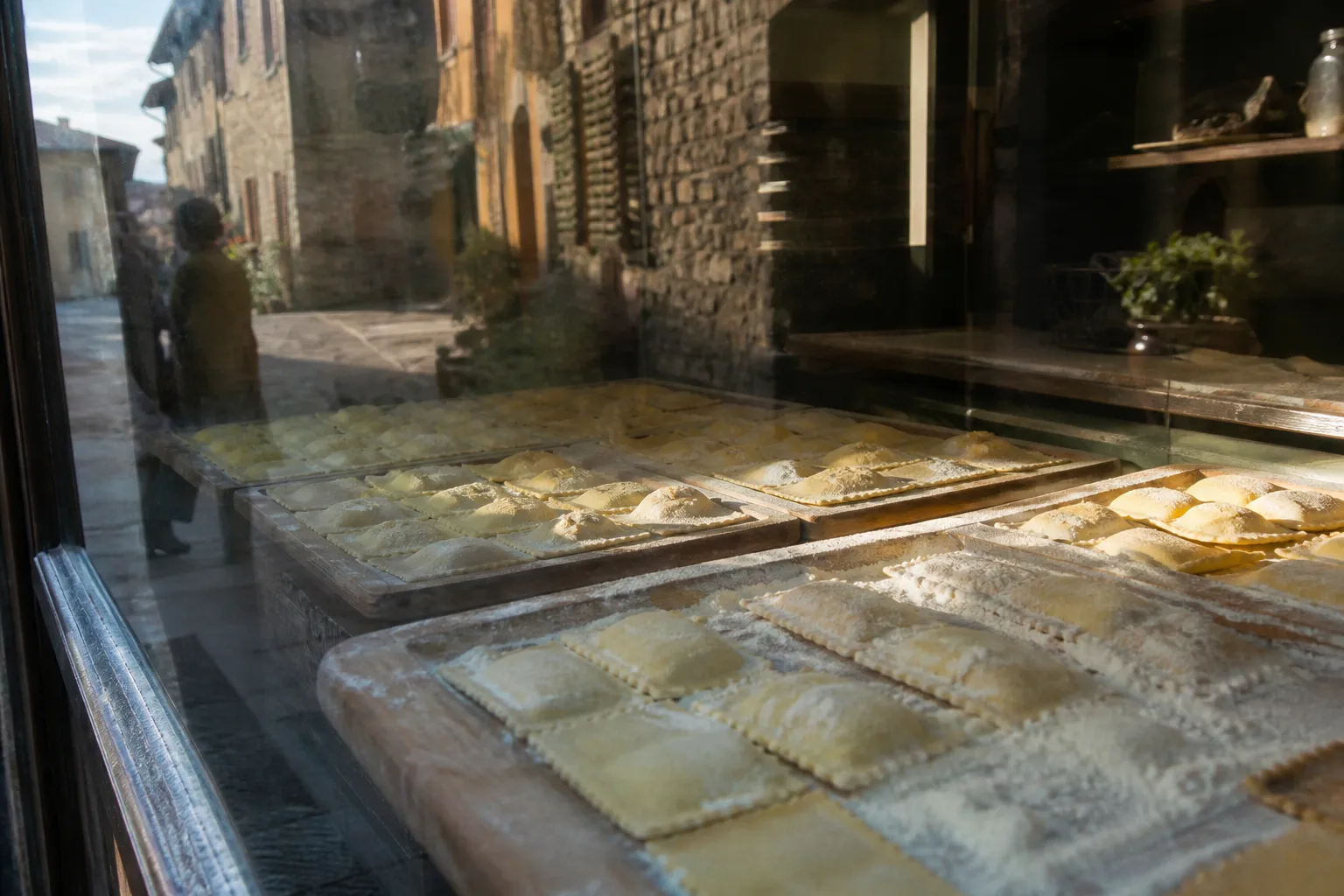
Grand Street is where the old neighborhood still conducts serious business. Di Palo's, at 200 Grand, has been selling cheese since the family opened in 1910, and the wait is the point: you take a number, you watch mozzarella get pulled, and when your turn comes the person behind the counter will feed you slivers of parmigiano while you decide. Around the corner sits Ferrara, the pasticceria going since 1892, and nearby Piemonte Ravioli has been sheeting and filling pasta since 1920. None of these are museums. They are shops, and the correct way to honor them is to buy dinner.
A practical note that applies to every store in this article: these are family businesses with family-business hours. Saturdays get crowded by late morning, Sundays can be short or closed, and holiday schedules follow the church calendar as much as the retail one. Call ahead rather than trust whatever hours the internet last scraped.
Nolita and the Village pockets
North of Grand, the old parish geography survives in pieces. Parisi Bakery on Mott Street still turns out bread and counter sandwiches for people who work nearby rather than people photographing them. And across town, the South Village holds what may be the strongest surviving stretch: Faicco's, the Bleecker Street pork store, where the rice balls and the house-made sausage justify the line, and Raffetto's on West Houston, cutting fresh pasta to order since 1906 — tell them how wide, watch the machine do its work, and take home dinner for less than the cost of appetizers at the red-sauce places ten blocks east.
This is also the corner of downtown where calcio quietly persists. In season, you will spot the flags and the occasional chalkboard fixture list in shop windows; every Serie A match streams on Paramount+ this year, so the neighborhood's allegiances now live on phones behind the counter as much as on any big screen. Strike up the conversation. A Juventus opinion at a pork store counter is worth ten guidebooks.
Pacing matters as much as the addresses. The loop works best as a weekday or early-Saturday morning: start at Grand Street when the counters are freshly stocked and the lines short, drift up through Mott, and land in the South Village by lunchtime with a bag of cured meat and strong opinions. Reverse it on a Sunday and you will spend half the day behind visitors ordering cannoli one at a time.
The honest ending: take the D to the Bronx
Here is the thing locals will tell you once they trust you: the most intact Italian food neighborhood in New York is not downtown at all. It is Arthur Avenue in Belmont, in the Bronx, where the Retail Market still houses Mike's Deli and the surrounding blocks hold butchers, bakers and pasta makers operating at full working strength. Manhattan's Little Italy is a beloved remnant; Arthur Avenue is a going concern. Do the downtown loop for the history and the cannoli — then, some Saturday, give Belmont the full day it deserves.
Practical notes
- Di Palo's: 200 Grand St — take a number, expect a wait on weekends; hours vary, call ahead.
- Ferrara: Grand Street, since 1892 — cannoli and espresso; busiest late morning through afternoon.
- Faicco's: 260 Bleecker St in the South Village — pork store classics; confirm Sunday hours before you go.
- Raffetto's: West Houston St, fresh-cut pasta since 1906 — closed some days of the week, check first.
- Feast of San Gennaro: Mulberry Street each September — dates and schedule on the feast's official site.
- Getting there: several subway lines ring the neighborhood — check mta.info for weekend service changes before you ride.
Tags: #LittleItaly #NYC #GrandStreet #Nolita #SouthVillage #ItalianFood #DiPalos #Ferrara #ArthurAvenue #SanGennaro #NeighborhoodGuide
Sources consulted: dipaloselects.com · ferraranyc.com · sangennaronyc.org · mta.info
All trademarks are the property of their respective owners.
Ask Karpo first
When the craving hits, ask Karpo which of the old shops are open right now, what's worth carrying home from each, and whether the D train is cooperating for an Arthur Avenue detour — it answers in iMessage before you've laced your shoes.