 Chelsea Consignment Shop Crawl Planner for Your First Studio
Hidden Gems & Odd Finds
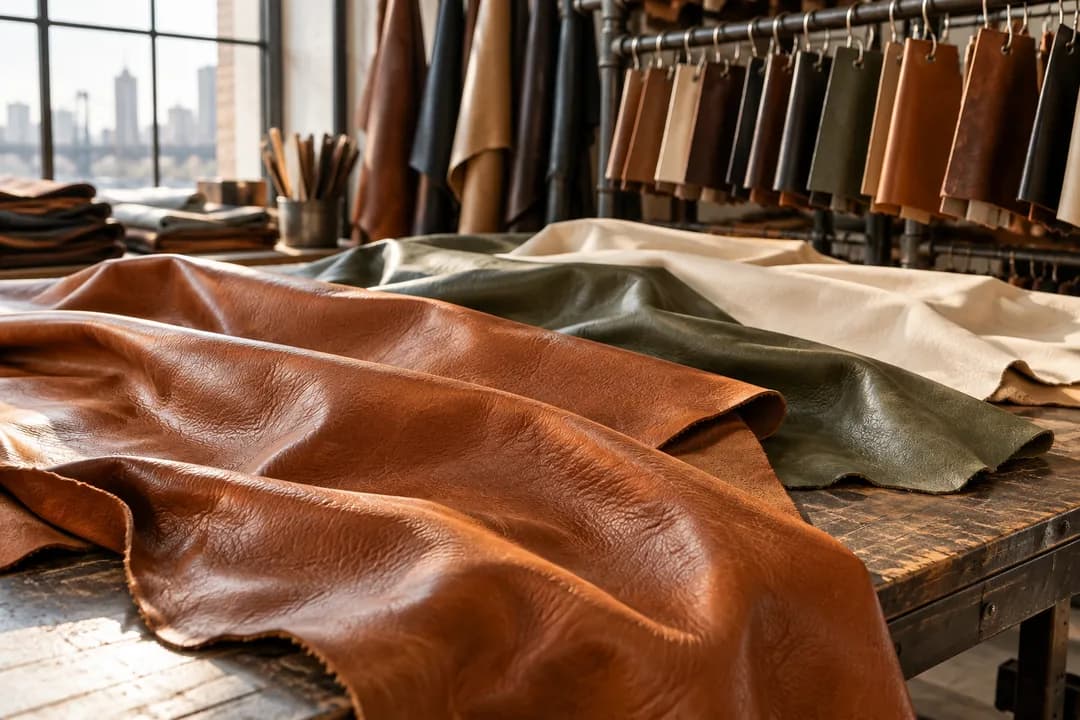
NYC Leather Craft Shop: One-Hide Orders at Global Leathers
Global Leathers welcomes walk-ins at its NYC showroom and takes one-hide orders. Compare upholstery finishes and request swatches before choosing your material.
Global Leathers, at 253 West 35th Street, Store Front #2, welcomes the public without an appointment and sets its minimum order at one hide. This NYC leather craft shop is particularly useful when your project involves upholstery: the company supplies residential and commercial leather, offers customized swatch packages and explains the trade-offs between finishes. Start with the object you are covering, then use those published options to narrow the material request before buying.
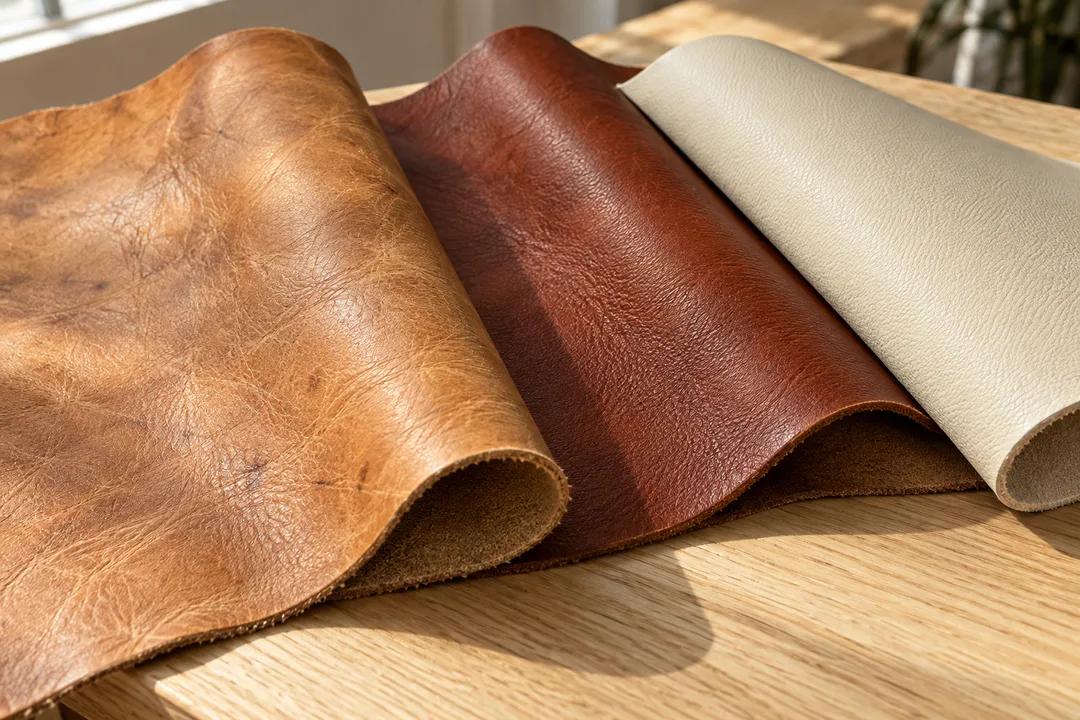
A Small Order at a Long-Running Family Supplier
Founded in 1980, Global Leathers describes itself as a second-generation family business serving interior designers and architects. That history explains its emphasis on upholstery, but its website also identifies experience with garment, handbag and accessory leathers. The public showroom invitation is explicit: no appointment is needed, and the business says it helps customers regardless of project size. A first-time buyer therefore has a concrete reason to consider it without pretending to be a trade account or a large design practice.
The one-hide minimum is the important limit for a small project. It opens the door to an individual purchase, but it does not promise that every request can be fulfilled as a tiny offcut. If your entire plan is a small decorative patch, skip a full-hide purchase until the material requirement justifies it. For a chair, a larger panel or several related pieces, the minimum becomes easier to evaluate against the amount you actually need.
Write an Upholstery Brief Before Choosing a Color
Use three lines to describe your project: the object, its setting and the visual result you want. A dining chair used every evening has a different brief from an occasional decorative panel. Global's published guide distinguishes leathers by tanning method and finish, and its consultation service is built around project needs. A clear brief lets you ask about the relevant qualities instead of leading with an attractive color that may belong to a finish you do not want.
Bring the measurements of each panel and a photograph showing how the object is assembled. These are recommended preparation steps, not compulsory admission rules. Include the largest uninterrupted surface and whether several pieces need to match. The showroom's stated minimum is measured in hides, while your design is likely measured in panels. Keeping both descriptions together makes the material discussion more useful than asking only for an estimated area with no indication of the shapes it must accommodate.
The Finish Comparison Worth Making in Person
Global's guide describes aniline leather as dyed through by immersion, without a coating of pigmented finish, although a clear coat can be present. It emphasizes feel, appearance, comfort and breathability, while listing color variation and visible natural defects among the trade-offs. This is a good conversation to have with a sample in hand. If an evenly uniform surface is central to the design, natural marks need to be part of the choice rather than an unwelcome discovery after ordering.
Semi-aniline leather adds a small quantity of pigment and can conceal minor defects, according to the same guide. Pigmented leather has a surface completely covered with a pigmented finish. Global associates that finish with color uniformity and durability in commercial or high-traffic settings, while noting that it loses some natural feel. These are three distinct options to compare. Ask to see the relevant finish families against your project brief, rather than treating the word leather as a complete specification.
The company's material guide also distinguishes vegetable-tanned, chrome-tanned and hair-on hides. It describes vegetable tanning with plant-derived material and identifies tooling and embossing among its uses. Chrome-tanned leather is presented with a broad fashion color palette and a soft, strong character. Hair-on hides retain the natural hair for a textured appearance. For a stamped craft project, a furniture covering and a textured accent, those distinctions give you different starting requests, even though all three may appear in a leather search.
Turn a General Stock Question Into a Swatch Request
The supplier lays out a three-step process: an enquiry by email, phone or showroom visit, a customized swatch package, and a discussion leading to client approval. Begin your material search in the Karpo APP with the project, desired finish and West 35th Street destination, then take the specific material request to the supplier. That makes the planning step useful without implying that an app conversation has placed an order or reserved a hide.
Global advertises thousands of in-stock leathers, but that broad statement does not identify the exact article, color or quantity for your project. Its FAQ says cuttings for approval typically ship within a week depending on article and color, and recommends them because dye lots vary. The useful next step is therefore a named swatch request tied to your project. A sample package helps you compare a selected material with the surrounding fabric, timber or hardware before giving approval.
Allow for the Supplier's Actual Ordering Process
The FAQ gives a shipment lead time for in-stock leather of one day to two weeks, depending on the article and color. That is a shipping estimate from the supplier, not a same-day pickup guarantee. Keep a dated installation or making session separate from a general stock enquiry until you have an agreed order. This is especially relevant if your project needs several matching panels and you want them cut from compatible material rather than assembled from unrelated choices.
Payment and returns also deserve attention before the first cut. Global states that it requires full prepayment before shipment. Its FAQ allows thirty days to dispute or return hides, refuses hides that have been cut or treated, and assesses returns individually. Keep the material intact while you compare it against the agreed specification. This practical pause matters more than rushing directly from delivery to cutting, because the company's published return terms change once you have altered the hide.
A Garment District Stop With a Clear Purpose
The destination is a storefront on West 35th Street, rather than an upper-floor address. Save Store Front #2 with the street address so that your route ends at the right entrance. Global also lists capabilities including skiving, perforating, embossing, leather aging and Pantone matching. Treat these as specific services to discuss with the supplier for your project, rather than assuming that every service is included with the cost of a hide.
After the material discussion, a short walk east toward Broadway and Herald Square offers a straightforward change of pace. If you are collecting material, keep that extra walk optional and organize the carrying part of the visit first. A swatch-focused outing is easier to combine with other Garment District stops than a substantial hide purchase. The goal is a clear material decision, not an itinerary that makes it awkward to bring the purchase home.
Practical Notes
Choose Global Leathers for its public showroom, one-hide minimum and detailed upholstery finish guidance. Use a measured project brief and a named swatch request to move from browsing to selection. Save the West 35th Street address and Store Front #2, and keep the supplier's cutting and return terms with your order notes. A productive first visit ends with the appropriate finish and next purchasing step understood, whether that means a sample package or an agreed order.
Ask Karpo for more information.
Keep reading
- Chelsea Consignment Shop Crawl Planner for Your First Studio
 East Village Consignment Shop Crawl Planner: Leather Jackets
 Harlem Consignment Shop Crawl Planner for a Jazz Night Look