 IT'SUGAR Union Square Halloween Candy Shop: Gift Bags
Hidden Gems & Odd Finds

Kitchenware Store Near Me: Korin for Japanese Knives And Chef Tools
A New York guide to Korin at 57 Warren Street, New York, NY 10007, with practical notes on Japanese knives and chef tools.
the shop is a useful kitchenware store near me option for New York shoppers who want Japanese knives and chef tools. Located at 57 Warren Street, New York, NY 10007, it is the kind of stop that rewards a plan: bring one cooking, serving, or storage problem and let the displays answer that problem. The neighborhood is Tribeca, so the visit can fit into a larger walk, but the shop itself deserves attention. Start with the objects you use every week, test the details that photos hide, and do not let a polished display decide for you.
The First Five Minutes
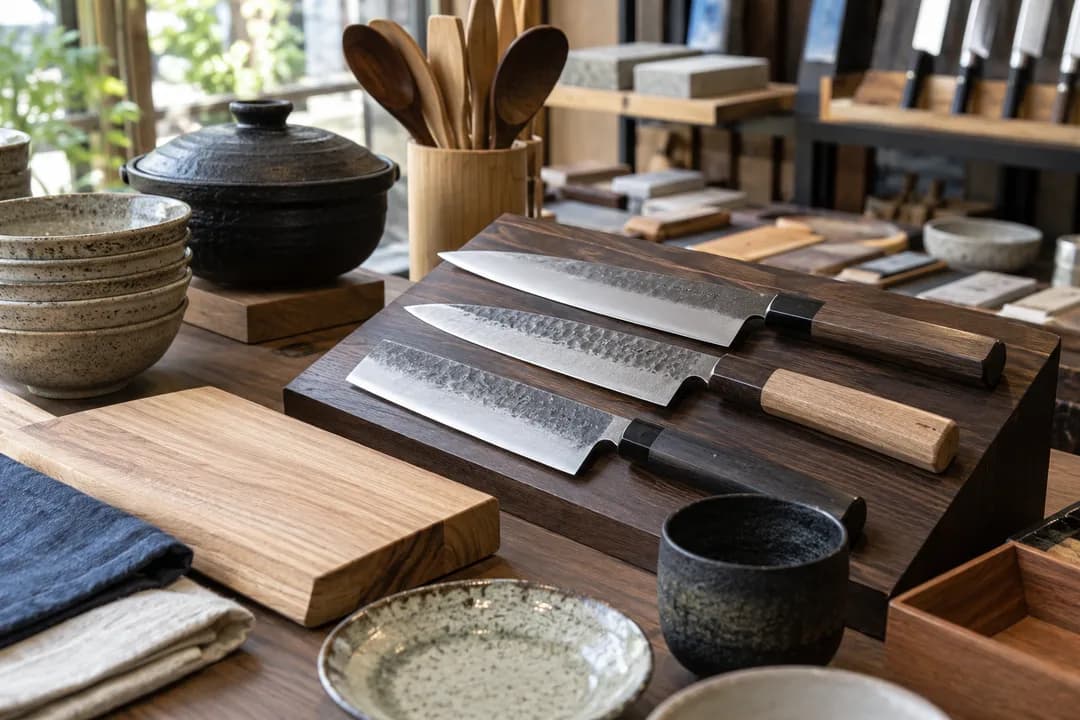
The useful first move at the shop is not to fill a basket. It is to spend five minutes noticing what the store thinks a kitchen needs. In Tribeca, this shop leans into Japanese knives and chef tools. That tells you where to begin: the knife and cutting-tool displays. The address, 57 Warren Street, New York, NY 10007, makes it a practical stop for a planned errand rather than a random browse. Walk in with one task in mind and the shelves become easier to read.
What This Store Does Differently
A New York kitchenware store near me search can return everything from gift boutiques to commercial suppliers, but the shop has a clearer personality. Its strongest use is Japanese knives and chef tools. Instead of asking whether an item looks expensive, ask whether it changes the way you slice and prep. That question helps separate a durable daily tool from an attractive object that will sit untouched in a drawer.
The Best Place to Start
Begin with the section most closely tied to your routine: blades, sharpeners, and prep tools. At the shop, that starting point gives the visit a natural rhythm. Compare three versions of one object, notice the differences in weight and finish, and then put two back. A focused comparison is more revealing than moving quickly through every aisle, especially when the shop carries both ordinary replacements and more specialized pieces.
Tools for the Real Kitchen
The winning purchase here is usually the one that removes a small annoyance. Maybe a handle is uncomfortable, a pan heats unevenly, a bowl is too light, or a storage system wastes a shelf. The shop is worth the trip when you can name that annoyance clearly. The store’s Japanese knives and chef tools makes it easier to solve the problem in person, where you can hold, open, stack, or inspect the item before taking it home.
How to Choose Without Overbuying
Kitchenware shopping becomes expensive when every object is treated as a discovery. Make the visit more disciplined: choose one replacement, one upgrade, or one gift. At the shop, the temptation may be a beautiful but overly specialized blade; resist it unless you can name the meals, baking projects, or hosting moments that will use it. A specialist store should sharpen your judgment, not convince you that every clever shape belongs in your kitchen.
The Material Test
Materials tell you something, but they do not tell you everything. Stainless steel may be easy to maintain, wood may feel warm, ceramic may bring a handmade irregularity, and silicone may solve a very specific temperature problem. At the shop, compare those materials against your actual habits. The right choice is the one that survives your sink, dishwasher, cabinet, counter, and weekly schedule, not the one that photographs best under store lighting.
A Detail Worth Asking About
Ask about the detail that is hardest to judge online: how the handle sits in your hand during a long prep session. It is a small question, but it can determine whether a tool stays in rotation. Staff can often explain the difference between two similar pieces more quickly than a product page can. Be specific about how you cook, how much space you have, and what you already own. That turns a generic recommendation into a useful one.
The Quiet Store Rule
The unspoken rule at the shop is to handle merchandise with the same care you would want from the next shopper. Keep packaging together, return test pieces to their place, and do not turn a narrow display into a group meeting. That matters especially in Tribeca, where a shopper may be comparing equipment for a working kitchen. A calm visit gives you more time to notice fit, finish, and the one flaw that would otherwise be easy to miss.
What to Skip
Skip the item that only performs one party trick unless that trick is already part of your life. At the shop, that might mean leaving behind the showpiece knife you would be afraid to use. Put the money toward the object you will touch every week. The honest advantage of shopping in person is that you can distinguish useful precision from novelty. If an item cannot earn a place on your counter, shelf, or prep drawer, it does not need to come home.
For Cooks, Hosts, and Gift Buyers
Different shoppers should use this store differently. A cook should test grip and scale; a host should think about table flow; a gift buyer should look for a tool with a clear story. The shop works particularly well for home cooks moving beyond starter knives. It is less compelling if you need the cheapest possible replacement today. The visit pays off when the recipient or cook cares about how an object feels, performs, and fits into a real routine.
A Walk Around the Neighborhood
Make the surrounding walk part of the plan. From 57 Warren Street, New York, NY 10007, the neighborhood shifts into restaurants, cafés, and design storefronts. That gives you a chance to see whether the item you are considering belongs to a daily kitchen, a small apartment, a restaurant workflow, or a more occasional hosting setup. Keep the route short if you are carrying fragile ceramics, sharp tools, or a large box. The best post-shopping walk is the one that gets you home without turning the purchase into a burden.
When to Visit
Timing is less about chasing a secret hour than about matching the store to your purpose. Come earlier if you need a quiet comparison, on a weekday if you want room to ask questions, or with extra time if you are shopping for a larger project. For the shop, the most efficient plan is go when you can take your time with grip and balance. Do not arrive with a vague promise to browse for an hour; arrive with a short list and a stopping point.
A Simple Buying Plan
Use a three-question check before paying: Will I use it this month? Does it solve a problem I already have? Can it live comfortably in my kitchen? At the shop, those questions are especially useful because a knife purchase is mostly about fit and habit. Write down the answer before you commit. If the item passes all three, it has a chance of becoming part of your routine. If it fails two, enjoying the display is enough.
Practical Notes
The practical details are straightforward: the store is at 57 Warren Street, New York, NY 10007, in Tribeca, and the official site is https://www.korin.com/. Bring a reusable bag for small purchases and leave room for packaging if you are buying ceramics or a larger piece. For knives and sharp tools, plan how you will carry the purchase home. For bulky equipment, do not assume a casual walk to the next stop will be comfortable.
The Verdict
For someone typing kitchenware store near me, the shop is a good choice when the mission is Japanese knives and chef tools. Its value is not that it has every possible object; it is that the selection makes a particular kind of decision easier. Go with a defined task, compare before buying, skip the gadget that cannot justify itself, and leave with one thing that improves the way you cook, serve, store, or host. That is a better souvenir than a crowded cabinet.
Ask Karpo for more information.
Keep reading
- IT'SUGAR Union Square Halloween Candy Shop: Gift Bags
 Dylan's Candy Bar Hudson Yards: A Halloween Candy Shop Stop
 Economy Candy Halloween Candy Shop on the Lower East Side