 Noodle Bar Near Me in Chelsea Market: Very Fresh Noodles' Hand-Torn Bowls
Restaurants
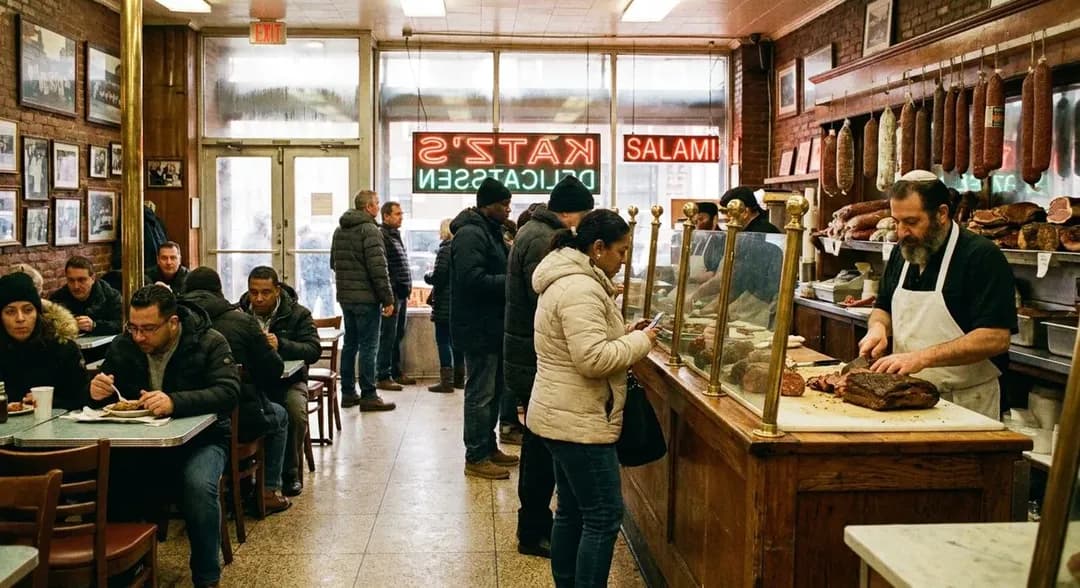
Katz's Counter: Decoding the Ticket System and the Cutter to Befriend
The tables at Katz's are for tourists with reservations. The counter is where New Yorkers stand, ticket in hand, negotiating pastrami thickness with cutters who've worked the line for decades.
The ticket is your passport
You walk through the door at 205 East Houston and someone hands you a small paper ticket. Do not lose this. The ticket system at Katz's isn't quaint nostalgia—it's operational infrastructure dating to 1888, and losing it costs you fifty dollars. You mark what you order, you pay on exit, and in between, that scrap of paper is your contract with the deli. First-timers pocket it nervously. Regulars tuck it behind their phone case or clip it to their shirt pocket like a press badge. The ticket separates those who understand the room from those who don't.
The counter runs along the right wall as you enter, a thirty-foot stretch of worn wood and stainless steel where cutters work in station rotation. You don't sit here; you stand. The stools disappeared years ago. This is eating as performance, as transaction, as brief communion with someone who's been hand-carving brisket since before you moved to the city. The tables in the back? Those are for people who made OpenTable reservations and want to split a Reuben three ways while taking photos. The counter is for people who came alone at 3pm on a Wednesday because they know.
Position matters more than timing
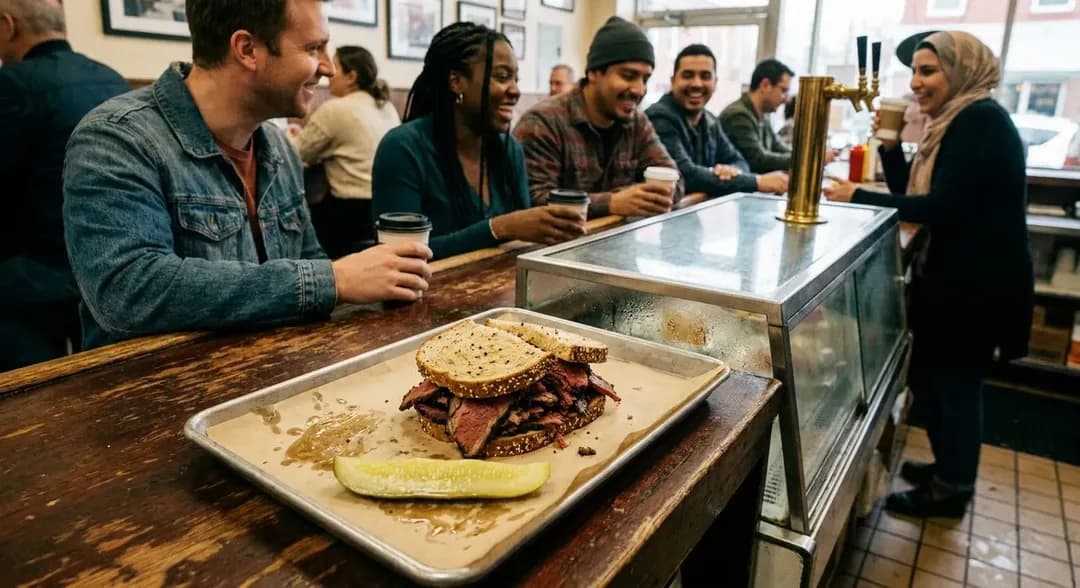
The cutters work stations one through seven, left to right as you face them. Stations three and four, dead center, handle the fattiest cuts. The brisket and pastrami comes off the steamer in whole pieces, and the center stations get first selection from the tray rotation. By the time the meat reaches stations one, two, six, and seven at the ends, the fattiest caps have been claimed. This isn't favoritism—it's geometry. The center stations move the most volume, so they cycle through trays faster, seeing more prime cuts per hour.
You want to eat between 3pm and 5pm. The lunch crush has cleared, the dinner build hasn't started, and the cutters have rhythm without pressure. They'll talk. They'll offer you a warm-up slice—a thin piece of pastrami handed across the counter while they're building your sandwich—without you asking. This only happens when the line is manageable. During peak hours, the warm-up slice is transactional: you tip a dollar, you get the taste. During the quiet window, it's conversational. The cutter named Joel at station four has been there nineteen years and remembers regulars by their mustard preference.
The dollar tip is not optional
When you order, the cutter begins assembling your sandwich. Somewhere in the first thirty seconds, they'll carve a thin taster slice and offer it across the counter. You take it, you eat it, you place a dollar bill on the counter. This isn't tipping culture run amok—it's how the counter has operated for decades. That dollar acknowledges the cutter's discretion over your sandwich. They control thickness, fat ratio, the number of slices, the structural integrity of the stack. A dollar buys goodwill. Two dollars buys a conversation about whether you want the next slice leaner or whether they should add an extra layer.
The sandwich itself costs twenty-eight dollars before tax. The dollar tip doesn't inflate that to an unreasonable number; it recognizes that the person building your food has authority over the outcome. You're not tipping for service—you're tipping for craft. The cutters work fast, but they're not assembly-line workers. They're adjusting each sandwich to the customer in front of them, reading body language and verbal cues to determine if you want a sky-high stack or something you can actually bite through. The dollar is your entry into that negotiation.
Order like you've been here before
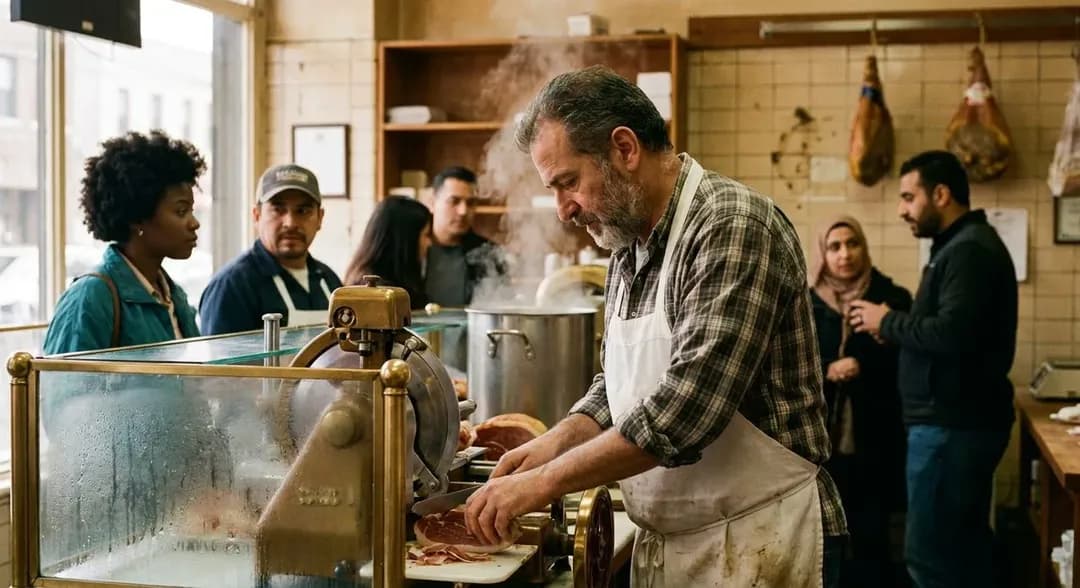
You step to the counter and say "pastrami on rye." Not "I'll have the pastrami sandwich, please." Not "Can I get a pastrami?" The counter operates in declarative statements. Pastrami on rye. Brisket on club. Corned beef on challah. The cutter nods, pulls a tray, and starts slicing. If you want it lean, you say "lean" immediately. If you don't specify, you get medium—a mix of lean meat and fat cap that represents the house standard. If you want fat, you say "fatty" or "juicy," and you'll get end cuts with more marbling.
Mustard comes on the side in a small plastic cup unless you specify otherwise. The rye bread is baked daily by a supplier in New Jersey and delivered before dawn. If you want your sandwich warm, ask for it "steamed"—the cutter will wrap it briefly before serving. Most regulars take it room temperature. The meat is already warm from the steamer; heating the bread makes it soggy. You can also order "hand-sliced" if you want thicker cuts, though the default thin-slice approach is traditional. The cutters will accommodate almost any request if you phrase it clearly and don't hold up the line.
The counter teaches you to eat standing
There's a narrow shelf behind you where you can rest your plate, but most people hold it. You stand at the counter, sandwich in hand, and you eat. There's no table service, no waiter checking if you need anything, no lingering. You finish, you wipe your hands on the small napkins stacked at each station, you walk to the register with your ticket. The entire experience takes twelve to eighteen minutes if you're not trying to make it last.
This is why the counter feels different from the dining room. It's not about the meal as event; it's about the meal as fuel, as tradition, as a specific thing you came to do. The tourists at the tables are having an experience. You're having a sandwich. The distinction matters. The counter doesn't apologize for what it is—a place to stand and eat excellent pastrami carved by someone who knows what they're doing. You don't need ambiance when the product is this focused.
Practical notes
Katz's Delicatessen is at 205 East Houston Street, between Ludlow and Orchard. The counter opens at 8am weekdays, 9am weekends, and closes at 10:45pm Sunday through Tuesday, 2:45am Wednesday through Saturday. Expect to spend thirty dollars per person for a sandwich and drink. The pastrami sandwich is $27.95, the brisket is $26.95. Cash and cards both accepted, but the dollar tip for the cutter should be cash. Take the F train to Delancey Street or the J/M/Z to Essex Street—both are a three-minute walk. Street parking is impossible; don't try. If you're ordering to go, use the separate takeout counter on the left side of the room. The main counter is for eating there. Weekend mornings before 11am are surprisingly quiet. Avoid Friday and Saturday nights unless you enjoy standing in a crowd for forty minutes. The bathroom is downstairs, past the dining room.
Tags: #KatzsDeli #LowerEastSide #NYCDeli #PastramiOnRye #CounterCulture #HoustonStreet #DeliCounter #PullUpAChair #EatLikeALocal #NYCFood #DeliLife #TicketSystem #CutterCulture #PastramiPilgrimage #NYCEats
Sources consulted: The Infatuation · Eater · Time Out New York
Please drink responsibly. Must be of legal drinking age.
All trademarks are the property of their respective owners.
Ask Karpo for more information.
Keep reading
- Noodle Bar Near Me in Chelsea Market: Very Fresh Noodles' Hand-Torn Bowls
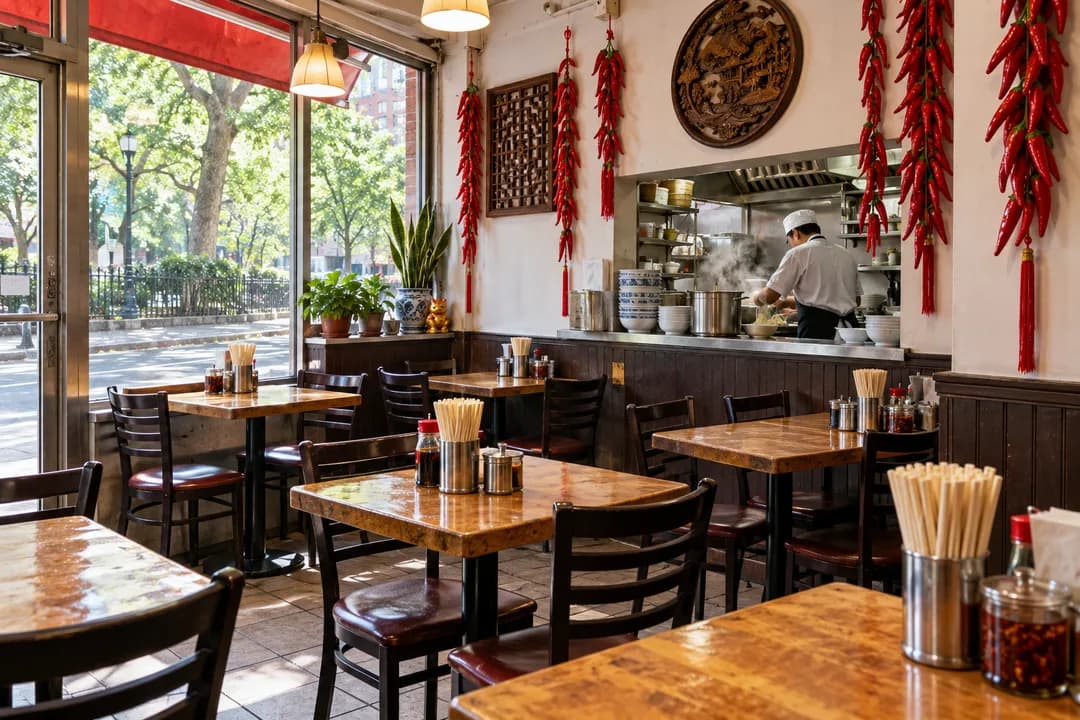 Noodle Bar Near Me on Forsyth Street: Spicy Village's Big Tray Chicken
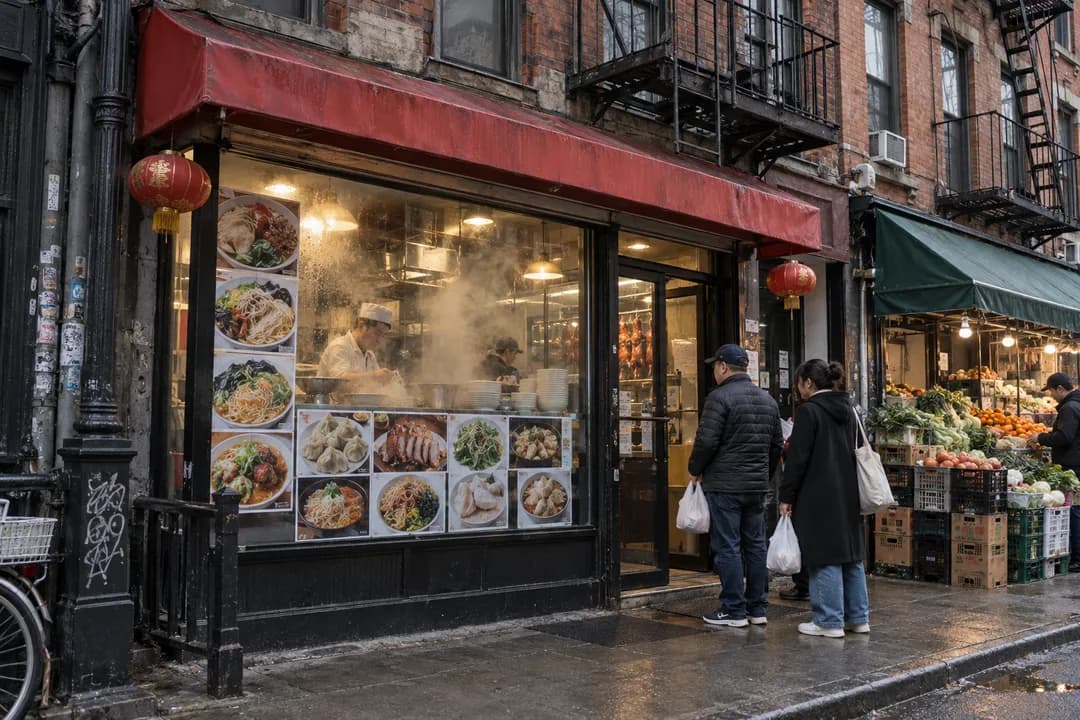 Noodle Bar Near Me in Chinatown: Super Taste's Lanzhou Hand-Pulled Noodles