 Lower East Side Hidden Speakeasy Bar Picker for a Solo Night
Bars & Nights Out
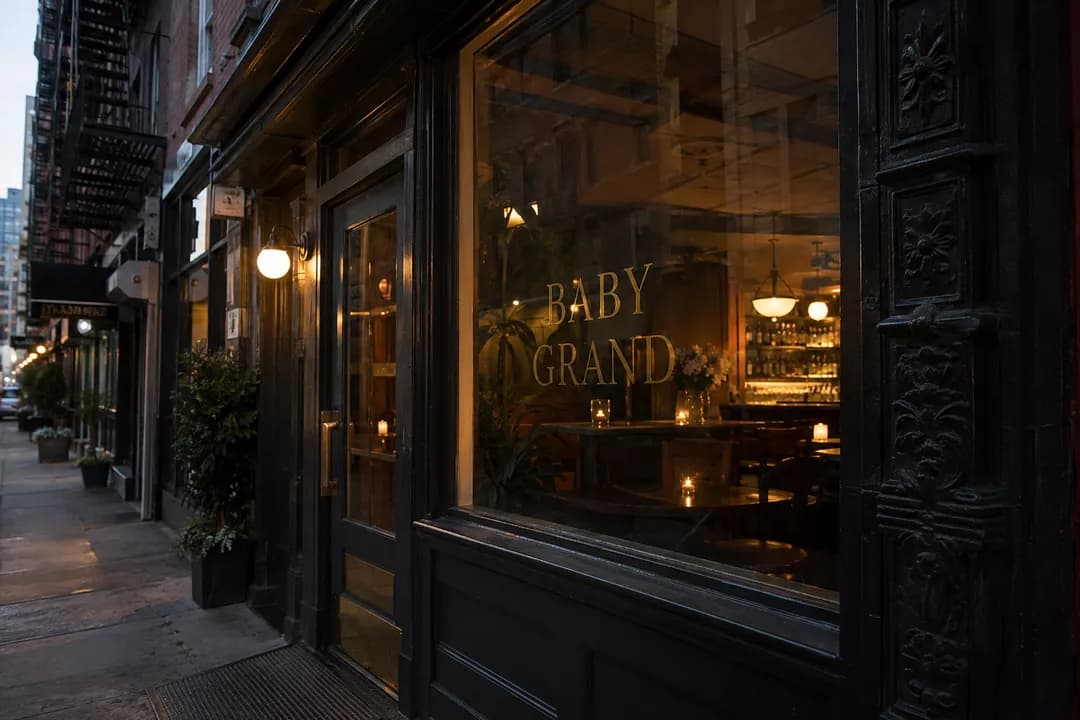
Chinatown Karaoke Bar Near Me: Intimate Singing at Baby Grand
An insider guide to Baby Grand on Lafayette Street in Chinatown, where intimate open-mic singing, craft cocktails, and vintage living-room energy redefine the classic downtown karaoke night.
If you type karaoke bar near me while standing in lower Manhattan, Baby Grand provides an antidote to sterile private room complexes and cavernous Midtown basements. Tucked into 161 Lafayette Street right where Chinatown dissolves into Little Italy, this petite nightspot has operated since 2009 under founders Sas Stewart and Philip Kiracofe. Instead of sealing singers into isolated rented booths, the lounge gathers everyone around a diminutive platform illuminated by warm amber fixtures. The venue opens Wednesday through Saturday from 7 pm to 2 am, offering a convivial environment where novice vocalists and seasoned performers share one vintage microphone beneath a crimson velvet backdrop.
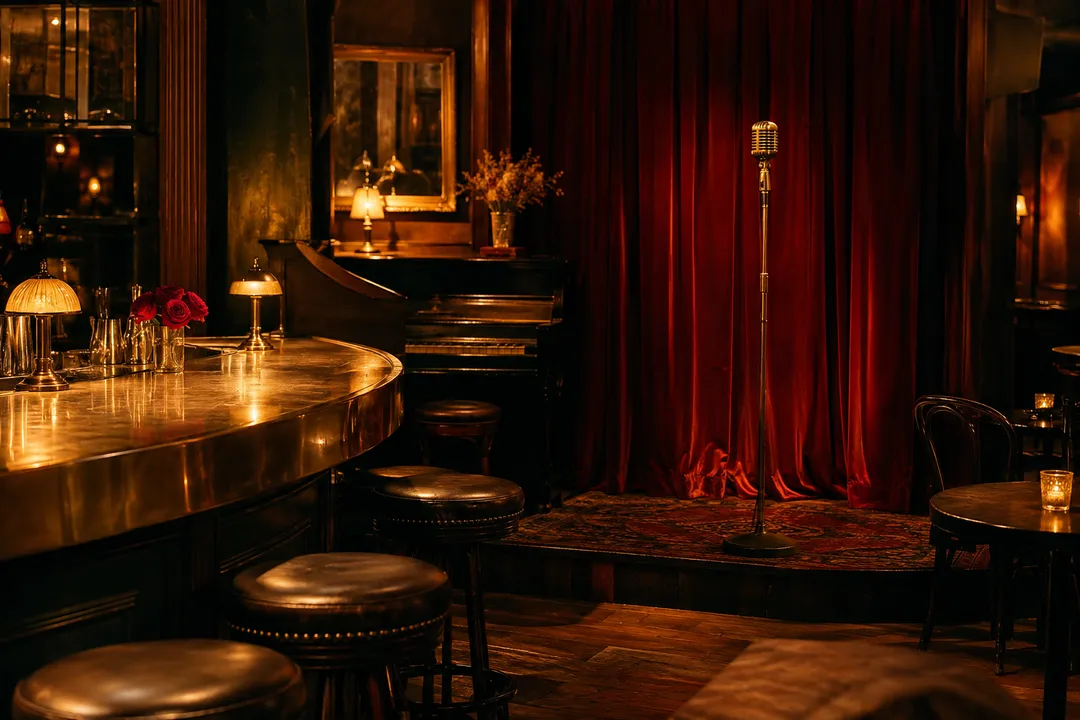
The Intimate Chinatown Living Room Stage
Arriving at Baby Grand is remarkably straightforward from nearly anywhere in New York City. The entrance sits two blocks south of the Spring Street 6 train station and four blocks east of the Canal Street transit hub serving the N, Q, R, W, J, and Z lines. Walking down Lafayette Street past dark brick residential tenements, you will spot the subtle storefront marked by golden window lettering and drawn drapes. Because the total floor plan covers roughly 700 square feet and holds barely thirty guests at capacity, entering early ensures you secure a brass bar stool before the standing crowd packs the threshold.
The layout feels deliberately modeled after an eccentric downtown artist salon rather than a commercial karaoke emporium. A polished wooden counter spans the left wall, flanked by tufted leather banquettes along exposed brickwork that has absorbed decades of neighborhood warmth. The performance area occupies a raised corner nook framed by theatrical curtains, bathed in soft spotlighting that turns every singer into an impromptu headliner. Acoustics here remain punchy yet well-balanced, allowing vocals to carry clearly over the backbeat without distorting the cozy conversation happening three feet away.
Song Queue Etiquette and Stage Rotation
Song selection operates through a digitized tablet system curated with thousands of tracks across pop, classic rock, motown, and indie staples. Guests browse the catalog, type in their artist preferences, and submit requests directly into the digital master roster managed by the working host. There are zero room fees or hidden cover charges on standard evenings, which sets the house apart from pay-per-hour Manhattan alternatives. The only requirement is active patronage at the bar, where ordering a round earns your rightful spot in the community queue.
Queue etiquette at Baby Grand demands patience, active listening, and collective encouragement. On crowded weekend nights between 10 pm and 1 am, rotation cycles can stretch up to forty minutes per song, so pacing your visits to the microphone is essential. Regulars understand that cheering for fellow strangers is the currency of the room; the most memorable nights happen when the entire bar joins in the chorus of an unexpected ballad. Heckling or disengaged phone scrolling is quietly frowned upon by the tight-knit staff who keep the room energetic and warm.
Signature Cocktails and Bar Bites
Beverage offerings highlight thoughtful cocktail craft rather than generic well liquors commonly associated with dive establishments. The signature Baby Grand Old Fashioned costs $16 and incorporates rye whiskey, house-made demerara syrup, aromatic bitters, and an expressed orange peel. For something crisp and fragrant, the Lychee Martini sells for $17 and pairs premium dry gin with cold-pressed lychee nectar and fresh lemon juice. Guests looking for approachable refreshment often choose a cold draft beer for $8 or a classic highball for $14, ensuring price points accommodate varied budgets across a lengthy setlist.
While the establishment does not maintain a commercial hot kitchen, the counter provides modest snacks that sustain vocal cords through multi-hour sessions. A bowl of freshly toasted bar mixed nuts and pretzels is available for $6, offering savory crunch between high notes. The bartenders keep iced citrus water flowing alongside beverage orders to prevent throat fatigue. For substantial dinners, staff actively recommend dining beforehand at surrounding Chinatown noodle shops or nearby Mulberry Street trattorias before settling in for late-night musical revelry.
The lineage of the room reflects the resilient spirit of independent lower Manhattan nightlife in the late two thousands. Stewart and Kiracofe envisioned an inclusive space where stage fright disappears through intimacy; singing in front of twenty supportive listeners feels far less daunting than commanding an arena. Over the years, surprise drop-in appearances by touring musicians, Broadway ensemble actors, and local neighborhood characters have cemented its reputation as a subterranean clubhouse. That domestic warmth remains intact because the team has resisted expanding into a sterile franchise.
Navigating the Lafayette Street Circuit
Timing your arrival dictates the entire rhythm of the experience. Walking in right at the 7 pm opening hour guarantees immediate seating, personal attention from the host, and the rare luxury of singing consecutive tunes without interruption. By 9 pm, neighborhood professionals and couples begin trickling in, shifting the atmosphere into a lively cocktail lounge. The true surge crests after 11 pm when restaurant workers and revelers from nearby Soho spill inside, turning the 700-square-foot footprint into a joyous, shoulder-to-shoulder singalong.
If you encounter a line at the door during peak midnight hours, the door steward regulates entry on a strict one-out, one-in policy to preserve fire safety and floor comfort. Rather than hovering on the sidewalk in bad weather, walk half a block south to grab an espresso or bubble tea, then check back in fifteen minutes. Large private groups exceeding ten people should contact management several days in advance to discuss whole-room buyouts, as unexpected large entourages can instantly monopolize the single microphone and overwhelm the communal queue.
Decor details throughout the parlor reward careful observation while you await your turn. Framed vintage show flyers, brass wall sconces, and gold leaf accents complement the deep mahogany millwork. The vintage golden microphone at center stage possesses just the right amount of retro heft, making every performer feel anchored in mid-century cabaret tradition. Soft ambient lighting flatters everyone in the room and keeps the focus directed toward the stage rather than glaring overhead neon.
Exploring the adjacent blocks before or after singing enriches any evening itinerary. Start with steamed soup dumplings at an authentic parlor along Grand Street, then stroll along cobblestone-paved Howard Street to admire downtown boutique window designs before Lafayette Street lights up. After closing out your tab at Baby Grand around 2 am, late-night dining options remain plentiful just three minutes away on Bowery, where 24-hour diners and Cantonese bakeries provide hot pork buns and comforting bowls of congee to soothe vocal cords.
Practical notes for newcomers: Baby Grand is situated at 161 Lafayette Street, New York, NY 10013. Operating hours run Wednesday through Saturday from 7 pm to 2 am, with Sunday, Monday, and Tuesday reserved for private studio events. Credit cards and cash are accepted at the bar counter, though a minimum tab of $20 applies for card processing. All guests must be at least twenty-one years old with government identification checked at the door.
Ultimately, Baby Grand succeeds because it recognizes that karaoke is fundamentally an act of collective vulnerability and shared celebration. Whether you deliver a flawless rendition of a soul classic or stumble charmingly through a nineties pop anthem, the room embraces the effort with rowdy cheers and clinking glasses. For anyone seeking a true community stage in lower Manhattan, this unassuming storefront remains one of the finest musical hideaways in New York City.
Ask Karpo for more information.
Keep reading
- Lower East Side Hidden Speakeasy Bar Picker for a Solo Night
 West Village Hidden Speakeasy Bar Picker for Out-of-Towners
 Carroll Gardens Hidden Speakeasy Bar Picker for a Nightcap