 Soccer Bar Near Me: Midtown's Basement Room For Early Kickoffs
Watch Parties
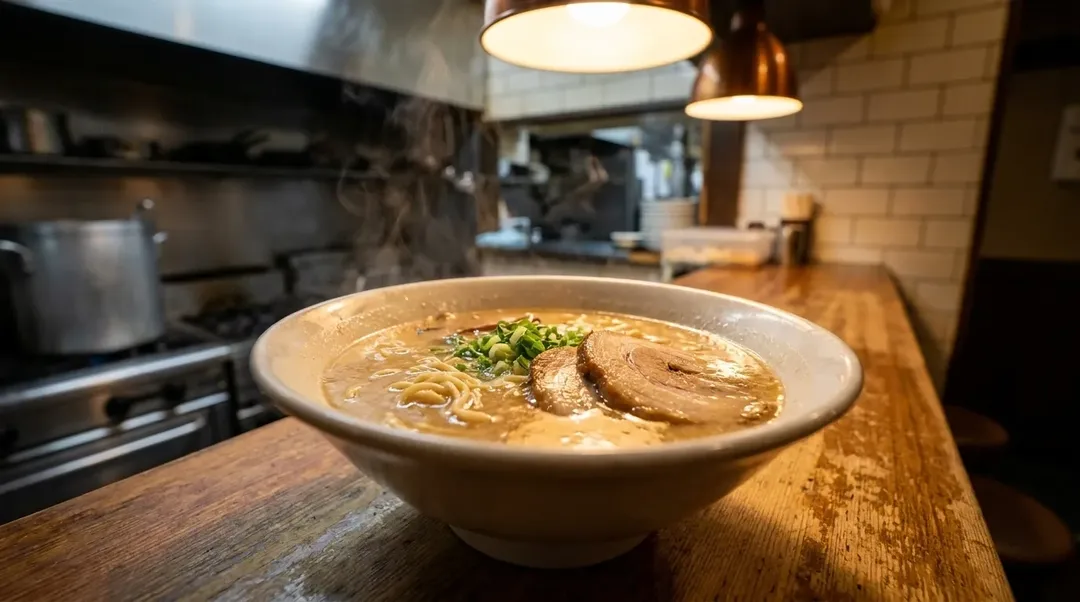
Jinya Ramen NYC: How the Chain Stacks Against Local Shops
Jinya Ramen runs three NYC locations, but Chinatown shops often deliver better broth and faster seats for watch-night plans.
You're deciding whether to walk into a Jinya Ramen Bar or trust a Chinatown storefront with no app and a line out the door. Jinya Ramen operates three Manhattan locations—Times Square, Union Square, and Lexington Avenue—with online ordering, consistent tonkotsu, and tables that fit six. The local shops pack tighter, rarely take reservations, and close early or unexpectedly. But they also simmer pork bones for sixteen hours, hand-pull noodles in the back, and turn tables fast enough that a fifteen-minute wait beats a thirty-minute Jinya ticket most nights.
Text Karpo before you commit to a ramen spot tonight. It checks which Chinatown shops have counter space right now and maps the fastest subway route from wherever you are.
What You're Really Choosing Between
The chain's advantage is predictability. Every Jinya ramen bowl follows the same recipe, the spice level matches what you clicked, and you can book ahead if you're coordinating a group screening plan. The trade-off is a menu built for volume, not experimentation. You won't find the off-menu mazemen or seasonal tsukemen that Chinatown counters rotate without warning. And you'll pay two dollars more per bowl for the privilege of seeing your wait time on a screen.
If you're planning a watch party that starts at eight and you need everyone fed by seven-fifteen, Jinya's reservation system solves the logistics problem. If you want the best bowl in the city and you're willing to stand on Bayard Street for twelve minutes, the local shops win on flavor and speed once you sit down.
Chinatown Delivers the Tightest Window
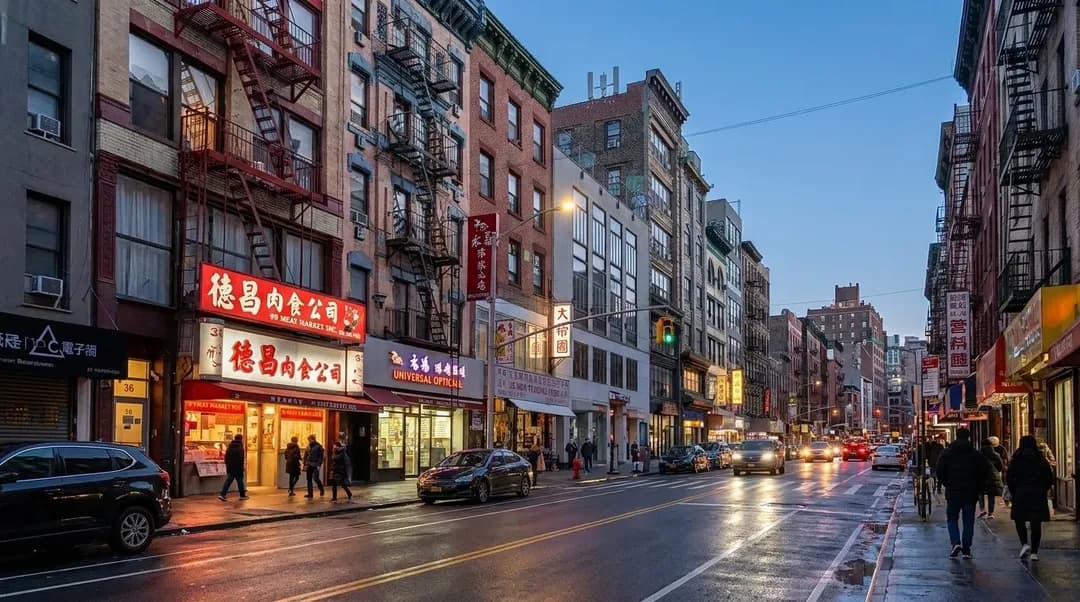
The densest cluster of serious ramen sits between Canal and Worth, Bowery to Baxter. You're within a four-block walk of six shops that opened before Jinya entered New York City and still pack counters seven nights a week. Ippudo on Fourth Avenue anchors the northern edge, but the smaller storefronts along Bayard and Mulberry turn out richer broth with half the square footage. Most seat fewer than thirty, so parties larger than four split up or wait.
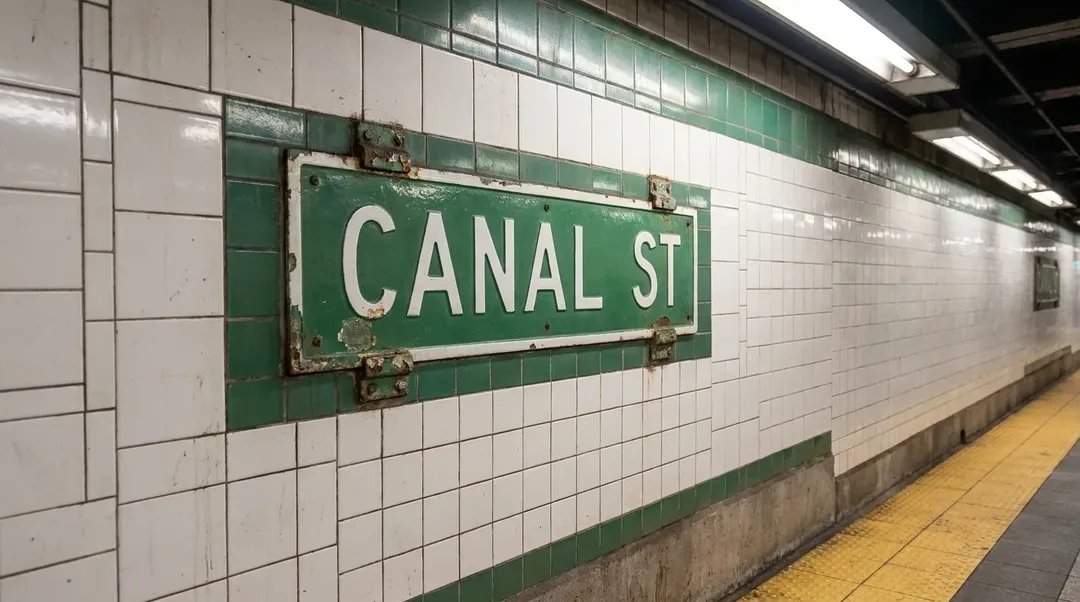
The subway access is clean: the J, Z, N, Q, R, W, and 6 all drop you within three blocks. The Canal Street station sprawls underground with multiple exits—take the Bayard Street exit from the Q or R to land directly at the tightest concentration of shops. The walk from Union Square's Jinya takes twenty minutes on foot or one transfer at Canal, which adds ten minutes of platform time during weekend service changes. If you're coming from Brooklyn, the Manhattan Bridge lines deliver you faster to Chinatown than to any Jinya location.
Timing matters more here than anywhere else in the decision. Chinatown ramen shops open late—most unlock at noon—and close by ten or eleven, even on weekends. Jinya runs until midnight at the Times Square location, which makes it the default if your screening lets out after ten-thirty and you still want a hot bowl. But between six and nine, the neighborhood shops move faster. Counter seating empties every twelve minutes. Tables take longer, but solo diners and pairs get in and out in under forty minutes, soup to sidewalk.
The Hours and the Crowd Decide It
Jinya Ramen Bar books reservations through its own app and seats walk-ins on a digital waitlist. That system works when you're corralling eight people who live in three boroughs and need a fixed arrival time. The Union Square location holds the most tables, but it also fills fastest between seven and nine on Fridays and Saturdays. The Lexington Avenue shop near Grand Central runs quieter, especially after eight-thirty when commuters clear out. Times Square stays loud all night, which makes conversation harder if you're trying to hear dialogue during a watch party debrief.
The local shops don't text you when your table is ready. You stand near the door, watch the counter, and move when the host waves. It's faster than it sounds because turnover runs tight. The friction is group size: anything over four people creates a wait that stretches past twenty minutes, and some shops cap parties at six. If you're planning a watch night for ten, Jinya solves that problem. If it's three of you and you want to eat before a nine PM kickoff, Chinatown gets you home faster.
One local-knowledge detail: the Bayard Street block between Mulberry and Baxter gets crowded after dark, but the crowd moves. You're not stuck in a static line. People order takeout, pick up, and leave. The actual sit-down wait is shorter than it looks from the sidewalk. The opposite is true at Jinya's Times Square location, where the waitlist screen shows fifteen minutes but the host seats slower than the app predicts because the kitchen is backing up.
When You Want Less Noise and More Room
If the Chinatown crowds feel too tight and Jinya's chain polish doesn't appeal, the East Village holds middle-ground options along Ninth Street and Second Avenue. These shops opened in the past decade, import their noodles but make their own broth, and seat thirty to fifty. They take reservations through standard platforms, keep quieter dining rooms, and close by eleven. You're trading the sixteen-hour simmer for a cleaner booking experience and a room where you can hear your group talk.
The L train delivers you to Third Avenue in under five minutes from Union Square, and the walk north is flat and well-lit. The transfer from Brooklyn is direct with no stairs if you board at Bedford. Coming from the Upper West Side or Harlem, it's one subway change at Union Square or 14th Street, which adds twelve to fifteen minutes compared to walking to Jinya's Union Square location. The math favors the East Village if you're starting in Brooklyn or Queens and want to avoid Chinatown's tight quarters without committing to the full chain experience.
These spots don't turn tables as fast as Chinatown counters, but they seat you within ten minutes most nights before nine. After nine, the wait drops to nearly zero. If your watch party runs late or you're catching a delayed start time, this is your zone. Confirm the closing time before you travel—some kitchens stop seating by ten-fifteen even if the posted hours say eleven.
Check the Current Status Before You Ride
Jinya posts its hours and reservation slots online, and the system rarely changes without warning. The local shops close for private events, run out of broth by nine on busy Saturdays, or shut early when staffing drops. You won't see an alert on Google Maps. The fix is a direct check: call the shop or look at its own Instagram for same-day updates. Chinatown storefronts post closures and sold-out notices in the window and online within an hour. If you're traveling more than twenty minutes, verify before you leave.
The subway variables matter just as much. Weekend nights bring frequent service changes on the J, Z, and R lines that add ten to fifteen minutes to your Chinatown route. The Q and N trains run local after eight PM on Sundays, which slows your exit. If you're planning a round trip that ends after eleven, map your train home before you sit down. The last express trains on most lines leave Canal by midnight, and the local crawl to Brooklyn or Queens adds thirty minutes you didn't budget.
One final Chinatown-specific note: the sidewalk between Bayard and Canal gets slick when it rains, and most ramen shops don't have covered waiting areas. If the forecast shows rain after seven, either arrive early or default to Jinya's indoor waitlist. The Union Square location keeps you dry, and the Times Square entrance opens directly into the building lobby. For watch-night plans, that small logistics detail can save twenty minutes of standing in wet clothes.
If you're drinking before or after the meal, budget for a safe ride home. The subway runs all night, but late trains slow down and crowds thin out, which changes the safety math. Ride-share pickup near Canal Street clusters on the Bowery side, not the Baxter side, because of one-way restrictions. Jinya's Union Square location puts you two blocks from multiple northbound subway lines and easier car pickup on Fourth Avenue. Factor that into your group's exit plan, especially if anyone in your party has had more than one drink.
Practical notes
- Chinatown ramen shops close by 10–11 PM; Jinya Times Square runs until midnight
- The Q, R, N, and 6 trains all reach Chinatown in under 20 minutes from Midtown; take the Bayard exit at Canal
- Weekend service changes on the J, Z, and R lines add 10–15 minutes after 8 PM
- Jinya takes reservations; most Chinatown counters seat walk-ins only and turn tables in 12–15 minutes
- If drinking, plan a safe ride home—ride-share pickup near Canal clusters on the Bowery side due to one-way streets
- Call ahead or check Instagram for same-day closures at local shops; Jinya's hours stay consistent
Tags: #karpo #jinyaramen #jinyaramennyc #nycfood #chinatownnyc #ramennyc #watchparty #nycnightlife #ramenbowl #eastvillagefood #subwayroute #nyceats #ramenshop #tonkotsuramen #latenightnyc
Sources consulted: Jinya Ramen Bar official site · MTA subway service status
Please drink responsibly. Must be of legal drinking age.
All trademarks are the property of their respective owners.
Ask Karpo first
Text Karpo to confirm which Chinatown ramen shops are open right now, check real-time subway timing from your location, and get a backup East Village spot if the wait looks long. It maps the fastest route and checks for service changes before you leave.
Ask Karpo for more information.
Keep reading
- Soccer Bar Near Me: Midtown's Basement Room For Early Kickoffs
 Soccer Bar Near Me in Flatiron: A Bartender's Rule for the Noise
 Soccer Bar Near Me: This West Village Cafe Fills Fast for Kickoff