The best jazz in New York doesn't announce itself at eight o'clock. It waits. By the time the second subway crowd thins and the streetlights soften into their long June glow, Harlem's late-night rooms are just tuning up. These are spaces where the music doesn't perform for you—it unfolds around you. The bartender knows the pianist's left hand. The couple at the corner table has been coming since 1997. And if you arrive before midnight, you're early.
The architecture of staying late
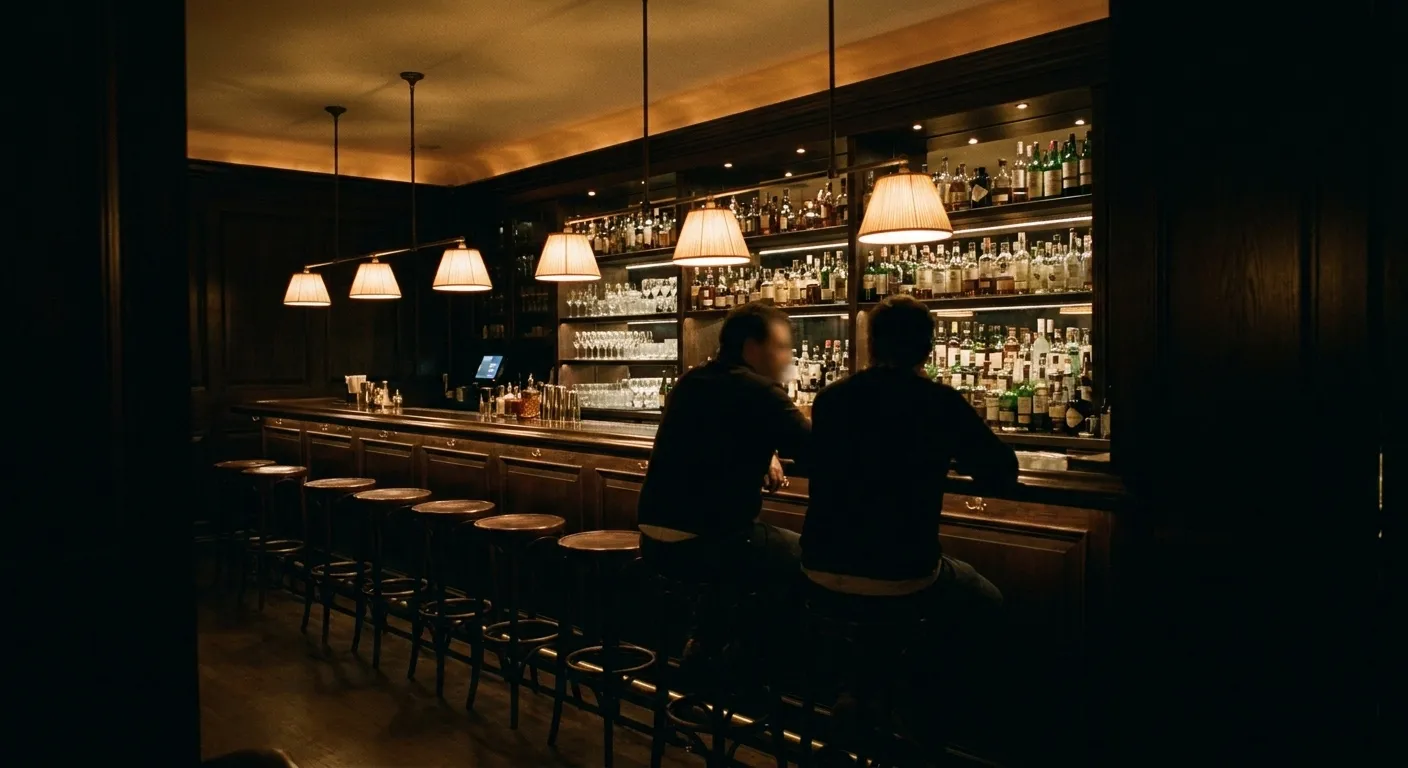
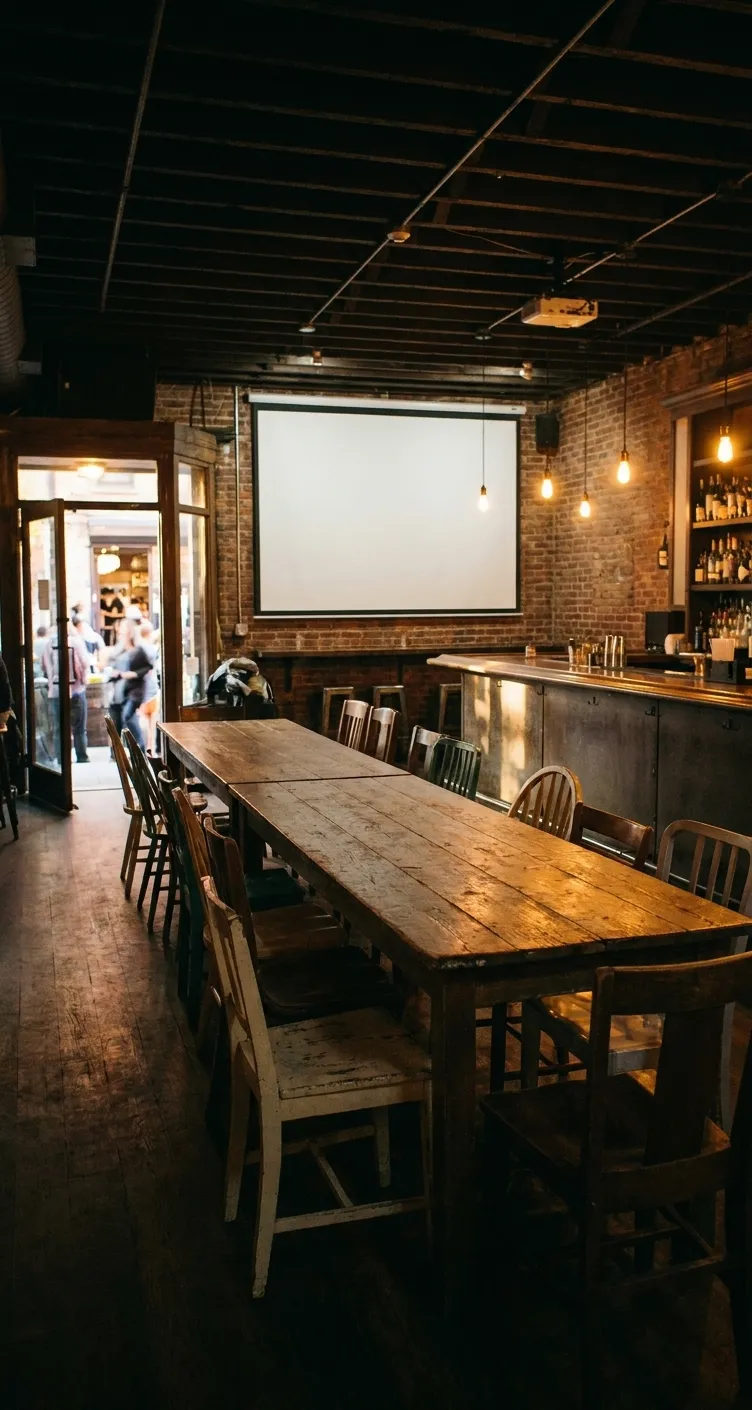
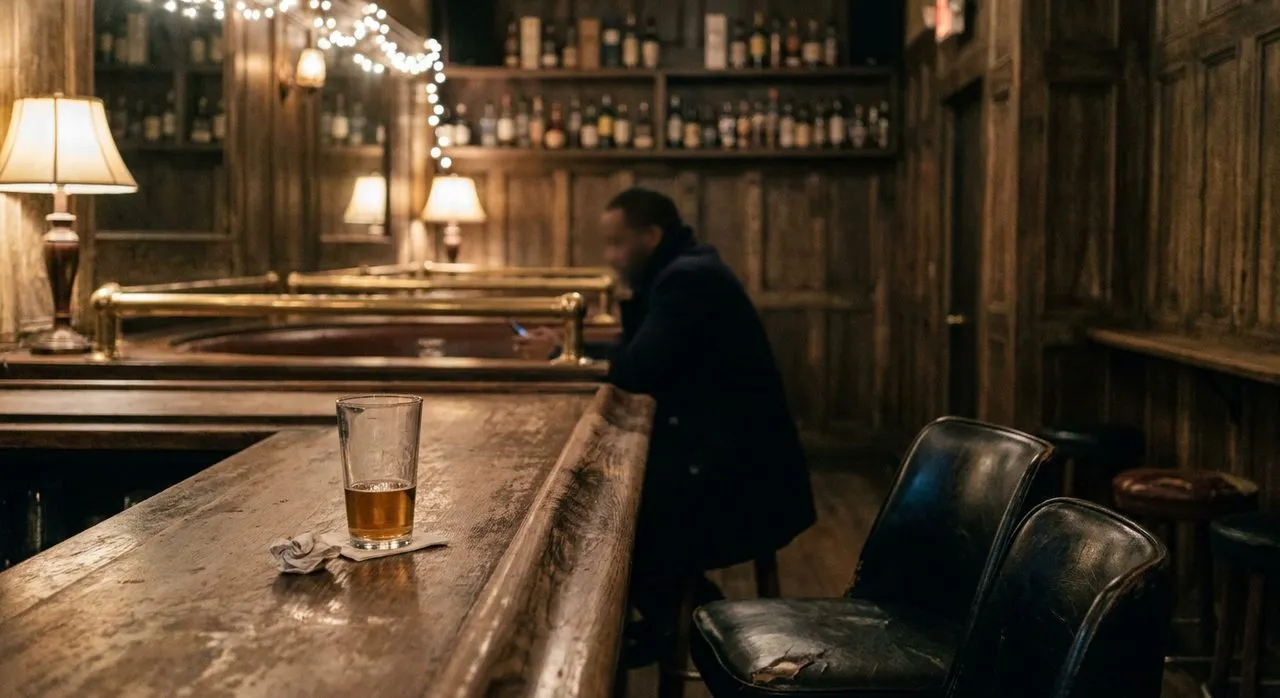
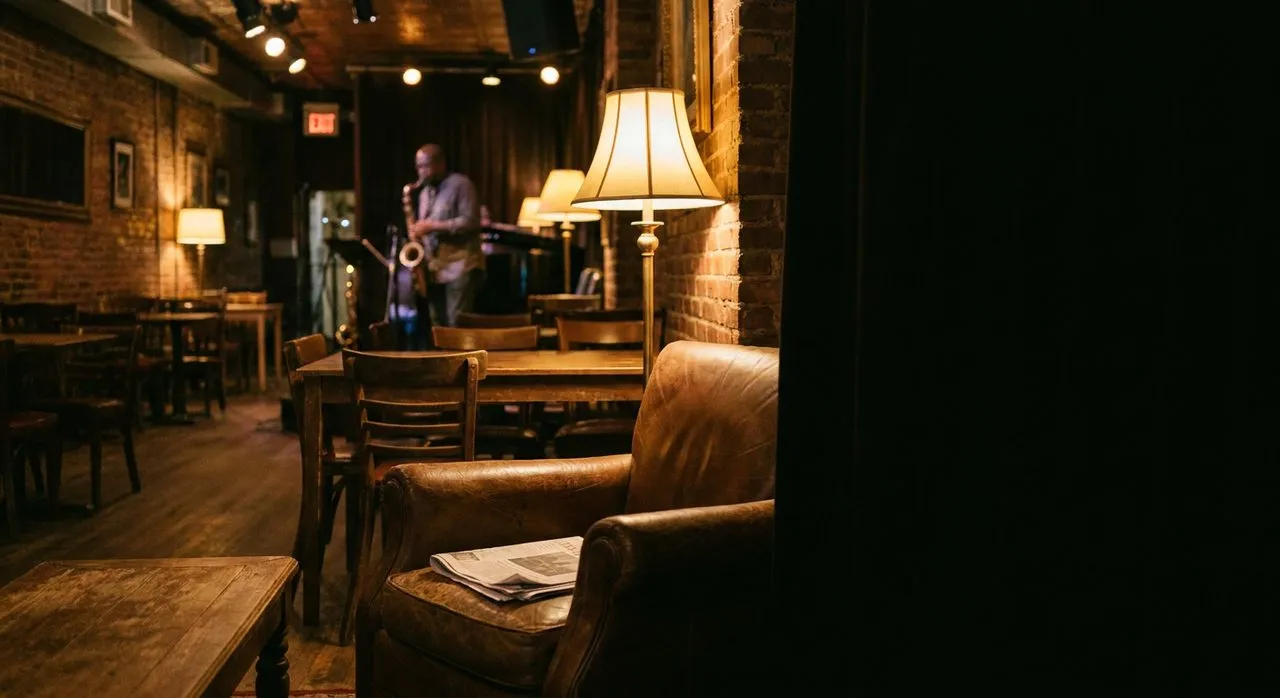
Harlem's late-night jazz clubs aren't trying to be anything other than what they are: small, worn-in rooms with decent acoustics and a liquor license that matters. The stages are low. The ceilings press close enough to hold the sound without letting it scatter. Upholstered banquettes, scuffed wood floors, tin ceilings that catch the amber from old sconces—these aren't details anyone curated. They're just what happens when a place survives.
Most of these venues sit above or below street level, insulated from the late-May humidity that clings to Lenox and Malcolm X Boulevard after dark. Inside, the air is cooler, tinged with cigarette ghosts and whatever someone ordered at the bar an hour ago. The light is low enough that you can't quite read a menu but bright enough to catch the gleam of a trumpet bell when it tilts toward the single overhead spot. It's not romantic. It's functional. And that's why it works.
Who plays, and when
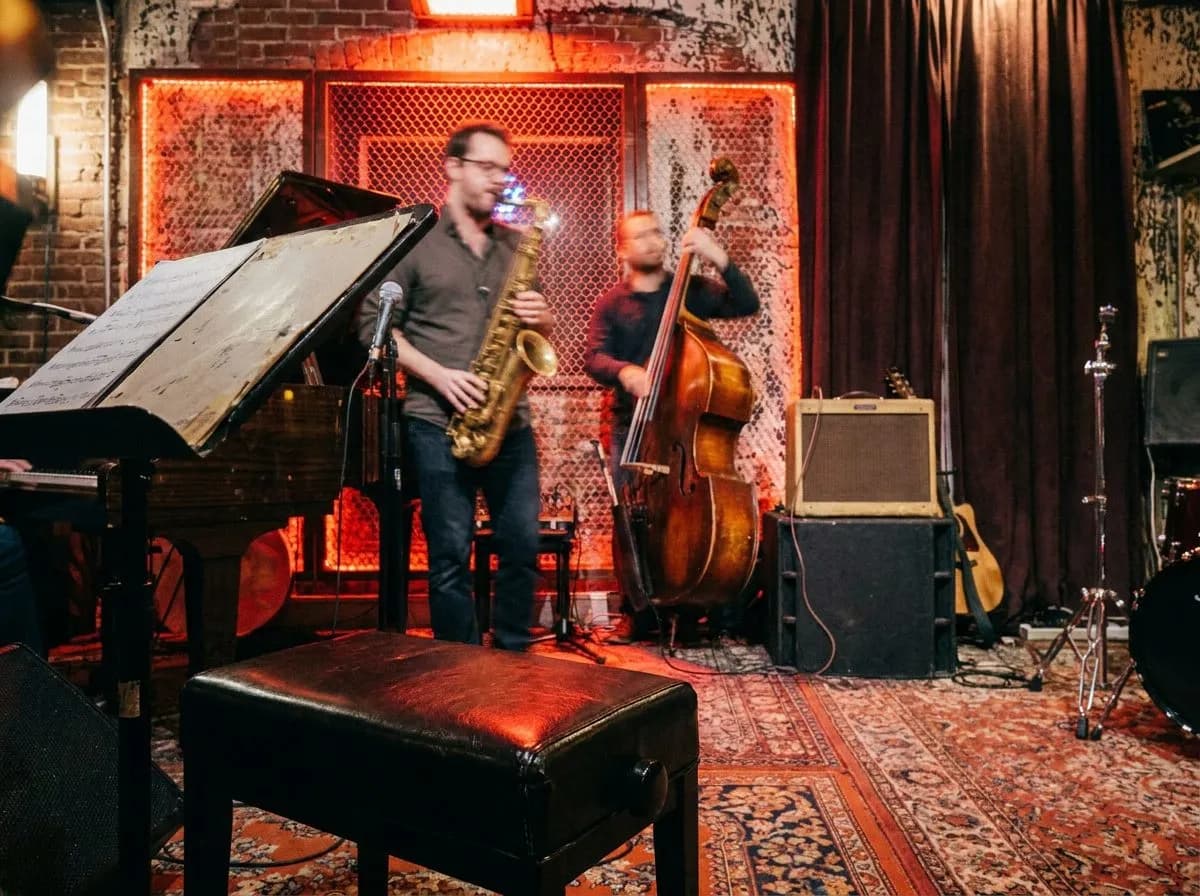
The musicians who take the stage after midnight in jazz harlem nyc aren't touring headliners with publicists. They're session players, conservatory dropouts, veterans of road bands who've settled into the city's margins. They play because the room is there and because the late set pays in cash and because, sometimes, the crowd is worth it. Sets typically begin between 12:30 and 1 a.m., sometimes later if the earlier group stretched long or the soundcheck ran into a conversation.
Expect standards—Monk, Coltrane, Parker—played with enough variation that you notice the bass line has wandered somewhere new. Expect improvisation that either catches fire or meanders; both are part of the deal. The players watch each other more than they watch the audience. When it's good, you feel like you've walked into the middle of a private argument that happens to be conducted in sixths and sevenths. When it's not, you still have your drink.
The taxonomy of crowds
Late night music New York attracts a specific cross-section: insomniacs, industry people done with their own gigs, couples stretching a date past its natural endpoint, and the genre obsessives who track which drummer is sitting in where. Tourists are rare after midnight—they've already paid for the early show downtown. What you get instead are regulars who nod at the door guy and locals who treat the club as an extension of their living room, minus the neighbor complaints.
There's an unspoken etiquette. You don't talk during solos. You don't use your phone as a flashlight. If you must leave mid-set, you wait for the applause break. The crowds skew older but not uniformly—plenty of twenty-somethings who discovered Harlem's scene through a roommate or a Reddit thread show up with the kind of quiet attentiveness that earns a nod from the bartender. Dress codes are nonexistent, but you'll feel out of place in athleisure. Denim and leather fit. So does linen, wrinkled from the subway ride up.
What the rooms feel like at 2 a.m.
By two in the morning, the energy in these clubs shifts. The waitstaff has stopped circulating. The bartender leans against the register, half-watching the stage. If you ordered food earlier, the plates have long been cleared. What remains is sound: the brush of a snare, the mutter of a double bass, the breathy spill of a saxophone working through a melody that seems to reference three different songs at once. Someone coughs. The air conditioner cycles off. The music fills the gap.
This is the hour when casual listeners leave and the committed stay. The room gets quieter, more focused. The musicians, too, seem to settle into something less performative—they're playing for the handful of people who stayed, and the dynamic becomes almost conversational. A pianist might glance up mid-phrase, catch your eye, keep going. The trumpet player takes a seat during the bass solo, drinks from a glass of water that's been sitting on the amp since the first set. It's not a show. It's a gathering that happens to have instruments.
The walk home, or the decision not to
Leaving a Harlem jazz club after 2 a.m. means stepping from that compressed, sound-rich interior back into the city's late-night exhale. In June 2026, the streets are warm enough that the transition doesn't shock. You'll hear distant sirens, the hiss of a bus pulling away from a stop, maybe a conversation in Spanish drifting from a bodega that's still lit. The music stays in your head for a few blocks, then fades under the ambient noise.
Some nights you'll walk south toward the 2 or 3 train, past brownstones with their stoops still occupied, past the occasional late-night laundromat glowing like an aquarium. Other nights you'll find a diner that's open and sit with coffee and eggs, letting the music settle before you commit to the subway. There's no wrong answer. The city at this hour is patient with indecision. It's used to people who aren't ready to call it a night.
Practical notes
Harlem's late-night jazz venues cluster primarily along Lenox Avenue and Adam Clayton Powell Jr. Boulevard between 125th and 145th Streets. The 2 and 3 subway lines serve the area well; the A, B, C, and D lines also stop nearby at 125th, 135th, and 145th Street stations. Street parking exists but fills early; garage options near 125th tend to close by 1 a.m., so public transit or a rideshare is the safer bet. Most clubs operate on a cover-plus-minimum model—expect ten to twenty-five dollars at the door and a two-drink minimum. Sets begin late and run later; verify current schedules directly with venues, as June hours can shift. Accessibility varies; many older buildings lack elevators, so call ahead if mobility is a concern. Bring cash for cover, tips, and the occasional cash-only bar.
Tags: #JazzAfterMidnight #HarlemNights #RightOnTime #NYCJazz #LateNightNYC #HarlemMusic #JazzClubs #NewYorkAfterDark #LiveJazz #June2026 #ManhattanNights #UptonSwing #NYCNightlife #HarlemCulture #CityAfterMidnight
Please drink responsibly. Must be of legal drinking age.
Sources consulted: Harlem · Jazz · Time Out New York Music · MTA Transit Info · NY Times Music
All trademarks are the property of their respective owners.