A search for james blunt can be less about finding one particular record than finding a New York room where somebody might actually play it. The city's listening bars are built around vinyl, but they do not all hand control to the same person. At one, the house curates the evening; at another, every diner contributes a track; elsewhere, guests can bring records or help shape a jukebox-style selection. Knowing who controls the turntable matters more than choosing between Manhattan and Brooklyn.
Message Karpo for a live NYC listening-bar route built around tonight's programming, from the East Village to Greenwich Village and Gowanus.

Start with who chooses the music
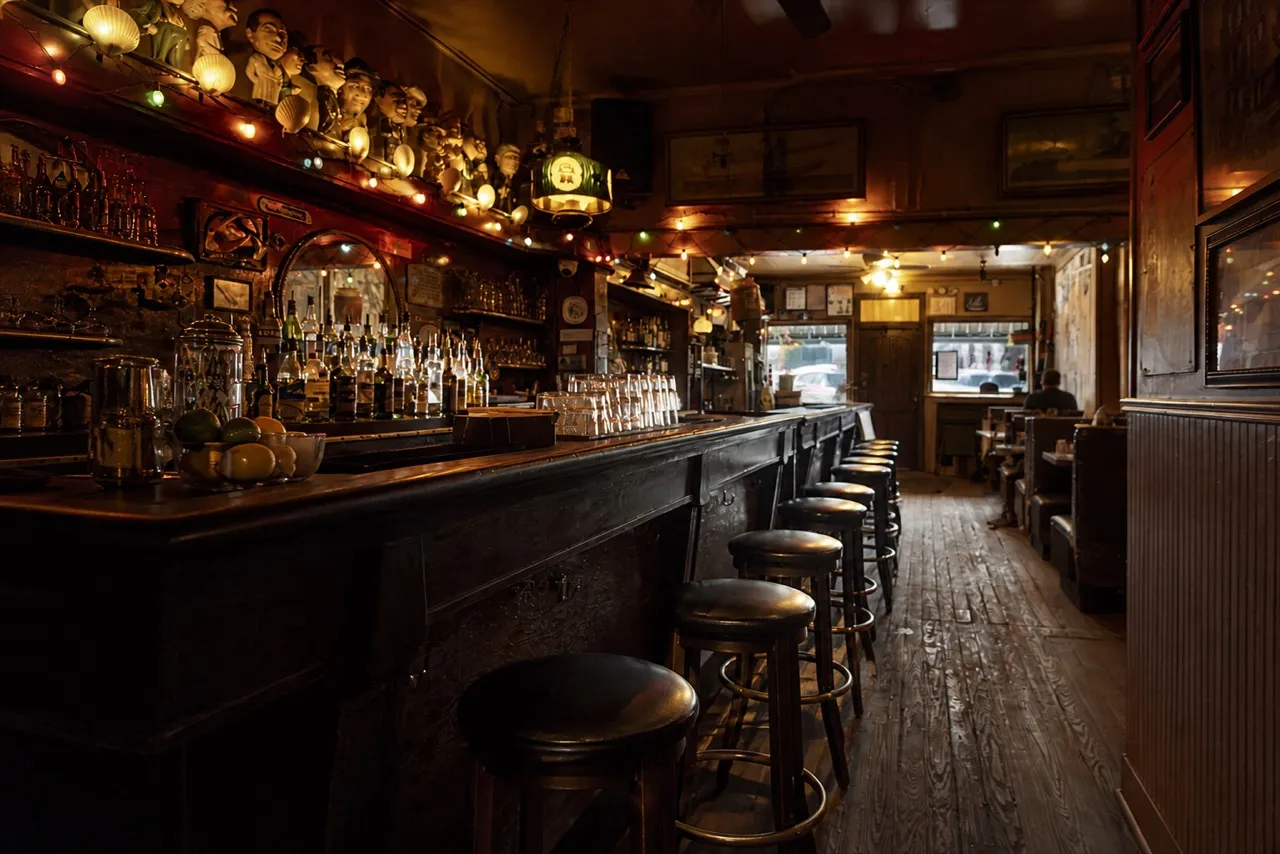
New York's listening-bar cluster runs from the East Village through Greenwich Village and out to Gowanus. The format sits between a restaurant and a record shop: music is central, but the room may still be organised around cocktails, dinner or evening service. These are not interchangeable stops, and they are not simply quieter versions of clubs or dive bars.
The useful distinction is programming. Hi-Note changes character according to the day and hour, Studio 151 builds its selection collaboratively, Tokyo Record Bar turns a seating into a shared playlist, and Public Records puts the sound system itself at the centre. A request makes sense only when the format allows one.
That makes advance planning unusually valuable. Someone determined to hear a record they own should think about Hi-Note on Monday. A group willing to choose from a house collection has a clearer fit at Tokyo Record Bar. Public Records serves a different purpose: going there means listening to what the Sound Room and its programming are designed to present.
Hi-Note changes with the calendar
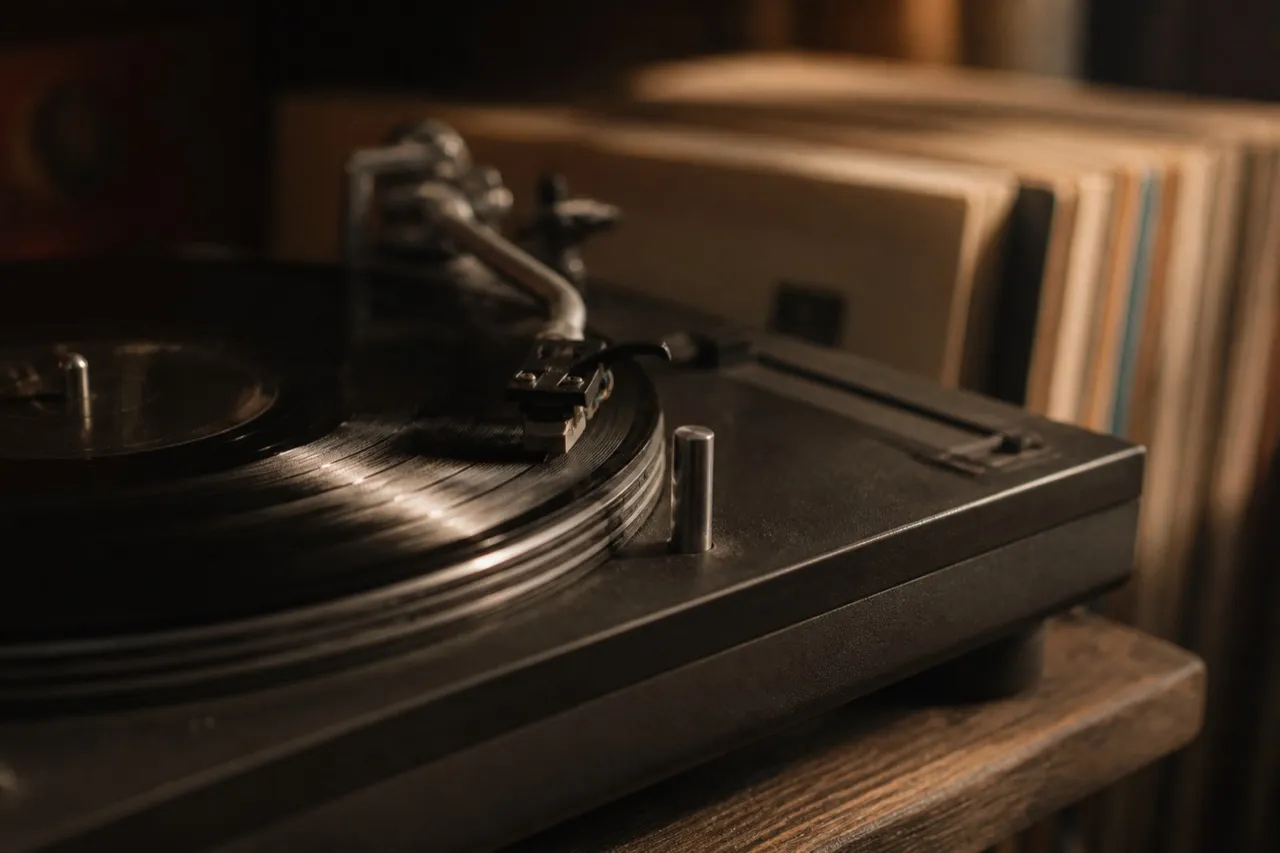
Hi-Note opened in the East Village in 2022 as a radio bar by day and a listening room by night. Community DJs broadcast during daytime hours from an in-house booth; in the evening, the focus moves to curated vinyl sets and cocktails. It is worth deciding whether the objective is to catch the broadcast side of the operation or settle in for the nighttime room.
Hi-Note runs an open-deck Monday: the East Village bar hands its DJ setup over and lets drinkers spin records they brought themselves, which is the one night your own request is guaranteed to get played. That is the direct answer for anyone carrying a particular album. On other nights, showing up with a record does not carry the same promise.
Hi-Note is a radio station as well as a bar - it launched its own programming with more than fifty shows broadcast from an in-house booth, and its weekend guest series runs under the name Hi-Note Invites. Monday therefore belongs to open decks, while weekends put invited selectors in charge. The same address supports two very different kinds of listening night.
Studio 151 makes selection communal
Studio 151 takes a collaborative route. The East Village vinyl room runs on a vinyl-jukebox idea, so the selection is built by the room rather than dictated from a single fixed programme. An izakaya-style menu accompanies the music during evening service, placing the experience closer to a shared meal with records than to an open-deck session.
Studio 151 is on the second floor of the Nublu Club rather than at street level, which is why people looking for it end up in the club downstairs by mistake. The practical move is to arrive looking for the upstairs room, not for a separate street-facing entrance with the Studio 151 name carrying the whole operation.
Its collaborative model does not mean bringing a personal record and expecting access to the equipment. That guaranteed opportunity belongs to Hi-Note's Monday format. Studio 151 is the better match when the appeal lies in hearing a room-wide selection develop over the evening, with food available and no single guest determining the full sequence.
Tokyo Record Bar ties one song to dinner
Tokyo Record Bar in Greenwich Village has been open since 2017 and was largely responsible for the current wave of Japanese-inspired listening rooms in New York. It operates through booked seatings rather than an open-ended bar visit, with a $65 prix-fixe menu fixing the shape and cost of the experience before the music starts.
At Tokyo Record Bar the $65 prix fixe includes a song: every guest at the seating chooses one record from the house collection, and the meal's playlist is assembled from the table's picks. Control is distributed evenly, but it is limited to what is in that collection. The result belongs to the whole seating rather than to one host or guest DJ.
This is the clearest choice for a group that wants participation without taking over the decks. It is also the stop that requires the firmest commitment: book a seating, expect the fixed menu, and arrive ready to make one selection. Anyone hoping for a particular artist should remember that the choice must come from the records in the room.
Public Records puts architecture first
Public Records in Gowanus shifts the night away from requests and toward playback quality. Its Sound Room was designed around a custom-built sound system, making the Brooklyn stop less about influencing the queue and more about hearing how a deliberately constructed room handles the programme.
Public Records built its Sound Room around a custom system, with high concrete ceilings and extensive wooden panelling doing the acoustic work - it is engineered listening, not background music. The Sound Room is an acoustic project first and a bar second; the room is the reason to cross the river, not the drinks list.
That distinction helps when choosing a final stop. Hi-Note offers the possibility of direct participation, Studio 151 shares selection across the room, and Tokyo Record Bar gives each diner one choice. Public Records asks for a different kind of attention. Go for the system, the room and the evening programme rather than for certainty about one requested song.
Build the night around the format
The East Village offers the most compact pairing because Hi-Note and Studio 151 are in the same neighbourhood, though their formats should determine the order. Hi-Note by day means radio programming; at night it means curated vinyl, except for Monday's open decks and the Hi-Note Invites guest series on weekends. Studio 151 is an evening destination reached through the Nublu Club building.
Greenwich Village makes sense when a booked meal is the anchor. Tokyo Record Bar supplies both the fixed timetable and the known $65 food cost, then folds each guest's choice into the seating. It is not a casual substitute when another bar is full because entry depends on booking.
Gowanus works best as a deliberate Brooklyn leg rather than an automatic continuation of the Manhattan cluster. If a first choice cannot accommodate the group, switch formats instead of chasing an identical room: try collaborative evening listening at Studio 151, check the current setup at Hi-Note, or make Public Records the destination when the Sound Room itself is the priority.
Practical notes
- Keep Hi-Note and Studio 151 together as an East Village pair; treat Greenwich Village and Gowanus as separate legs of the route.
- Bring a record to Hi-Note on open-deck Monday if hearing your own selection is essential; other nights follow curated or guest programming.
- Book Tokyo Record Bar by seating and budget $65 for the prix-fixe menu.
- Look upstairs for Studio 151 on the second floor of the Nublu Club; people searching at street level can end up downstairs.
- Check access arrangements before visiting Studio 151 if reaching a second-floor room may be an issue.
- Use Public Records as the Gowanus destination when sound quality matters more than requests or the drinks list.
- All four experiences are indoors, but confirm current programming and service before making a weather-dependent trip across boroughs.
Tags: #nyc #vinylbars #listeningbars #eastvillage #greenwichvillage #gowanus #hinote #studio151 #tokyorecordbar #publicrecords #vinyl #nightlife #cocktails #recordcollecting
Sources consulted: theinfatuation.com · nyunews.com · bernies.audio · roxyhotelnyc.com
Please drink responsibly. Must be of legal drinking age.
All trademarks are the property of their respective owners.
Ask Karpo first
Before heading out, ask Karpo which public-facing format fits the night: Hi-Note's daytime radio bar or evening listening room, Studio 151's evening service, a booked Tokyo Record Bar seating, or the Sound Room at Public Records. Karpo can check when to show up and build a live route around the East Village, Greenwich Village or Gowanus, with a practical switch when the first room is full.