 Roger Morris Park: Horror Wax Museum Weekend Walk
Weekend Plans
Where Can You Watch Jackie and Shadow Live in New York City This Weekend?
The Big Bear bald eagle nest is a webcam feed, not a NYC location—but you can still watch raptors hunt, recover, and nest close to home.
Jackie and Shadow are bald eagles nesting in Big Bear Valley, California, watched by thousands through a webcam maintained by Friends of Big Bear Valley. The search traffic spikes when Shadow, a younger male, joined Jackie at the nest after her longtime mate disappeared—people want to know if the birds are still there, still streaming, still raising chicks. You cannot visit that nest. It is on private land two thousand miles west, and the only access is digital.
Karpo checks which nature centers have live birds today, maps your subway route from Sunset Park, and texts you the last train home so you're not guessing on a Sunday night.
The search is for a webcam, not a place you can visit
But the impulse behind the search—watching raptors behave like raptors, not like zoo animals—has a few good answers in New York City. You will not see Jackie or Shadow in person. You can see bald eagles, red-tailed hawks, owls, and falcons that live here or are recovering here, some in naturalistic enclosures, some flying free over tidal marsh. The weekend plan is to pick one or two places where the birds are actually present, the staff can tell you what is happening that day, and you can leave without feeling like you wasted the trip.
Inwood Hill Park for wild red-tails and open marsh
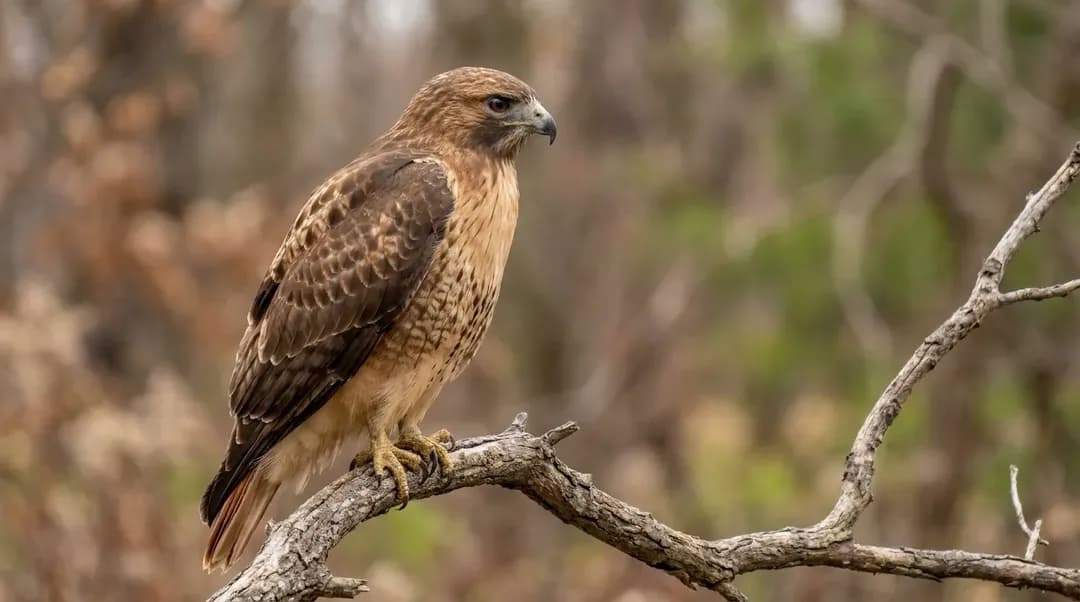
Inwood Hill Park, at the northern tip of Manhattan, has nesting red-tailed hawks every spring and a salt marsh along the Spuyten Duyvil that draws herons, egrets, and seasonal raptors. The hawks nest near the ballfields on the west side of the park; if you walk the dirt trails above the Henry Hudson Parkway in late morning, you will often see one or both adults circling or perched on a low branch. They are habituated to people but not tame. Bring binoculars if you have them. The park is large enough that you can walk for an hour without retracing your steps, and the overlook above the marsh gives you a clear sightline south and west.
From Sunset Park, take the R to 59th Street, transfer to the A uptown, and ride to 207th Street. Walk west on 207th, then north on Seaman Avenue into the park. The trip is about an hour each way. The transfer at 59th is underground but well-signed; the A runs express above 59th on weekends, so the ride is faster than the local count suggests. The park itself has no admission cost, no gate, and no hours, but the marsh trails can be muddy after rain and the hawk activity drops off after mid-afternoon when the light flattens out.
The Raptor Trust-style care at the Queens County Farm Museum
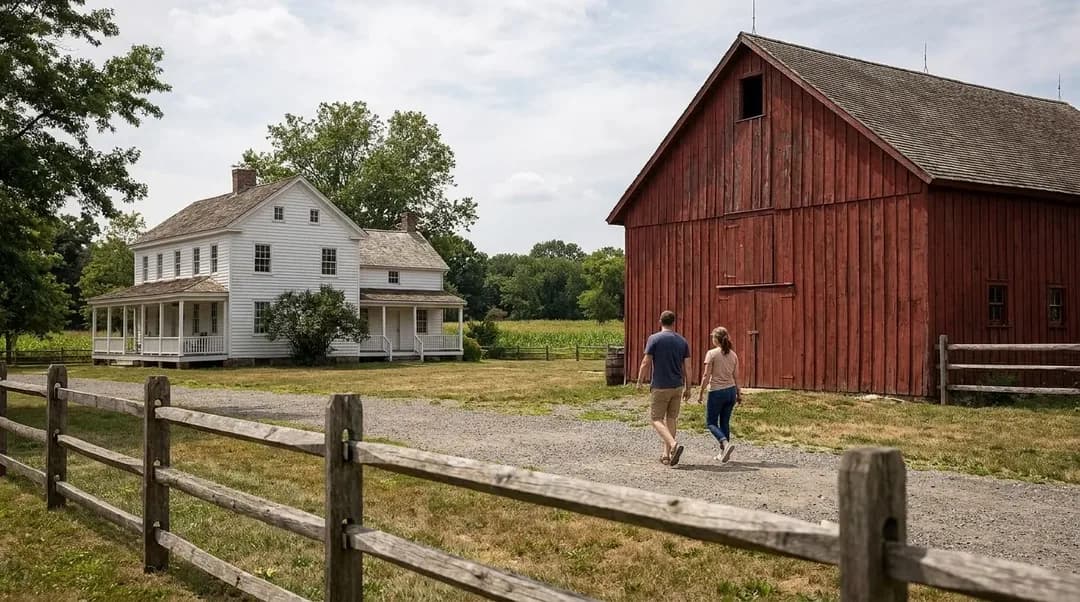
Queens County Farm Museum in Floral Park keeps a small raptor enclosure with resident birds—typically a red-tailed hawk, a kestrel, and a screech owl—that cannot be released due to injury. The enclosures are outdoors, naturalistic, and the birds are visible during daylight hours when the farm is open. The setting is quieter than a zoo and the staff, when present, will explain each bird's history. You are not watching a webcam feed; you are standing fifteen feet from a hawk that would be hunting this same field if its wing had healed differently. The farm also has livestock, heritage crops, and a farmhouse you can tour on weekends, so the visit stretches to two or three hours if you want it to.
From Sunset Park, take the R to Union Square, transfer to the Q46 bus at 14th Street (eastbound on 14th, then north on Third Avenue), or take the LIRR from Atlantic Terminal to Little Neck and walk south. The LRR is faster but costs more; the subway-and-bus route is cheaper and takes about ninety minutes. Check the farm's posted hours before you leave—it closes some weekdays and opens late some weekends depending on volunteer staffing. There is no admission fee, but they ask for a donation. The raptor enclosure is near the barn, to the right as you enter from the parking lot.
Lunch or coffee that does not require a second subway leg
If you go to Inwood, eat before you leave or bring food. There is a small commercial stretch on Dyckman Street two blocks east of the subway, with a Dominican bakery, a diner, and a taqueria, but the park itself has no concessions and the walk back to Dyckman adds twenty minutes. If you go to Queens County Farm, the nearest sit-down food is on Union Turnpike or Little Neck Parkway—both a fifteen-minute walk. The farm has a greenmarket some weekends in summer and fall where you can buy fruit and bread, but it is not weekly and not guaranteed.
A better rhythm is to plan the outing as a morning or early-afternoon anchor, then eat on your way back through a neighborhood you are already passing. If you are coming back from Inwood on the A, get off at 125th and walk east to Lenox for Senegalese or soul food. If you are coming back from Queens, get off the Q46 at Flushing and walk to Main Street for dumplings or hand-pulled noodles. Both stops add thirty to forty minutes to your return but give you a meal that justifies the subway time.
When to leave so you are not racing the last train
Raptors are most active in the first half of the day. If you want to see the red-tails hunting or the farm birds alert and moving, aim to arrive by 10 or 11 a.m. That means leaving Sunset Park by 9 or 9:30. The return trip from Inwood or Queens will take as long as the outbound, and weekend subway service after 9 p.m. slows down—the A runs local late at night, and the R can have long gaps. If you leave Inwood by 4 p.m., you are back in Sunset Park by 5:30 or 6, which leaves the evening open. If you stay for food in Harlem or Flushing, budget another hour and expect to be home by 7 or 8.
The Q46 bus stops running before midnight, so if you take the bus-heavy route to Queens, do not plan a late dinner unless you are willing to take an Uber or ride the LIRR back to Atlantic. The LIRR runs later but not all night, and the weekend schedule has gaps. Check the MTA website or the LIRR app for the last train from Little Neck to Atlantic Terminal before you go.
Confirming the birds are actually there before you ride an hour
The red-tailed hawks in Inwood are wild and free-flying. They have nested in the same area for several years, but they are not guaranteed to be visible on any given morning, especially in winter when they range farther for food. If you want to confirm recent sightings, check the New York City Audubon sightings page or the eBird feed for Inwood Hill Park the day before. Both are free and updated by birders who log what they see. If no one has reported the hawks in the past week, they may have moved temporarily or be spending more time over the river.
The farm birds are resident and enclosed, so they are always present during open hours, but the farm itself is not always open. Call ahead or check the Queens County Farm Museum website for weekend hours, especially in winter and early spring when volunteer schedules shift. If the farm is closed, the raptor enclosure is not accessible. The Ojai Raptor Center, which has been mentioned in some Jackie and Shadow search threads because it is a California raptor rehab facility, is in Ventura County—there is no New York branch, and no NYC connection beyond the shared interest in birds of prey.
Practical notes
- Inwood and Queens are both hour-plus subway trips from Sunset Park; plan a half-day minimum.
- Bring binoculars for Inwood if you have them; the hawks are often high or distant.
- Check MTA weekend service advisories before you leave—the A and R both have frequent weekend work.
- Queens County Farm has no admission fee but requests a donation; the farm is cash-friendly.
- The marsh trails in Inwood can be slippery after rain; wear shoes with grip.
- Confirm the farm's weekend hours the day before—staffing is volunteer-dependent and hours change seasonally.
Tags: #karpo #nyc #newyorkcity #sunsetpark #weekendplans #jackie #shadow #baldeagle #raptors #birdwatching #inwoodhillpark #queenscountyfarm #nycnature #nycsubway #nycweekend
Sources consulted: Friends of Big Bear Valley · NYC Audubon · Queens County Farm Museum · MTA Weekend Service
All trademarks are the property of their respective owners.
Ask Karpo first
Text Karpo the morning you plan to go and ask which raptor location is open today, whether the Q46 is running on schedule, and what time you need to leave each site to make your connection home. Karpo will check live transit and send you a timed route so you are not guessing on subway transfers or last-train windows.
Ask Karpo for more information.
Keep reading
- Roger Morris Park: Horror Wax Museum Weekend Walk
 Blood Manor: Horror Wax Museum Friday Night Guide
 Madame Tussauds Horror Wax Museum: Friday Times Square Guide