 Chelsea Piano Bar Night Picker for a Gallery Night Birthday
Bars & Nights Out
Historic Irish Pub Near Me in East Village: McSorley's Old Ale House
Experience historic dark ale, sawdust floors, and sharp cheddar at McSorley's Old Ale House in the East Village.
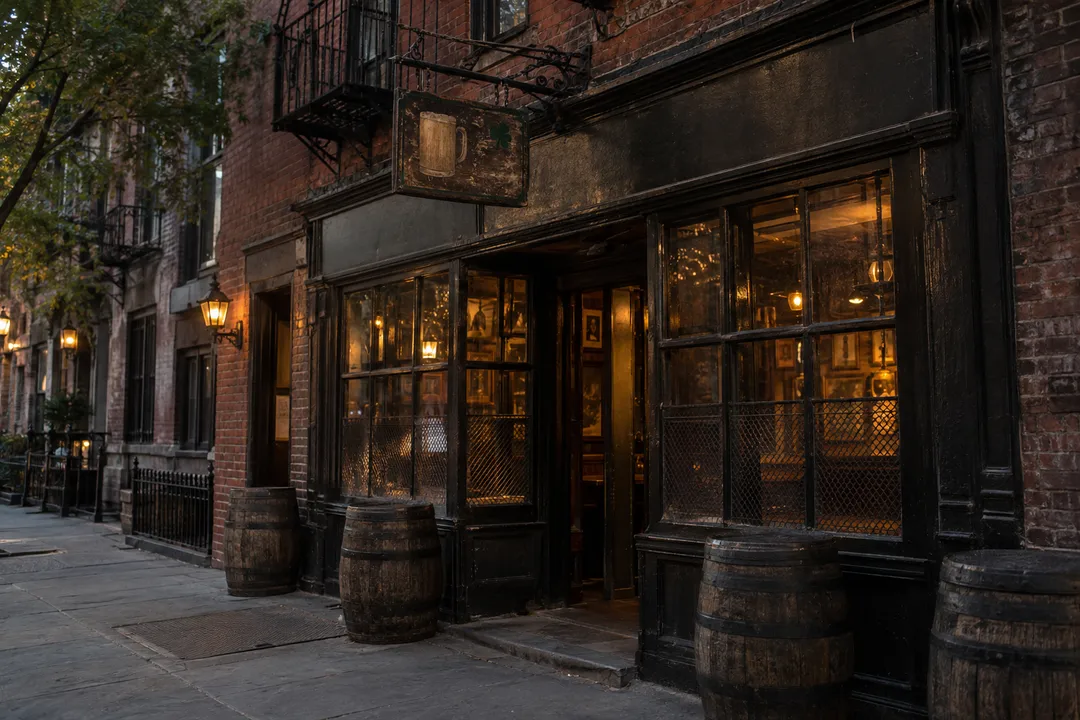
When twilight settles over the East Village and you start looking for an authentic irish pub near me, McSorley's Old Ale House stands apart as an unmatched piece of living Manhattan history. Anchored at 15 East 7th Street between Third Avenue and Taras Shevchenko Place, this legendary ale house has welcomed thirsty locals and curious wanderers through its swinging saloon doors since 1854. Stepping across the threshold feels like crossing an immediate chronological divide, where the relentless rush of modern New York City dissolves into sawdust, coal warmth, and amber glassware.
Reaching McSorley's Old Ale House is remarkably straightforward whether arriving by subway or walking from Lower Manhattan. The tavern sits two short blocks east of the Astor Place station served by the 6 train, while the 8th Street-NYU station handling the R and W lines lies just three avenues west. Visitors strolling north from the Lower East Side along Second Avenue can easily turn west onto East 7th Street, spotting the modest golden-lettered wooden sign and twin emerald-framed windows from afar.
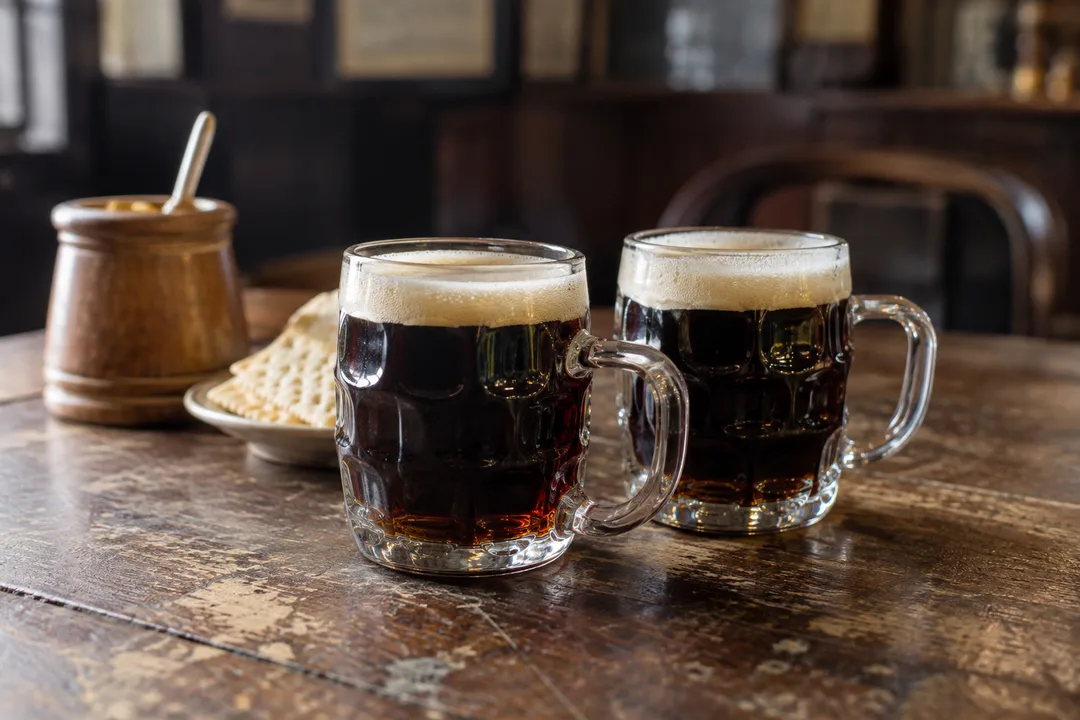
What immediately distinguishes McSorley's from any conventional neighborhood drinking establishment is its steadfast rejection of contemporary bar trends and commercial distractions. There are no blaring television screens displaying sports broadcasts, no vibrating electronic tap handles, and no neon cocktail boards illuminating the room. Instead, the tavern maintains its historic tradition of serving exclusively two house-brewed libations: McSorley's Light Ale and McSorley's Dark Ale, dispensed strictly in pairs.
The interior aesthetic reflects more than one hundred and seventy years of continuous operation without substantial cosmetic alteration. Fine wooden tables bear decades of hand-carved initials, while the original cast-iron potbelly stove still radiates gentle heat during crisp autumn afternoons. Fresh pine sawdust is scattered across the wooden floorboards every morning, absorbing spills and releasing an unmistakable dry evergreen aroma that mingles with historic malt scents and lingering pipe tobacco memories.
Every square foot of plaster wall displays historical memorabilia spanning three different centuries of New York civic life. Original framed black-and-white portraits of Abraham Lincoln, Theodore Roosevelt, and John Sloan hang beside historic newspaper front pages recording national milestones. Above the central mahogany bar, dusty wishbones hung by neighborhood soldiers departing for World War I remain untouched in their solemn resting place, honoring those brave local regulars who never returned home from foreign trenches.
Ordering your drinks here follows a ritual that has remained entirely unchanged through generations of dedicated barkeeps. The standard pour comes as two identical small glass steins for nine dollars, whether you request the crisp, golden Light Ale or the roasty, mahogany-tinted Dark Ale. The bartenders deftly scoop four or six glasses at once in each hand, slamming the foaming mugs onto well-seasoned wooden counters with a practiced percussive cadence that defines the room's energetic soundtrack.
While beer constitutes the primary focus, the modest food offerings deliver unpretentious, hearty tavern fuel that complements the house brews. The legendary cheese plate arrives for ten dollars featuring thick slices of sharp cheddar, fiery raw white Bermuda onions, and saltine crackers, accompanied by an assertive crock of house-made hot brown mustard. Guests also frequently order the steaming corned beef sandwich on rye bread or the grilled liverwurst platter, both priced affordably around eleven dollars.
Navigating seating requires an open mind and a welcoming neighborhood disposition, as private tables simply do not exist during busy periods. Patrons willingly share communal wooden benches and circular tables with complete strangers, sparking spontaneous conversations between Cooper Union architecture students, neighborhood retirees, and international travelers. The resulting communal camaraderie forms an increasingly rare antidote to modern urban detachment, encouraging lively debates and shared toasts beneath amber chandelier lamps.
Timing your arrival plays an essential role in dictating the quality and tranquility of your overall tavern experience. Weekday afternoons between one and four o'clock offer the quietest hours to admire the archival photography, secure a corner booth, and chat with senior bartenders about local folklore. Conversely, Friday and Saturday evenings draw dense crowds of enthusiastic college crowds and weekend visitors, generating energetic lines that often stretch halfway down the East 7th Street sidewalk.
Regarding table reservations, McSorley's adheres strictly to a first-come, first-served seating policy with zero advance bookings permitted. If you encounter a line outside on weekend nights, entry typically moves smoothly within twenty to thirty minutes under the watchful eye of the cordial door staff. Those seeking a relaxed sit-down meal should arrive promptly around noon opening time on Saturday or Sunday, allowing ample leisure to savor lunch before peak neighborhood bar crawls begin.
The tavern's storied past features a captivating roster of cultural luminaries and literary icons who claimed these wooden stools as second homes. Poet E. E. Cummings frequently immortalized the saloon in his verse, while New Yorker essayist Joseph Mitchell chronicled its peculiar characters in his celebrated volume 'McSorley's Wonderful Saloon'. Visual artist John Sloan painted the interior's rich amber hues across numerous canvases, capturing the timeless spirit of working-class camaraderie that continues to flourish here today.
After finishing your ales, East 7th Street and the neighboring blocks offer wonderful cultural and culinary detours worth exploring. Right across the street sits McSorley's Ale House merchandise shop, while historic St. Mark's Church in-the-Bowery rests three blocks north. Wander westward past Cooper Union's modern academic buildings toward Tompkins Square Park, or stop for traditional Ukrainian borscht and pierogis at the historic Veselka diner on the corner of Second Avenue and East 9th Street.
A few practical notes will ensure your visit unfolds seamlessly without awkward misunderstandings at the counter. McSorley's remains strictly a cash-only establishment, though a private automated teller machine sits conveniently tucked near the back restrooms. There is no formal dress code, making casual jackets and denim perfectly suitable for all hours. The historic doorway features a slight stone step, while street parking along East 7th Street proves extremely difficult, making public transit your best commuting option.
Ultimately, McSorley's Old Ale House stands as the definitive archetype of an authentic Irish pub in the heart of New York City. It caters beautifully to history enthusiasts, solo travelers seeking friendly conversation, and longtime city residents looking to reconnect with Manhattan's resilient tavern traditions. As you step back outside into the bustling East Village night, the lingering taste of dark malt and sharp cheddar confirms that certain classic institutions remain truly irreplaceable.
Ask Karpo for more information.
Keep reading
- Chelsea Piano Bar Night Picker for a Gallery Night Birthday
 Upper East Side Piano Bar Night Picker After the Museums
 Midtown Piano Bar Night Picker for an Anniversary Date