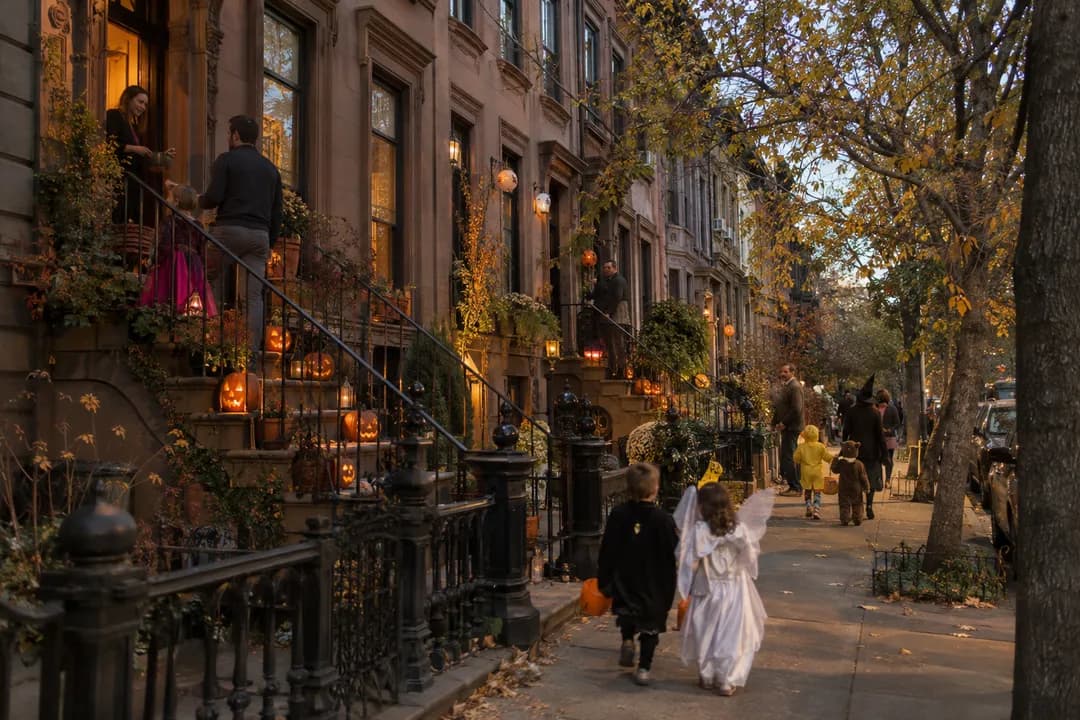
 Best Trick or Treating Neighborhoods Near Me: Park Slope
Neighborhood Guides
Inwood Hill Park to the Cloisters: Where Manhattan Ends and the Forest Begins
At Manhattan's northern tip, old-growth tulip trees meet the last wild shoreline. Walk south through forest to medieval tapestries, then ride the 1 train forty minutes back to the city you forgot you were still in.
The forest that predates everything
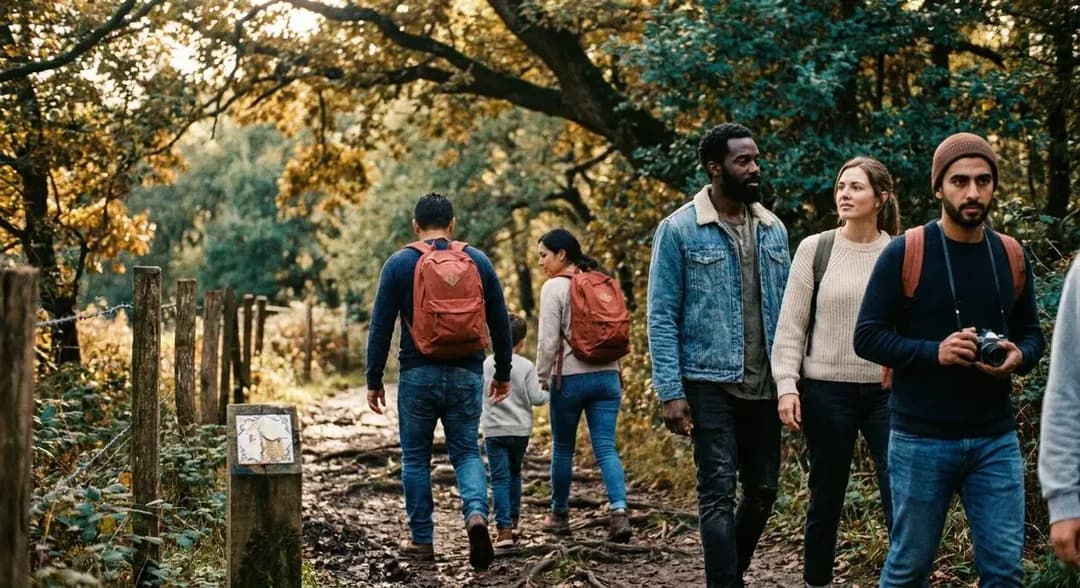
You take the A train to its northern terminus at Inwood–207th Street, the last stop before the Bronx, and climb out into a neighborhood that doesn't match your mental map of Manhattan. Inwood feels residential in a way that suggests the island simply ran out of ambition up here. Walk west on 207th toward the park entrance, past the bodega where someone behind the counter will sell you a coffee and gesture toward the trails without being asked. The regulars know why people come here.
Inwood Hill Park contains the last natural forest in Manhattan—not replanted, not designed, just left alone. The trees predate European contact. When you enter from the Payson Avenue gate, the trail markers are faded and irregular, maintained by volunteers rather than the Parks Department's usual efficiency. Take the blue trail that curves left. Within a few minutes, the traffic noise drops away and you're walking on packed earth between trees that were here when this was Lenape hunting ground.
The salt marsh and the shoreline no one photographs
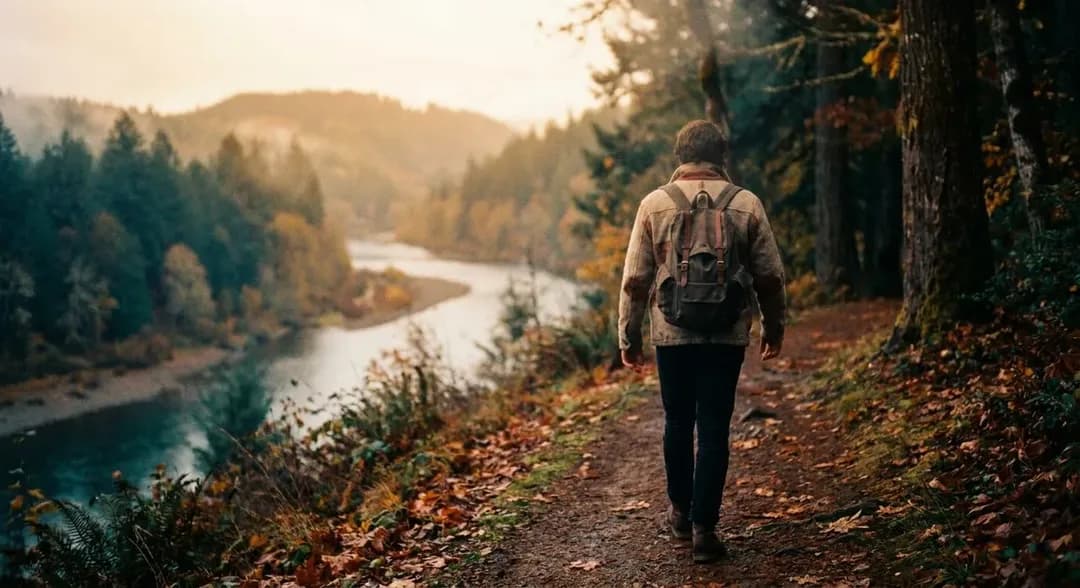
The trail descends toward the Spuyten Duyvil Creek, where Manhattan's bedrock finally meets tidal water without concrete intervention. This is part of the last natural salt marsh on the island—mud flats, marsh grass, the occasional heron. At low tide, you can see where the Harlem River and Hudson River meet, the currents creating standing waves that kayakers avoid.
There's a bench at one of the overlook points, where someone has carved old initials into the wood. Sit there in the morning and you'll watch the Metro-North trains cross the Spuyten Duyvil Bridge, that rotating span that looks like industrial sculpture. The joggers who pass you here run without headphones—they come for the quiet. In winter, when the leaves are down, you can see clear across to the Palisades in New Jersey, the cliff face catching the low sun.
The cave that holds every local legend
Continue south on the trail and you'll reach a rock shelter that locals have named, though archaeologists prefer more technical terms. This is supposedly where Peter Minuit conducted his famous purchase of Manhattan, a story that's almost certainly false but persists because the location feels appropriately ceremonial. The overhang is deep enough to stand under, the rock face blackened by decades of unauthorized campfires.
Teenagers come here after dark, leaving behind beer cans and graffiti that the Parks Department clears periodically. But during daylight hours, especially weekday mornings, you might have it to yourself. The rock stays cool even in summer. People leave offerings sometimes—coins, flowers, the occasional handwritten note. It's unclear what tradition they're following, but the impulse to mark sacred space persists regardless of historical accuracy.
The walk south through geological time
The trail from Inwood Hill to Fort Tryon Park follows the ridge line, staying high above the Hudson. This section is poorly marked—you want the path that parallels the Henry Hudson Parkway but stays in the trees. The forest here is secondary growth, younger than Inwood's old trees but still dense enough to feel separate from the city. In spring, the understory fills with wildflowers.
You'll pass dog walkers who know every root and turn. They'll nod but won't stop to chat—this is their daily loop, and they're protective of its quiet. The path emerges briefly at Dyckman Street, where you cross and re-enter the forest at Fort Tryon Park. The transition is abrupt: suddenly the trails are paved, the landscaping deliberate. You've moved from wilderness to careful design, from accident to intention.
The Cloisters as destination and contradiction
Fort Tryon Park rises in terraced gardens toward the Cloisters, which sits at the highest point like a medieval monastery that somehow migrated across the Atlantic. The building incorporates actual cloisters from European abbeys, reassembled here in the 1930s by Rockefeller money and curatorial ambition. The effect is disorienting—authentic architectural elements in an invented arrangement, medieval Europe reconstructed in upper Manhattan.
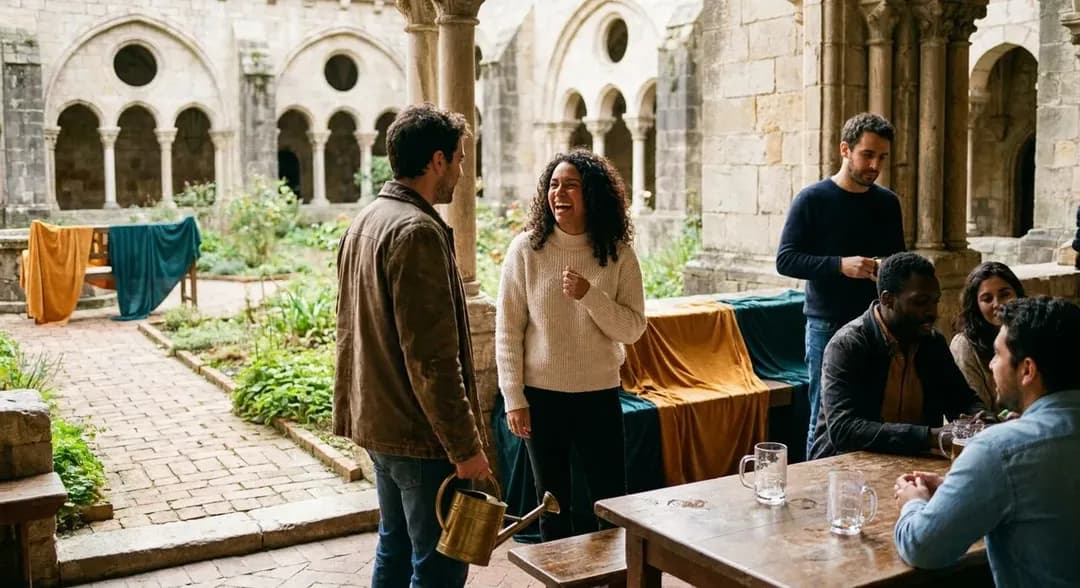
Enter through the main doors and you're in one of the cloisters, where the limestone columns came from a medieval monastery. The garden in the center grows plants mentioned in medieval texts—sage, rosemary, lady's mantle. In the room housing the Unicorn Tapestries, the light is kept deliberately low to preserve the centuries-old threads. Stand close to the tapestries and you can see individual silk threads still holding their dye.
The museum is small enough to see in ninety minutes, but most visitors stay half a day, moving slowly between the Treasury and the Gothic Chapel. The cafe serves wine, which feels appropriate given the setting. Sit in one of the cloister gardens on a Tuesday morning and you might be the only person there, surrounded by medieval stonework and contemporary silence.
The train returns you to the century
Exit the Cloisters through the lower gate and walk down Margaret Corbin Drive to a nearby subway station. The downtown train arrives regularly during midday hours. Take a seat on the left side for views of Riverside Park as you descend the length of Manhattan.
The ride downtown takes under an hour, long enough to finish a book chapter or watch the city reassemble itself through the windows. You'll pass stations carved into bedrock and stretches where the train emerges into daylight above Broadway. By the time you reach midtown, you're back in the Manhattan of collective imagination—dense, vertical, insistent. The forest and the medieval tapestries feel like something you invented, except your boots are still muddy and you can smell the leaf litter on your jacket.
Practical notes
Inwood Hill Park entrance: Payson Avenue and 207th Street (A train to Inwood–207th Street). The Met Cloisters: 99 Margaret Corbin Drive, Fort Tryon Park. The walk from Inwood Hill Park to the Cloisters through Fort Tryon Park takes 45-60 minutes depending on your pace and stops. Trails can be muddy after rain—wear appropriate footwear. No food allowed in the park's natural areas; pack out what you bring in. Cell service is spotty in the densest forest sections of Inwood Hill. Best visited on weekday mornings for solitude, though weekends bring a different energy of families and hikers.
Tags: #InwoodHillPark #TheCloisters #FortTryonPark #ManhattanHiking #OldGrowthForest #MedievalArt #UnicornTapestries #NaturalShoreline #UpperManhattan #HiddenTrails #MuseumWalk #NYCParks #ManhattanNorth #1Train #TheLongWayHome
Sources consulted: nycgovparks.org · metmuseum.org
All trademarks are the property of their respective owners.
Ask Karpo for more information.
Keep reading
- Best Trick or Treating Neighborhoods Near Me: Park Slope
 Best Trick or Treating Neighborhoods Near Me: Carroll Gardens
 Best Trick or Treating Neighborhoods Near Me: West Village