 Lower East Side Axe Throwing Group Night Picker: Bride Crew
Sports Social
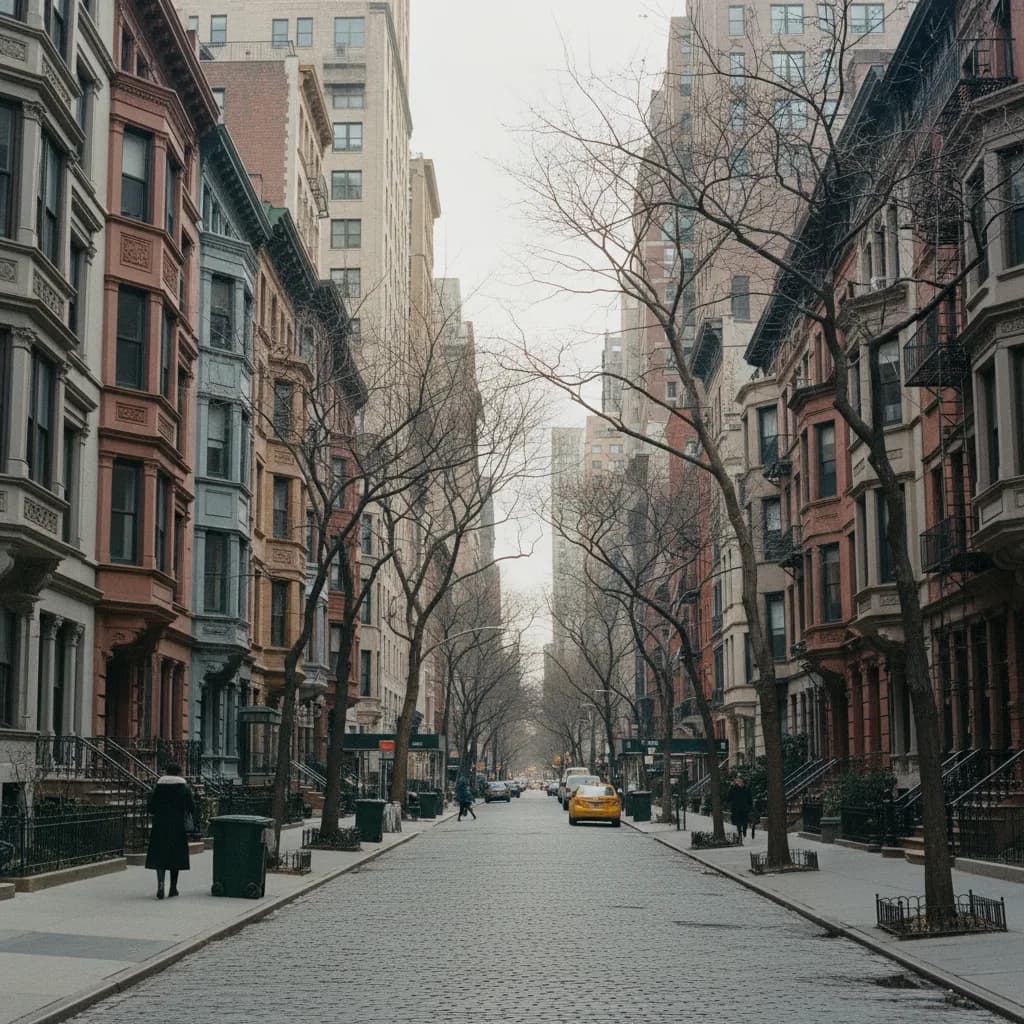
Upper West Side Indoor Ice Skating Finder: Manhattan Rinks
Check indoor ice skating sessions from Upper West Side avenues with public rink timetables, downtown subway paths, and warm cafe stops in Karpo APP.
Crisp winter breezes sweeping down Broadway and through the leafy cross streets of the Upper West Side naturally bring thoughts of winter sports and frozen ponds. While Central Park offers scenic outdoor rinks, neighborhood skaters who prefer smooth, weather-independent ice throughout the season rely on an indoor ice skating finder to locate enclosed public skating sessions across the borough. An indoor facility shields skaters from gusty winds and sudden sleet, providing a pristine refrigerated sheet where skaters can practice strides in complete comfort without having to navigate slushy outdoor weather or unpredictable freezing rain. Taking advantage of enclosed ice rinks allows local skaters to enjoy consistent winter recreation regardless of coastal storms.
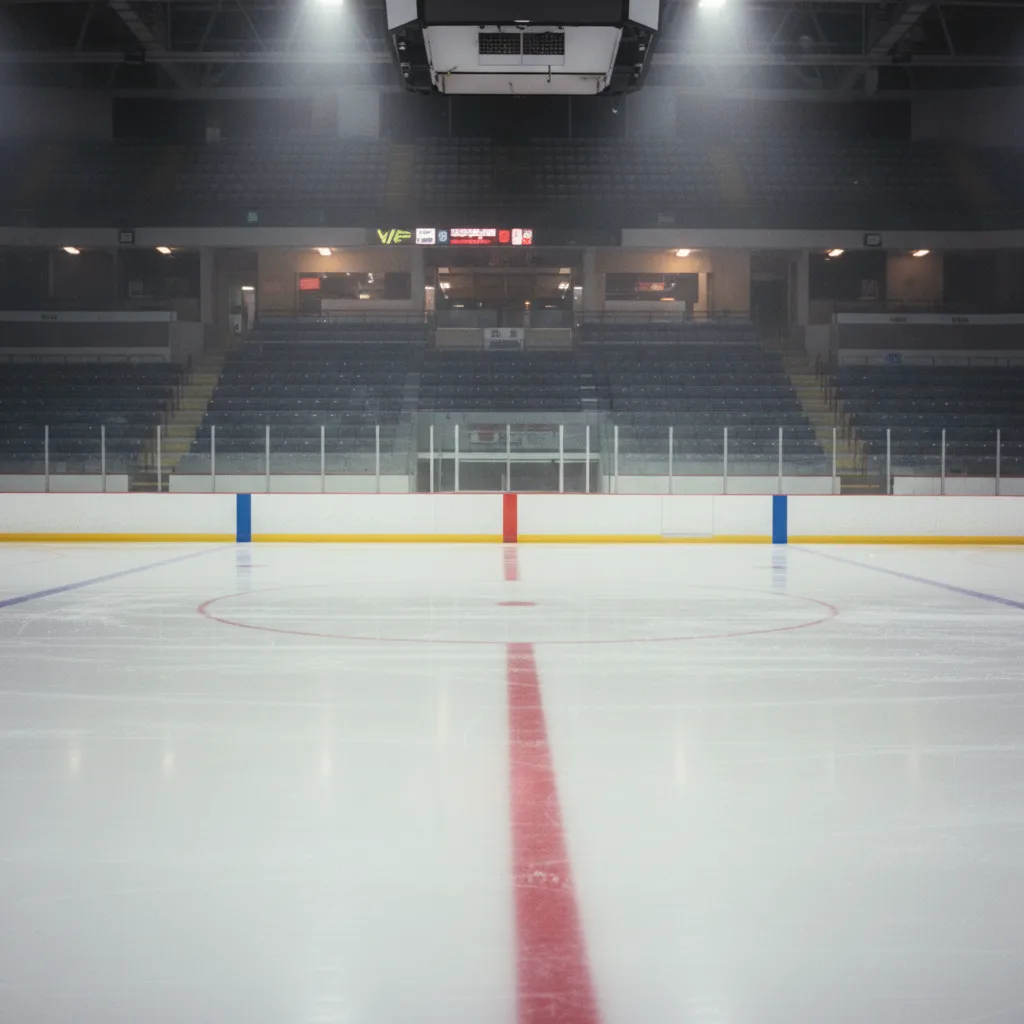
Accessing Manhattan and Regional Indoor Rinks
Upper West Side residents enjoy excellent subway connectivity to premier indoor ice sheets across Manhattan. Sky Rink at Chelsea Piers is quickly reachable by taking the downtown One, Two, or Three train to Twenty-Third Street, followed by a short cross-town walk or bus ride. Further uptown, Riverbank State Park at One Hundred Forty-Fifth Street features a covered outdoor rink protected from winter precipitation, easily accessed via the One train line, providing diverse options for neighborhood skaters seeking dependable ice time throughout the season. Having dependable transit access makes spontaneous evening skating excursions completely feasible without extensive advance planning.
Understanding Public Skating Session Schedules
Enclosed metropolitan ice facilities allocate limited hours to general public skating, balancing ice time against youth hockey clinics, adult leagues, and private coaching. Public sessions usually last between sixty and ninety minutes. Weekday lunchtime sessions between twelve and two o'clock offer the quietest ice, while weekend sessions draw bustling community crowds. Reviewing session times online in advance prevents arriving during private league games or youth tournaments, allowing you to plan your transit smoothly. Knowing the exact schedule distinctions between instructional figure skating blocks and general admission saves valuable time.
Choosing Between Rental Figure and Hockey Skates
Rental desks stock both figure skates with front toe picks and hockey skates featuring curved blades. Figure skates provide stiffer leather collars that stabilize the ankle, making them ideal for beginners mastering balance. Hockey skates allow greater forward flex and responsive turning for casual cruisers. Sizing down half a size from your street shoe ensures a snug fit that prevents rubbing and blisters throughout your session, keeping your feet comfortable. Taking time to lace each eyelet with even tension prevents cramping across the arches of your feet as you glide.
Dressing for Enclosed Rink Temperatures
Indoor ice arenas maintain temperatures in the upper forties to preserve ice quality, requiring smart layering. Avoid bulky down parkas that cause overheating once you start skating. Instead, wear a moisture-wicking base layer topped with a breathable fleece pullover and light athletic jacket. Pair stretchy athletic pants with mid-weight wool socks, and wear thin knit gloves to protect hands against cold air and accidental scrapes on the hard ice. Packing an extra fleece layer in your backpack gives you versatile options if the arena ventilation feels particularly drafty.
Traffic Flow and Courteous Rink Conduct
Safe public skating relies on predictable traffic flow. Skaters move counter-clockwise around the rink perimeter, leaving the outside lane for confident skaters and the inside lane for slower beginners. The center circle is traditionally reserved for skaters practicing spins and balance drills. Always check behind you before stepping onto the ice, and exit promptly when the Zamboni horn signals the end of the session to allow resurfacing crews to work efficiently. Maintaining continuous forward momentum while keeping your head upright helps you anticipate the movement of other skaters around the rink.
Smart Timing to Avoid Weekend Crowds
Saturday and Sunday afternoon sessions from one to four o'clock are typically the busiest times of the week, drawing youth groups and recreational family outings. Skaters seeking open ice to practice crossovers should aim for early afternoon weekday slots or evening public skates after seven o'clock. Most indoor facilities require advance booking online, so reserving passes early ensures guaranteed admission during cold snaps and holiday breaks. Arriving fifteen minutes before the scheduled ice cut allows you to lace up unhurriedly and step on the ice the moment the doors open.
Upper West Side Cafe Fueling Before Skating
Before boarding the subway downtown toward the rink, stop by a neighborhood cafe along Columbus Avenue or Amsterdam Avenue for warm sustenance. Enjoy a hot pour-over coffee paired with a freshly baked scone or toasted bagel. A balanced serving of warm carbohydrates and caffeine primes your muscles for an energetic hour on the ice, warding off early fatigue while keeping your legs responsive and light. Savoring warm drinks before your session warms your core temperature, making the brisk arena climate feel refreshing rather than biting.
Post-Skate Bakery Stops and Neighborhood Wind Downs
After unlacing your skates, take the subway back to the Upper West Side for a cozy neighborhood wind-down. Settle into a warm bakery along Columbus Avenue for rich hot chocolate, spiced apple tea, or fresh cinnamon rolls. Sharing skating highlights in a welcoming neighborhood cafe provides the perfect finish to an invigorating winter outing with friends or family, allowing tired muscles to relax in warm surroundings. Reflecting on smooth strides while enjoying neighborhood hospitality provides a delightful contrast to the frosty indoor ice.
Engaging Backup Winter Options on the West Side
If an arena session is canceled due to high school hockey tournaments, pivot to the Upper West Side's rich cultural institutions. Spend the afternoon exploring planetarium exhibits, browsing independent bookshops along Broadway, or taking a peaceful winter walk through the American Museum of Natural History gardens. Having a flexible backup plan keeps your afternoon enjoyable and educational regardless of changes on the ice sheet. Embracing spontaneous urban exploration ensures your cold-weather outings remain rewarding even when arena timetables shift unexpectedly.
Using Karpo APP for Real Time Rink Planning
Coordinating public skating outings across Manhattan is simple with Karpo APP. The mobile finder tracks public session windows, calculates transit routes from Upper West Side subway stations, and highlights top-rated cafes for post-skate relaxation. With reliable schedule insights at your fingertips, planning your winter ice sessions is completely effortless from start to finish, keeping travel simple and organized. Having accurate schedule notifications and route suggestions directly on your device turns complex city outings into effortless adventures.
Blade Maintenance and Personal Skate Storage
For skaters who bring their own blades, taking proper care of your gear ensures consistent performance. Applying hard plastic guards only when walking across rubber mats prevents chipping on concrete surfaces. Once off the ice, dry the steel runners thoroughly with a microfiber cloth and switch to absorbent terrycloth soakers to prevent rust formation during transit across city transit lines. Maintaining clean and rust-free blade edges ensures that every stride delivers maximum grip and effortless glide across the ice surface.
Practical Indoor Ice Skating Planning Notes
Public skating admission across Manhattan typically ranges from sixteen to twenty-five dollars, with skate rentals costing between eight and twelve dollars. Day lockers are available at most arenas, so bringing your own padlock saves rental charges. Pack a spare pair of warm socks for after your session, and review subway schedules online before departure to ensure smooth connections back to Columbus Avenue. Planning your travel and packing carefully guarantees a comfortable round-trip adventure from the Upper West Side to the arena.
Ask Karpo for more information.
Keep reading
- Lower East Side Axe Throwing Group Night Picker: Bride Crew
 West Village Axe Throwing Group Night Picker: Quiz Rivals
 Carroll Gardens Axe Throwing Group Night Picker: Parents Off