 Tribeca Bowling Group Night Planner for Wedding Guests
Sports Social
SoHo Indoor Climbing Wall Finder: Daily Wall Routes Guide
Locate premier vertical terrain using this indoor climbing wall finder in SoHo. Plan neighborhood bouldering routes and rest stops on the Karpo APP.
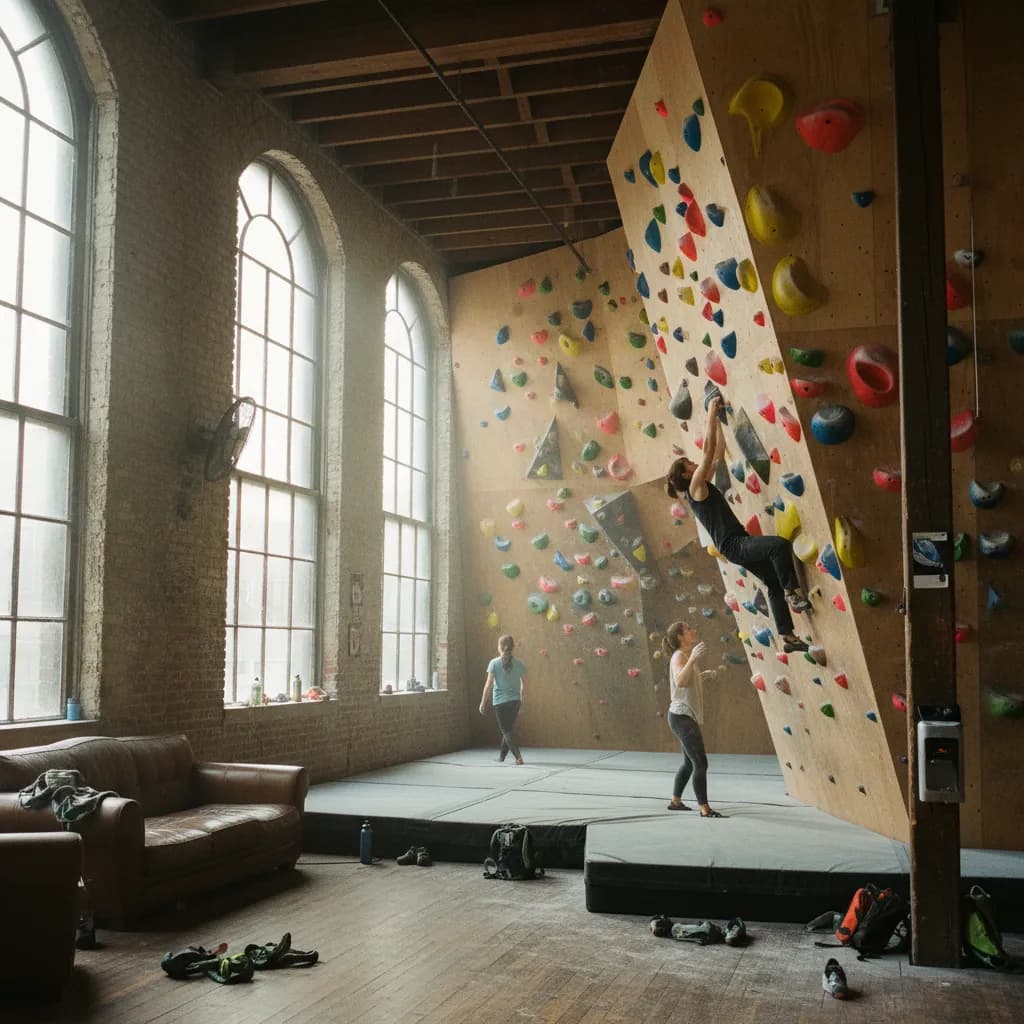
Vertical athletics throughout Lower Manhattan find an extraordinary architectural expression within the landmark cast-iron district. SoHo's historic nineteenth-century textile warehouses, characterized by fluted iron columns and timber beams, provide expansive ceiling volumes for boutique climbing spaces. Utilizing an indoor climbing wall finder in SoHo allows urban athletes to identify discreet training facilities hidden behind grand decorative facades.
Cast-Iron Loft Architecture as Modern Climbing Sanctuaries
Stepping inside a local climbing facility reveals towering fifteen-foot bouldering monoliths framed by exposed brick walls. Routesetters make ingenious use of wide structural spans, building vertical faces, twenty-degree overhangs, and dual-angled roofs. The striking blend of industrial heritage with high-density seamless landing mats offers an athletic escape from crowded designer boutique corridors.
Route setting in this neighborhood prioritizes delicate balance, friction control, and core tension over brute strength. Climbers encounter nuanced slab sequences featuring microscopic screw-on footholds, sandstone volume smears, and shallow crimps. Negotiating these problems demands patience, subtle weight shifts, and steady footwork that mirrors technical granite face climbing.
Local setting crews refresh boulder sectors on a regular weekly rotation, ensuring fresh movement puzzles for daily members and visitors. Problems are cataloged across standardized grade circuits ranging from friendly entry-level paths to taxing V8 coordination problems. Athletes are challenged to decipher complex beta before stepping off the matting.
Technical Bouldering Slabs and Weekly Route Reset Cycles
For targeted strength development, dedicated training zones feature adjustable system boards alongside wooden campus ladders. Climbers use LED-lit smart boards to illuminate benchmark problems mapped by an international climbing community. This app-driven training setup allows local athletes to systematically track their fingertip power and lock-off capacity across months of practice.
Campus rungs and hangboards mounted above training corridors provide specialized stations for finger tendon conditioning. Spending twenty minutes performing controlled dead-hangs and pull-up intervals develops the contact strength required for steep climbing. Certified instructors often host evening conditioning workshops covering safe loading parameters and finger pulley injury prevention.
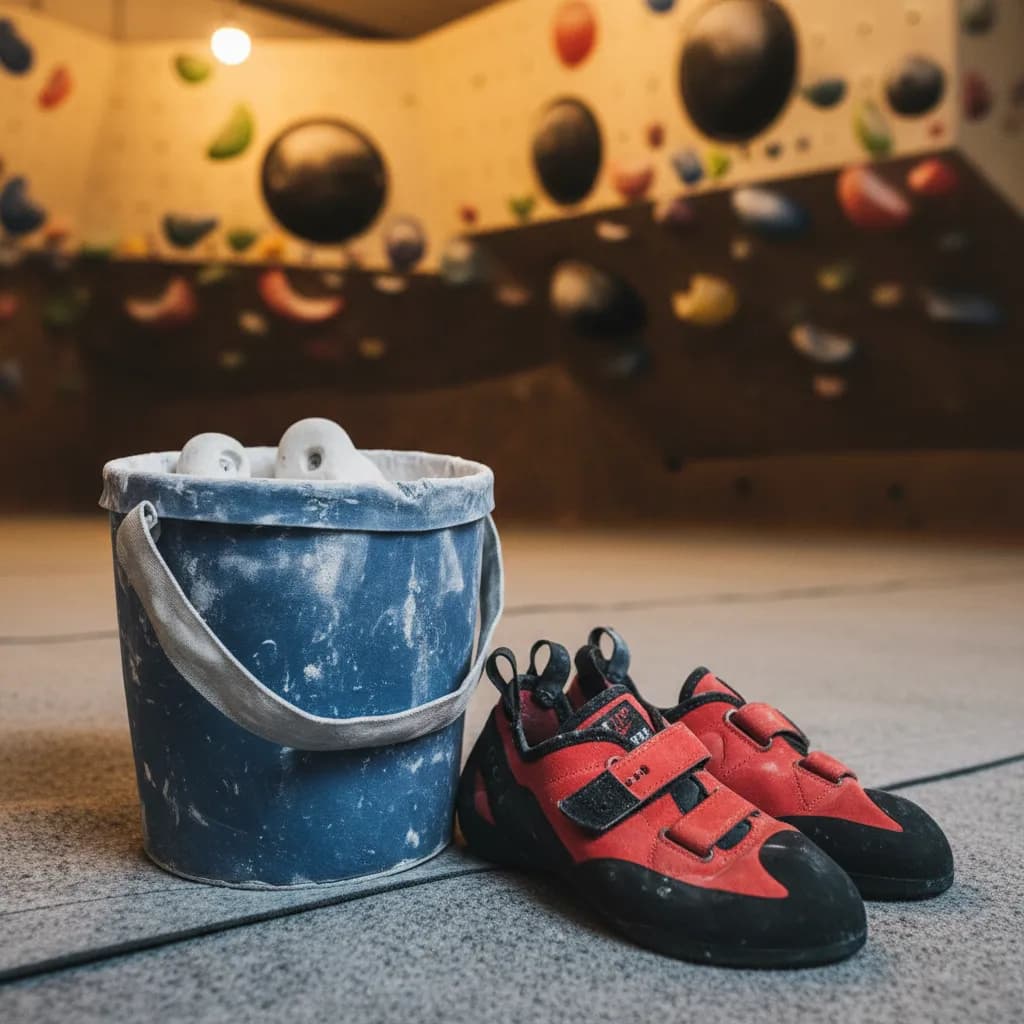
Maintaining facility hygiene and mutual safety is an essential community standard across downtown training venues. Athletes must wear designated indoor climbing shoes with clean rubber soles and carry dry chalk bags or chalk pots. Front desks supply high-performance shoe rentals and low-dust chalk refills for drop-in visitors.
System Board Workouts and Digital Grip Conditioning
Safety etiquette dictates giving active climbers generous clearance across all fall zones, especially around roof exits where dismounts are unpredictable. Climbers are encouraged to brush chalk off greasy handholds after their attempts, maintaining optimal friction for fellow athletes. Respectful turn-taking on popular project boulders creates an inclusive, encouraging community vibe.
Choosing the right window for your climbing workout ensures maximum wall access and focused concentration. Early mornings between 7:00 am and 10:00 am offer tranquil climbing conditions with bright natural sunlight filtering through oversized windows. Midday slots between 1:00 pm and 3:30 pm also provide quiet intervals before neighborhood creatives arrive for evening sessions.
After concluding a demanding vertical workout, stepping onto Prince Street or Spring Street offers immediate access to specialty espresso bars and bakeries. Refueling with matcha lattes, cold brew, and protein bowls while seated outside provides a pleasant sensory transition from intense physical exertion to relaxed urban leisure.
Gym Protocol, Chalk Etiquette, and Optimal Training Hours
The surrounding historic district presents wonderful cooldown walking routes past renowned architectural landmarks and quiet gallery courtyards. Strolling along Greene Street or Mercer Street lets you admire the intricate cast-iron storefronts that make this corner of Manhattan globally famous. A gentle twenty-minute cooldown walk promotes muscle recovery while letting you savor downtown neighborhood charm.
Transit options serving the SoHo climbing community are plentiful and exceptionally convenient. Climbers can reach training venues via the Prince Street N and R station, the Spring Street C and E entrance, or the Broadway-Lafayette hub connecting the B, D, F, and M train lines. Nearby uptown and downtown bus routes on Broadway provide additional surface transit options.
Before your initial session, completing an electronic waiver online speeds up the reception process upon arrival. Gyms feature secure day lockers, private changing rooms, and touchless water refill fountains to support busy metropolitan lifestyles. Remember to pack a reusable water container and personal chalk brush to keep your gear streamlined.
SoHo Streetscape Cooldowns, Cafes, and Subway Connectivity
Whether you are maintaining climbing fitness during a business trip or establishing a regular workout routine in Manhattan, local climbing walls provide unmatched athletic satisfaction. The synergy between historic architecture and modern movement challenges your body while engaging your creative problem-solving skills.
Utilizing the Karpo APP streamlines discovering urban climbing facilities, checking feature sets, and coordinating pre-workout transit routes. Plan your next indoor climbing session in SoHo to enjoy premium bouldering within one of Manhattan's most distinctive neighborhoods.
Finger Strength, Tension Boards, and Progressive Loading
Developing sustainable finger strength in Lower Manhattan requires systematic training on micro-edges and wooden campus rungs. Dedicated athletes incorporate progressive hangboard routines into their weekly training schedule, utilizing five-second maximum hangs and ten-second repeaters. These structured loading exercises stimulate tendon remodeling and increase bone density across the proximal interphalangeal joints.
Complementing hangboard protocols, adjustable tension boards allow climbers to isolate complex athletic moves at precise geometric angles. By targeting shoulder blade retraction and deep core tension, climbers learn to generate upward propulsion from poor footholds, translating gym power directly into refined technical mastery.
Post-Workout Recovery, Hydration, and Rest Protocols
Safeguarding athletic longevity demands deliberate post-session cooldown habits after demanding bouldering projecting blocks. Rehydrating with electrolyte-balanced water and consuming twenty grams of protein within forty-five minutes of training accelerates muscular recovery. Gentle forearm stretches and finger extensor band exercises restore healthy muscular balance across the lower arms.
Taking dedicated rest days between maximum-intensity climbing workouts prevents acute tendon fatigue and cumulative inflammation. Allowing sixty to seventy-two hours of recovery before returning to steep projecting ensures that every workout session is productive, powerful, and injury-free.
Community Workshops, Movement Clinics, and Skill Building
Beyond independent climbing, downtown facilities host regular technical clinics focused on movement mechanics and injury prevention. Certified instructors guide athletes through dynamic foot placement drills, flagging balance exercises, and safe falling biomechanics. Attending these focused workshops helps climbers break through training plateaus while building supportive community ties.
Evening social sessions provide welcoming spaces where climbers can exchange route beta and share encouragement on complex boulder problems. The collaborative spirit of the SoHo climbing community turns solitary physical training into an engaging, shared urban experience.
Ask Karpo for more information.
Keep reading
- Tribeca Bowling Group Night Planner for Wedding Guests
 Flushing Bowling Group Night Planner for Thanksgiving Break
 Bushwick Bowling Group Night Planner After Band Practice