 Fort Greene Holiday Market Browsing Guide for Young Shoppers
Weekend Plans
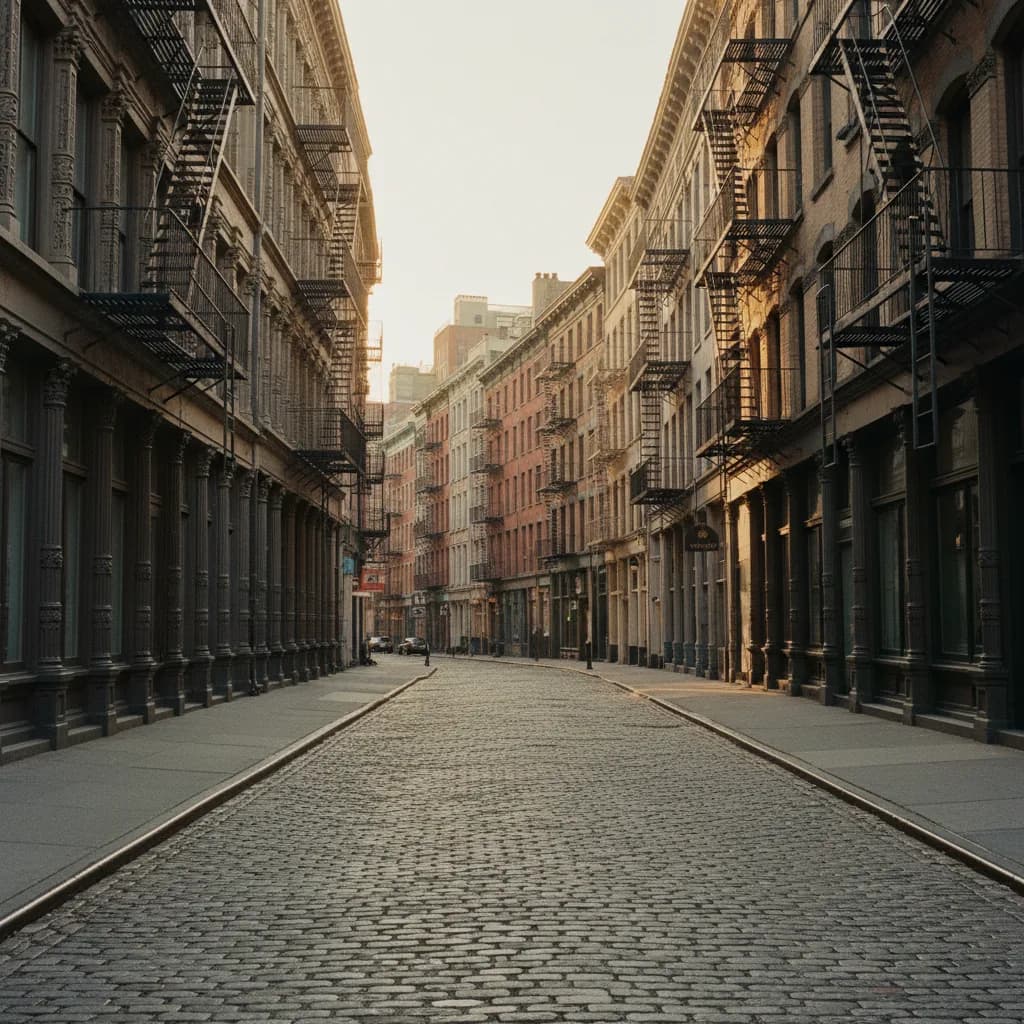
SoHo Indoor Art Exhibition Finder: Historic Cast Iron Loops
Uncover historic SoHo cast-iron gallery spaces and loft exhibitions. Browse airy high-ceiling rooms and serene cobblestone pedestrian corridors in Manhattan.
Lower Manhattan's SoHo and Tribeca districts represent the architectural cradle of New York's legendary downtown artist loft movement. During the post-industrial transformation of the 1960s and 1970s, pioneering painters, sculptors, and choreographers moved into abandoned commercial textile lofts, turning immense industrial footprints into vibrant creative studios. Today, the SoHo-Cast Iron Historic District preserves the greatest concentration of nineteenth-century decorative cast-iron architecture anywhere in the world, recognizable by its rhythmic modular facades, fluted Corinthian columns, and ornate projecting fire escapes.
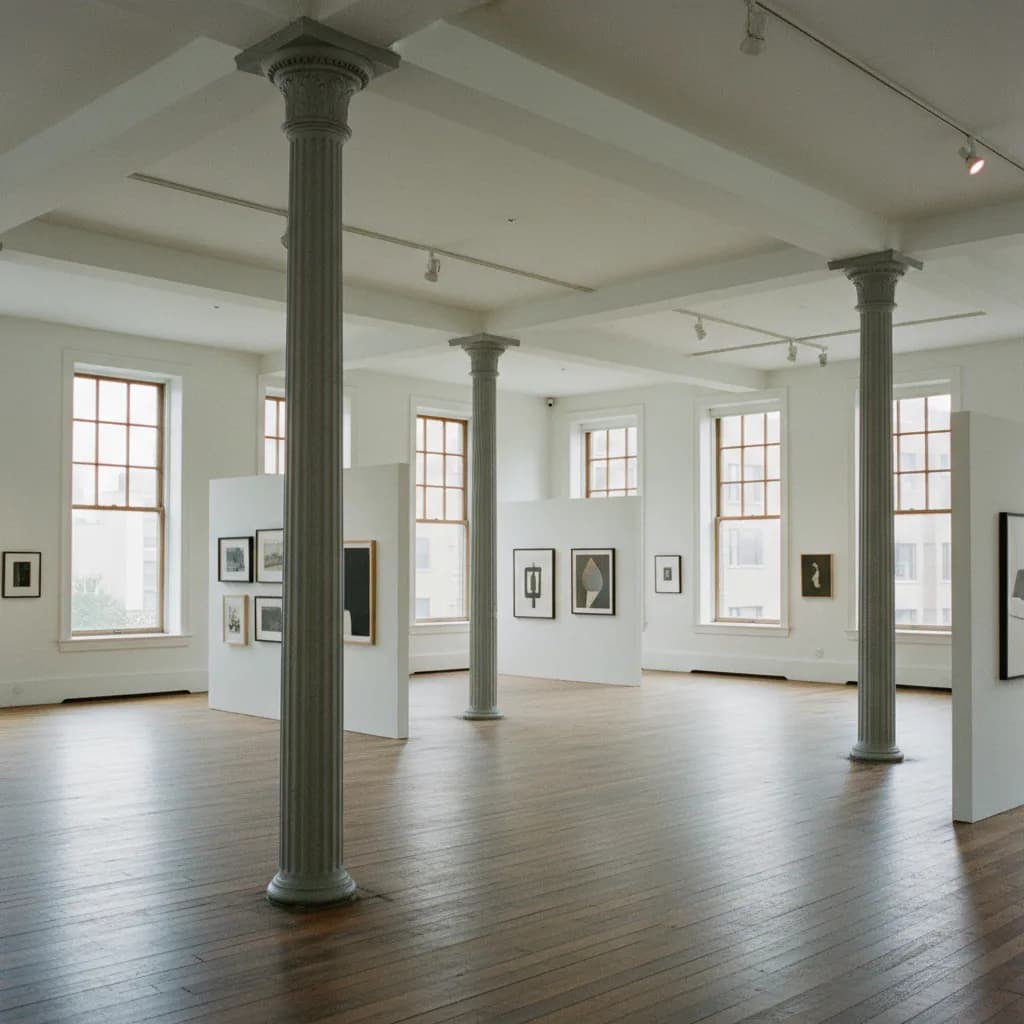
The Heritage of Cast-Iron Architecture and High Ceilings
For art lovers exploring indoor exhibitions, these cast-iron structures offer interior dimensions rarely found in contemporary commercial construction. Supported by slender interior cast-iron columns rather than heavy masonry load-bearing walls, the gallery floors feature soaring fourteen-foot ceiling heights, original pressed-tin ceiling panels, and wide spans of original edge-grain yellow pine flooring. Massive double-hung sash windows stretching from waist height to the ceiling flood these expansive rooms with clean, directional daylight, giving paintings and spatial sculptures a vivid, authentic presence.
The structural lightness enabled by prefabricated iron framing allowed nineteenth-century builders to eliminate interior dividing partitions entirely. In modern gallery usage, this structural freedom translates into sweeping floor-through vistas where an entire exhibition can be appreciated at a single glance. Walking across the seasoned timber floorboards, visitors can still spot the circular iron column bases and overhead exposed ceiling joists that testify to the district's storied manufacturing heritage.
Upstairs Lofts and Ground-Level Project Spaces
Navigating indoor exhibitions in SoHo and northern Tribeca requires looking beyond conventional street-level retail shopfronts. While numerous high-profile galleries occupy ground-floor spaces with grand display windows along West Broadway, Wooster Street, and Walker Street, many of the neighborhood's most innovative contemporary programs reside on the upper floors of historic loft buildings. Locating these spaces often involves scanning discreet brass nameplates mounted beside entry doorways or looking for subtle vinyl lettering applied to frosted glass transoms.
Gaining access to these upstairs exhibition lofts is an integral part of the authentic downtown art experience. Visitors press a designated street buzzer, announce themselves to the front desk via intercom, and ride vintage brass-grilled freight elevators or climb wide wooden staircases worn smooth by decades of creative footsteps. Stepping out onto a second or third-floor loft reveals a serene, light-filled haven high above the bustling retail sidewalks below, where you can inspect experimental solo exhibitions in unhurried silence.
These elevated loft sanctuaries feel distinctly removed from the commercial bustle of Broadway. The high window sills frame postcard-worthy views of historic fire escapes and decorative roof cornices across the street, while interior track lighting illuminates nuanced conceptual displays. Many upstairs spaces maintain open back-room libraries stocked with rare exhibition catalogues, monographs, and limited-edition art books that visitors are welcome to browse at leisure.
Cobblestone Corridors Between West Broadway and Mercer
The street grid of SoHo possesses a distinct textural charm, anchored by historic Belgian block cobblestones that pave streets such as Greene, Mercer, and Crosby. These cobblestone thoroughfares naturally slow vehicular traffic, creating a pedestrian-friendly environment where walking between gallery visits feels peaceful and evocative. Greene Street, often referred to as the Queen of the Cast-Iron District, offers an unbroken vista of pristine architectural facades painted in soft creams, pale grays, and rich ochres.
Exploring these central blocks on foot allows visitors to appreciate the interplay between outdoor historic preservation and modern interior curation. Walking from the open storefront spaces of West Broadway eastward across Wooster to Greene Street, one transitions from commercial energy into quiet, residential-scale artistic enclaves. Even during brisk late autumn afternoons, the solid cast-iron streetscapes block northern river winds, providing sheltered walking corridors between indoor exhibition stops.
Beyond the central cobblestones of Greene and Mercer Streets, Wooster and Howard Streets offer an even quieter pedestrian pace. Howard Street, marking the southern border of SoHo before it meets Chinatown and Little Italy, features low-rise historic brick facades where independent concept spaces and avant-garde galleries showcase sculptural ceramics and limited-edition design objects. Because vehicular traffic rarely enters these tucked-away blocks, visitors can pause on stone curbs and admire the interplay of historic wrought-iron architecture and contemporary installation art.
Tribeca's Evolving Independent Gallery Enclaves
Just south of Canal Street, the Tribeca neighborhood has emerged as one of New York's most vital destinations for cutting-edge contemporary art. Centered along streets like Walker, White, Franklin, and Lispenard, dozens of influential independent galleries and artist-run project spaces have made their homes within former dry-goods warehouses and printing plants. This district maintains a decidedly understated, gallery-first atmosphere, where commercial retail presence is minimal and the focus remains firmly on rigorous artistic discourse.
Tribeca's exhibition spaces often feature unique subterranean levels and historic vaulted basements in addition to street-level viewing rooms. Entering through cast-iron thresholds, visitors are frequently invited to descend cast-iron spiral staircases into lower-level brick chambers, where video works, immersive sound environments, and delicate archival installations are presented in intimate darkness. This dynamic vertical interplay between bright, skylit ground-floor rooms and atmospheric subterranean chambers makes exploring Tribeca's art circuit endlessly surprising.
Visiting Habits and Street-Level Navigation
Planning a smooth gallery walk across SoHo and Tribeca benefits from understanding local neighborhood habits. Unlike major uptown museums that operate seven days a week, downtown contemporary galleries typically welcome visitors Wednesday through Saturday from eleven in the morning until six in the evening. Scheduling your walking route for a Thursday or Friday afternoon ensures that all upper-floor loft spaces and ground-level project rooms are fully open and accessible.
Because many upper-level spaces require buzzing for entry, approaching them with confidence is part of the routine. Staff members at gallery desks are accustomed to welcoming independent visitors, art students, and travelers alike, and full printed checklists detailing titles, dates, and materials are readily available upon arrival. Wearing comfortable walking footwear is essential for navigating the historic Belgian block cobblestones and occasional timber walk-up stairs, ensuring an effortless and enjoyable afternoon of artistic discovery.
Structuring Downtown Art Walks with Karpo
Navigating historic downtown cast-iron lofts and upper-floor project rooms is streamlined with Karpo on the Karpo APP. Simply describe the artistic mediums you wish to explore to uncover hidden elevator-accessed exhibitions and serene cobblestone side corridors.
With Karpo's intelligent spatial guidance, you can effortlessly link historic cast-iron loft viewings with quiet cobblestone strolls and charming local espresso counters. Karpo curates coherent, stress-free walking itineraries that maximize your viewing time while keeping you immersed in the rich cultural soul of downtown New York.
Ask Karpo for more information.
Keep reading
- Fort Greene Holiday Market Browsing Guide for Young Shoppers
 DUMBO Holiday Market Browsing Guide for Gifts to Mail Home
 Midtown East Holiday Market Browsing Guide for Commuters