 Fort Greene Holiday Market Browsing Guide for Young Shoppers
Weekend Plans
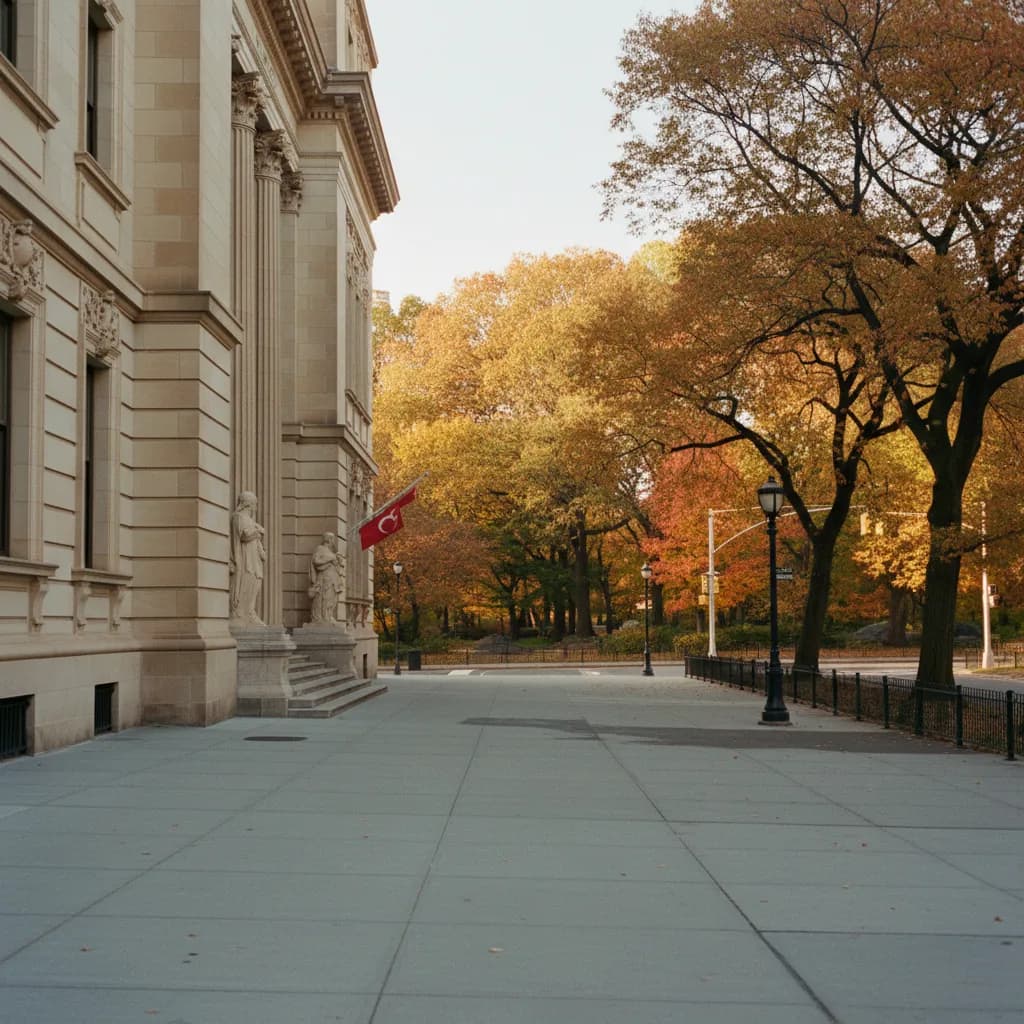
Museum Mile Indoor Art Exhibition Finder: Upper East Loops
Explore indoor Upper East Side exhibition halls along Fifth Avenue. Discover quiet rotunda galleries and shaded Central Park stone benches for afternoon pauses.
Manhattan's Upper East Side preserves one of the most culturally significant stretches of urban architecture in North America, centered on the celebrated stretch of Fifth Avenue bordering Central Park. From East 82nd Street northward to East 105th Street, this stately boulevard showcases an extraordinary assembly of Gilded Age mansions, grand Beaux-Arts institutions, and landmark twentieth-century modern structures. Walking along the eastern perimeter of Central Park, visitors encounter soaring limestone facades, ornate carved cornices, and imposing bronze entry doors that signal entry into deeply treasured public collections.
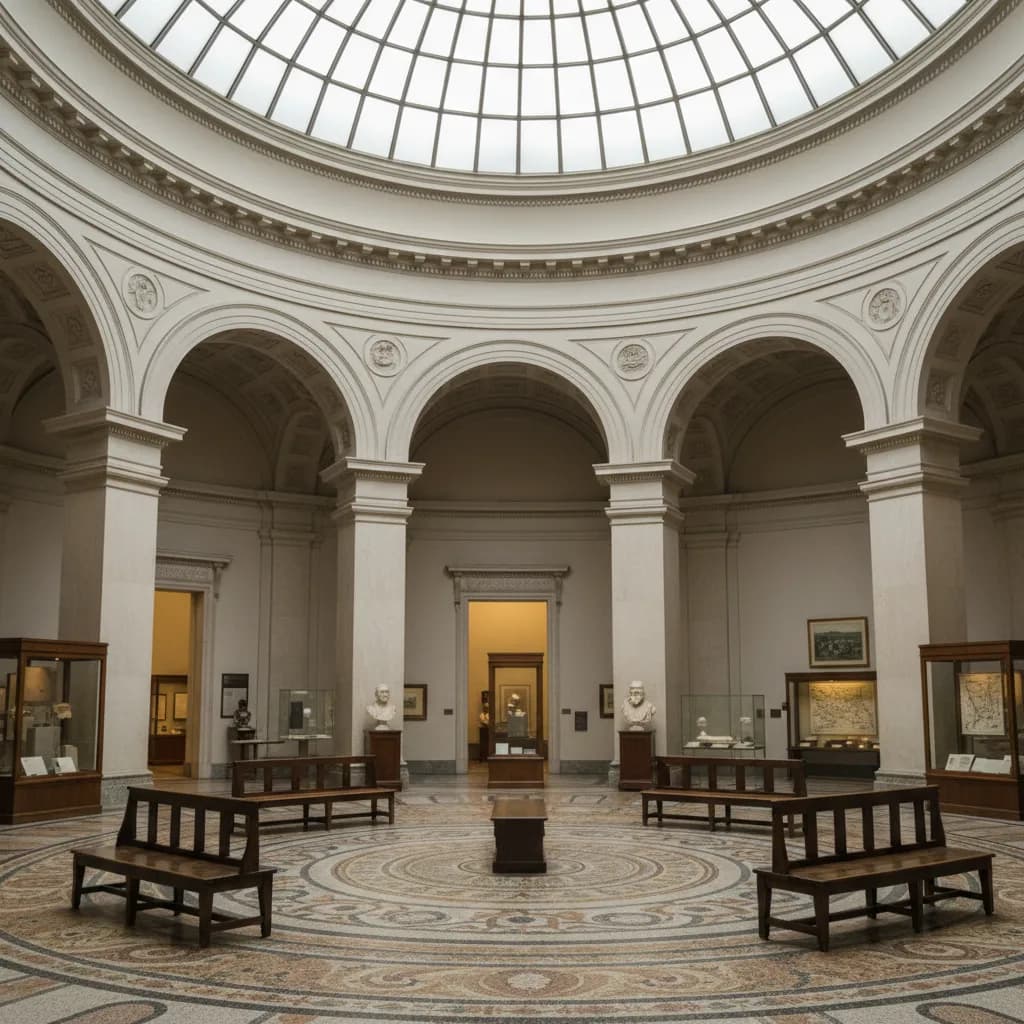
The Grand Architecture of Fifth Avenue Exhibition Halls
Stepping inside these historic institutions reveals interior spaces engineered specifically to dignify artistic expression. Soaring entrance rotundas clad in imported European marble, grand imperial staircases, and coffered ceilings adorned with classical mouldings create an immediate sense of arrival. Expansive clerestory skylights cast gentle natural illumination across grand exhibition courts, providing museumgoers with generous vertical breathing room. The sheer scale of these halls ensures that even major international retrospectives feel spacious and accessible rather than cramped or claustrophobic.
The monumental masonry construction of these Gilded Age cultural edifices serves an acoustic purpose as well as an aesthetic one. Thick Indiana limestone blocks and granite foundation walls act as natural sound dampeners, filtering out the constant hum of city buses and yellow taxis along the avenue. Once inside the vestibule, the auditory environment drops into a hushed, cathedral-like quiet where footfalls on marble treads and the soft rustle of exhibition catalogues become the primary sounds.
Finding Tranquility in Central Rotundas and Side Salons
While the marquee exhibition spaces along Fifth Avenue frequently attract broad cultural audiences, seasoned visitors know that these sprawling institutions conceal numerous intimate side galleries and tranquil study salons. Venturing away from primary circulation paths and ascending to upper-level wings often leads to quiet decorative arts rooms, private print study cabinets, and serene sculpture courts overlooking the tree canopy of Central Park. These secondary galleries provide quiet contemplation spaces where one can examine historical masterworks in near solitude.
The acoustical design of these neoclassical masonry structures enhances the feeling of peaceful escape. Thick travertine walls, vaulted plaster ceilings, and heavy velvet draperies absorb foot traffic noise, muting the bustling sounds of metropolitan traffic outside. Softly lit alcoves with hardwood parquet flooring and cushioned viewing divans invite extended observation. Taking ten unhurried minutes to sit before a single historical landscape or classical bronze figure allows details of brushwork and patina to reveal themselves in ways that hurried sightseeing never permits.
Many of these secondary salons house specialized collections of illuminated manuscripts, decorative ironwork, and Renaissance portrait miniatures that require low lighting levels for preservation. The dim, temperature-controlled environment of these rooms offers a welcome refuge from intense afternoon sun or bitter winter winds, creating an intimate sanctuary where viewers can study historical craftsmanship up close.
Connecting Fifth Avenue and Madison Avenue Gallery Rows
A truly comprehensive cultural exploration of the Upper East Side extends beyond Fifth Avenue into the parallel corridor of Madison Avenue. Tucked within elegant brownstone townhouses and discreet multi-story limestone buildings between East 68th Street and East 86th Street, an array of prestigious independent exhibition spaces and specialty art dealerships welcomes curious visitors. These commercial and private galleries offer an intimate counterpart to the colossal public institutions on the park, presenting carefully curated exhibitions of modern masters, antiquities, and mid-century design.
Transitioning between Fifth Avenue's public halls and Madison Avenue's townhouses involves crossing quiet, tree-lined residential side streets. Blocks such as East 70th, 74th, and 79th Streets showcase exceptional historic townhouse architecture, with wrought-iron balconies and manicured entry stoops providing a visually delightful stroll. Because Madison Avenue spaces typically occupy former residential living rooms, drawing rooms, and private libraries, experiencing art within them feels like visiting a distinguished personal collection, complete with original marble fireplaces and oak mouldings.
Central Park Benches and Restorative Breaks
One of the greatest advantages of planning an art day on the Upper East Side is the constant proximity to Central Park. Directly across Fifth Avenue runs the park's iconic low stone retaining wall, accompanied by a continuous ribbon of green-painted wooden slatted benches shaded by mature American elms, linden trees, and pin oaks. Whenever mental fatigue begins to set in after hours of visual concentration inside indoor galleries, stepping across the street offers immediate outdoor revitalization.
Resting on a park bench while gazing across at the ornate rooflines of Fifth Avenue allows you to process the visual impressions of previous exhibitions in fresh air. Listening to the rustle of autumn leaves or watching neighborhood dogs and morning joggers provides a soothing sensory reset. When weather permits, bringing a warm beverage from a nearby neighborhood coffee counter to enjoy on a park bench makes the intermission between morning and afternoon exhibition viewings feel like a luxurious holiday.
Timing Visits for Serene Exhibition Viewing
Arriving along Fifth Avenue on weekday mornings around ten o'clock offers the quietest gallery atmosphere. Visiting early on a Wednesday or Thursday allows you to walk through premiere exhibition halls before school groups and tour parties begin to gather. Midday crowds typically swell between one and three in the afternoon, making that window ideal for stepping outside for a leisurely walk across to Madison Avenue.
Additionally, several cultural spaces on the Upper East Side offer extended evening hours on selected weekdays. Visiting during these evening twilight windows offers a dramatically different ambiance. As daylight fades through the museum skylights and interior spotlights take full effect, the galleries take on an intimate, dramatic aura. The after-work hours also tend to attract local neighborhood residents, creating an unhurried, cultured atmosphere where you can linger without the bustle of daytime tour groups.
Mapping Cultural Itineraries with Karpo
Planning a cultural journey along Fifth Avenue becomes effortless when using Karpo within the Karpo APP. Share your aesthetic interests and preferred museum pacing to receive a bespoke itinerary connecting grand limestone institutions with quiet Central Park bench pauses.
Karpo helps you assemble custom cultural loops that balance grand Beaux-Arts museum highlights with hidden architectural gems and peaceful parkside pauses. Instead of feeling overwhelmed by endless options, you can rely on intuitive recommendations that align with your pacing and creative curiosity.
Ask Karpo for more information.
Keep reading
- Fort Greene Holiday Market Browsing Guide for Young Shoppers
 DUMBO Holiday Market Browsing Guide for Gifts to Mail Home
 Midtown East Holiday Market Browsing Guide for Commuters